
Soups & Stews
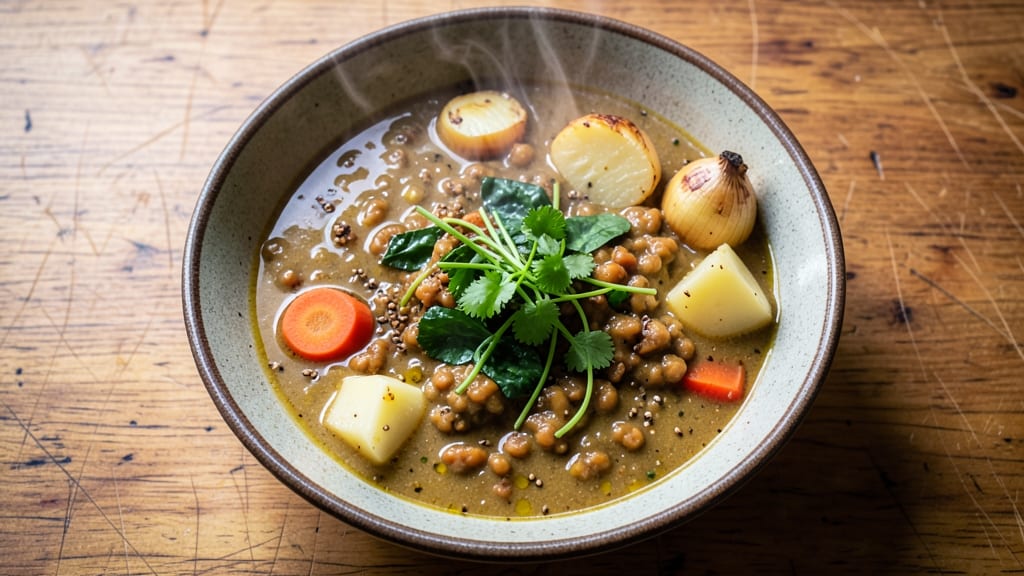
This Bangla soup recipe brings the comforting warmth of Bangladeshi home cooking to your kitchen, where fragrant lentils and tender vegetables blend into a hearty, spiced broth that tastes like nostalgia in a bowl. The secret lies in the slow simmering of whole spices—cumin, coriander, and cardamom—that infuse the soup with earthy depth, balanced by the bright tang of mustard oil and a touch of yogurt for creaminess. I developed this version after years of tasting regional variations, simplifying it for modern kitchens while keeping the soul of traditional shobji roshogolla intact.
The magic happens in layers: first, the spices are toasted until aromatic, then bloomed in hot oil to release their flavors before meeting the lentils and vegetables. This method ensures every spoonful carries warmth and complexity, not just seasoning.
The soup thickens as it simmers, creating a broth that clings to vegetables like potatoes, carrots, and spinach, turning them into tender, flavorful bites.
What makes this recipe special is its adaptability—swap in chickpeas or tofu for protein, or add a splash of coconut milk for richness, but always keep the tempering step. It’s the foundation of authentic flavor.
By the time you serve this soup, your kitchen will smell like home, and every bowl will deliver a perfect balance of spice, tang, and comfort. The lentils become soft yet hold their shape, the vegetables melt into the broth, and the finishing touch of fresh cilantro brightens the dish.
It’s the kind of meal that disappears quickly, leaving everyone asking for seconds. Serve it with steamed rice or crusty bread to soak up every last drop of that fragrant, spiced goodness.
This recipe also works beautifully as a starter or light main, especially during cooler months or when you crave something nourishing. The beauty of Bangladeshi soups is their ability to adapt—add a poached egg for extra protein, or a sprinkle of fried onions for crunch.
Let’s bring the flavors of Bangladesh to your table with this timeless, comforting dish.
Ingredients for bangla soup
Fragrant spices, tender lentils, and bright vegetables create this soulful Bangla soup.
| Ingredient | Amount | Notes |
|---|---|---|
| Red Lentils 🌾 | 1 ½ cups | Rinsed for cleaner broth |
| Yellow Onion 🧅 | 1 whole | Diced, medium size |
| Carrots 🥕 | 3 medium | Peeled, chopped into chunks |
| Russet Potatoes 🥔 | 2 medium | Peeled, cubed |
| Fresh Spinach 🍃 | 4 cups | Packed, roughly chopped |
| Mustard Oil 🫒 | ¼ cup | Lightly toasted for aroma |
| Plain Yogurt 🥛 | ½ cup | Whisked smooth |
| Cumin Seeds 🌿 | 1 tbsp | Toasted until fragrant |
| Ground Coriander 🌿 | 1 tsp | Freshly ground preferred |
| Green Cardamom Pods 🌿 | 6 whole | Lightly crushed |
| Fresh Cilantro 🌿 | ¼ cup | Chopped, for garnish |
| Garlic Cloves 🧄 | 4 cloves | Minced for depth |
| Salt 🧂 | 1 ½ tsp | Adjust to taste |
| Black Peppercorns 🌶️ | ½ tsp | Crushed lightly |
| Vegetable Oil 🫒 | 2 tbsp | For spice blooming |
The spices are non-negotiable here. Cumin seeds need toasting until they sizzle—this unlocks their earthy aroma. Green cardamom pods should be lightly crushed to release their floral notes without turning bitter. I grab mine from Indian grocery stores or bulk bins at Whole Foods—the freshness makes all the difference. Mustard oil is the signature touch; if you're sensitive to its bold flavor, start with just a tablespoon and add more at the end. For the lentils, red lentils break down beautifully but stay intact enough to hold their shape—perfect for this dish.
No mustard oil? Sesame oil or neutral oil works in a pinch, but add it at the very end to preserve its delicate flavor. Skip the cardamom? Cinnamon sticks or a pinch of nutmeg can mimic that warm depth. Fresh cilantro is ideal, but dried oregano at half the amount works if you're in a bind. The yogurt adds creaminess without dairy—if you prefer tangier, add a squeeze of lemon. For extra protein, toss in chickpeas or crumbled tofu while simmering. And trust me on the spinach—wait until the very end to wilt it, or it'll turn mushy.
This soup tastes even better the next day as flavors meld. Store leftovers in an airtight container for up to 5 days in the fridge, or freeze for 3 months. The broth reduces beautifully, so you can actually make a double batch—it reheats like a dream. Garnish with extra cilantro and a drizzle of mustard oil right before serving. Serve with warm steamed basmati rice or crusty naan bread to soak up every last drop of that fragrant goodness.
Why You'll Love This Recipe
- One-Pot Magic: I swear by this recipe because it’s literally dump-and-simmer. No fancy techniques—just chop onions, add the lentils, potatoes, and veggies, then let it bubble while you handle the rest. The lentils soften into that perfect creamy texture without falling apart, and the spinach wilts right in at the end. Minimal chopping, zero stress.
- Creamy Without Cream: Here’s what sold me—the way the red lentils break down into a velvety base, but the potatoes stay just firm enough to hold their shape. That earthy onion depth? It’s the backbone, but the carrots add this subtle sweetness that makes every spoonful feel like a hug. (Yes, even on a Tuesday night.)
- Leftover Hero: This soup begs to be made in batches. The flavors actually get better the next day—like a cozy surprise in a thermos. I pack it for work, freeze portions for lazy nights, or serve it cold with a squeeze of lemon as a summer salad. Zero waste, all reward.
- Pocketbook-Friendly Powerhouse: Red lentils and potatoes stretch this into a full meal for pennies. A single pot serves six, and the veggies (onion, carrots, spinach) are cheap staples most pantries already have. Honestly, it’s my go-to when grocery money’s tight—but somehow, it still feels like a treat.
Step-by-step instructions for spiced lentil and vegetable harmony
This comforting Bangla soup comes together with simple steps and bold flavors.
Bloom the Spices in Mustard Oil
Heat the 2 tablespoons vegetable oil in a large pot over medium-low heat. Add the 1 tablespoon cumin seeds and toast for 30 seconds until they begin to sizzle and release their aroma. Immediately add the 6 whole green cardamom pods and 4 minced garlic cloves, cooking for another 30 seconds until fragrant.
Here's the thing—mustard oil adds a distinctive flavor, but it needs to be toasted gently. If you smell it burning, reduce the heat immediately. The spices should smell warm and inviting, not acrid. Once the garlic turns golden, you're ready for the next step.
Sauté Onions and Add Vegetables
Add the 1 diced yellow onion to the pot and cook for 5 minutes over medium heat, stirring occasionally, until softened and translucent. Add the 3 chopped carrots and 2 cubed russet potatoes, stirring to coat in the spiced oil. Pour in 3 cups water and bring to a gentle boil.
This is where the vegetables begin their transformation. The onions should caramelize slightly, deepening the soup's flavor. If the mixture looks dry at any point, add a splash of water to keep everything moist. The potatoes and carrots will soften as they cook, but we're not quite there yet.
Cook the Lentils Until Tender
Add the 1.5 cups rinsed red lentils and 1.5 teaspoons salt to the pot. Stir well to combine, then reduce the heat to low and cover with a lid. Let it simmer for 20-25 minutes, stirring occasionally, until the lentils are tender and the vegetables are easily pierced with a fork.
Don't walk away during this step. The lentils should break down slightly but still hold their shape. If the soup reduces too much, add a little water to maintain the consistency. You'll know it's ready when the lentils are soft and the flavors have melded together beautifully.
Finish with Spinach and Yogurt
Stir in the 4 cups chopped fresh spinach and cook for 2-3 minutes until wilted. Remove the pot from heat and let it cool slightly. Stir in the 0.5 cup whisked plain yogurt and 0.5 teaspoon crushed black peppercorns, mixing gently to combine.
This is the moment that matters: the yogurt adds a creamy contrast to the hearty lentils and vegetables. If the soup seems too thick, thin it with a little water or broth. The spinach should be vibrant and fully incorporated, giving the soup a fresh, green finish.
Garnish and Serve Warm
Ladle the soup into bowls and garnish with 0.25 cup chopped fresh cilantro. Serve immediately with crusty bread or steamed rice. The aroma of the toasted spices and the vibrant green garnish will make this soup feel like a warm hug on a chilly day.
Each spoonful should deliver a harmonious blend of earthy lentils, sweet potatoes, and the bright, tangy finish of yogurt and cilantro. Adjust the salt to taste, but remember, the yogurt and spices already add significant flavor. Enjoy this comforting dish while it's hot!
Pro Tips For Making Bangla Soup
- SOAK LENTILS 15 MINUTES: Red lentils cook fast, but a quick 15-minute soak in warm water softens them just enough to prevent mushiness—especially important when simmering with potatoes. I learned this the hard way after ending up with a gluey soup that needed extra water.
- PEEL POTATOES LAST: Add potatoes whole to the pot (peels on), then peel them after cooking—this keeps their shape and prevents them from falling apart in the soup. Sounds weird, but it works: the skins act like a natural barrier until you’re ready to serve.
- SIMMER SPINACH SEPARATELY: Tossing spinach into the boiling soup wilts it instantly, turning it into a sad, limp pile. Instead, blanch it for 30 seconds in a separate pot, then drain and fold in at the end—keeps it vibrant and adds texture.
- SALT THE POTATOES FIRST: Sprinkle a pinch of salt directly on the raw potatoes before adding them to the pot. This guarantees they absorb flavor from the start, not just at the end when the soup’s already salty. (Your future self will thank you.)
Regional styles of these flavors
Dhaka’s Signature Style
In Dhaka, this soup often starts with a tempering technique called bhaja—toasting whole spices in mustard oil until they release their full aroma. I use green cardamom pods and cumin seeds for that signature floral-earthy depth.
The city’s version also includes fried onions sprinkled on top for crunch, adding texture that contrasts the creamy yogurt. For an authentic touch, serve with steamed rice and a side of eggplant curry—a classic Dhaka pairing. 🌿
Chittagong’s Coastal Twist
Chittagong’s coastal influence brings fish stock instead of water, giving the soup a briny depth. I substitute 1 cup fish stock for half the water and add 1-inch ginger, sliced, while blooming the spices.
The region also swears by pumpkin in place of potatoes—its natural sweetness balances the tangy yogurt beautifully. Garnish with lemon wedges for a citrusy finish that’s pure Chittagong. 🍋
Rajshahi’s Spiced Lentil Focus
Rajshahi’s version is all about the lentils—here, they’re often cooked with poppy seeds and saffron for a luxurious touch. I add 1 teaspoon poppy seeds while blooming the spices and a pinch of saffron threads when stirring in the yogurt.
The soup is thicker, almost like a stew, and traditionally served with phulka (whole wheat flatbread) to soak up every bit. 🌾
Sylhet’s Mountain-Inspired Richness
Sylhet’s cooler climate means their soup is extra hearty, with mushrooms and coconut milk for richness. I fold in 1 cup sliced mushrooms with the spinach and add ½ cup coconut milk at the end for a velvety finish.
The region’s love of black pepper shines here—double the amount to 1 teaspoon for a kick. Serve with steamed bamboo shoots on the side for a true Sylhet experience. 🌲
Barisal’s Tangy Variation
Barisal’s version leans into tangy flavors with raw mango pulp and tamarind. Stir in 2 tablespoons tamarind paste when adding the yogurt and finish with 1 tablespoon mango pulp for a sweet-sour balance.
The soup is lighter, almost like a broth, and pairs perfectly with fresh lime wedges. This version is a favorite during Bengali spring festivals. 🍈
Modern Adaptations
For a vegan twist, swap yogurt for cashew cream and use vegetable broth instead of water. If you love heat, add ½ teaspoon red chili powder while blooming the spices.
For a protein boost, stir in 1 cup cooked chickpeas with the lentils. These tweaks keep the soul of the dish while making it your own. 💡
Nutrition facts
Frequently asked questions
Can I make this Bangla soup without mustard oil?
Yes! Mustard oil adds authentic flavor, but you can substitute with 2 tablespoons sesame oil or neutral oil. Add it at the very end of cooking to preserve its delicate aroma. For a similar depth, toast 1 teaspoon cumin seeds in the oil first—this creates that warm, earthy base without mustard oil's boldness.
How do I adjust the spice level for kids or sensitive stomachs?
Reduce the black peppercorns to ¼ teaspoon and skip the mustard oil entirely. For extra mildness, add ½ cup coconut milk at the end instead of yogurt—it softens the spices naturally. Always let the soup cool slightly before serving to sensitive eaters.
What's the best way to store leftovers?
Store in an airtight container in the fridge for up to 5 days. The flavors actually improve overnight! For freezing, cool completely first, then portion into freezer-safe containers. Thaw in the fridge overnight—never microwave directly from frozen. The broth may thicken when reheated, so add water or broth as needed.
Can I use canned lentils instead of dried?
Use 1.5 cups drained canned red lentils and reduce the cooking time to 10-12 minutes after adding the vegetables. Canned lentils cook faster but lose some texture. For best results, add them with the spinach at the end for a quick wilt and to maintain their shape.
Why did my soup turn out too thick?
This happens when lentils break down more than expected or the broth reduces too much. Thin with ½ cup warm water or vegetable broth, stirring gently. For prevention, use slightly less water (start with 2.5 cups instead of 3) and simmer uncovered for the last 5 minutes to adjust consistency. The soup should coat a spoon lightly but still be pourable.