
Soups & Stews
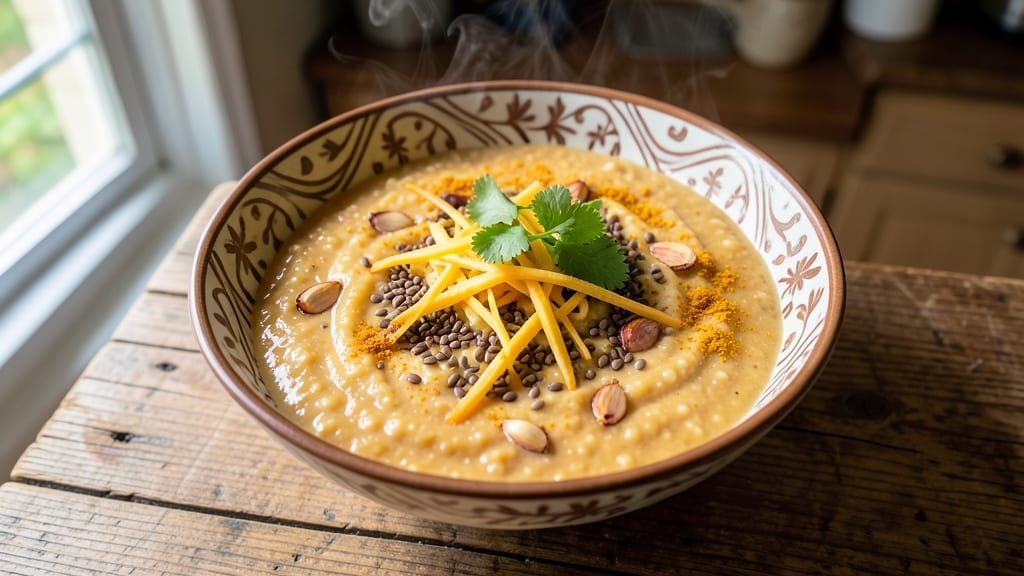
This bajra soup recipe brings the rustic warmth of traditional Indian kitchens to your table, where nutty pearl millet transforms into a hearty, gluten-free elixir packed with earthy depth and aromatic spices.
The secret lies in tempering whole spices—cumin, coriander, and ajwain—until they release their golden fragrance, which infuses the broth with layers of warmth.
I first discovered this recipe during a winter in Rajasthan, where it was served as a nourishing morning meal, and it quickly became a staple in my kitchen for its simplicity and nutritional power.
The beauty of bajra soup lies in its adaptability—whether you're following an authentic Rajasthani bajra ki khichdi tradition or a Gujarati-inspired variation, the base remains the same: soaked pearl millet simmered with turmeric, ginger, and garlic until tender, then finished with a vibrant tempering of mustard seeds and curry leaves.
The result is a soup that's both comforting and light, with a subtle nutty flavor that pairs perfectly with a squeeze of lemon or a sprinkle of fresh cilantro.
For those watching their gluten intake, this dish is a game-changer, offering high fiber and protein without the heaviness of traditional grains.
What sets this recipe apart is the balance of textures—creamy from the millet, crisp from the tempered spices, and fresh from the garnishes.
The slow simmering process ensures every bite is infused with flavor, while the optional addition of green chilies or roasted cumin adds a kick for those who crave a little heat.
It’s the kind of soup that warms you from the inside out, making it ideal for chilly evenings or as a post-workout meal to replenish energy naturally.
Ready in under an hour and requiring just a handful of pantry staples, this bajra soup is perfect for meal preppers or anyone looking to explore gluten-free cooking without sacrificing depth of flavor.
The best part? It tastes even better the next day, as the spices meld and the millet softens further. Let’s get cooking—your taste buds (and your body) will thank you.
Ingredients for bajra soup
Pantry staples meet aromatic spices for this gluten-free, protein-packed elixir.
| Ingredient | Amount | Notes |
|---|---|---|
| Pearl Millet (Bajra) 🌾 | 1 cup | Uncooked, rinsed thoroughly |
| Fresh Ginger 🧄 | 1 inch | Peeled, roughly chopped |
| Garlic Cloves 🧄 | 4 cloves | Peeled, minced finely |
| Turmeric Powder 🌿 | ½ tsp | Freshly ground preferred |
| Cumin Seeds 🌶️ | 1 tbsp | Whole seeds, toasted |
| Coriander Seeds 🌶️ | ½ tbsp | Whole seeds, toasted |
| Ajwain Seeds 🌶️ | ½ tsp | Toasted until fragrant |
| Mustard Seeds 🌶️ | ½ tsp | Whole seeds, tempered |
| Curry Leaves 🌿 | ¼ cup | Fresh, packed |
| Green Chilies 🌶️ | 2 whole | Optional, slit lengthwise |
| Fresh Cilantro 🌿 | ¼ cup | Chopped, for garnish |
| Lemon Juice 🍋 | 1 tbsp | Freshly squeezed |
| Vegetable Oil 🫒 | ½ cup | For tempering |
| Salt 🧂 | 1 tsp | Adjust to taste |
| Water 💧 | 4 cups | For soaking and cooking |
The pearl millet is the star—look for it in the bulk section at Indian grocery stores or specialty health food shops like Whole Foods. If you can't find it, quinoa or amaranth works in a pinch, though the nutty flavor will differ. Soak the millet for at least 2 hours before cooking to soften it properly. For the spices, spice counters at Indian markets have the freshest cumin, coriander, and ajwain—Patel Brothers or H Mart are solid choices. If you're using whole spices, toast them in a dry pan for 30 seconds until fragrant; this brings out their depth. Fresh ginger and garlic? Grab them from the produce section—organic makes a difference here, as the flavor is more vibrant.
No ajwain? Substitute with a pinch of carom seeds or skip it entirely—the dish will still shine. Running low on curry leaves? Fresh bay leaves add a similar earthiness, though the flavor won't be identical. The green chilies are optional but add a nice kick—serrano or jalapeño work if you can't find Indian green chilies. For the tempering, ghee or coconut oil can replace vegetable oil, but keep the quantity the same. If you're prepping ahead, soak the millet and store it in the fridge overnight—it cooks faster the next day. The soup thickens as it sits, so add a splash of water if it's too dense when reheating.
This soup tastes even better the next day as the flavors meld. Store leftovers in an airtight container in the fridge for up to 4 days. For longer storage, freeze portions in ice cube trays—just thaw and reheat with a splash of water. The millet softens further when reheated, so keep an eye on it. Garnish with extra cilantro and a squeeze of lemon right before serving—trust me on this, it brightens everything up. If you're meal prepping, double the batch and freeze half; it reheats beautifully and is perfect for busy weeknights.
Why You'll Love This Recipe
- Uses what you already have: a handful of spices, a root veggie, and that millet you bought on sale. I’ll be real, it’s saved my grocery budget more times than I can count.
- No-Chop Needed: The only prep is grating ginger and crushing garlic—no dicing, no peeling grains. Honestly, I just toss everything raw into the pot and let the heat do the work.
- Earthy Warmth: That nutty bajra paired with toasted cumin and fresh ginger? It’s the kind of flavor that sticks with you, like a cozy blanket on a chilly day.
- Office Lunch Hero: Pack it in a thermos the night before—still tastes fresh hours later. Between us, it’s my go-to when I’m sick of sad desk lunches.
Step-by-step instructions for bajra soup with warm spice harmony
Let's transform earthy pearl millet into a comforting, nutty soup bursting with aromatic spices.
Prepare the Bajra and Spice Base
Rinse the 1 cup Pearl Millet (Bajra) thoroughly under cold water until the water runs clear. Soak it in 4 cups Water for at least 2 hours (or overnight for better texture). This step softens the grains and reduces cooking time significantly. I like to soak it in a colander for easy draining later.
While the bajra soaks, dry-toast the 1 tbsp Cumin Seeds and 0.5 tbsp Coriander Seeds in a small pan over medium heat for 2-3 minutes until fragrant. Immediately transfer to a bowl to cool - this enhances their flavor dramatically. Keep these toasted seeds separate for now.
Create the Spiced Oil Tempering
Heat 0.5 cup Vegetable Oil in a heavy-bottomed pot over medium heat. Add the toasted cumin seeds and coriander seeds first - they should sizzle gently for 30 seconds before you add the remaining spices.
Next, add the 0.5 tsp Ajwain Seeds, 0.5 tsp Mustard Seeds, and 0.5 tsp Turmeric Powder. Stir constantly for 1 minute until the mustard seeds pop audibly - this indicates they're ready. Then add the 0.25 cup Curry Leaves and 2 whole Green Chilies (if using). Cook for another 30 seconds until the curry leaves turn dark green and the chilies soften slightly. This aromatic tempering forms the flavor foundation of your soup.
Combine and Simmer the Soup
Drain the soaked bajra thoroughly, discarding the soaking water. Add the drained bajra to the pot with the spiced oil and stir to combine. Pour in 2 cups fresh water (enough to cover the bajra by about 1 inch) and bring to a gentle boil over medium-high heat.
Once boiling, reduce heat to low and let it simmer uncovered for 30-35 minutes, stirring occasionally. You'll notice the bajra releases a nutty aroma and the soup thickens gradually. The soup is ready when the grains are tender but still hold their shape - they should be fork-tender but not mushy. Add the 1 tsp Salt during the last 5 minutes of cooking to let it dissolve properly.
Finish with Fresh Herbs and Brightness
Remove the pot from heat and stir in the 1 tbsp Lemon Juice and 0.25 cup Fresh Cilantro. The lemon juice brightens the flavors while the cilantro adds freshness. Taste and adjust seasoning - you might want to add a pinch more salt or a splash of water if the soup is too thick.
For serving, I like to garnish each bowl with an extra sprinkle of cilantro and a few curry leaves. The contrast between the warm spices and fresh herbs creates a perfect balance. Serve immediately while hot, as the flavors meld beautifully when fresh.
Pro Tips For Making Bajra Soup
- SOAK BAJRA FIRST: Skip the soaking and you’ll end up with a gummy, uneven texture—trust me, I’ve learned this the hard way. Soak pearl millet for at least 4 hours (or overnight if you’re patient), then rinse before cooking. This guarantees a creamy, properly broken-down soup instead of a chewy mess.
- GINGER-GARLIC PASTE, NOT MINCE: Fresh ginger and garlic are non-negotiable, but mincing them mid-cook wastes time and burns easily. Make a quick paste with 2 tablespoons each of grated ginger and garlic—just blend with a splash of water. It cooks faster, distributes evenly, and won’t stick to the pot like chopped bits.
- LOW AND SLOW AFTER BOIL: Bajra soup starts on high to blister the cumin and turmeric, but once everything’s boiling, drop the heat to a simmer. Rush this, and you’ll either scorch the spices or end up with half-cooked millet. A gentle simmer for 30–40 minutes is all it needs—no stirring required after the first 5 minutes.
- SALT AT THE END: Adding salt early can toughen the millet and make the soup taste flat. Wait until the last 10 minutes of cooking—then taste and adjust. If you’re using store-bought broth, skip the salt entirely until you’ve added the fresh ingredients. The flavors will sing better.
Wine and beer pairings for this recipe
Crisp White Wines
Bajra soup's nutty, earthy profile pairs beautifully with dry white wines that cut through the richness while complementing its warm spices. I recommend a Riesling from Germany—specifically a Mosel Riesling—with its bright acidity and subtle honeyed notes.
The wine's crispness mirrors the soup's fresh cilantro and lemon finish, while its mineral undertones enhance the bajra's nutty depth. Look for a 2022 Dr. Loosen Blue Slate Riesling for a perfect balance of fruit and stone fruit. 🍷
Light-Bodied Reds
For those who prefer red wine, a Pinot Noir from Oregon or Burgundy offers an elegant match. The wine's earthy, red fruit notes harmonize with the soup's spices, while its silky tannins won’t overpower the delicate flavors.
I love a 2021 Domaine Serene Pinot Noir—its bright acidity and cherry undertones create a lovely contrast to the bajra’s nuttiness. Avoid heavy Cabernets or Syrahs, as they can clash with the soup’s lightness. 🍇
Craft Beer Pairings
If wine isn’t your thing, try a hoppy IPA or a wheat beer for a refreshing contrast. A West Coast-style IPA like Stone Ruination brings citrusy bitterness that cuts through the soup’s richness, while a Belgian Witbier (such as Allagash White) adds a creamy, spiced complexity.
For a lighter option, a German Pilsner like Weihenstephaner Original complements the soup’s nutty notes with its crisp, clean finish. 🍺
Non-Alcoholic Options
Don’t overlook sparkling water with lemon or ginger beer for a refreshing, alcohol-free pairing. For something warmer, a chai tea latte (made with Tazo Chai and steamed milk) mirrors the soup’s spiced warmth.
If you prefer a cold drink, coconut water enhances the bajra’s earthy flavors while keeping things light and hydrating. 💧
Regional Adaptations
In Rajasthan, this soup is often paired with chaas (yogurt drink) or lassi, which balances the spices beautifully. For a Gujarati twist, try mango lassi—the sweetness contrasts the soup’s earthiness.
If you’re in a festive mood, a spiced masala chai (with Tata Tea Gold Tips) adds warmth and tradition. 🌶️✨
Nutrition facts
Frequently asked questions
Can I make this bajra soup without soaking the millet first?
Soaking the pearl millet for at least 2 hours is highly recommended—it reduces cooking time from 45+ minutes to 30-35 minutes and prevents the grains from becoming mushy. If you're short on time, you can skip soaking but increase simmering time to 40-45 minutes and add 1 extra cup of water to prevent burning. The texture will be slightly firmer but still delicious!
How can I make this soup spicier?
For extra heat, add 1 extra green chili (or ½ tsp red chili powder) to the tempering. You can also stir in ½ tsp garam masala after cooking or top with finely chopped red chili flakes before serving. If you love bold flavors, try adding 1 tsp asafoetida (hing) to the tempering—it deepens the spice complexity without adding heat.
Can I use bajra flour instead of whole millet?
Yes! For a quicker version, replace the whole millet with 1 cup bajra flour and cook it like a porridge. Mix the flour with 2 cups water, bring to a boil, then simmer for 15-20 minutes while stirring constantly to prevent lumps. The texture will be creamier, but you'll lose the nutty bite of whole grains. Garnish with extra lemon and cilantro to brighten the flavor.
What's the best way to store leftovers?
Transfer the soup to an airtight container and refrigerate for up to 4 days. The flavors actually improve overnight as the spices meld! To reheat, warm on low heat with 1-2 tbsp water to restore creaminess. For longer storage, freeze portions in ice cube trays—thaw in the fridge before reheating for best texture. Avoid microwaving, as it can make the millet gummy.
Why does my bajra soup taste bland?
Blandness usually comes from under-seasoning or skipping the tempering step. Double-check your salt (1 tsp minimum), and ensure you toasted the spices until fragrant. For depth, add 1 tsp tamarind paste or ½ tsp black salt (kala namak) to the broth. The tempering is key—mustard seeds should pop audibly, and curry leaves should darken. If needed, finish with extra lemon juice or a pinch of sugar to balance flavors.