
Soups & Stews
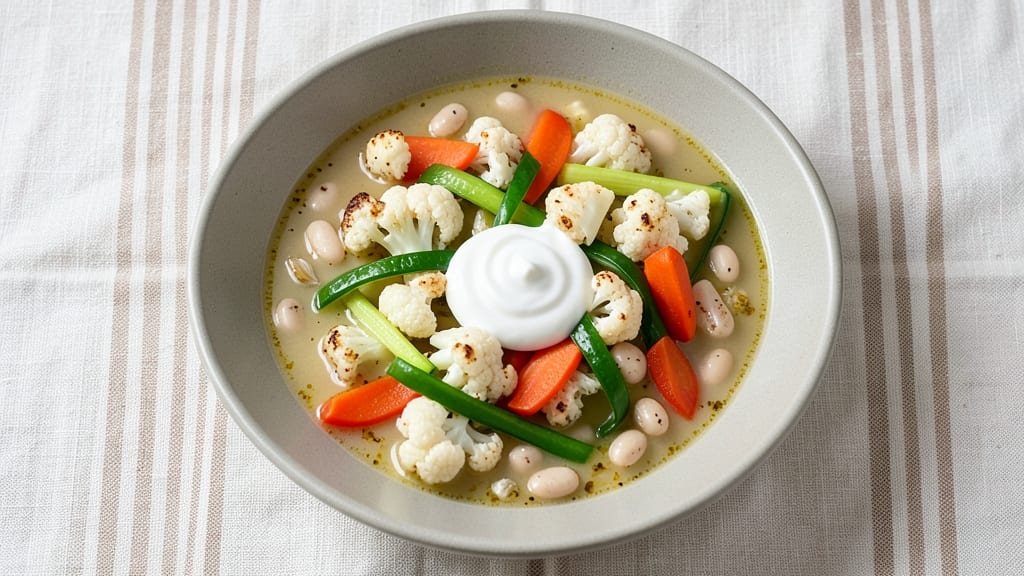
This bariatric-friendly vegetable soup recipe delivers all the nourishment you need without weighing you down—perfect for post-surgery meals that still feel satisfying. The secret lies in blending soft vegetables with lean protein and low-fat broth, creating a meal that’s gentle on digestion while packed with flavor.
Every spoonful provides balanced nutrition without the heaviness of traditional soups, making it ideal for those managing portion control.
What sets this recipe apart is its focus on easy-to-digest textures—finely chopped or pureed ingredients ensure gentle digestion while maximizing nutrient absorption. We use a light chicken or vegetable broth base, paired with protein-rich additions like shredded chicken or white beans, to keep you full without overloading your system.
The cooking process is straightforward, with minimal prep time and a 30-minute simmer that infuses every bite with comforting warmth.
By the time you finish, you’ll have a nutrient-dense soup that’s rich in vitamins, fiber, and lean protein—all while being gentle on your digestive system. The subtle seasoning keeps flavors balanced, and the smooth texture makes each sip effortless.
This isn’t just a meal; it’s a foundation for healing, designed to support your nutritional needs without compromise.
Serve it warm with a sprinkle of fresh herbs for brightness, or pair it with a small side of whole-grain toast if your diet allows. The beauty of this recipe lies in its versatility—adjust the vegetables based on seasonality or dietary preferences, but always prioritize softness and nutrition.
Let’s get started on a meal that nourishes without overpowering.
Ingredients for bariatric vegetable soup
Gentle flavors, soft textures, and nutrient-packed ingredients create this bariatric-friendly meal.
| Ingredient | Amount | Notes |
|---|---|---|
| Low-Sodium Chicken Broth 🍲 | 4 cups | Homemade or high-quality low-sodium brand |
| Cauliflower Florets 🥬 | 2 cups | Finely chopped for easy digestion |
| Carrot Slices 🥕 | 1 cup | Thinly sliced or grated for soft texture |
| Zucchini Slices 🍆 | 1 cup | Thinly sliced or grated for soft texture |
| White Beans 🌱 | 1 cup | Canned, drained and rinsed |
| Low-Fat Greek Yogurt 🧀 | ¼ cup | For creaminess without heaviness |
| Fresh Parsley 🌿 | ¼ cup | Chopped for freshness and brightness |
| Fresh Dill 🌿 | 0.1 cup | Chopped for subtle herbal notes |
| Garlic Cloves 🧄 | 2 cloves | Minced for subtle flavor |
| Extra-Virgin Olive Oil 🫒 | 1 tbsp | For gentle sautéing |
| Lemon Juice 🍋 | 1 tbsp | Freshly squeezed for brightness |
| Sea Salt 🧂 | ½ tsp | Adjust to taste |
| Black Pepper 🌶️ | ¼ tsp | Freshly ground for warmth |
| Vegetable Oil 🫒 | 1 tsp | For light sautéing |
The broth is the foundation—low-sodium chicken broth ensures you get flavor without excess salt. For a vegetarian option, low-sodium vegetable broth works beautifully. Trader Joe's and Whole Foods carry excellent low-sodium options, but homemade is even better if you have the time. Look for broth with minimal additives—just pure vegetable or chicken essence. The cauliflower and carrots need to be finely chopped or grated to ensure they're easy to digest while still providing fiber and nutrients. Pre-cut vegetable mixes from the grocery store can save time here, but fresh is always better.
No white beans? Canned lentils or chickpeas work just as well, drained and rinsed thoroughly. Swap the Greek yogurt for silken tofu blended smooth if you prefer a dairy-free option—it adds creaminess without heaviness. Fresh herbs are ideal, but dried parsley or dill at one-third the amount will do in a pinch. The lemon juice brightens everything up, so don’t skip it—fresh is best, but bottled works if you're short on time. For extra protein, consider adding a small amount of shredded rotisserie chicken (if your diet allows) or more beans.
Store any leftovers in airtight containers in the fridge for up to 3 days—though it’s so light, you’ll likely finish it all. Freezing isn’t recommended as the texture can get watery, but you can portion it into single servings for grab-and-go meals. This soup reheats beautifully—just warm it gently on the stove or microwave until hot. For added convenience, prep all your veggies the night before and store them in the fridge until ready to cook. The flavors actually improve after sitting overnight, giving you a comforting meal even faster.
Why You'll Love This Recipe
- No-Chop Chaos Allowed: I swear, this soup is my lifeline on days when I’m too tired to even look at a cutting board. Toss in pre-washed veggies—cauliflower florets, carrot slices, zucchini chunks—and the broth does the rest. Honestly, I’ve made it straight from the fridge with whatever was left in the crisper.
- Creamy Without the Guilt: Between the white beans and cauliflower, this soup is ridiculously satisfying without feeling heavy. The carrot adds a natural sweetness that balances the zucchini’s mildness, and the low-sodium broth keeps it from tasting flat. (Yes, even on a Tuesday night.)
- Leftover Goldmine: This soup only gets better the next day—flavors meld, textures soften, and it’s still packed with protein. I portion it into containers on Sunday, and by Wednesday, I’m happily reheating it for lunch. No sad, wilted leftovers here.
- Budget-Friendly Powerhouse: White beans and seasonal veggies stretch this recipe into a full week’s worth of meals without breaking the bank. The low-sodium broth means I’m not drowning it in salt, and the cauliflower keeps it light. My wallet and my post-surgery diet thank me.
Step-by-step instructions for bariatric-friendly vegetable soup
Here's how to create a nourishing, easy-to-digest soup that keeps calories in check while delivering big flavor.
Sauté Aromatics for Flavor Foundation
Heat the 1 teaspoon vegetable oil in a large pot over medium heat. Add the 2 cloves minced garlic and sauté for 30 seconds until fragrant but not browned—this prevents bitterness while building flavor. Here's the thing—garlic burns quickly, so keep an eye on it.
Next, add the 1 cup carrot slices and 1 cup zucchini slices. Cook for 4-5 minutes until they begin to soften slightly. The vegetables should release their natural juices, creating a light, aromatic base. This gentle cooking preserves nutrients while preparing them for the broth.
Build the Vegetable Base
Add the 2 cups cauliflower florets and 1 cup white beans to the pot. Pour in the 4 cups low-sodium chicken broth, ensuring all ingredients are submerged. Bring the mixture to a gentle boil, then reduce heat to medium-low and let it simmer uncovered for 15 minutes.
I like to stir occasionally to prevent sticking, but don't overdo it—this can break down the vegetables too much. You'll know it's ready when the cauliflower is tender enough to pierce easily with a fork, and the carrots and zucchini have softened completely. This stage is where the vegetables absorb the broth's flavor while maintaining their structural integrity.
Finish with Bright, Creamy Elements
After simmering, stir in the 1 tablespoon extra-virgin olive oil and 1 tablespoon lemon juice. This combination adds richness without heavy calories and brightens the soup's flavor profile. Let the soup cook for another 2 minutes to allow the lemon to mellow slightly and the oil to infuse.
Remove the pot from heat and stir in the 0.25 cup low-fat Greek yogurt until fully incorporated. The yogurt adds creaminess while keeping the soup light. Here's where it gets good—add the 0.25 cup chopped fresh parsley and 0.1 cup chopped fresh dill, reserving some for garnish. Season with 0.5 teaspoon sea salt and 0.25 teaspoon black pepper to taste.
Rest and Serve for Optimal Texture
Let the soup rest for 5 minutes off the heat. This allows the flavors to meld and the yogurt to fully integrate without curdling. The resting period also lets the vegetables reabsorb any released moisture, ensuring each bite remains tender and easy to digest.
Ladle the soup into bowls, reserving a few sprigs of parsley and dill for garnish. Serve immediately while warm. The final texture should be velvety yet light, with each vegetable component distinct yet harmonious. This soup delivers substantial nutrition without the heaviness that can be challenging after bariatric surgery.
Pro Tips For Making Bariatric Vegetable Soup
- CHOP CAULIFLOWER UNIFORM: I learned this the hard way—uneven florets turn to mush while others stay tough. Cut all cauliflower pieces to roughly the same size (about 1-inch florets) so they cook at the same pace and stay tender, not mushy or undercooked.
- SIMMER BEANS SEPARATELY: White beans are the star here, but they can turn to paste if overcooked. Start them in the broth 5 minutes before adding the rest, then stir them in at the end so they hold their shape—no one wants a soup where beans dissolve into the background.
- START WITH HIGH HEAT: Low-and-slow won’t cut it for this soup. Bring the broth to a rolling boil first to blanch the veggies slightly—this jumpstarts the flavor extraction and ensures the carrots and zucchini don’t sit in lukewarm water, turning bland.
- SALT THE BROTH LAST: Low-sodium broth needs a boost, but adding salt early can make the beans toughen up. Wait until the very end to season—just a pinch of salt and a squeeze of lemon (if allowed) brightens the whole dish without overpowering.
Creative variations of these flavors
Seasonal Swaps
Spring brings fresh spring vegetables that lighten the soup beautifully. Swap zucchini for asparagus tips (finely chopped) and add ½ cup snow peas for a delicate crunch. In summer, use heirloom tomatoes (diced small) and cucumber ribbons for hydration.
For fall, roast butternut squash cubes until tender, then blend into the broth for natural sweetness. Winter calls for heartier veggies like celery root (peeled and diced) and parsnips (shredded) to add depth without bulk. 🌱
Protein Variations
For extra protein without heaviness, stir in ¼ cup silken tofu crumbles (cooked until soft) or 2 tbsp nutritional yeast for a cheesy flavor. If your diet allows, add 2 oz shredded rotisserie chicken (skinless) or ¼ cup cooked lentils for plant-based protein.
I often use white fish like cod (flaked and poached) for a delicate, flaky texture that blends seamlessly. Always adjust portion sizes to stay within your bariatric guidelines. 🍲
Texture Adjustments
For a smoother texture, blend half the soup with an immersion blender until silky, then stir it back in. This creates a velvety base while keeping some texture for satisfaction. If you prefer chunkier bites, keep all ingredients whole but finely chop them to ¼-inch pieces for easy digestion.
For added creaminess without dairy, stir in 1 tbsp coconut milk (full-fat) or 2 tbsp avocado puree at the end. The key is balance—soft enough to digest easily, but still interesting in texture. ✨
Flavor Boosters
Brighten the soup with ½ tsp smoked paprika for depth or 1 tsp apple cider vinegar for tang. A pinch of ground turmeric adds anti-inflammatory benefits and a golden hue. For warmth, add ¼ tsp cayenne pepper (adjust to tolerance) or a dash of hot sauce at the table.
Fresh herbs like cilantro or basil add brightness—toss in 1 tbsp chopped mint for a refreshing twist. 🌶️
Dietary Adaptations
For a dairy-free version, replace Greek yogurt with ¼ cup blended silken tofu or 2 tbsp tahini thinned with broth. Gluten-free? Ensure your broth is certified gluten-free and use certified GF white beans.
For a vegan option, swap chicken broth for low-sodium vegetable broth and use tofu or lentils as the protein base. Always check labels—even "natural" ingredients can hide gluten or dairy. The goal is to keep the soup gentle on digestion while meeting your dietary needs. 💡
Nutrition facts
Frequently asked questions
Can I make this soup completely dairy-free?
Yes! Simply replace the low-fat Greek yogurt with ¼ cup blended silken tofu or 2 tablespoons tahini thinned with a splash of broth. Both options add creaminess without dairy while keeping the soup light and easy to digest. The flavor remains rich and satisfying—just stir until fully incorporated.
How do I adjust the portion sizes for bariatric guidelines?
This recipe makes 4 servings, with each portion roughly 1 cup of soup. For bariatric needs, consider serving ½ cup per meal to stay within calorie and volume limits. You can also reduce the broth by 1 cup and increase the vegetables slightly for more nutrients in smaller portions. Always check with your dietitian for personalized guidance.
What if I don't have an immersion blender?
No problem! Transfer half the soup to a blender or food processor and puree until smooth, then stir it back into the pot. For a chunkier texture, simply skip blending—just ensure all vegetables are finely chopped (¼-inch pieces
Can I prep this soup ahead of time?
Prep all vegetables the night before and store them in the fridge. The soup itself can be made 1 day ahead—store in an airtight container and reheat gently on the stove or microwave. For best texture, avoid freezing, as it can make the vegetables watery. Reheat only until warm to preserve freshness.
What if my soup tastes too bland after reheating?
Add a splash of lemon juice or apple cider vinegar to brighten flavors. A pinch of smoked paprika or fresh herbs (like parsley or dill) can also elevate the taste. If needed, stir in a ½ teaspoon extra olive oil—it adds richness without heaviness. Always taste as you go!