
Soups & Stews
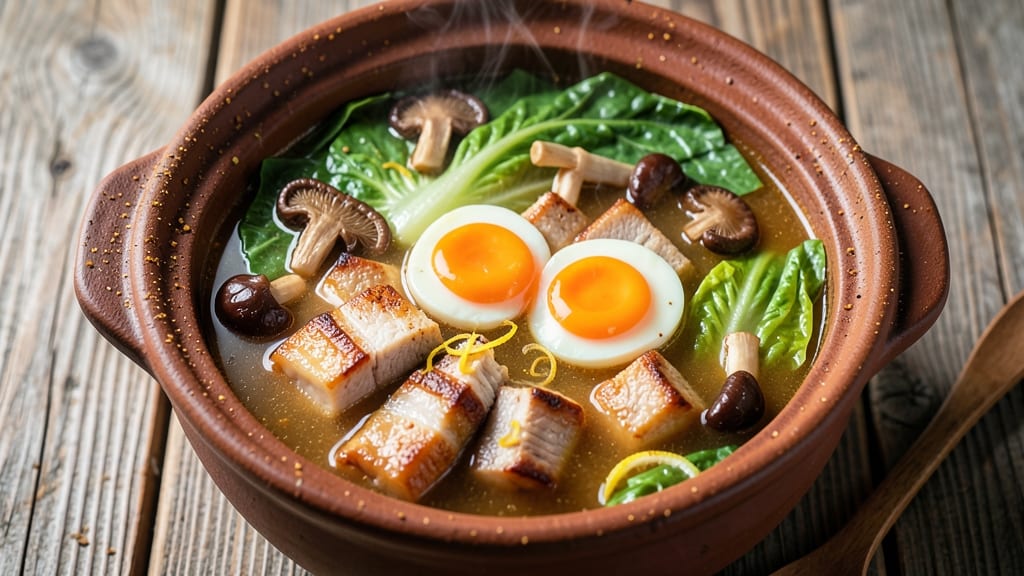
Ba Wong Fa soup brings the comforting essence of Chinese home cooking to your table with its aromatic five-spice broth and delicate egg ribbons. This traditional recipe transforms simple ingredients into a deeply flavorful dish that balances rich pork, silky egg strands, and tender vegetables in a fragrant broth. The secret lies in slow-braising the meat and simmering the spices until their flavors meld perfectly.
What sets this soup apart is the harmony of textures—chewy noodles, tender pork, and delicate egg ribbons—all bathed in a broth infused with star anise, cinnamon, and soy sauce.
The five-spice blend creates a warm, slightly sweet aroma that fills your kitchen, while the egg ribbons add a luxurious touch without overpowering the dish. This recipe delivers restaurant-quality results with a home-cooked feel.
Perfect for family dinners or special occasions, Ba Wong Fa soup is both hearty and comforting. The braised pork adds depth, while the vegetables provide freshness, creating a balanced meal that's easy to prepare yet impressive to serve.
The slow simmering process ensures every spoonful is packed with flavor, making it a dish worth the time investment.
Whether you're serving it to guests or treating yourself, this soup captures the essence of traditional Chinese comfort food. The combination of tender meat, silky egg ribbons, and fragrant broth creates a memorable dining experience that's both satisfying and elegant. Let's get started on this timeless recipe.
Ingredients for ba wong fa soup
Fragrant spices and tender proteins create this restaurant-quality Chinese comfort soup.
| Ingredient | Amount | Notes |
|---|---|---|
| Pork Shoulder 🥩 | 1 ½ lb | Cut into 1-inch cubes for even cooking |
| Large Eggs 🥚 | 8 whole | Fresh, room temperature for ribbons |
| Chinese Cabbage 🥬 | 1 whole | Bok choy or napa cabbage preferred |
| Dried Shiitake Mushrooms 🍄 | 4 whole | Rehydrated in hot water for 20 minutes |
| Dried Wood Ear Mushrooms 🍄 | ½ oz | Rehydrated in warm water for 30 minutes |
| Five-Spice Powder 🌶️ | 1 ½ tbsp | Authentic blend for authentic flavor |
| Star Anise 🌟 | 2 whole | Whole pods for deep aroma infusion |
| Cinnamon Sticks 🌿 | 2 whole | 2-inch pieces for rich flavor |
| Light Soy Sauce 🥄 | ½ cup | High-quality brand for balanced flavor |
| Dark Soy Sauce 🥄 | 1 tbsp | For color depth and richness |
| Shaoxing Wine 🍷 | ½ cup | Dry Chinese cooking wine preferred |
| Dried Tangerine Peel 🍊 | 1 tbsp | Sliced thin for subtle citrus aroma |
| Dried Red Dates 🍇 | 4 whole | Pitted and soaked for natural sweetness |
| Dried Longevity Noodles 🍜 | 8 oz | Rehydrated according to package |
| Sesame Oil 🫒 | 1 tbsp | Toasted for finishing aroma |
The pork shoulder is the heart of this dish—look for well-marbled cuts from the butcher section at Whole Foods or your local Asian market. If using frozen, thaw overnight in the fridge. The five-spice powder should be authentic, not the supermarket blend—brands like Fookien or Lee Kum Kee deliver the right balance. For the mushrooms, dried shiitake and wood ears are essential for that deep umami flavor. Soak them separately to control texture—shiitake rehydrate faster. The cabbage should be crisp with vibrant green leaves; bok choy or napa both work perfectly.
No five-spice powder? Combine 1 tsp cinnamon, 1 tsp fennel seeds, 1 tsp cloves, 1 tsp star anise, and 0.5 tsp black pepper for a substitute. Running short on Shaoxing wine? Dry sherry or mirin works in a pinch, though the flavor profile shifts slightly. The dried dates and tangerine peel can be found in the Asian foods aisle at most supermarkets—look for packages labeled 'for cooking.' For the egg ribbons, fresh eggs at room temperature are crucial; cold eggs won't ribbon properly. If you prefer a vegetarian version, substitute the pork with mushroom stems or tofu, though the texture will differ.
Store the braised pork and broth separately in airtight containers for up to 5 days in the fridge. The egg ribbons should be made fresh or stored in a sealed container with a damp paper towel for 2 days. Reheat gently on low—never boil the broth after adding eggs to prevent curdling. The noodles can be cooked separately and added just before serving. For a 3-month freezer option, freeze the broth and pork in individual portions—just thaw overnight before reheating.
Why You'll Love This Recipe
- Pantry-Friendly Start: I swear by this soup because it begins with ingredients I already have—dried shiitake and wood ear mushrooms—soaking while I chop. No last-minute grocery runs, just pull-and-go flavor.
- Umami Bomb Combo: That pork shoulder, simmered until tender, paired with the mushrooms and eggs creates a depth that’s hard to beat. The wood ears add a satisfying chew, while the cabbage keeps it fresh—every spoonful is a balance of rich and bright.
- Leftover Goldmine: This soup actually tastes better the next day, which means I make a big batch on Sundays. The pork stays juicy, the broth deepens, and I’ve got lunch covered for half the week without extra effort.
- Budget Meal for All: Pork shoulder is affordable, cabbage stretches far, and dried mushrooms add luxury without breaking the bank. It’s the kind of dish where I can feed my whole family—or guests—without stressing over cost.
Step-by-step instructions for Ba Wong Fa soup
Master this Cantonese classic with aromatic five-spice broth and delicate egg ribbons.
Prepare the Aromatic Broth Base
In a large pot, combine the 1.5 lb pork shoulder cut into 1-inch cubes with 8 cups water. Add the 2 whole star anise, 2 whole cinnamon sticks, and 1.5 tbsp five-spice powder. Bring to a boil over high heat, then immediately reduce to medium-low and simmer uncovered for 45 minutes to develop the aromatic base.
The pork should release its natural collagen into the broth, creating a rich foundation. Skim any foam that rises to the surface during the first 10 minutes of simmering—this ensures a clear, clean broth. The spices should infuse deeply, filling your kitchen with warm, earthy aromas. Don't rush this step; proper spice infusion is what makes Ba Wong Fa truly special.
Add Rehydrated Mushrooms and Vegetables
While the broth simmers, prepare the 4 whole dried shiitake mushrooms and 0.5 oz dried wood ear mushrooms by soaking them separately in hot water for 20 minutes and 30 minutes respectively. Drain and slice the shiitake mushrooms, then tear the wood ear mushrooms into bite-sized pieces.
Add the rehydrated mushrooms to the pot along with the 1 whole Chinese cabbage (cut into 2-inch pieces), 4 whole dried red dates (pitted and soaked), and 1 tbsp dried tangerine peel. Simmer for another 30 minutes until the pork is tender and the cabbage is just beginning to soften. The broth should now have a deep, complex aroma with layers of spice, mushroom umami, and subtle citrus notes from the tangerine peel.
Build the Five-Spice Flavor Profile
Increase heat to medium-high and add the 0.5 cup Shaoxing wine, 0.5 cup light soy sauce, and 1 tbsp dark soy sauce. Stir well and let the mixture simmer for 5 minutes to allow the flavors to meld. The dark soy sauce will give the broth its signature rich color while balancing the saltiness of the light soy sauce.
Taste the broth and adjust seasoning if needed. You want a harmonious balance of sweetness from the dates, saltiness from the soy sauces, and warmth from the five-spice blend. The pork should be fork-tender at this stage, falling apart easily when pierced. If any spices remain whole, remove them now to prevent bitterness in the final dish.
Create the Signature Egg Ribbons
In a separate bowl, whisk the 8 whole large eggs until the yolks and whites are fully combined. Slowly drizzle the whisked eggs into the simmering broth while stirring continuously with a long spoon. The gentle heat will transform the eggs into delicate, silky ribbons that float throughout the soup.
Cook for exactly 2-3 minutes after adding the eggs—this is critical for achieving the perfect texture. The ribbons should be set but still tender, not scrambled. If you notice any curdling, immediately remove the pot from heat and stir gently until smooth. The eggs should blend seamlessly with the broth, creating a luxurious texture that's the hallmark of Ba Wong Fa.
Finish and Serve
Add the 8 oz dried longevity noodles (previously rehydrated according to package instructions) to the pot and simmer for another 2-3 minutes just to heat through. Remove from heat and stir in the 1 tbsp toasted sesame oil. This final touch adds a nutty aroma that complements all the other flavors.
Ladle the soup into bowls, making sure each serving contains an even distribution of pork, vegetables, egg ribbons, and noodles. The soup should be rich yet balanced, with each component visible and identifiable. Serve immediately while hot, as the textures and flavors are at their peak. The contrast between the tender pork, silky egg ribbons, and chewy noodles creates a truly satisfying dining experience that captures the essence of Cantonese comfort food.
Pro Tips For Making Ba Wong Fa Soup
- Parboil Pork First: The pork shoulder needs a quick 5-minute blanch in boiling water before braising—this collapses the fibers and keeps it tender. I learned this the hard way when my first attempt came out chewy; the extra step makes all the difference.
- Soak Mushrooms Separately: Wood ears and shiitakes absorb water differently—soak the wood ears first in warm water for 20 minutes, then rinse and set aside. Shiitakes only need 10 minutes in fresh water, or they’ll turn into mush. (Yes, I’ve ruined batches by skipping this.)
- Don’t Overcrowd the Pot: When simmering the pork, keep the liquid at a steady boil—if it’s too crowded, the pork will steam instead of sear. I now use two pots if needed, because nothing’s worse than gray, waterlogged meat.
- Poach Eggs Last: Add the eggs to the simmering broth just before serving, or they’ll turn rubbery from the long cook. A quick 3-minute poach in the hot soup keeps them silky—no need for fancy tools, just a slotted spoon.
Perfect pairings for this recipe
Broth Enhancers
Elevate your soup's depth with a splash of 1 tbsp fish sauce just before serving—it adds a subtle umami punch that complements the five-spice blend. For extra richness, stir in 1 tsp goji berries during the final 5 minutes of simmering; they infuse a delicate sweetness and vibrant color.
I also love adding 1 slice of ginger (peeled) when simmering the pork for an extra layer of warmth. 🌿
Noodle Alternatives
Swap the traditional longevity noodles for rice noodles if you prefer a lighter texture—they absorb the broth beautifully while maintaining a delicate bite. For a heartier option, try egg noodles (cooked al dente) that hold up well to the rich flavors.
I've also seen success with udon noodles, which add a satisfying chewiness without overpowering the dish.
Vegetable Additions
Boost nutrition and texture with 1 cup baby bok choy or shredded carrots—they add freshness that cuts through the richness. For a pop of color, stir in ½ cup sliced green onions just before serving.
I often add 1 cup bean sprouts during the final 2 minutes of cooking for a crisp contrast. These additions keep the dish vibrant and balanced. 🥬
Protein Swaps
For a vegetarian version, replace the pork with 1 lb extra-firm tofu (pressed and cubed) or mushroom stems (soaked and rehydrated). If you prefer seafood, try 1 lb shrimp (peeled and deveined) added during the final 5 minutes of cooking.
The key is maintaining the same cooking time to achieve tender results. I've had great success with both tofu and shrimp in this dish. 🦐
Garnish Ideas
Finish with 1 tsp toasted sesame seeds for added crunch and aroma. A drizzle of chili oil (about ½ tsp) adds a subtle heat that enhances the five-spice flavors.
For a fresh touch, sprinkle with cilantro leaves or thinly sliced scallions. These garnishes elevate the presentation and add layers of flavor. 🌶️
Beverage Pairings
Pair this soup with a light-bodied Chinese tea like jasmine green tea to complement the delicate flavors. For wine lovers, a dry Riesling offers crisp acidity that cuts through the richness.
I also enjoy a light lager beer (like Tsingtao) to balance the soup's depth. Each option enhances the dining experience without overpowering the dish. 🍷
Nutrition facts
Frequently asked questions
What makes the egg ribbons in Ba Wong Fa soup so special?
The silky egg ribbons are the star of this dish! They're made by whisking eggs and gently pouring them into simmering broth while stirring continuously. The key is using room-temperature fresh eggs and cooking them for just 2-3 minutes—this creates delicate, melt-in-your-mouth strands that float beautifully in the broth.
Can I substitute beef for pork in this recipe?
Yes, but with adjustments! Use 1.5 lb beef chuck instead of pork shoulder, and increase the simmering time to 1.5 hours for tender results. Beef has less natural fat, so add 1 tbsp cornstarch mixed with water to thicken the broth slightly. The flavor will be richer but slightly different from traditional pork versions.
How do I prevent the broth from becoming too salty?
Taste the broth after adding soy sauces and adjust gradually. If needed, add 1 cup water to dilute, or balance with 1 tsp sugar to enhance sweetness. For prevention, reduce soy sauce to 0.3 cup light soy sauce and 0.5 tbsp dark soy sauce if your ingredients are particularly salty. Always taste as you go!
What's the best way to reheat Ba Wong Fa soup?
Reheat only the broth and pork separately to 165°F on low heat, then combine with fresh egg ribbons and noodles just before serving. Never reheat the eggs directly in the broth—they'll curdle. For leftovers, store components separately in airtight containers for up to 5 days.
Where can I find authentic five-spice powder?
Look for Fookien or Lee Kum Kee brands in the Asian foods aisle of major supermarkets or specialty stores. If unavailable, make your own blend with 1 tsp cinnamon, 1 tsp fennel seeds, 1 tsp cloves, 1 tsp star anise, and 0.5 tsp black pepper. This DIY version works well in a pinch!