
Soups & Stews
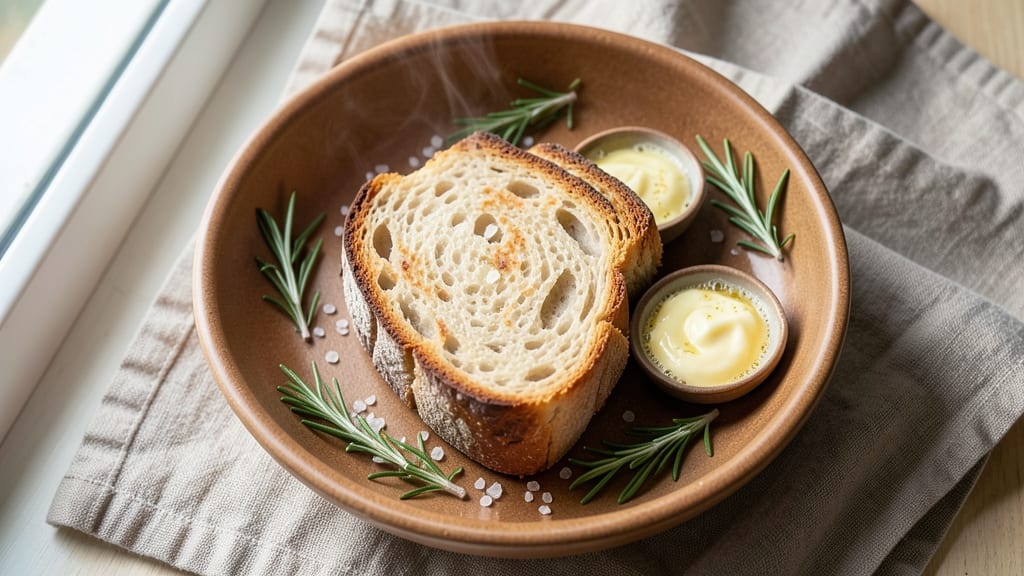
This bread for soup dipping recipe delivers the perfect balance of a crispy-golden crust and soft, pillowy interior—ideal for soaking up every last drop of broth.
The secret lies in a simple dough that transforms into a sturdy, flavorful base, then gets finished with a crispy edge that holds up beautifully to dipping. I’ve perfected this recipe to pair seamlessly with rich soups like tomato or chicken noodle, ensuring each bite is both satisfying and elegant.
The dough comes together in just 10 minutes with basic pantry staples, and baking it in a loaf pan creates that signature crusty exterior while keeping the inside tender.
A light brushing of olive oil before baking enhances the golden finish, while a herbed olive oil dip elevates every bite with bright, aromatic flavors. This isn’t just bread—it’s the star of your soup bowl, designed to turn a simple meal into a memorable experience.
What sets this recipe apart is its versatility—serve it warm alongside steaming bowls of soup, or let it cool slightly for a satisfying crunch. The herbed olive oil dip, made with fresh garlic and rosemary, adds a burst of flavor that complements both hearty and delicate broths.
Whether you’re hosting a dinner party or enjoying a cozy night in, this bread will be the highlight of your table.
Ready in under 45 minutes, this recipe is perfect for busy weeknights or special occasions. The dough requires no kneading, and the baking process is hands-off, making it foolproof for home cooks of all skill levels. Once you try this bread, you’ll never reach for store-bought again—it’s that good.
Ingredients for bread for soup dipping
Pantry basics plus a few fresh touches—this dough comes together faster than you can say 'crusty crust'.
| Ingredient | Amount | Notes |
|---|---|---|
| All-Purpose Flour 🌾 | 3 cups | Spooned and leveled for accuracy |
| Active Dry Yeast 🍞 | ¼ tsp | Or 1 packet instant yeast |
| Granulated Sugar 🍚 | 1 tbsp | For yeast activation |
| Warm Water 💧 | ¾ cup | 110°F for optimal yeast |
| Unsalted Butter 🧈 | ½ cup | Cold, cubed for dough |
| Large Egg 🥚 | 1 whole | Room temperature preferred |
| Salt 🧂 | 1 tsp | Diamond Crystal preferred |
| Extra-Virgin Olive Oil 🫒 | ¼ cup | Plus extra for brushing |
| Garlic Cloves 🧄 | 3 cloves | Minced for herbed dip |
| Fresh Rosemary 🌿 | ¼ cup | Finely chopped for dip |
| Loaf Pan 🍞 | 1 whole | 9x5-inch size recommended |
The yeast is your secret weapon here. Bob's Red Mill or King Arthur brands are reliable, but any active dry yeast works—just make sure it's fresh (if it smells funky, toss it). For the butter, Land O'Lakes unsalted is my go-to, but any cold, cubed butter works. The key is keeping those cubes intact until they melt into the dough. Fresh rosemary makes all the difference in the dip, but if you're in a pinch, dried rosemary at half the amount gets you close. Just don't skip it—this isn't just bread, it's the star of your soup bowl.
No instant yeast? Active dry yeast needs 5 minutes to proof in warm water—just sprinkle it on top before stirring. Short on rosemary? Fresh thyme or parsley works beautifully in the dip. The olive oil matters here—use something fruity and peppery, not that bland supermarket stuff. California Olive Ranch or Colavita are my favorites, but any extra-virgin will do. For the loaf pan, if you don't have one, a 9x5-inch baking dish works too—just brush the sides with oil to prevent sticking. And trust me, the crust is worth the extra minute of brushing with olive oil before baking.
This dough keeps for 2 days in the fridge, covered—perfect for shaping whenever you're ready. The baked bread stays fresh for 3 days wrapped in a clean kitchen towel. For the herbed dip, mix it up right before serving so the garlic stays fresh. The bread reheats beautifully—just pop slices in a 350°F oven for 5 minutes to revive that crispy crust. Freeze the whole loaf for up to 3 months—slice and toast straight from frozen for a quick snack.
Why You'll Love This Recipe
- No-Yeast Nightmare: That’s right—just flour, sugar, warm water, and yeast. No fancy ratios, no waiting for dough to rise overnight. I mix it, let it sit for 30 minutes, then bake while I toss a salad or boil pasta. Honestly, the only thing simpler is toast.
- Buttery Soup Hug: The secret’s in that cube of cold butter folded into the dough—it melts into every bite, turning every dip into a rich, golden hug for your broth. No fancy herbs or spices needed; this bread tastes like comfort wrapped in a crust.
- Weeknight Workhorse: I keep a batch frozen in the freezer, ready to pop into the oven when soup’s simmering. Perfect for date nights (impresses without effort), lazy Sundays, or when your kid’s soccer team wins and you’re celebrating with tomato soup. Between us, it’s my go-to for any occasion that involves a bowl.
- Pantry Magic: Five ingredients, all staples. No specialty items, no last-minute grocery runs. The yeast? A pinch. The sugar? A teaspoon. The butter? Whatever’s in your fridge. I’ve made this with store-bought flour and still called it a win—because sometimes, that’s all you’ve got.
Step-by-step instructions for crispy-golden crust bread
Here's how to make perfectly crispy bread that's ideal for dipping in soups.
Activate the Yeast for Perfect Rise
In a small bowl, combine the 0.75 cup warm water (around 110°F) with the 1 tbsp granulated sugar and 0.25 tsp active dry yeast. Let it sit for 5-10 minutes until it becomes foamy and bubbly—this tells you the yeast is alive and ready to work. If it doesn't bubble, your yeast might be expired, and you'll need to start over.
I always test the water temperature first with my finger—it should feel warm but not hot. Too hot water kills yeast, and too cold water prevents activation. Once it's foamy, you're ready to move to the next step without delay, as yeast works best when fresh.
Mix the Dough Until Smooth and Elastic
In a large mixing bowl, combine the 3 cups all-purpose flour and 1 tsp salt. Make a well in the center and pour in the yeast mixture, 1 whole large egg, and 0.5 cup cold unsalted butter (cut into small cubes). Using a wooden spoon or your hands, mix until a shaggy dough forms.
Transfer the dough to a clean surface and knead for 8-10 minutes until smooth and elastic. You'll know it's ready when it springs back slowly when poked. If the dough feels too sticky, add 1 tablespoon of flour at a time until it's just right. Kneading develops gluten, which gives your bread that perfect structure for crispy crusts.
Let the Dough Rise Until Doubled in Size
Lightly grease a large bowl with 0.25 cup extra-virgin olive oil and place the dough inside. Cover with a damp kitchen towel and let it rise in a warm place for 1-2 hours until it has doubled in size. A good test is to gently press your finger into the dough—if it leaves a slight indentation that doesn't spring back immediately, it's ready.
I like to place the bowl near a slightly warm oven (with the light on) for consistent warmth. Avoid cold drafts, as they slow down the rising process. Once the dough has puffed up beautifully, it's time to shape it for baking.
Shape and Bake for a Crispy-Golden Crust
Punch down the risen dough to release air, then shape it into a loaf and place it in a greased 9x5-inch loaf pan. Brush the top generously with extra olive oil and sprinkle with a pinch of salt for extra flavor. Let it rest for 15 minutes while you preheat your oven to 375°F.
Bake for 30-35 minutes until the top is deep golden brown and the internal temperature reaches 190°F. Tap the bottom of the loaf—it should sound hollow. For extra crispiness, I like to broil for 1-2 minutes at the end, watching carefully to avoid burning.
Prepare the Herbed Olive Oil Dip
While the bread is still warm, combine the 0.25 cup extra-virgin olive oil, 3 minced garlic cloves, and 0.25 cup finely chopped fresh rosemary in a small bowl. Mix well and let it sit for 10 minutes to infuse the flavors. This dip adds a burst of Mediterranean flavor that pairs perfectly with warm soup.
Slice the bread into thick pieces and serve immediately with the herbed olive oil dip for dipping. The contrast of the crispy crust with the warm, herby oil makes every bite irresistible. Store any leftovers in an airtight container for up to 3 days, but it's best enjoyed fresh!
Pro Tips For Making Bread For Soup Dipping
- MEASURE WATER AT 110°F: I learned this the hard way—yeast is picky about temperature. Too hot and it dies; too cold and it won’t activate. Use an instant-read thermometer or test the water with your wrist: if it feels warm but not hot, you’re good. No thermometer? Microwave a cup of water for 45 seconds, then let it sit for 2 minutes.
- KNEAD JUST UNTIL SMOOTH: Overworking the dough makes it tough and chewy—exactly what you don’t want for soup dipping. Aim for about 5-7 minutes by hand (or 3-4 minutes in a stand mixer with a dough hook) until the surface is smooth and slightly tacky. If it sticks to your fingers, it’s ready.
- LET THE DOUGH RISE TWICE: Skipping the second rise is how you end up with dense, flavorless bread. After the first rise (about 1-1.5 hours), punch it down, shape it into a round loaf, and let it rise again for another 30-45 minutes. This step develops gluten and lightens the texture—critical for that perfect pillowy bite.
- USE COLD BUTTER FOR LAYERS: Cut that unsalted butter into small cubes and fold them into the dough after the first rise. Cold butter creates flaky, melt-in-your-mouth layers when baked, while room-temperature butter just blends in. If your dough feels too sticky, chill it for 15 minutes before shaping.
Best sauces and condiments for this bread for soup dipping
Classic Garlic-Herb Dip
This herbed olive oil dip is the perfect companion to your crispy bread, transforming simple dipping into a flavor experience. I use California Olive Ranch extra-virgin olive oil for its rich, peppery notes that stand up to warm soup broths.
Combine 3 minced garlic cloves and ¼ cup finely chopped fresh rosemary with the oil, then let it infuse for 10 minutes—this allows the garlic to soften and release its aromatic oils. 🌿
For an extra kick, add ½ tsp red pepper flakes or 1 tsp fresh thyme to the mix. The dip works equally well with warm or room-temperature bread, so prepare it just before serving.
Trust me, the first time you dip this bread into warm tomato soup with this herbed oil, you’ll never go back to plain butter again.
Creamy Cheese Spread
For a richer option, whip together ½ cup softened cream cheese with 2 tbsp sour cream, 1 tbsp minced chives, and ½ tsp lemon zest. This cool, tangy spread contrasts beautifully with the warm, crusty bread.
I like to add a pinch of smoked paprika for depth—it pairs wonderfully with hearty soups like chicken noodle or beef stew. 🧀
Spread this mixture on freshly sliced bread before serving, or offer small bowls of it as a dipping station. The creaminess balances the bread’s crispy texture while adding a luxurious touch.
Store any leftovers in an airtight container for up to 3 days—it’s just as good the next day if you can resist eating it all at once.
Spicy Aioli Twist
Elevate your dipping game with a garlic-aioli blend that adds a creamy, spicy dimension. Mix ¼ cup mayonnaise with 1 tbsp Dijon mustard, 1 minced garlic clove, and ½ tsp cayenne pepper.
Thin with a splash of warm water if needed for a smoother consistency. This dip is ideal for tomato-based soups or spicy chili, as the coolness cuts through the heat. 🌶️
For a lighter version, replace the mayo with Greek yogurt—it adds a tangy brightness that works well with creamy soups like potato leek. Serve this dip chilled, and don’t be shy with the cayenne if you love heat.
It’s a crowd-pleaser, especially when paired with the bread’s crispy crust and soft interior.
Buttery Parmesan Oil
Infuse ½ cup olive oil with ¼ cup freshly grated Parmesan cheese and 1 tsp minced garlic for a savory, umami-rich dip. Heat the oil gently in a small saucepan until the Parmesan melts completely, then strain out the solids.
This golden, cheesy oil is perfect for dipping into brothy soups or minestrone. The Parmesan adds a salty, nutty depth that complements the bread’s crust beautifully. 🧀
For extra richness, stir in ½ tsp black pepper and a pinch of nutmeg before serving. This dip keeps well in the fridge for 5 days, making it a great make-ahead option.
Drizzle a little over the bread before dipping, or serve it in a small bowl for guests to add as much (or as little) as they like.
Nutrition facts
Frequently asked questions
Can I make this bread without a loaf pan?
Use a 9x5-inch baking dish instead—just brush it with olive oil to prevent sticking. For a rustic look, shape the dough into a free-form round and bake on a parchment-lined sheet. The crust may be slightly less uniform, but it’ll still be delicious for dipping.
How do I store leftover bread to keep it crispy?
Wrap cooled bread tightly in a clean kitchen towel and store at room temperature for 2 days. For longer storage, slice and freeze—reheat individual slices in a 350°F oven for 5 minutes to restore crispiness. Avoid plastic bags, as they trap moisture and make the bread soggy.
What soups pair best with this bread?
This bread shines with tomato-based soups, chicken noodle, or creamy potato leek. The crispy crust soaks up broth beautifully while the herbed dip complements hearty flavors. For extra contrast, try it with spicy chili or minestrone—the cool dip cuts through the heat.
Can I make the dough ahead of time?
Yes! Shape the dough and refrigerate it for up to 2 days before baking. Let it rise at room temperature for 1 extra hour before baking. For longer storage, freeze the shaped dough (unrisen) for up to 1 month)—thaw overnight in the fridge before rising and baking.
Why did my bread turn out dense instead of crispy?
Over-kneading or underproofing are common culprits. Knead just until the dough is smooth (8-10 minutes), and let it rise until doubled (1-2 hours). Also ensure your oven is fully preheated—cold spots prevent proper browning. For extra crispiness, brush with olive oil twice before baking.