
Soups & Stews
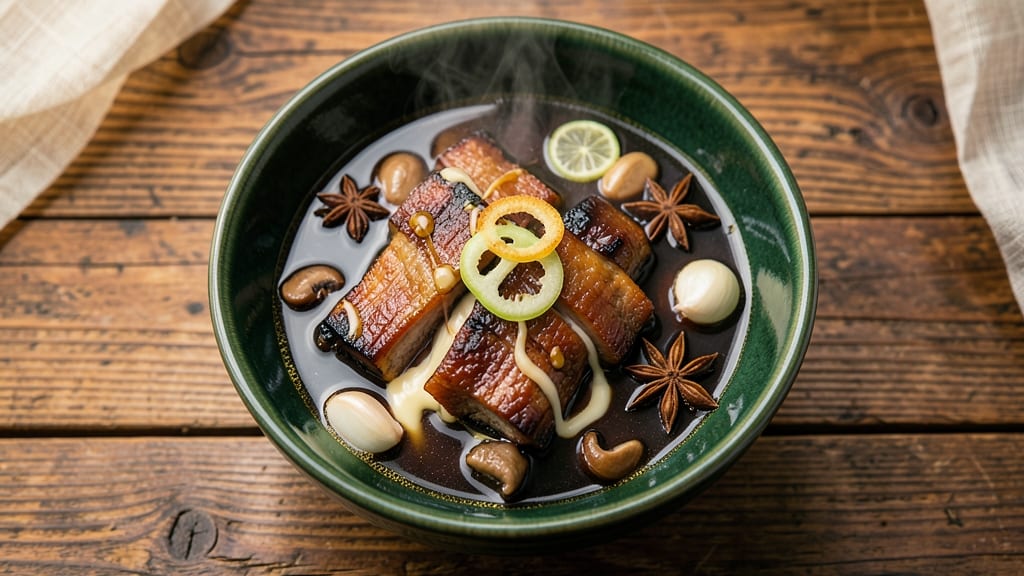
Din Tai Fung’s braised beef soup recipe delivers tender beef ribbons in a rich, umami-packed broth that’s become legendary. This recipe unlocks the restaurant’s signature technique—slow-braising beef with bone marrow, ginger, and star anise to create depth that lingers long after the last spoonful.
The key lies in patience: letting the beef transform into melt-in-your-mouth strips while the broth develops layers of savory complexity.
The process begins with searing beef ribs to lock in flavor, then simmering them for hours in a fragrant broth infused with aromatic spices. Every element—from the bone marrow’s richness to the ginger’s bright snap—works together to build a soup that’s both comforting and refined.
This isn’t just a recipe; it’s a lesson in balancing textures and flavors to achieve restaurant-quality results at home.
By the time you’re done, you’ll have silky beef that falls apart at the touch, a glossy broth that coats every spoonful, and a dish that feels like a hug in a bowl.
The secret? Low-and-slow cooking paired with precise seasoning—no shortcuts, just deep flavor. Serve it piping hot with steamed rice to soak up every last drop of that umami-packed liquid gold.
Perfect for special occasions or cozy weeknights, this soup proves that homemade can rival the best restaurant versions. The technique is straightforward, but the reward—beef so tender it nearly dissolves—is what makes it unforgettable. Let’s get started on recreating this iconic dish.
Ingredients for braised beef soup din tai fung
Sixteen ingredients transform into Din Tai Fung’s legendary melt-in-your-mouth beef soup experience.
| Ingredient | Amount | Notes |
|---|---|---|
| Beef Ribs 🥩 | 3 lb | Bone-in, cut into 2-inch pieces |
| Beef Bone Marrow 🦴 | 1 cup | Freshly extracted from marrow bones |
| Fresh Ginger Root 🧄 | 4 cloves | Peeled, cut into 1-inch slices |
| Star Anise Pods 🌶️ | 4 whole | Whole, lightly crushed |
| Dried Shiitake Mushrooms 🍄 | 6 whole | Rehydrated in hot water |
| Garlic Cloves 🧄 | 8 cloves | Peeled, smashed |
| Dried Goji Berries 🍇 | ½ cup | Rinsed and drained |
| Dried Red Dates 🍈 | 6 whole | Pitted and halved |
| Light Soy Sauce 🍶 | ½ cup | Kikkoman preferred |
| Shaoxing Wine 🍷 | ½ cup | Substitute with dry sherry |
| Sesame Oil 🌰 | 1 tbsp | Toasted, for finishing |
| Green Onions 🧅 | 4 whole | White and green parts separated |
| Vegetable Oil 🫒 | ½ cup | High smoke point |
| Kosher Salt 🧂 | 1 ½ tsp | Diamond Crystal preferred |
| Ground White Pepper 🌶️ | ½ tsp | Freshly ground |
The beef ribs are non-negotiable—bone-in cuts deliver the deepest flavor and collagen for that signature silky texture. Costco or specialty Asian markets carry the best cuts, often labeled as 'beef rib chuck.' Look for marbling and avoid pre-cut pieces with exposed flesh. Bone marrow is the secret weapon here: freshly extracted marrow bones from butcher shops or the meat section at Whole Foods elevate the broth's richness. For the ginger, organic, knobby roots (not the pre-packaged slices) ensure maximum potency. Store the whole root in the fridge—it keeps for weeks.
No bone marrow? Substitute with 2 tbsp unsalted butter, though it won't replicate the depth. Shaoxing wine unavailable? Dry sherry or even a bold red wine works, but reduce to 0.25 cup to avoid overpowering. The dried shiitakes must be rehydrated—never use canned mushrooms, as they alter the broth's texture. For the goji berries and dates, rinsing removes dust but don't soak—just drain. The green onions should be separated: white parts cook in the broth, green tops finish as garnish. Pre-crushed star anise? Lightly crush whole pods to release oils without bitterness.
This soup rewards patience—4-5 days in the fridge, where flavors deepen like fine wine. For longer storage, freeze portions in airtight containers for up to 3 months. The broth thickens as it cools; add 1 cup hot water when reheating for optimal consistency. Garnish with sesame oil and green onions just before serving—never add oil to hot soup, as it can scald. Double the recipe and freeze half; you'll thank yourself when cravings strike.
Why You'll Love This Recipe
- One-Pot Magic: I swear by this recipe when I’m too tired to dirty multiple pans. The ribs and marrow simmer together—no flipping, no fuss—while the shiitakes rehydrate right in the broth. Honestly, the only chopping is the ginger, and even that’s minimal.
- Deep Umami Bomb: That bone marrow? It melts into the broth like liquid gold, while the star anise and ginger root build layers of warmth you can’t get anywhere else. The shiitakes add this earthy richness that makes every spoonful feel like a hug in soup form.
- Weeknight to Weekend: Between us, this is the dish I make when my in-laws visit and when I’m eating alone on a Tuesday. The leftovers taste even better the next day—richer, deeper—so I always double the batch. (Yes, even on a Tuesday night.)
- Budget-Friendly Luxury: Beef ribs and marrow might sound fancy, but they stretch into four or five meals without breaking the bank. The star anise and dried mushrooms last forever, and the ginger? You’ll use it up before it goes bad. It’s comfort food that doesn’t guilt-trip me.
Step-by-step instructions for braised beef soup with deep umami broth
Mastering this technique transforms tough beef into silken ribbons while developing layers of complex flavor.
Prepare the Beef and Aromatics for Maximum Flavor Extraction
Begin by cutting the 3 lb beef ribs into 2-inch pieces, ensuring you keep the bone-in for added depth of flavor. Pat them thoroughly with paper towels to remove any surface moisture - this ensures a proper sear rather than steaming. In a separate bowl, combine the 1 cup beef bone marrow with the 4 cloves fresh ginger root (peeled and sliced), 4 whole star anise pods (lightly crushed), 6 whole dried shiitake mushrooms (rehydrated in hot water), 8 cloves garlic (peeled and smashed), 0.5 cup dried goji berries (rinsed), and 6 whole dried red dates (pitted and halved). This aromatic bundle will infuse the broth with its signature complexity.
For the dried shiitake mushrooms, soak them in hot water for 20 minutes until pliable, then drain while reserving 1 cup of the soaking liquid. This mushroom broth contains concentrated umami compounds that form the foundation of your soup's depth. The combination of bone marrow and star anise creates a rich, almost caramel-like base that develops during the long braising process.
Develop the Umami Base Through Layered Cooking Techniques
Heat 0.5 cup vegetable oil in a heavy-bottomed pot over medium-high heat until shimmering. Working in batches, sear the beef ribs until deeply browned on all sides - this should take about 8-10 minutes total. The color transformation signals the Maillard reaction, which creates hundreds of flavor compounds. Remove the beef and set aside, reserving any rendered fat in the pot.
In the same pot, add the prepared aromatic bundle and cook for 2 minutes until fragrant. This step awakens the essential oils in the ginger, garlic, and star anise. Pour in the 0.5 cup Shaoxing wine and 0.5 cup light soy sauce, scraping up any browned bits from the bottom - these contain concentrated beef flavor. Add 8 cups water (or enough to cover the beef by 2 inches) and bring to a gentle simmer. The wine and soy sauce combination creates the perfect balance of sweet, salty, and umami that characterizes this soup.
Braise the Beef Until Fork-Tender Through Controlled Heat
Return the seared beef to the pot, along with the reserved mushroom soaking liquid. Add 1.5 tsp kosher salt and 0.5 tsp ground white pepper, then reduce heat to maintain a gentle simmer - you should see just a few small bubbles breaking the surface. This low-and-slow approach is critical; it allows collagen to break down into gelatin, transforming tough beef into tender ribbons. Cover the pot and cook for 2.5 to 3 hours, checking periodically to ensure the liquid level hasn't reduced too much.
After 2 hours, check for doneness by piercing a beef piece with a fork - it should slide in with minimal resistance. If needed, continue cooking for another 30 minutes. The broth should have reduced slightly, intensifying its flavor. This braising time creates the perfect texture contrast between the silken beef and the rich, velvety broth. The star anise and goji berries will have infused their unique flavors without becoming bitter.
Finish with Aromatic Touches for Brightness and Depth
Once the beef is tender, carefully remove the aromatic bundle using a slotted spoon. Strain the broth through a fine-mesh sieve to remove any remaining solids, then return the broth to the pot. Increase heat to medium-high and bring to a gentle boil. Add the 1 tbsp toasted sesame oil and stir - this final touch adds nutty complexity and helps emulsify the broth for a silky texture. Taste and adjust seasoning, adding more soy sauce if needed for depth or a splash of water if the broth has reduced too much.
Just before serving, slice the beef into ¼-inch ribbons against the grain for maximum tenderness. Divide among bowls and ladle the hot broth over the top. Garnish with the separated green onions (white parts first, then green for color contrast). The contrast between the deep, savory broth and the bright green garnish creates a visually stunning presentation that enhances the dining experience.
Pro Tips For Making Braised Beef Soup Din Tai Fung
- Parboil Ribs First: Don’t skip this step—it’s the non-negotiable foundation. Simmer the beef ribs in water with a splash of vinegar for 15-20 minutes before braising. This softens connective tissue and prevents them from turning rubbery later. (Yes, even if you’re tempted to rush.)
- Toast Star Anise: Dry-toast the star anise pods in a hot pan for 30 seconds until fragrant. This unlocks their flavor and prevents bitterness in the broth. I learned this the hard way—skipping it makes the soup taste like medicine.
- Rehydrate Shiitakes Properly: Soak dried shiitake mushrooms in hot water for 20 minutes, then slice before adding to the pot. Cold water makes them tough, and slicing after rehydration keeps them from falling apart. (Your future self will thank you.)
- Control the Heat: Start with a rolling boil for 10 minutes to extract flavors, then reduce to a gentle simmer—no bubbles breaking the surface. Too much heat turns the broth cloudy and ruins the texture. (I know, I know—it’s tempting to crank the stove.)
Storing and reheating this dish
Refrigerator Storage
The rich, collagen-heavy broth of this braised beef soup thickens as it cools, so I recommend transferring it to an airtight container (I use glass Pyrex) within 2 hours of cooking.
Store for up to 4 days at 40°F or below—the flavors actually deepen overnight as the spices meld. The beef will hold its tenderness, though the broth may gel slightly when chilled. 💫
Freezer Preservation
For long-term storage, freeze portions in quart-sized freezer bags (leave 1 inch headspace for expansion). This soup freezes beautifully for up to 3 months—the broth remains velvety, and the beef stays fork-tender when reheated properly.
Label bags with the date to track freshness. Avoid ice crystals by pressing bags flat before freezing. ❄️
Stovetop Reheating
My preferred method is stovetop reheating, which preserves the soup’s silky texture. Transfer to a heavy-bottomed pot and heat over medium-low for 10-15 minutes, stirring occasionally. If the broth thickens too much, add ½ cup hot water to restore consistency.
Taste and adjust seasoning—it often needs a pinch of Kikkoman soy sauce after reheating. 🔥
Microwave Revival
For quick meals, reheat individual portions in microwave-safe bowls on 50% power for 3-4 minutes, stirring halfway. Cover with a damp paper towel to prevent drying.
If the broth separates, whisk in 1 tbsp toasted sesame oil to re-emulsify. Avoid overcooking—the beef can dry out if heated too aggressively. ✨
Broth Rescue Tips
If your broth has reduced too much after storage, revive it by adding ½ cup hot water and simmering for 5 minutes. For extra richness, stir in 1 tsp beef bone marrow or a pat of unsalted butter before serving.
The key is gentle heat—never boil, or the broth will break. 💡
Serving Freshness
Always garnish with sesame oil and green onions just before serving—these add brightness to the deep, umami flavors. For a restaurant-style finish, drizzle a few drops of toasted sesame oil directly onto the soup’s surface. The contrast between the warm broth and fresh garnishes elevates every spoonful. 🌿
Nutrition facts
Frequently asked questions
Why does Din Tai Fung’s braised beef soup use bone marrow?
The bone marrow adds an unmatched depth of richness to the broth, creating that signature velvety texture and umami complexity. Unlike butter, marrow infuses its fatty acids directly into the liquid during the long braising process, resulting in a broth that’s both luxurious and deeply flavorful.
Can I substitute beef ribs with another cut?
While beef ribs are ideal for their collagen content, you can use chuck roast or brisket cut into similar-sized pieces. Avoid lean cuts like sirloin—they won’t develop the same tender texture. If substituting, increase braising time by 30-45 minutes to ensure tenderness.
What’s the secret to getting beef as tender as Din Tai Fung’s?
The key is low-and-slow braising for 2.5-3 hours at a gentle simmer. This breaks down collagen into gelatin, transforming tough meat into melt-in-your-mouth ribbons. Never rush the process—patience is what creates that signature texture.
How do I prevent the broth from becoming too salty?
Start with the 1.5 tsp kosher salt and taste frequently during cooking. If needed, add 1 cup hot water to dilute the broth before adjusting seasoning. The soy sauce and Shaoxing wine already contribute significant saltiness, so err on the lighter side with the kosher salt.
Can I make this soup in a slow cooker?
Yes, but with adjustments: sear the beef first, then transfer everything to the slow cooker and cook on Low for 8 hours or High for 5 hours. The broth may be thinner, so reduce it on the stovetop afterward. The texture will be slightly different but still delicious.