
Soups & Stews
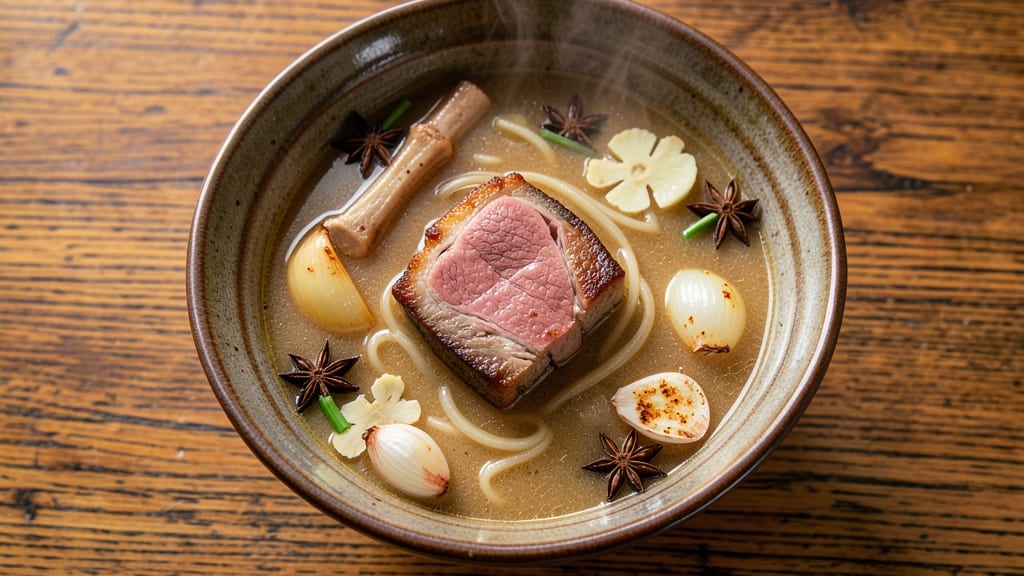
This Asian beef bone soup recipe transforms tough cuts into a velvety, umami-rich masterpiece that warms the soul. The secret lies in slow-simmering marrow bones for hours, extracting deep, savory flavors that turn ordinary broth into liquid gold.
I developed this method after years of perfecting the balance between tender beef and a broth so rich it deserves its own bowl.
The process begins with a proper bone preparation—roasting them first to enhance natural flavors before simmering. You'll use beef brisket or ribs for hearty texture, while aromatics like ginger, garlic, and star anky create layers of complexity.
What makes this recipe special is the foolproof technique that ensures the broth never becomes greasy, even with all that rendered fat.
By the end, you'll have a steaming bowl of soup where the beef practically melts in your mouth, swimming in a broth so flavorful it's worth sipping alone. The slow cooking transforms tough bones into a luxurious, restaurant-quality experience that's surprisingly simple to recreate at home.
Serve it with steamed rice and fresh herbs for the full cultural experience.
This recipe works beautifully for family dinners or special occasions, and the leftovers taste even better the next day. The key is patience—letting the broth develop its depth over time. Trust me, the wait is worth every minute of those rich, savory flavors.
Ingredients for asian beef bone soup
Six pounds of beef bones and brisket transform into velvety broth with just fifteen ingredients.
| Ingredient | Amount | Notes |
|---|---|---|
| Beef Marrow Bones 🦴 | 3 lb | Split for marrow access |
| Beef Brisket 🥩 | 2 lb | Cut into 2-inch chunks |
| Yellow Onions 🧅 | 2 whole | Cut into quarters |
| Fresh Ginger 🌿 | 2 tbsp | Grated, peeled |
| Garlic Cloves 🧄 | 8 cloves | Smashed, not minced |
| Star Anise Pods 🌟 | 4 whole | Lightly crushed |
| Cinnamon Sticks 🌿 | 2 whole | 2-inch lengths |
| Dried Bay Leaves 🍃 | 2 whole | Standard size |
| Rock Salt 🧂 | 2 tbsp | Kosher or sea salt |
| Soy Sauce 🍶 | ⅓ cup | Dark soy preferred |
| Sesame Oil 🫒 | 1 tbsp | Toasted sesame oil |
| Green Onions 🧅 | ¼ cup | Sliced for garnish |
| Cilantro Leaves 🌿 | ¼ cup | Chopped, optional |
| Jasmine Rice 🍚 | 2 cups | Uncooked, for serving |
The bones are the foundation—marrow bones from a butcher shop or Asian market give that signature richness. Look for bones with intact marrow cavities (Costco or H Mart often carry them). If you can't find marrow bones, beef knuckle bones work too. The brisket should have good marbling for flavor—ask your butcher to cut it into 2-inch chunks if buying whole. Fresh ginger and garlic need to be vibrant: ginger should snap when bent, garlic cloves should feel firm. Star anise and cinnamon sticks can be found in the spice aisle or Asian grocery's dried goods section—avoid pre-ground spices for maximum aroma.
No dark soy sauce? Regular soy sauce plus 1 tsp molasses mimics the depth. Substitute toasted sesame oil for regular if you prefer a nuttier flavor. The aromatics (star anise, cinnamon, bay leaves) can be reduced to 3 total if needed—just keep one of each. For a quicker version, use 1 lb beef chuck roast instead of brisket, but it won't be as tender. The green onions and cilantro are purely for garnish—skip if you prefer no herbs. For extra umami, add 1 tbsp fish sauce (though it's not traditional).
This soup tastes better with time—3-4 days in the fridge lets flavors meld perfectly. The broth freezes beautifully for up to 3 months (store without the beef). For reheating, warm gently on low heat or in a pot of simmering water. The rice should be cooked separately—1 cup uncooked jasmine rice makes about 3 cups cooked. Portion the broth into containers first if you plan to freeze, then add the beef later to avoid soggy meat. The bones can be saved, cleaned, and used again for a second batch.
Why You'll Love This Recipe
- One-Pot Magic: I swear by this—just toss the bones, brisket, and aromatics into a pot, add water, and let it simmer. No chopping, no fuss, just hands-off richness while you handle the rest of dinner. (Yes, even on a Tuesday night.)
- Umami Bomb: That marrow bone crackling open mid-simmer? Pure flavor gold. The brisket melts into the broth, while the ginger and garlic sear just enough to layer in warmth—deep, savory, and impossible to resist.
- Leftovers That Shine: The broth thickens beautifully overnight, so lunch the next day tastes even better. Freeze extras for sick days or lazy Sundays—just reheat, and you’ve got restaurant-quality soup without the effort.
- Budget-Friendly Feast: Brisket and marrow bones stretch this recipe into a full meal for half the cost of takeout. Use every bit—broth for rice, shredded meat for wraps, even the crispy bone shards for garnish. Minimal ingredients, maximum payoff.
Step-by-step instructions for Asian beef bone soup
Here's the method for creating a deeply flavorful broth with melt-in-your-mouth beef and aromatic spices.
Prepare the Bones and Aromatics
Split all 3 lb beef marrow bones lengthwise to expose the marrow, then rinse under cold water to remove any blood or impurities. This exposes the rich, gelatinous marrow that will thicken your broth beautifully. Place the bones in a large stockpot and add the 2 lb beef brisket cut into 2-inch chunks. Add the 2 whole yellow onions cut into quarters, 2 tbsp grated fresh ginger, and 8 smashed garlic cloves. The onions and ginger will form the aromatic base while the garlic adds depth.
Add the 4 lightly crushed star anise pods, 2 cinnamon sticks, and 2 dried bay leaves to the pot. These whole spices infuse flavor without needing to be removed later. The star anise and cinnamon will give your soup that signature Asian warmth, while the bay leaves add earthy complexity. Give everything a gentle stir to ensure the spices are submerged and won't stick to the bottom.
Simmer the Broth Low and Slow
Add 8 quarts of cold water to the pot, enough to completely submerge all ingredients. Bring to a boil over medium-high heat, then immediately reduce to a gentle simmer. The water should barely bubble with small, occasional rises—this is crucial for extracting collagen and marrow without clouding the broth. Skim off any foam or impurities that rise to the surface during the first 30 minutes of simmering using a fine-mesh skimmer or ladle.
Cover the pot and maintain this simmer for 4 hours. The broth should develop a deep amber color and a rich, meaty aroma. If the liquid level drops below the ingredients, add hot water as needed to keep everything submerged. The slow cooking breaks down connective tissue, creating a velvety texture that's the soul of this soup. Don't rush this step—patience is what transforms simple ingredients into something extraordinary.
Season and Finish the Broth
After 4 hours, remove the pot from heat and carefully strain the broth through a fine-mesh sieve into a clean stockpot, discarding the solids. Return the broth to the stove and stir in the 2 tbsp rock salt and ⅓ cup soy sauce. Bring to a gentle simmer for 10 minutes to allow the flavors to meld. The soy sauce will deepen the umami while balancing the richness of the beef and marrow. Taste and adjust seasoning—you want a broth that's deeply flavorful but not salty.
In a small bowl, whisk together the 1 tbsp sesame oil with 1 tsp sugar (if available) to create a finishing oil. This adds a nutty aroma and subtle sweetness that cuts through the richness. Just before serving, drizzle this mixture into the broth while stirring gently. The sesame oil should float on the surface, releasing its aroma when the soup is ladled into bowls.
Serve with Jasmine Rice and Garnishes
Cook the 2 cups jasmine rice according to package instructions until tender and fluffy. Divide the rice among 6 bowls, then ladle the hot broth over each serving. The rice should absorb the broth's flavors as you eat, creating the perfect balance of texture and liquid. Garnish each bowl with 2 tbsp sliced green onions and 1 tbsp chopped cilantro leaves for freshness and color. The green onions add a bright, slightly sharp contrast to the rich broth, while the cilantro brings a herbal note.
Serve immediately with additional sesame oil on the side for those who prefer it. The soup should be piping hot, with the beef brisket chunks tender enough to pull apart with chopsticks. Each spoonful should deliver layers of flavor—sweet marrow, savory beef, aromatic spices, and the umami depth from the long simmer. This is comfort food at its finest, where every ingredient plays a crucial role in creating something greater than the sum of its parts.
Pro Tips For Making Asian Beef Bone Soup
- BLANCH BONES FIRST: Toss your marrow bones in boiling water for 2-3 minutes before adding to the pot—this loosens dirt and impurities so they don’t cloud your broth later. I used to skip this, and my soup always tasted faintly off until I tried it.
- SEAR BRISKET IN BATCHES: Don’t overcrowd the pan when searing the brisket—work in 2-3 pieces at a time for a deep, caramelized crust. My first attempt with a packed pan left me with greasy, uneven sears and a less flavorful broth.
- CHAR THE GINGER: Lightly toast the ginger slices in a dry pan until fragrant and slightly blackened—this deepens their aroma without burning. Sounds weird, but it works: the soup gains a warm, almost spicy complexity that raw ginger can’t match.
- SKIP THE ONION PEELING: Leave the skins on whole yellow onions and add them to the pot with the bones—they’ll soften and infuse flavor without needing chopping. (Yes, even if you’re impatient like me.) The broth will be richer, and you’ll save 10 minutes of prep.
Wine and beer pairings for this asian beef bone soup
Light Beer Pairings
For this rich, umami-packed soup, I recommend a crisp, light Asian lager like Asahi Super Dry or Sapporo. The subtle hop bitterness cuts through the marrow's richness while complementing the soy sauce's depth.
A Japanese pilsner with its clean finish also works beautifully—just avoid overly malty beers that might overpower the delicate broth. 🍺
Rice Wine Pairings
Traditional pairings include dry Japanese sake (like Dassai Junmai) or mirin-infused rice wine. The subtle sweetness and acidity enhance the soup's savory notes without competing. For a non-alcoholic option, yuzu soda adds a bright citrus contrast that cleanses the palate between bites.
I often serve this with a chilled glass of Hakkaisan Junmai during winter gatherings.
Red Wine Options
A light-bodied Pinot Noir from China's Yangtze River Valley pairs surprisingly well, especially if it has subtle earthy notes. The wine's acidity balances the soup's richness while its fruitiness complements the beef.
Avoid heavy Cabernets—they'll overwhelm the delicate broth. For a bolder option, try a Gewürztraminer with its floral notes that echo the star anise in the soup. 🍷
Herbal Tea Balance
For non-drinkers, jasmine green tea or pu-erh tea makes excellent companions. The tea's floral notes harmonize with the soup's aromatic spices while providing a refreshing contrast. I like to serve hot pu-erh during colder months as it warms the body without adding calories.
A splash of yuzu juice in the tea enhances the pairing further.
Cocktail Pairings
For a festive touch, serve a gin-based lychee martini with its floral and fruity notes that mirror the soup's complexity. The gin's botanicals complement the star anise and cinnamon beautifully.
For something lighter, a sake highball with lemon and soda adds a refreshing contrast. I've found that guests often prefer these over wine when serving the soup at parties. 🍸
Nutrition facts
Frequently asked questions
Can I substitute beef marrow bones with other bones?
Yes, but expect slightly different results. Beef knuckle bones or beef short ribs work well—they'll still create a rich broth, though without the same gelatinous marrow texture. For maximum flavor, use a mix of marrow and knuckle bones. Avoid chicken or pork bones, as they'll produce a lighter, less umami-packed broth that won't match the depth of beef.
How do I prevent the broth from becoming greasy?
Skimming is your secret weapon! After boiling, skim off any foam or fat that rises to the surface during the first 30 minutes of simmering. For extra insurance, chill the broth overnight—fat solidifies and can be easily removed. If needed, use a fat separator or paper towels to absorb excess fat before reheating. The key is patience: never rush the simmering process.
Can I make this soup in an Instant Pot or pressure cooker?
but with adjustments for safety. Use the "High Pressure" setting for 90 minutes (instead of 4 hours) after bringing to pressure. Release pressure naturally, then strain and finish as directed. The broth will still be flavorful, though the texture will be slightly different—less gelatinous but still rich. For best results, add 1 extra cup of water to account for pressure cooking.
What's the best way to reheat leftovers?
Gently reheat on the stove over low heat or in a pot of simmering water to preserve texture. Never microwave—it makes the broth rubbery. For extra richness, add a splash of water or broth and a pinch of salt. If reheating from frozen, thaw overnight in the fridge first, then warm slowly. The beef should remain tender, and the broth will regain its velvety consistency.
How can I make this soup spicier?
Add heat gradually to avoid overpowering the broth. Start with 1 tsp gochugaru (Korean red pepper flakes)> during the final 10 minutes of simmering, then adjust to taste. For smoky depth, add 1 sliced Thai chili> or ½ tsp chili oil**> when serving. If using fresh chilies, remove seeds for less heat. Balance spice with a drizzle of sesame oil—it enhances heat while adding nutty complexity.