
Soups & Stews
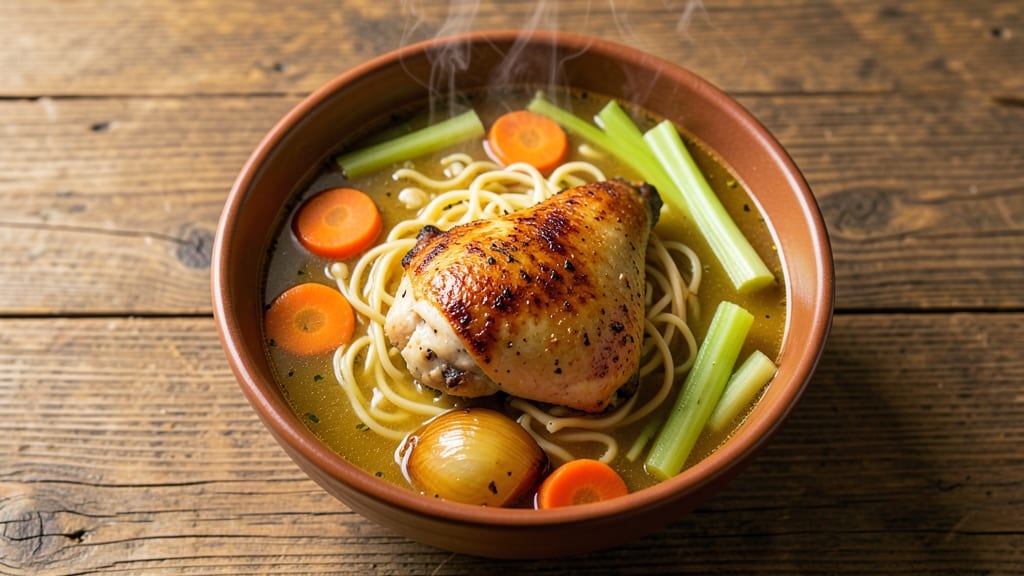
Betty Crocker's homemade chicken noodle soup recipe delivers the kind of soul-warming comfort that store-bought versions simply can't match. The secret lies in building rich, aromatic broth from scratch—simmering bone-in chicken with carrots, celery, and onions until the flavors meld into something deeply satisfying.
This isn't just soup; it's a foolproof method that transforms simple ingredients into a meal that feels like a hug in a bowl.
What sets this recipe apart is the attention to technique: browning the chicken first for depth, straining the broth for clarity, and using egg noodles that cook perfectly without turning mushy. The balance of herbs—thyme, bay leaf, and parsley—creates that classic, comforting flavor profile that makes this soup universally loved.
It's the kind of dish that gets better with time, as the flavors develop during the 1-hour simmer on the stove.
By the time you're ladling this soup into bowls, you'll notice the difference immediately: tender chicken that shreds easily, broth so flavorful it coats every noodle, and a texture that's just right—not too thick, not too thin.
The aroma alone will have everyone gathering around the table. This is the soup that becomes a family tradition, the one you'll make when someone's under the weather or when winter nights call for something hearty.
Ready to make it? The process is straightforward—no shortcuts, no compromises—just the kind of homemade cooking that makes all the difference. Whether you're serving it to a crowd or saving leftovers for lunch, this recipe delivers restaurant-quality results with just a few simple steps.
Let's get started on creating something truly comforting.
Ingredients for betty crocker homemade chicken noodle soup
Simple ingredients that transform into restaurant-quality chicken noodle soup—no shortcuts, just comfort.
| Ingredient | Amount | Notes |
|---|---|---|
| Bone-In Chicken Thighs 🍗 | 2 lb | Skin-on for richer flavor |
| Yellow Onion 🧅 | 1 whole | Medium size, diced |
| Carrots 🥕 | 4 medium | Peeled and cut into chunks |
| Celery Stalks 🧄 | 4 whole | Trimmed and chopped |
| Garlic Cloves 🧄 | 4 cloves | Freshly minced |
| Egg Noodles 🍜 | 2 cups | Uncooked, medium width |
| Fresh Thyme 🌿 | 1 tbsp | Leaves only, chopped |
| Dried Bay Leaves 🍃 | 2 whole | Standard size |
| Fresh Parsley 🌿 | ¼ cup | Chopped for garnish |
| Salt 🧂 | 1 ½ tsp | Kosher or sea salt |
| Black Peppercorns 🌶️ | ½ tsp | Freshly cracked |
| Extra-Virgin Olive Oil 🫒 | 2 tbsp | For browning chicken |
| Low-Sodium Chicken Broth 💧 | 6 cups | Homemade or high-quality |
The chicken is non-negotiable here—bone-in thighs give you that rich, gelatinous broth that separates homemade from store-bought. Look for thighs with good marbling at the grocery store's butcher counter, not the pre-packaged section. If you're feeling ambitious, Costco or Whole Foods often have excellent quality. The carrots and celery should be crisp—no rubbery stems. Fresh herbs matter too: grab thyme and parsley from the produce section, not the dried aisle. For the bay leaves, Penzeys or bulk bins are best, but the tiny packets from the spice aisle work in a pinch.
No fresh thyme? Dried works at half the amount, but trust me, fresh is better. Short on chicken broth? Water plus a bouillon cube gets you close, but add an extra pinch of salt. The egg noodles can be any width, but medium or wide hold up better in soup. For the carrots, baby carrots work if you're in a hurry, but whole carrots peeled and chopped give you more control over size. If you're making this ahead, freeze the broth separately—it keeps for months and you can thaw just what you need.
This soup tastes even better the next day as flavors meld. Store the broth and noodles separately in airtight containers for up to 5 days. The chicken shreds beautifully after simmering—portion it out for quick lunches. For freezing, portion into individual servings with a layer of broth to prevent drying. Reheat gently on the stove, stirring occasionally. The aroma alone will have everyone at the table before the first spoonful.
Why You'll Love This Recipe
- No-Chop Shortcuts: I swear by the "soup base" trick—just toss the whole onion, carrots, and celery into the pot with the chicken. The broth breaks them down into perfect, tender chunks without me having to dice. (I’ll take any excuse to skip prep work.)
- Thighs Rule Everything: That crispy skin on bone-in thighs? Chef’s kiss. The recipe lets them simmer until the meat falls off, leaving you with rich, gelatinous broth and flavor-packed bones. No bland chicken here—just deep, savory goodness.
- Leftovers That Beg for More: This soup tastes even better the next day, honestly. I make a double batch on Sundays and freeze portions—perfect for lazy days or when I’m too tired to cook. (My freezer’s full of them, and I’m not sorry.)
- Budget Meal for Crowds: Bone-in thighs stretch for miles, and the veggies are cheap staples. A single pot feeds my whole family, plus leftovers for days. It’s the kind of recipe that makes me feel like I’m feeding an army without breaking the bank.
Step-by-step instructions for Betty Crocker's homemade chicken noodle soup
This classic recipe delivers rich, comforting flavors with proper technique and patience.
Brown the Chicken Thighs for Maximum Flavor
Pat the 2 lb bone-in chicken thighs dry with paper towels—this ensures a proper sear. Heat 2 tablespoons of extra-virgin olive oil in a large Dutch oven over medium-high heat until shimmering. Working in batches if needed, add the chicken thighs skin-side down and cook undisturbed for 6-8 minutes until the skin is golden brown and crispy.
Flip the chicken and cook for another 5-6 minutes until the internal temperature reaches 165°F. Remove the chicken from the pot and set aside on a plate, leaving all the rendered fat and browned bits in the pot—these are packed with flavor. The skin should be deep golden brown, and the meat should pull away from the bone easily when tested with a fork.
Sauté the Aromatic Vegetables
In the same Dutch oven, reduce the heat to medium and add the diced 1 whole yellow onion, chopped 4 medium carrots, and chopped 4 whole celery stalks. Cook for 5-6 minutes, stirring occasionally, until the vegetables begin to soften and the onion becomes translucent. This step develops their natural sweetness and builds the soup's foundation.
Add the minced 4 cloves garlic and chopped 1 tbsp fresh thyme, cooking for another 30 seconds until fragrant. Stir in the 2 whole dried bay leaves and the 1.5 tsp salt and 0.5 tsp freshly cracked black peppercorns. The bay leaves will infuse subtle earthy notes, while the pepper adds a gentle warmth that balances the dish.
Simmer the Broth and Chicken
Pour in the 6 cups low-sodium chicken broth, scraping up any browned bits from the bottom of the pot with a wooden spoon. Return the chicken thighs to the pot, skin-side up, and bring the mixture to a gentle boil over high heat. Once boiling, reduce the heat to low and let it simmer uncovered for 25-30 minutes. This slow cook time ensures the chicken becomes fork-tender and infuses the broth with rich flavor.
After 25 minutes, carefully remove the chicken thighs and let them rest on a cutting board for 5 minutes. Once cooled slightly, use two forks to shred the meat into bite-sized pieces, discarding the bones and skin. Return the shredded chicken to the pot and stir to combine. The broth should now have a deep golden color and a rich, aromatic scent that fills your kitchen.
Cook the Egg Noodles to Perfection
Add the 2 cups uncooked egg noodles to the pot and stir gently to distribute them evenly. The noodles will begin to absorb the broth immediately, so don't overcrowd the pot. Bring the soup back to a gentle simmer and cook for 8-10 minutes, stirring occasionally, until the noodles are al dente—they should have a slight bite but be tender throughout.
Taste the soup and adjust the seasoning if needed. If it needs more salt, add it gradually, as the broth may have concentrated flavors. The soup should be well-seasoned but not overly salty. Remove the 2 whole dried bay leaves at this point, as they've done their job and can become bitter if left too long.
Finish and Serve with Fresh Herbs
Remove the pot from the heat and let the soup rest for 5 minutes. This resting period allows the flavors to meld and the noodles to finish cooking slightly in the residual heat. Stir in the chopped 0.25 cup fresh parsley just before serving to add a bright, fresh finish that cuts through the richness of the broth.
Ladle the soup into bowls and serve immediately. Each spoonful should deliver tender chicken, perfectly cooked noodles, and a broth rich with layered flavors. The soup's aroma should be comforting and inviting, with notes of thyme, bay leaf, and the natural sweetness of the vegetables. For extra warmth, serve with crusty bread or a sprinkle of freshly cracked black pepper.
Pro Tips For Making Betty Crocker Homemade Chicken Noodle Soup
- Brown the Thighs First: Skip the direct-to-pot shortcut—sear those bone-in thighs in a hot Dutch oven for 5-6 minutes per side until golden. The crust locks in flavor and prevents the broth from tasting like undercooked chicken. (Yes, even if you’re tempted to toss them in raw—trust me, it’s worth the extra 10 minutes.)
- Dice the Veggies Small: The Betty Crocker recipe probably says "chop," but aim for ¼-inch pieces for carrots and celery—smaller than you’d think. Larger chunks stay crunchy and undercooked; tiny bits melt into the broth, giving that classic homestyle texture. (I learned this after serving a bowl with a celery spear that could’ve been a toothpick.)
- Don’t Boil the Noodles Dry: Cook the egg noodles just until al dente (about 1 minute less than package time), then drain and rinse briefly under cold water. Tossing them into the hot soup later keeps them from turning mushy—no one wants a gluey bowl. (Pro move: Reserve ½ cup pasta water to thin the soup if needed.)
- Simmer Low and Slow: After adding broth and chicken, reduce heat to a gentle simmer—barely bubbles, like a lazy Sunday morning. High heat makes the broth cloudy and the chicken tough. (I used to rush it, and the soup always tasted rushed. Now I set a timer for 45 minutes and forget about it.)
Common mistakes when making great betty crocker homemade chicken noodle soup
Skipping the Sear
One of the biggest mistakes is skipping the chicken browning step—this is where all the deep, rich flavors develop through the Maillard reaction. I’ve seen people just toss raw chicken into the pot with the broth, and the result?
A broth that tastes more like watered-down chicken juice. Take the extra 10 minutes to get that golden-brown crust on the skin—it’s worth it. 🔥
Overcrowding the Pot
Adding all the vegetables at once or overcrowding the pot with noodles can lead to uneven cooking and a watery soup. The vegetables need room to soften properly, and the noodles will absorb the broth too quickly if packed in.
I like to work in batches if needed—sauté half the veggies first, then add the rest once they’ve softened. This keeps everything tender and flavorful.
Using Pre-Cut or Soft Vegetables
Rubbery celery or limp carrots will turn your soup into a mushy, flavorless mess. Always choose fresh, crisp vegetables—look for celery with bright green tops and carrots that snap when bent.
If you’re short on time, baby carrots work, but they won’t have the same depth of flavor as whole, chopped carrots. The veggies are the backbone of the broth, so don’t skimp on quality here.
Ignoring the Resting Time
After shredding the chicken, it’s tempting to dive right back into the pot. But letting the chicken rest for 5 minutes before adding it back ensures the meat stays tender and juicy.
I’ve seen people rush this step, and the chicken ends up dry and stringy. Patience here makes all the difference—your soup will thank you with every perfect bite. ⏳
Overcooking the Noodles
Noodles can go from perfect to mushy in seconds, especially if you’re distracted while simmering. Keep an eye on them and taste-test at 8 minutes—they should have a slight bite but be tender throughout.
If you’re unsure, err on the side of undercooking slightly. You can always add a splash of hot broth later if needed, but you can’t fix overcooked noodles.
Neglecting the Broth Strain
Straining the broth removes any stray bits of skin or cartilage, giving you a silky-smooth texture. I’ve seen people skip this step, and while it’s not dealbreaking, it does make a difference in the final presentation.
Use a fine-mesh strainer or cheesecloth to catch all the tiny bits—your soup will look (and taste) like it’s from a high-end restaurant. 💫
Nutrition facts
Frequently asked questions
Can I use boneless chicken instead of bone-in?
The recipe calls for bone-in thighs to create a richer broth, but boneless works in a pinch. Use 2.5 lbs of boneless thighs and add 1 cup extra chicken broth to compensate for the reduced gelatin. The flavor won't be quite as deep, but it'll still be delicious. For best results, sear the chicken skin-side down first to build flavor.
How can I make this soup ahead of time?
Prepare the broth and shredded chicken up to 3 days ahead, then refrigerate in airtight containers. Keep the noodles separate until serving to prevent sogginess. Reheat gently on the stove, adding a splash of water if the broth thickens too much. For longer storage, freeze the broth and chicken separately for up to 3 months—just thaw overnight in the fridge before adding noodles.
What if I don't have fresh herbs?
No problem! Use 1 teaspoon dried thyme (instead of fresh) and ½ teaspoon dried parsley. For bay leaves, the dried kind works perfectly—just use the same amount. The flavor will be slightly less vibrant, but the soup will still taste comforting. Fresh herbs add brightness, but dried herbs get the job done in a pinch.
Can I make this soup in a slow cooker?
Brown the chicken and sauté the vegetables as directed, then transfer everything to a 6-quart slow cooker. Add the broth and simmer on LOW for 6-8 hours or HIGH for 3-4 hours. Shred the chicken directly in the slow cooker, then stir in the noodles and cook on HIGH for 15-20 minutes until tender. The slow cooker version is even more tender and flavorful!
Why does my soup taste bland?
Bland soup usually means one of three things: under-seasoned broth, overcooked vegetables, or skipping the browning step. Double-check your salt (add gradually), taste the broth before adding noodles, and make sure you browned the chicken skin. If needed, finish with a squeeze of lemon juice or extra black pepper. The vegetables should be tender but still hold their shape—overcooking them releases bitter flavors.