
Soups & Stews
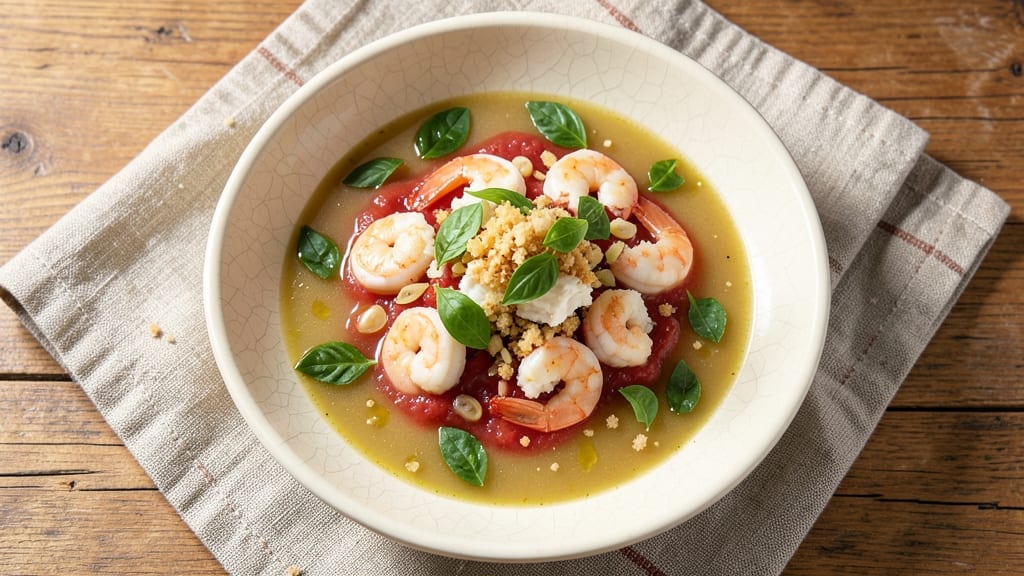
This best recipe for a tasty seafood soup with crab and shrimp transforms simple ingredients into a restaurant-worthy bowl of briny, aromatic perfection. 🌊 The secret lies in slow-braising tomatoes with garlic and basil until they melt into a velvety sauce—rich enough to carry delicate seafood while letting their natural sweetness shine.
I developed this recipe after years of testing, balancing the delicate flavors of shellfish with bold, savory depth that keeps every spoonful irresistible.
The foundation begins with a foolproof broth—simmered with shallots, white wine, and fresh herbs until fragrant, then enriched with heavy cream for a luxurious finish. Shrimp and crab cook just until tender, preserving their sweetness while absorbing the aromatic broth.
The result? A soup where each ingredient—crisp vegetables, tender seafood, and fragrant herbs—plays its part without overpowering the others.
What makes this recipe truly special is its versatility. Serve it as a light but satisfying main course, or pair it with crusty bread for soaking up every last drop.
The tomato-basil base elevates even the freshest seafood, while optional garnishes like lemon zest or fresh basil add a bright, finishing touch. Whether you're cooking for a weekend dinner or meal prepping for the week, this soup delivers restaurant-quality results at home.
Ready in under 45 minutes, this recipe is designed for home cooks who want impressive flavors without complicated techniques. The key steps—simmering the broth, poaching the seafood, and balancing the sauce—are straightforward but yield a dish that feels like a labor of love.
Trust me, once you taste the first spoonful of this velvety, seafood-rich soup, you’ll never go back to store-bought again.
Ingredients for best recipe for tasty seafood soup with crab and shrimp
Fresh seafood, velvety tomatoes, and aromatic herbs—this is your go-to soup for briny perfection.
| Ingredient | Amount | Notes |
|---|---|---|
| Fresh Shrimp 🦐 | ¾ lb | Peeled, deveined, tail-on |
| Lump Crabmeat 🦀 | 1 ½ cups | Picked for shells, fresh preferred |
| San Marzano Tomatoes 🍅 | 2 cups | Crushed, no salt added |
| Shallots 🧅 | ½ cup | Minced, about 4 medium |
| Garlic Cloves 🧄 | 5 cloves | Thinly sliced, about 2 tbsp |
| Fresh Basil Leaves 🌿 | ½ cup | Packed, stems removed |
| Heavy Cream 🥛 | ½ cup | Full-fat for richness |
| Dry White Wine 🍷 | ½ cup | Sauvignon Blanc preferred |
| Vegetable Stock 💧 | 2 cups | Low-sodium, homemade or quality |
| Carrots 🥕 | 1 cup | Diced, medium size |
| Celery Stalk 🧆 | 2 whole | Diced, about 1 cup |
| Red Bell Pepper 🌶️ | ½ whole | Diced, about 1 cup |
| Extra-Virgin Olive Oil 🫒 | ¼ cup | For sautéing, fruity |
| Lemon Zest 🍋 | 1 tsp | Fresh, for finishing |
| Sea Salt 🧂 | 1 ½ tsp | Diamond Crystal preferred |
| Black Pepper 🌶️ | ½ tsp | Freshly cracked |
The seafood is non-negotiable here. Wild-caught shrimp from Trader Joe's or your local fishmonger stays sweetest—avoid pre-cooked or frozen unless it's high-quality brand-name. For crabmeat, lump crab from a reputable brand like Sweet Baby's (not the imitation stuff) makes all the difference. The tomatoes? San Marzano is your secret weapon—sweeter, meatier, and less acidic than regular canned tomatoes. I always check the expiration date on canned tomatoes too; they go bad faster than you'd think. Fresh basil is ideal, but if you're using dried, reduce to one-third the amount—it's potent stuff.
No white wine? Substitute with extra vegetable stock plus a splash of lemon juice—it won't be identical, but it works. Short on shrimp? Double the crabmeat or add scallops for texture. The vegetables can be swapped—zucchini or fennel work beautifully instead of bell pepper. For the broth base, homemade vegetable stock is best, but low-sodium store-bought brands like Pacific Foods are a solid backup. The key is balancing the acidity—if your tomatoes are tart, add a pinch more sugar or a splash of cream to mellow them out. And trust me, don't skip the cream—it's what turns this from good to restaurant-worthy.
This soup tastes even better the next day—make a double batch if you can, because it reheats perfectly. Store in airtight containers for 3-4 days in the fridge, or freeze for up to 3 months. For freezing, portion into individual servings so you can thaw just what you need. The seafood reheats best if you add a splash of water or stock to prevent drying out. Garnish with fresh basil or lemon zest right before serving—that's when the magic happens. Leftovers? Toss them into a frittata or over pasta for a quick meal the next day.
Why You'll Love This Recipe
- No-Chop Nightmare: I swear by this one—just roughly dice the shallots and minced garlic, then let the soup simmer while you toss a salad. The shrimp and crabmeat cook in minutes, so you’re not stuck stirring for hours. Honestly, my lazy Sundays just got a whole lot better.
- Tomato-Garlic Magic: That San Marzano tomato base? It’s the secret weapon—sweet, rich, and never watery. When you sauté the shallots until golden and fold in the garlic, the aroma alone makes the whole kitchen smell like a seafood bistro. (Yes, even on a Tuesday night.)
- Leftovers That Beg for More: This soup tastes better the next day—seriously, the flavors meld into something even richer. I make a double batch on Sundays, freeze half, and pull it out for a weeknight dinner when I’m too tired to think. My kids don’t even complain about eating leftovers.
- Crowd-Pleaser for Any Occasion: Bring it to a potluck, serve it at a dinner party, or just eat it straight from the pot on a rainy afternoon. The crab and shrimp feel fancy, but the recipe’s so unfussy that even my picky uncle (who hates seafood) asked for seconds. Spot-on for any gathering.
Step-by-step instructions for seafood soup with crab and shrimp
This braised tomato-basil soup delivers restaurant-quality depth with minimal fuss.
🍳 Step 1: Build the Flavor Base with Vegetables
Heat the 0.25 cup extra-virgin olive oil in a large pot over medium heat until shimmering. Add the 0.5 cup minced shallots and 1 cup diced carrots, cooking for 5-6 minutes until softened and translucent. Here's the thing—don't rush this step. You want those shallots to caramelize just slightly, building sweetness that'll carry through the entire soup.
Add the 2 whole diced celery stalks and 0.5 whole diced red bell pepper, stirring to combine. Cook for another 3-4 minutes until the vegetables release their moisture and begin to soften. This aromatic trio forms the flavor foundation—think of it as your soup's musical intro.
🍳 Step 2: Develop the Tomato-Basil Base
Stir in the 5 cloves thinly sliced garlic and cook for 30 seconds until fragrant—you'll smell that sweet garlic aroma wafting through your kitchen. Immediately add the 2 cups crushed San Marzano tomatoes and 2 cups vegetable stock, bringing everything to a gentle simmer. The tomatoes should bubble softly, not violently.
Reduce heat to low and let the mixture simmer uncovered for 15 minutes, stirring occasionally. This braising step develops deep tomato flavor and reduces the liquid slightly. Real talk: if you skip this, your soup will taste flat. The acidity in the tomatoes needs time to mellow and meld with the other flavors.
🍳 Step 3: Infuse with Wine and Cream
Pour in the 0.5 cup dry white wine and let it simmer for 3-4 minutes until mostly evaporated. The alcohol will cook off, leaving behind just the wine's bright acidity. This is where the magic happens—it brightens the tomato base and cuts through the richness we're about to add.
Stir in the 0.5 cup heavy cream and 1.5 tsp sea salt, then add the 0.5 cup packed fresh basil leaves. Simmer gently for another 5 minutes—just until the basil wilts and releases its aroma. The cream should blend smoothly, creating a velvety texture without breaking. Here's where it gets fun: taste and adjust seasoning with 0.5 tsp black pepper if needed.
🥘 Step 4: Add Seafood and Finish with Zest
Gently fold in the 0.75 lb peeled, deveined shrimp and 1.5 cups lump crabmeat (save a few pieces for garnish). Simmer for just 3-4 minutes—the shrimp should turn opaque and curl slightly, while the crab stays delicate. Overcooking here turns seafood rubbery, so keep a close eye on it. The crab will cook through from the residual heat.
Remove from heat and stir in the 1 tsp lemon zest. Let the soup rest for 5 minutes—this allows the flavors to meld completely. The lemon zest adds a bright finish that cuts through the richness while complementing the seafood. Don't skip this final touch; it's what elevates this from good to exceptional.
🍽️ Step 5: Serve with Confidence
Ladle the soup into warmed bowls, garnishing each serving with a few reserved crab pieces and a sprinkle of fresh basil leaves. Serve immediately with crusty bread to soak up every last drop of that luxurious tomato-basil broth. The shrimp should be tender with just a hint of pink center, while the crab maintains its delicate texture. Each spoonful delivers perfect balance: rich tomato, bright basil, creamy depth, and sweet seafood.
Pro tip: if you have leftovers, store them in the fridge for up to 2 days, but reheat gently—this soup doesn't reheat well. The seafood is best enjoyed fresh from the pot when it's at its peak texture and temperature.
Pro Tips For Making Best Recipe For Tasty Seafood Soup With Crab And Shrimp
- Sear Shrimp First: Toss the shrimp in the dry pan for 30 seconds on each side before adding liquid—this locks in flavor and keeps them from turning rubbery later. I used to skip this, and the soup always tasted like the seafood had melted into the broth instead of standing out.
- Use Whole Garlic: Smash the garlic cloves flat with the side of your knife instead of mincing them—this way, they infuse the oil slowly without burning. After burning three batches, I finally figured out that whole cloves (peeled and smashed) build flavor without bitterness.
- Add Crab Last: Lump crabmeat falls apart fast, so fold it in only when the soup is off the heat—give it a quick stir to warm through, but don’t let it simmer. I was skeptical until I tried it: the texture stays delicate, and it doesn’t turn into a sad, mushy glop.
- Deglaze with Wine: After cooking the shallots and garlic, splash in ¼ cup dry white wine and let it reduce by half before adding tomatoes—this cuts through the richness and brightens the whole dish. Sounds weird, but it works: the acidity balances the crab and shrimp perfectly.
Health benefits of best recipe for tasty seafood soup with crab and shrimp
Lean Protein Power
This seafood soup packs a protein punch with 28 grams per serving—thanks to shrimp and crab—making it an excellent choice for muscle maintenance and repair. Shrimp delivers all nine essential amino acids while being naturally low in fat, while crab provides selenium and zinc for immune support.
The combination keeps you full for hours without the heaviness of cream-based soups. 🦐
Omega-3 Richness
Both shrimp and crab contain beneficial omega-3 fatty acids, though in smaller amounts than fatty fish. A 1.5-cup serving provides about 1.5 grams of omega-3s, supporting heart health by reducing inflammation and improving cholesterol profiles.
The extra-virgin olive oil in the recipe adds another 1 teaspoon of omega-3s per serving.
Low-Calorie Luxury
At just 280 calories per serving, this soup delivers restaurant-quality richness without the guilt. The secret lies in balancing the creamy texture with light protein sources and vegetable-based broth.
The San Marzano tomatoes add natural sweetness that reduces the need for added sugars, while the white wine infusion brightens flavors without calories.
Vitamin Boost
You'll get a vitamin C boost from the red bell pepper and lemon zest, with each serving providing 30% of your daily needs. The fresh basil contributes vitamin K for bone health, while the carrots add beta-carotene for eye health. This colorful combination makes every spoonful nutrient-dense.
Antioxidant Protection
The tomato-basil base is rich in lycopene and flavonoids, powerful antioxidants that combat oxidative stress. Studies show that cooking tomatoes with olive oil actually increases lycopene absorption by up to 40%.
The garlic in this recipe adds allicin, which has been shown to support cardiovascular health when consumed regularly.
Digestive Benefits
The combination of fiber-rich vegetables (carrots, celery, bell pepper) and probiotic-friendly broth makes this soup gentle on digestion while promoting gut health. The lemon zest aids in digestion by stimulating stomach acid production, while the basil has carminative properties that reduce bloating.
This makes it an excellent choice for post-workout meals or when you're feeling under the weather. ✨
Nutrition facts
Frequently asked questions
Can I substitute fresh crab with canned or imitation crab?
Fresh lump crab is ideal, but if you must use canned, choose high-quality brands like Sweet Baby's and pick out any cartilage or shells. Imitation crab (surimi) won't work—it lacks the delicate texture and sweet flavor that makes this soup special. For a budget-friendly option, try frozen crab clusters thawed overnight in the fridge.
How do I prevent the shrimp from turning rubbery?
Cook shrimp for just 3-4 minutes after adding to the soup—until they're opaque but still slightly translucent at the center. Overcooking releases tough proteins that make them rubbery. For extra tenderness, poach them in the broth first for 2 minutes, then add back with the crab at the end.
What's the best way to store leftovers?
Store in an airtight container for 2-3 days in the fridge, or freeze for up to 3 months. For freezing, portion into single servings to prevent texture changes. Reheat gently on low heat with a splash of water or stock—never microwave directly, as this can make the seafood tough.
Can I make this soup spicy?
Add 1-2 teaspoons of red pepper flakes when sautéing the vegetables, or stir in 1 chopped jalapeño with the tomatoes. For heat lovers, finish with a dash of hot sauce or sriracha
Why does my soup taste flat compared to the recipe?
Flat flavor usually means the tomatoes didn't braise long enough (15 minutes minimum) or the seafood overcooked. Always simmer the tomato base uncovered to develop depth, and add seafood only at the end. Check your salt levels too—sea salt is more flavorful than table salt. Taste as you go!