
Soups & Stews
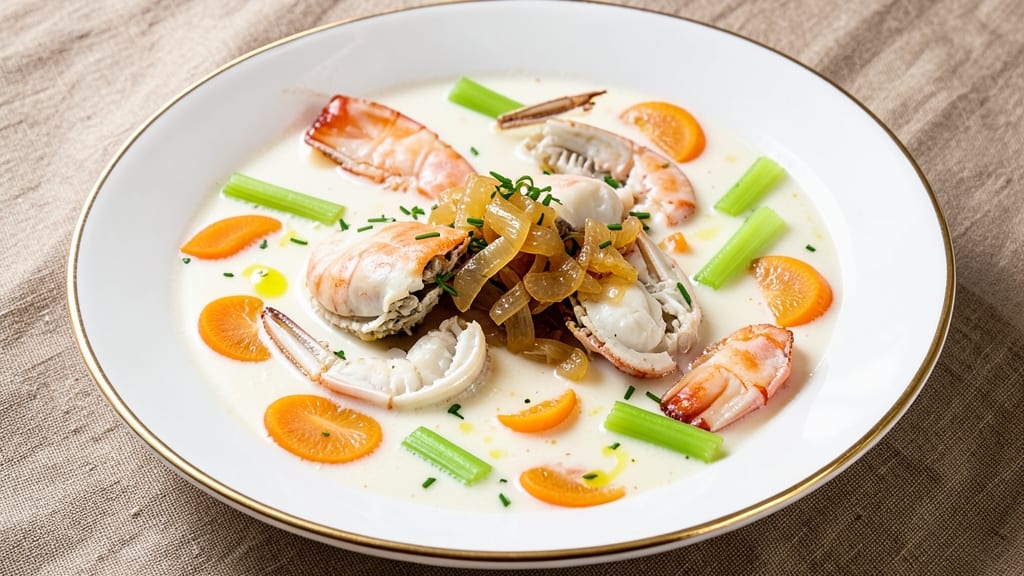
This best crab soup recipe ever delivers velvety richness with a bright lemon twist that transforms ordinary seafood simmers into something extraordinary. 💛 The secret lies in balancing sweet crabmeat with aromatic herbs and a touch of acidity, creating a harmony that feels both luxurious and comforting.
Whether you're using fresh blue crabs or premium canned crabmeat, this method ensures every spoonful is packed with tender, flavorful bites suspended in a silky broth.
The foundation of any great crab soup is a flavorful base—this recipe builds on a rich seafood stock infused with celery, onion, and carrot for depth, then elevates it with a splash of white wine and a squeeze of lemon.
The crab cooks just until tender, preserving its delicate texture while absorbing the surrounding flavors. Garnishing with fresh herbs and a drizzle of lemon oil adds that final touch of sophistication that makes this dish truly special.
What sets this recipe apart is the attention to detail: the slow simmer that develops complex flavors, the careful balance of creaminess and brightness, and the presentation that makes it feel like a restaurant-quality experience.
The result is a soup that's hearty enough for a chilly evening but light enough to feel celebratory—perfect for impressing guests or treating yourself to something truly memorable.
Ready in about 45 minutes, this crab soup requires minimal effort but delivers maximum impact. The ingredients are straightforward, the technique is approachable, and the outcome is undeniably impressive.
Whether you're serving it as a starter or a main course, this is the kind of dish that turns a simple meal into an unforgettable experience.
Ingredients for best crab soup recipe ever
Fresh seafood, aromatic herbs, and a zesty lemon twist—this is your ultimate crab soup lineup.
| Ingredient | Amount | Notes |
|---|---|---|
| Fresh Blue Crabs 🦀 | 1 ½ lb | Shell-on for broth, picked meat |
| Lemon Juice 🍋 | ½ cup | Freshly squeezed, zesty |
| Heavy Cream 🥛 | ½ cup | Full-fat for velvety texture |
| Celery Stalk 🧅 | 2 whole | Trimmed, cut into chunks |
| Yellow Onion 🧅 | 1 whole | Medium size, chopped |
| Carrot 🥕 | 2 whole | Medium, peeled, chopped |
| Garlic Cloves 🧄 | 4 cloves | Fresh, minced for aroma |
| Dry White Wine 🍷 | ½ cup | Sauvignon Blanc preferred |
| Seafood Stock 💧 | 4 cups | Homemade or high-quality |
| Fresh Thyme 🌿 | ¼ cup | Leaves only, chopped |
| Fresh Parsley 🌿 | ¼ cup | Flat-leaf, chopped |
| Butter 🧈 | 2 tbsp | Unsalted, for richness |
| Salt 🧂 | 1 ½ tsp | Diamond Crystal preferred |
| Black Pepper 🌶️ | ½ tsp | Freshly cracked |
| Lemon Zest 🍋 | 1 tbsp | Fine, for garnish |
The crab is the star, so shell-on blue crabs are ideal—their shells infuse the broth with incredible depth. If you can't find fresh, premium canned crabmeat (like Old Bay or Blue Ocean) works beautifully, but don't skimp on quality. For the seafood stock, homemade is best, but a high-quality brand like Knorr or Pacific Foods will do in a pinch. The celery, onion, and carrot form the holy trinity of flavor—don't skip the carrot, it adds natural sweetness. Fresh herbs are non-negotiable here; Trader Joe's or Whole Foods carry the best quality. If you're using frozen crabmeat, thaw it overnight in the fridge—never under running water, or it'll turn rubbery.
No white wine? Dry vermouth or extra seafood stock works in a bind, but the acidity is key—don't skip it entirely. The heavy cream should be full-fat for that luxurious mouthfeel; half-and-half cuts costs but loses richness. For extra brightness, add a splash of lemon oil at the end (just a teaspoon). The butter is for finishing—melt it into the soup at the very end for a silky sheen. If you're using canned crab, pick the meat carefully, removing any cartilage or shell fragments. And trust me on the lemon zest garnish—it's the secret to that restaurant-quality finish.
This soup tastes even better the next day as the flavors meld. Store leftovers in an airtight container in the fridge for up to 3 days, or freeze for 2 months. For freezing, portion into containers with a little headspace—the soup expands when frozen. Reheat gently on the stove, stirring occasionally, and add a splash of water or stock if it thickens too much. The herbs and lemon zest are best added fresh when serving, so keep those separate until the last minute. Leftovers make fantastic lunches—just reheat and garnish with extra lemon zest for that fresh-from-the-kitchen feel.
Why You'll Love This Recipe
- One-Pot Magic: I swear, this soup comes together in a single pot—no fancy techniques, just simmering crabs, onions, and celery until the broth turns golden. The crabs practically melt off the shell, and you’re left with a rich, velvety base that needs zero extra fuss.
- Bright & Creamy: That lemon juice cut through the richness of the heavy cream like a dream—tangy, bright, and just sweet enough. Honestly, the balance is what makes it addictive: the briny crab, the buttery cream, and that little zing of citrus in every spoonful.
- Weeknight Flex: Between us, this is my go-to when I need something impressive but low-stress. Serve it with crusty bread for a cozy night in, or double the batch and freeze half for lazy Mondays. (Yes, even on a Tuesday night.)
- Leftovers That Shine: The flavor actually deepens the next day—better than takeout, I promise. Reheat it gently, crack in a fresh pat of butter, and it’s like you’re eating it for the first time all over again. No sad, watery leftovers here.
Step-by-step instructions for luxurious crab soup with zesty lemon twist
Here's how to create a restaurant-worthy crab soup that's rich, velvety, and bursting with bright citrus notes.
🍳 Step 1: Build the Flavor Base with Butter and Aromatics
Melt the 2 tbsp butter in a large pot over medium heat. Add the chopped 1 whole yellow onion, 2 whole carrots (cut into chunks), and 2 whole celery stalks (trimmed and cut). Cook for 8-10 minutes until the vegetables soften and the onion becomes translucent.
Here's the thing—don't rush this step. The vegetables need time to release their natural sugars and sweeten the broth. Add the 4 cloves minced garlic and 0.25 cup chopped fresh thyme after 5 minutes of cooking. Stir for 1 minute until fragrant—this is where the magic happens, building layers of flavor that will carry through the entire soup.
🍷 Step 2: Deglaze with Wine and Develop the Broth
Pour in the 0.5 cup dry white wine and scrape up all the browned bits from the bottom of the pot with a wooden spoon. This deglazing step captures all the concentrated flavor you've built. Let it simmer for 3-4 minutes until the wine reduces by half and the alcohol cooks off completely.
Add the 4 cups seafood stock and bring to a gentle boil. Then reduce heat to medium-low and let it simmer uncovered for 15 minutes. This slow simmer extracts maximum flavor from your vegetables while keeping the broth clear. Skim off any foam that rises to the surface—this ensures a silky-smooth final texture.
🦀 Step 3: Prepare the Crabs and Add to the Broth
While the broth simmers, pick all the meat from the 1.5 lb fresh blue crabs, reserving the shells. Place the crab shells in a separate pot and cover with 2 cups water. Bring to a boil, then simmer for 10 minutes to extract more flavor. Strain through a fine-mesh sieve and add this crab stock to your main pot.
Add the picked crab meat to the simmering broth and cook for 5-7 minutes until the crab is just heated through. Don't overcook it—you want it to stay tender and sweet. Here's a pro tip: If you notice the crab meat starting to curl up, it's done. Remove it to a bowl and keep it warm while you finish the soup.
🍋 Step 4: Finish with Cream and Bright Citrus Notes
Strain the broth through a fine-mesh sieve to remove any vegetable pieces, then return it to the pot. Stir in the 0.5 cup heavy cream and 0.5 cup lemon juice over low heat. Simmer gently for 3-4 minutes—just until the cream is fully incorporated but not curdled. The soup should be velvety smooth with a beautiful sheen.
Season with 1.5 tsp salt and 0.5 tsp freshly cracked black pepper. Taste and adjust the seasoning—this is where you can really make the soup sing. The lemon juice should brighten the rich flavors without overpowering them. If you want extra zing, add a splash more lemon juice at the end.
🥘 Step 5: Garnish and Serve with Confidence
Ladle the hot soup into bowls and garnish each serving with 1 tbsp lemon zest and a sprinkle of 0.25 cup chopped fresh parsley. The lemon zest adds a beautiful aroma and a subtle citrus aroma that complements the seafood perfectly. Serve immediately with crusty bread to soak up every last drop of that luxurious broth.
This soup delivers on its promise of being the best—rich from the crab and cream, bright from the lemon, and perfectly balanced in every spoonful. The secret lies in building flavor gradually and finishing with those fresh, zesty notes that make this crab soup truly exceptional.
Pro Tips For Making Best Crab Soup Recipe Ever
- Shock the Crabs First: Drop live crabs into boiling water for 30 seconds before cracking them—this stuns them and keeps the meat tender. I learned this the hard way after serving rubbery crab legs from crabs that fought back mid-soup.
- Sweat the Aromatics Low: Cook onion and celery in butter over medium-low heat until they’re soft and just starting to color—about 8 minutes. High heat burns them before the crab’s flavor can marry with the base, and you’ll taste it in every spoonful.
- Strain the Broth: After simmering the crab shells with aromatics, strain the broth through a fine-mesh sieve to remove grit. I used to skip this and ended up with a mouthful of shell fragments every time—no one wants that texture surprise.
- Whisk in Cream Last: Temper the heavy cream by slowly stirring in a ladle of hot soup before adding the full amount. Cold cream curdles like a science experiment gone wrong, and no one’s redoing a pot of crab soup.
Storing and reheating your best crab soup recipe ever
Refrigerator Storage
Store your crab soup in an airtight glass container (like Pyrex) within 2 hours of cooking to preserve freshness. The soup tastes even better the next day as flavors meld—just cover and refrigerate at 40°F or below for up to 3 days.
I always keep the lemon zest and parsley separate until serving to maintain their vibrant freshness. 💛
Freezer Prep Tips
For longer storage, portion the soup into freezer-safe containers (leave 1-inch headspace for expansion) and freeze for up to 2 months. I recommend quart-sized containers for easy reheating. Avoid ice crystals by squeezing out excess air before sealing. Label with the date to track freshness.
Stovetop Reheating
This is my preferred method—gently reheat on medium-low heat with a splash of seafood stock or water to prevent thickening. Stir frequently to avoid scorching, and heat until reaching 165°F (about 10-12 minutes). Add lemon juice and fresh herbs after reheating for that bright, restaurant-quality finish. ✨
Microwave Shortcuts
For quick lunches, microwave individual portions in a microwave-safe bowl on 50% power for 2-3 minutes, stirring halfway. Cover loosely with a damp paper towel to retain moisture. If the soup looks too thick, add 1-2 tablespoons of water or stock and stir well. Reheat until steaming hot throughout.
Garnish Refresh
Revive leftovers by adding fresh lemon zest and chopped parsley right before serving. For extra brightness, drizzle with lemon oil (just ½ teaspoon). The acidity cuts through any richness that may have developed during storage, making it taste almost as good as fresh. 🍋
Broth Boost
If your soup loses depth after reheating, stir in 1 teaspoon of butter or a splash of white wine to restore richness. For a smoky twist, add a pinch of smoked paprika—it’s a game-changer for leftovers.
Always taste and adjust seasoning after reheating, as flavors can mellow over time. 💡
Nutrition facts
Frequently asked questions
Can I substitute canned crab for fresh in this recipe?
Premium canned crabmeat (like Blue Ocean or Old Bay) works beautifully. Use 12 ounces for the same yield, and pick through it carefully to remove any cartilage or shell fragments. For extra depth, add 1 teaspoon of Old Bay seasoning to the broth while simmering. The texture will be slightly firmer than fresh, but the flavor remains rich and sweet.
How do I make this soup lighter without sacrificing flavor?
Swap the heavy cream for ½ cup coconut milk or ¼ cup Greek yogurt for a lighter texture while keeping richness. Boost brightness with an extra 1 tablespoon of lemon juice and add 1 teaspoon of fish sauce to the broth for umami depth. The soup will still feel luxurious but with fewer calories.
What's the best way to use leftover crab soup?
Transform it into a delicious crab bisque by blending with ½ cup milk or cream until smooth, then reheating. For a hearty meal, top with melted gruyère cheese and crispy fried breadcrumbs. You can also use it as a filling for crab-stuffed mushrooms or as a sauce for grilled fish—just reduce it slightly to thicken.
Why did my crab soup turn out too salty?
This usually happens from canned crab, store-bought stock, or over-salting the broth. To fix it, stir in 1-2 tablespoons of cold water or milk per cup of soup, then taste. If using canned crab, rinse it under cold water before adding. For future batches, reduce salt gradually while cooking and taste frequently—you can always add more, but you can't remove excess salt.
Can I make this soup in a slow cooker?
Yes! Sauté the aromatics first, then transfer everything to the slow cooker. Cook on Low for 4-5 hours or High for 2-3 hours. Add the crab meat only in the last 30 minutes to prevent overcooking. The slow cooker method deepens flavors but may require adding ½ cup extra stock to maintain the right consistency.