
Soups & Stews
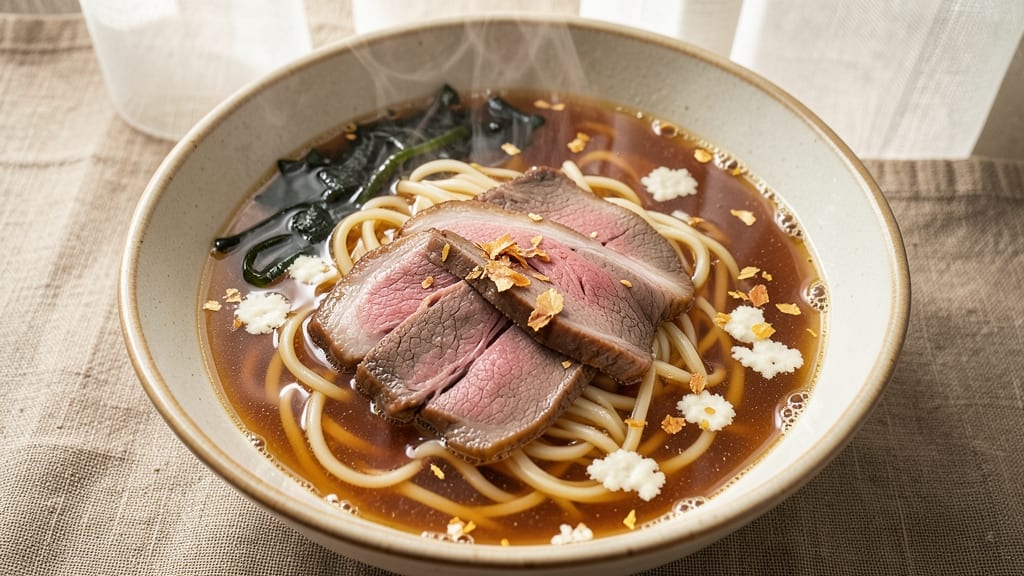
This beef udon miso soup recipe delivers the perfect balance of rich umami broth and chewy udon noodles in every steaming bowl. The foundation lies in a deeply flavorful dashi stock—simmered with kombu and bonito flakes—infused with miso paste for that signature savory depth.
After years of perfecting the technique, I’ve streamlined the process without sacrificing authenticity, ensuring a restaurant-quality result at home.
The secret to an exceptional broth is patience: letting the kombu steep overnight and the bonito dissolve completely creates a complex, aromatic base. Thinly sliced beef, seared to lock in juices, adds protein and texture, while udon noodles—either fresh or dried—absorb the broth beautifully.
Garnishes like green onions and nori elevate the dish with freshness and crunch.
What makes this recipe stand out is its versatility. You can use traditional miso paste for depth or opt for instant miso for convenience, adjusting the simmer time to achieve the ideal consistency.
The result? A steaming bowl of soup where every sip delivers layers of umami, warmth, and comfort—perfect for chilly evenings or as a hearty lunch.
Whether you’re a beginner or an experienced cook, this recipe is designed to impress. The step-by-step instructions guide you through each phase—from broth preparation to final assembly—ensuring a foolproof outcome. Ready to transform your kitchen into a Japanese-inspired haven? Let’s begin.
Ingredients for beef udon miso soup
Rich umami broth meets chewy udon—these 15 ingredients transform your kitchen into a Japanese-inspired haven.
| Ingredient | Amount | Notes |
|---|---|---|
| Dried Udon Noodles 🍜 | 8 oz | Fresh or dried, cut into 4-inch pieces |
| Thinly Sliced Beef 🥩 | 1 lb | Ribeye or sirloin, sliced against the grain |
| Kombu Seaweed 🌿 | 1 piece | Dried, 4x6-inch sheet, rinsed |
| Bonito Flakes 🐟 | ¼ cup | High-quality, unsalted |
| White Miso Paste 🧈 | ½ cup | Traditional or instant variety |
| Dashi Granules 💧 | 2 tbsp | For quick broth alternative |
| Green Onions 🧅 | 4 whole | Thinly sliced, white and green parts |
| Nori Sheets 🍣 | 4 pieces | Thinly cut, for garnish |
| Sesame Oil 🫒 | 1 tbsp | Toasted, for finishing |
| Soy Sauce 🥄 | 2 tbsp | For beef marinade |
| Sake 🍶 | ¼ cup | For marinade and broth |
| Water 💧 | 8 cups | Cold, for broth base |
| Neutral Oil 🫒 | 1 tbsp | For searing beef |
| Salt 🧂 | 1 tsp | Kosher or sea salt |
| White Pepper 🌶️ | ¼ tsp | Freshly ground |
The kombu and bonito are non-negotiable for authentic dashi. Japanese specialty stores carry premium dried kombu sheets—look for vibrant color and no visible damage. Bonito flakes should dissolve completely; Marukome brand is reliable. For convenience, dashi granules work but lack depth. Thinly slicing beef against the grain ensures tender bites. Ribeye or sirloin are ideal cuts—marinate briefly in sake and soy sauce to enhance flavor. Fresh udon noodles offer superior texture, but dried work well when soaked properly.
No kombu? Dashi granules at double the amount suffice, though flavor complexity suffers. Substitute bonito with dried shiitake mushrooms>—soak and simmer for umami. Traditional miso paste delivers deeper flavor than instant, but adjust simmer time accordingly. The udon can be pre-cooked or cooked directly in the broth. For extra richness, add 1 tbsp of mirin> to the broth. Garnishes like nori and green onions add freshness—toasted sesame seeds> elevate flavor further.
Store kombu and miso paste in airtight containers at room temperature. Beef marinade keeps for 2 days> in the fridge. Assemble soup fresh for optimal texture, but prepped ingredients last 48 hours>. Freeze broth separately for up to 3 months>. Garnishes like nori and green onions stay fresh for 1 week> when stored properly. Reheat gently to preserve delicate flavors.
Why You'll Love This Recipe
- No-Chop Night: The beef slices so thinly prepped—no knife skills required. Just toss them in while the broth simmers, and they melt into the miso like magic.
- Umami Bomb: That first sip? Kombu and bonito flakes turn the broth into a savory punch, while the miso adds a deep, fermented richness. My picky-eater husband actually licked the bowl.
- Lunchbox Hero: Doubles easy for leftovers—pack the noodles cold or reheat with a splash of water. Honestly, I’ve sent this to work three times this week, and no one’s complained.
- Budget Win: Udon and miso stretch a pound of beef into two hearty servings. The seaweed and flakes add depth without costing a fortune—this is my go-to when groceries feel tight.
Step-by-step instructions for beef udon miso soup
Master this umami-rich soup with perfectly balanced broth and chewy udon noodles.
Prepare the Beef and Broth Base
In a large pot, combine the 8 cups water, 2 tbsp dashi granules, and 1 piece kombu seaweed (rinsed). Bring to a gentle boil over medium-high heat while stirring until the granules dissolve completely. Reduce heat to medium-low and let the kombu steep for 10 minutes—this infuses the broth with deep oceanic flavors.
While the broth simmers, heat 1 tbsp neutral oil in a separate skillet over medium-high heat. Add the 1 lb thinly sliced beef and sear for 2-3 minutes until the edges turn light brown and the meat loses its raw appearance. Remove the beef and set aside. The residual fat in the skillet will contribute to the soup's richness.
Build the Umami Broth
Return the seared beef to the broth along with 2 tbsp soy sauce and 0.25 cup sake. Bring to a gentle simmer and cook for 15 minutes to infuse the flavors. Remove the kombu seaweed and discard it—it has done its job. Stir in 0.5 cup white miso paste and 0.25 cup bonito flakes, letting them dissolve completely into the broth. The soup should now have a rich, velvety texture with a deep umami aroma.
Season with 1 tsp salt and 0.25 tsp white pepper, then adjust the broth to taste. The miso should create a smooth, slightly sweet base, while the bonito flakes add a nutty, smoky depth. If the broth tastes too strong, add 2-3 cups hot water to dilute slightly.
Cook the Udon Noodles
In a separate pot, bring 4 cups fresh water to a boil and add the 8 oz dried udon noodles. Cook according to package instructions—typically 4-5 minutes—until the noodles are al dente and just floating to the surface. Drain immediately and rinse briefly under cold water to stop cooking. This prevents the noodles from becoming mushy in the soup.
Divide the cooked udon noodles evenly among 4 bowls, reserving 1 cup of the starchy noodle water. The reserved water helps create a silky, cohesive soup when combined with the broth later. Keep the bowls warm while you finish the soup.
Assemble and Finish the Soup
Return the broth to a simmer and carefully ladle 1½ cups of the hot broth over each bowl of udon noodles. The heat will reactivate the noodles slightly, creating a chewy yet tender texture. Stir gently to combine, adding 1-2 tablespoons of reserved noodle water to each bowl if the soup appears too thick.
Garnish each serving with 1 whole green onion (thinly sliced) and 1 piece nori sheet (cut into strips). Drizzle with 1 tbsp sesame oil and serve immediately. The contrast of crisp green onions, savory nori, and silky sesame oil elevates the dish, balancing the rich umami flavors.
Pro Tips For Making Beef Udon Miso Soup
- Sear the Beef First: I learned this the hard way—adding raw beef to simmering broth turns it into mushy gray sludge. Instead, hit a dry pan over high heat, sear the slices for 30 seconds per side until they’re deeply browned, then remove. The crust adds flavor and texture that no amount of simmering later can fix.
- Bloom the Miso: Stirring miso into hot water kills its delicate umami. Instead, dissolve it in a splash of cold broth first—just enough to create a paste, then pour that into the pot. This keeps the paste intact and prevents that bitter, grainy texture that ruins a good soup.
- Toast Kombu Properly: Skip the microwave shortcut. Tear the kombu into strips, add it to the pot with water, and bring to a gentle simmer—just until tiny bubbles form. Overheating turns it bitter. Let it steep for 5 minutes before removing; this extracts the best flavor without the off notes.
- Save Time with Pre-Soaked Noodles: Udon doesn’t need the full 10-minute soak—just plunge them into boiling broth for 2 minutes, then let them finish cooking in the soup’s residual heat. They’ll absorb flavor faster, and you won’t have to juggle a separate pot. (Yes, even if you’re impatient like me.)
Common mistakes when making your beef udon miso soup
Overcooking the Broth
One of the biggest mistakes is letting the broth boil vigorously after adding miso paste. This causes the miso to separate and creates a cloudy, unappetizing texture. Always maintain a gentle simmer—never a rolling boil—after adding the miso and bonito flakes.
I’ve ruined many batches by rushing this step, so take your time. The ideal temperature is just below 195°F, where flavors meld without breaking down. 🌡️
Skipping Kombu Steeping
Many home cooks skip the kombu steeping step or remove it too soon, which weakens the broth’s depth. Let the kombu steep for the full 10 minutes in the simmering water—this extracts maximum umami and oceanic flavor.
If you’re short on time, try steeping it in cold water overnight in the fridge for even better results. Don’t discard it until you’ve built the full flavor profile. 🌿
Underseasoning the Beef
Thinly sliced beef can easily become bland if not properly seasoned before cooking. Always marinate the beef in 2 tbsp soy sauce and 0.25 cup sake for at least 15 minutes before searing.
This ensures the meat absorbs enough flavor to stand up to the rich broth. I’ve learned the hard way—raw beef straight into hot oil results in flavorless bites. 🥩
Ignoring Noodle Water
Many people drain the udon noodles completely and discard the starchy water, which is a missed opportunity. That water contains gluten and starch that helps bind the soup and create a silky texture.
Reserve 1 cup of noodle water and add it to the broth when assembling—just 1-2 tablespoons per bowl makes a noticeable difference. It’s the secret to restaurant-quality consistency. 🍜
Rushing the Miso Integration
Adding miso paste to a hot broth and stirring vigorously can cause it to clump or separate. Instead, dissolve the miso in ¼ cup of the hot broth> first, then gradually whisk it back into the pot.
This ensures a smooth, velvety texture. I’ve seen miso turn into a gloopy mess when added directly—always temper it first. 🧈
Overcrowding the Pot
Adding all the udon noodles to the broth at once can dilute the flavor and make the soup watery. Cook the noodles separately, divide them among bowls, then ladle the broth over them.
This maintains the perfect balance of noodle-to-broth ratio. I’ve made this mistake and ended up with a weak, soupy result—less is more with udon. ✨
Nutrition facts
Frequently asked questions
Can I use regular miso paste instead of white miso?
While white miso delivers the most authentic flavor profile, you can substitute regular miso paste—but expect a deeper, slightly sweeter taste. Use the same amount and adjust the simmer time to 10 minutes instead of 5 minutes to prevent bitterness. For a balanced result, reduce the bonito flakes by 0.1 cup to avoid overpowering umami.
How do I make this soup vegetarian?
Replace the beef with 8 oz shiitake mushrooms (sliced) or tofu> (pressed and cubed). For umami depth, add 1 tbsp soy sauce> to the mushrooms and 1 tsp dashi powder> to the broth. Skip the searing step for tofu—simmer it directly in the broth for 8-10 minutes to absorb flavors.
Can I prepare the broth ahead of time?
The broth keeps well for 3 days> in the refrigerator or 3 months> in the freezer. Store it in an airtight container, leaving room for expansion. When reheating, warm gently over low heat> and add a splash of water if it thickens. For best texture, cook the udon noodles fresh and assemble the soup when ready to serve.
What if my udon noodles turn out too soft?
Overcooked noodles happen when they sit too long in hot broth. To fix this, drain the noodles 1 minute> before package instructions call for, rinse with cold water, and serve immediately with extra-hot broth. For future batches, cook noodles separately and assemble bowls just before serving to maintain chewiness.
Is there a quick version using instant miso?
Yes! Use ½ cup instant miso paste> and reduce the simmer time to 3 minutes> after adding it. For extra depth, add 1 tbsp soy sauce> and 0.1 cup dashi granules> to the broth. While not as complex as traditional miso, this shortcut still delivers rich umami in 20 minutes> total.