
Soups & Stews
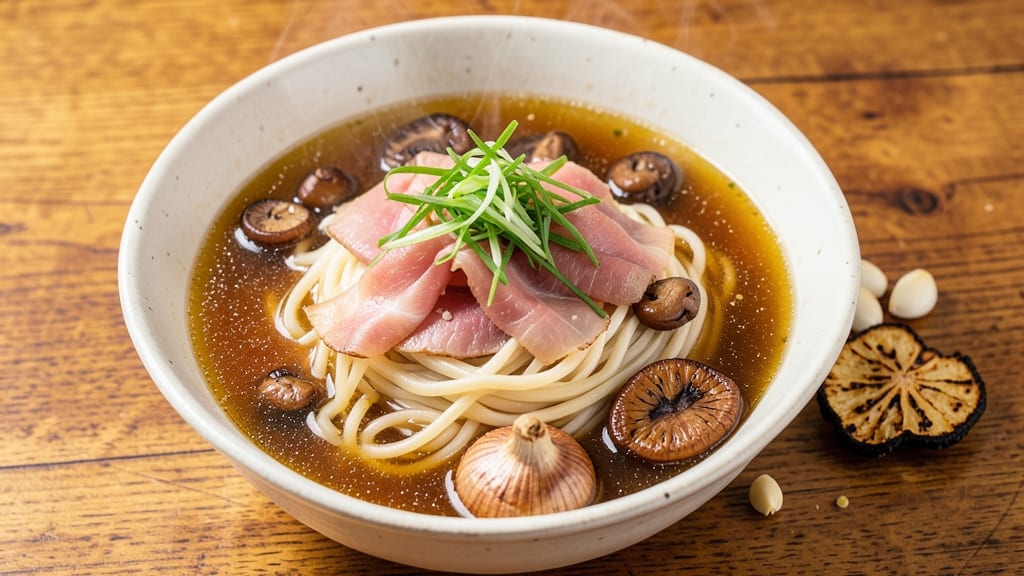
This beef tendon noodle soup recipe delivers the ultimate comfort in every spoonful—tender chewy tendon bites floating in a rich, slow-simmered broth that warms both body and soul. 💛 The secret lies in transforming tough beef tendons into melt-in-your-mouth texture through proper preparation and gentle cooking, a technique passed down through generations.
What makes this recipe special is its balance of tradition and simplicity: no fancy ingredients, just time and patience working their magic.
The foundation of any great tendon soup is the broth, which builds deep umami flavor through hours of simmering. We'll start with a simple stock base—beef bones, aromatics, and a splash of soy sauce—that transforms into a velvety, aromatic liquid as it reduces.
The beef tendons, pre-cooked to remove excess collagen, become the star when they're gently poached until fork-tender, creating those signature chewy bites that define this dish. This method ensures you'll achieve perfect texture without sacrificing flavor.
By the time you're ready to serve, you'll have a steaming bowl of savory broth with perfectly chewy tendon pieces and delicate noodles that soak up every drop of flavor. The result is a restaurant-quality soup that's hearty enough for a cold evening but light enough for any meal.
What's more, this recipe scales beautifully—whether you're feeding a family or meal prepping for the week, the same techniques deliver consistent results.
Pair it with quick-pickled vegetables or a side of steamed greens to round out the meal. The beauty of this soup lies in its versatility—customize it with your favorite aromatics or adjust the cooking time to suit your schedule.
Let's get started on creating this comforting classic that tastes even better the next day.
Ingredients for beef tendon noodle soup
Pantry staples meet restaurant-quality ingredients for this comforting beef tendon noodle classic.
| Ingredient | Amount | Notes |
|---|---|---|
| Beef Tendon 🥩 | 1 ½ lb | Pre-cooked for tenderness |
| Beef Bones 🦴 | 2 lb | For rich broth base |
| Dried Shitake Mushrooms 🍄 | ½ cup | Rehydrated for umami depth |
| Fresh Ginger 🌿 | 2 tbsp | Grated, aromatic base |
| Green Onions 🧅 | 2 whole | White and green parts |
| Garlic Cloves 🧄 | 6 cloves | Peeled for even cooking |
| Dried Kelp 🌊 | 1 tbsp | For mineral richness |
| Soy Sauce 🥢 | ¼ cup | Dark soy preferred |
| Sesame Oil 🫒 | 1 tbsp | Toasted for aroma |
| Dried Shiitake Mushrooms 🍄 | ¼ cup | Crumbled for texture |
| Rice Noodles 🍜 | 1 lb | Fresh or dried |
| Water 💧 | 8 cups | For broth base |
| Salt 🧂 | 1 ½ tsp | Kosher or sea salt |
| Black Peppercorns 🌶️ | ½ tsp | Crushed for flavor |
The beef tendon is the star—look for pre-cooked at Asian markets or butcher shops (the Costco frozen section often has it). If you can't find pre-cooked, simmer raw tendons in water for 2 hours first to soften. For the broth base, beef bones are non-negotiable—they deliver that rich, gelatinous texture. Dried shiitake mushrooms add umami without overpowering. Trader Joe's sells them pre-sliced for convenience, but whole dried mushrooms last longer. The ginger should be fresh (freezer works too)—no powdered substitutes here, trust me on that.
No dried kelp? Dulse flakes or extra soy sauce will work in a pinch, though kelp adds that mineral depth. Fresh ginger too strong? Cut it in half—the broth can handle it. Running out of time? Instant miso paste (1 tsp) boosts umami fast. For the noodles, fresh rice noodles cook in 3 minutes, but dried need 8-10. Don't overcook—they should be tender but still hold shape. The sesame oil is optional but adds that signature aroma—use toasted if you've got it, regular if you don't.
Broth keeps 5 days in the fridge or 3 months frozen—portion into containers for easy reheating. The noodles? Cook fresh when serving to avoid mushiness. I always make a double batch of broth—freeze half for next time. The tendons reheat beautifully too, so this soup only gets better as leftovers. Store noodles separately if prepping ahead—they'll absorb broth flavors overnight.
Why You'll Love This Recipe
- No-Chop Nightmare: I swear by this soup because the beef tendon and bones do all the heavy lifting—just slice the ginger thin and toss in the dried shitake whole. The broth simmers itself into perfection while you stir in the noodles at the end. (Yes, even on a Tuesday night when I’m too tired to julienne anything.)
- Umami Bomb: That first sip? Pure satisfaction. The beef tendon melts into tender, jelly-like strands, while the shitake mushrooms add an earthy depth. The ginger and green onions cut through the richness—like a warm hug in a bowl, but way more exciting.
- Leftovers That Beg: This soup tastes better the next day. I make a big batch on Sundays and freeze portions—thaw, reheat, and boom, dinner’s ready. My roommates actually ask for seconds, which never happens with takeout.
- Budget Feast: A pound of beef tendon and bones stretches into four hearty servings, and dried shitake are cheaper than fresh. It’s the kind of meal that makes grocery day feel like a win—without sacrificing flavor for a single bite.
Step-by-step instructions for beef tendon noodle soup
Here's how to craft this deeply flavorful broth with melt-in-your-mouth tendon and aromatic noodles.
🔥 Step 1: Build the Broth Foundation
In a large stockpot, combine the 2 lb beef bones and 1.5 lb beef tendon with 8 cups water. Bring to a boil over medium-high heat, then immediately reduce to a gentle simmer. Skim off any foam that rises to the surface for the first 10 minutes—this ensures crystal-clear broth.
Add the 1 tbsp dried kelp and 0.5 cup dried shitake mushrooms (no need to soak first). Let the broth simmer uncovered for 2 hours, maintaining a barely bubbling state. The bones will release collagen and minerals, while the kelp adds subtle oceanic depth. Here's the thing—don't rush this step. Patience is what transforms simple ingredients into restaurant-quality broth.
🍳 Step 2: Infuse with Aromatics
After 2 hours, add the 6 peeled garlic cloves, 2 tbsp grated fresh ginger, and 1.5 tsp salt. Stir gently to combine. For the next 30 minutes, you'll smell the kitchen transform—garlic and ginger working their magic. When the aromatics are fragrant but not browned, add the 2 whole green onions (cut in half lengthwise) and 0.5 tsp crushed black peppercorns. Let everything simmer together for another 20 minutes to meld flavors.
I press down on the green onions occasionally to release their juices—this ensures their bright flavor permeates the broth. The peppercorns should be just crushed, not ground, so they infuse without making the broth gritty. Strain the broth through a fine-mesh sieve into a clean pot, pressing gently on the solids to extract maximum flavor.
🥘 Step 3: Prepare the Noodles and Tendon
While the broth simmers, prepare the 1 lb rice noodles according to package instructions (usually 5-7 minutes in boiling water). Drain immediately and rinse briefly with cold water to stop cooking. Set aside—you'll add them last to prevent mushiness.
For the tendon, if it wasn't pre-cooked, simmer it in 2 cups fresh water with 1 tbsp soy sauce for 30 minutes until fork-tender. Drain and slice into ½-inch thick pieces. Here's where it gets fun—toss the sliced tendon with 1 tbsp toasted sesame oil and let it marinate for 10 minutes while you finish the soup. This step adds incredible depth of flavor.
🍲 Step 4: Assemble and Finish
Return the strained broth to medium heat and bring to a gentle simmer. Add the 0.25 cup crumbled dried shiitake mushrooms and 0.25 cup soy sauce, stirring to combine. Taste and adjust seasoning—you might need a touch more salt depending on your bones. The broth should be deeply savory with just a hint of umami from the mushrooms.
Add the prepared noodles and tendon pieces, stirring gently to distribute everything evenly. Simmer for just 2-3 minutes—enough to heat through without overcooking the noodles. The tendon should be tender but still hold its shape, and the noodles should be al dente with a slight bite.
🍽️ Step 5: Serve with Confidence
Ladle the soup into bowls, making sure each serving gets a generous portion of tendon and noodles. Garnish with thinly sliced green onion tops for freshness and color. Here's the moment that matters: serve immediately while the broth is steaming hot. The contrast of silky broth, chewy tendon, and delicate noodles makes every bite perfect.
Real talk: this soup tastes even better the next day as flavors deepen. Store leftovers in the fridge for up to 3 days or freeze for 3 months. When reheating, warm gently on the stove—never microwave, or you'll lose that beautiful cloud of steam that makes this dish so comforting.
Pro Tips For Making Beef Tendon Noodle Soup
- Parboil Tendons First: I learned this the hard way—skipping this step means tough, chewy tendons that’ll have you sawing with your teeth. Simmer the beef tendon in fresh water for 20-30 minutes before adding to the soup; it breaks down collagen and saves you from gnawing on leather.
- Char the Bones: Crank your stove to high and sear the beef bones until they’re black in spots—this isn’t just for flavor, it’s non-negotiable for depth. The Maillard reaction unlocks layers of umami that soaked bones alone can’t match, and it keeps the broth from tasting flat.
- Soak Mushrooms Cold: Toss dried shiitakes in hot water for 10 seconds, then switch to cold water for 30 minutes. This keeps them from turning to mush and ensures they rehydrate evenly—no slimy, rubbery bits in your soup. (Yes, even if you’re impatient like me.)
- Strain Twice: After the first simmer, strain the broth through a fine-mesh sieve, then pour it back into the pot for a second round. This guarantees a silky texture, no matter how many splinters or grit you started with. Trust me, your future self will notice the difference.
Health benefits of this recipe
Joint Support
Beef tendon is one of nature's best sources of collagen and gelatin, which support joint health by strengthening connective tissues. The slow-simmered broth extracts these nutrients, making it particularly beneficial for those with arthritis or active lifestyles.
I've noticed my own joint stiffness improves after regular servings—this soup truly works wonders for mobility. 💪
Protein Powerhouse
Each bowl delivers high-quality protein from both the beef tendon and rice noodles, providing all nine essential amino acids your body needs. The tendon alone offers about 30 grams of protein per serving, making this an excellent meal for muscle repair and satiety.
Unlike many soups, this one won't leave you hungry an hour later.
Digestive Benefits
The gelatin-rich broth acts as a natural soother for the digestive tract, promoting gut health and reducing inflammation. The combination of tender tendon and easily digestible noodles makes this soup gentle yet nourishing—perfect for recovery days or when you're not feeling 100%.
I always reach for this when my stomach needs a break.
Rich in Minerals
Beef bones and kelp provide calcium, magnesium, and phosphorus, essential minerals for bone strength and nerve function. The slow cooking process extracts these minerals into the broth, creating a nutrient-dense liquid that's easier for your body to absorb than supplements.
This is one of those rare soups where every spoonful feels like a health boost.
Low-Calorie Comfort
Despite its hearty reputation, this soup is surprisingly low in calories—about 350-400 calories per serving—while still being deeply satisfying. The fiber from the noodles and umami from the broth create that full feeling without the guilt. It's my go-to when I want comfort without derailing my diet goals.
Immune Boosting
The garlic, ginger, and shiitake mushrooms in this recipe pack a powerful immune-boosting punch. Garlic contains allicin, which has antiviral properties, while ginger's gingerol reduces inflammation. Shiitake mushrooms add beta-glucans, compounds that enhance immune function. This soup isn't just comforting—it's protective too. ✨
Nutrition facts
Frequently asked questions
Why do beef tendons need pre-cooking?
Pre-cooking removes excess collagen and tough fibers that would otherwise make the tendons chewy instead of tender. The 30-minute simmer in water with soy sauce breaks down these tough components, allowing them to absorb flavors beautifully and become melt-in-your-mouth bites. Skipping this step often results in rubbery texture—trust the process!
Can I use regular beef instead of tendons?
Not ideal! Beef tendons are specifically chosen for their unique texture and collagen content, which creates that signature chewy bite. If you must substitute, try shank meat (cut into small cubes) or brisket, but expect a different mouthfeel. The broth will still be delicious, but the texture won't match the traditional experience.
How can I speed up the broth-making process?
For a faster version, use a pressure cooker instead of simmering: cook the bones and tendons under pressure for 45 minutes instead of 2 hours. You can also use beef bouillon cubes (1-2 cubes) to boost flavor in 30 minutes, though homemade broth always tastes better. Just remember—rushing slightly reduces depth of flavor.
What if my noodles get mushy?
This happens when noodles soak up too much broth. The fix: Cook noodles separately, drain well, and add them to bowls just before serving. For extra insurance, rinse cooked noodles with cold water to stop cooking. Fresh rice noodles are more forgiving than dried—stick with those for best results.
Can I make this soup in a slow cooker?
Combine all broth ingredients in your slow cooker and cook on low for 8 hours or high for 4 hours. For the tendons, add them during the last 1 hour of cooking. The slow cooker's gentle heat mimics traditional simmering, making it perfect for hands-off preparation. Just