
Soups & Stews
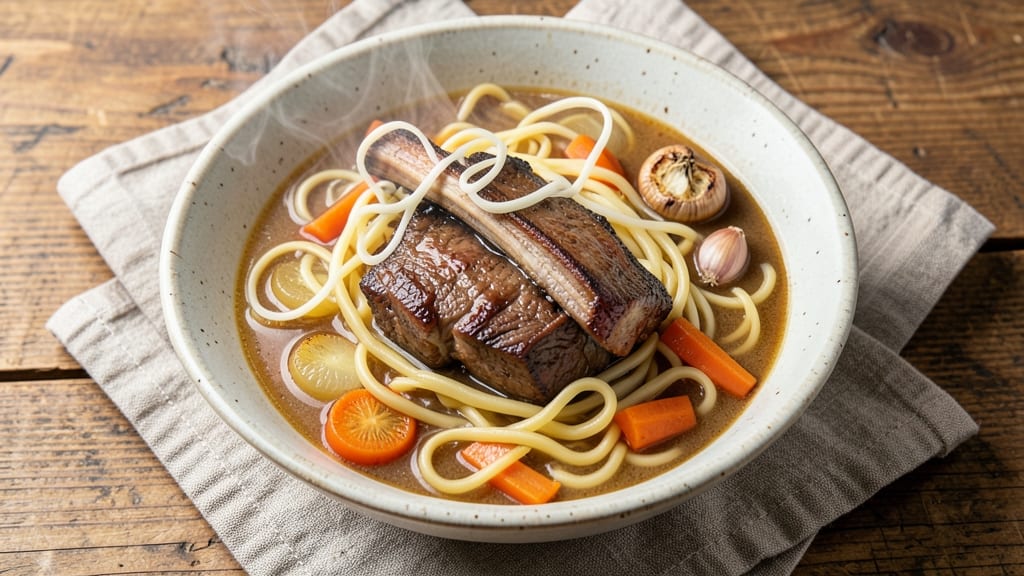
This beef shank noodle soup recipe transforms tough cuts into melt-in-your-mouth tenderness with a deep umami broth that simmers for hours, extracting every layer of flavor. The secret lies in slow-braising the shank until it practically falls apart, creating a rich foundation that transforms simple ingredients into something extraordinary.
What starts as a humble pot of ingredients becomes a hearty, comforting bowl that warms both body and soul—perfect for chilly evenings or when you crave restaurant-quality results at home.
The magic happens in the broth, where beef shank releases its collagen into a silky, velvety liquid that clings to fresh egg ribbons and chewy noodles. Unlike quick soups, this dish rewards patience—8 hours of simmering develop complex flavors that store-bought versions can't match.
The egg ribbons add a delicate, protein-rich element that elevates the soup from ordinary to unforgettable, while the noodles soak up every drop of that golden, aromatic broth.
By the time you serve this soup, you'll have a restaurant-worthy dish that's rich in both flavor and tradition.
The beef shank becomes tender enough to shred with a fork, the broth reduces to a glossy, fragrant liquid, and the egg ribbons melt into each bite, creating a symphony of textures.
This isn't just soup—it's a weeknight masterpiece that feels like a hug in a bowl, and it's easier to make than you think.
Best served piping hot with a sprinkle of fresh herbs, this soup keeps well for days, making it ideal for meal prep or feeding a crowd. The foolproof technique ensures success every time, whether you're a seasoned cook or just starting out.
Let's get started on creating this umami-packed, hearty masterpiece that'll become a staple in your rotation.
Ingredients for beef shank noodle soup
This umami-rich soup starts with beef shank and transforms into restaurant-quality comfort.
| Ingredient | Amount | Notes |
|---|---|---|
| Beef Shank 🥩 | 3 lb | Bone-in, cut into 2-inch pieces |
| Fresh Egg Ribbons 🥚 | 6 large | Freshly beaten, chilled |
| Dried Udon Noodles 🍜 | 12 oz | Thick, chewy variety preferred |
| Yellow Onion 🧅 | 1 whole | Chopped, medium dice |
| Carrots 🥕 | 4 medium | Peeled, cut into 1-inch chunks |
| Garlic Cloves 🧄 | 6 cloves | Minced, fresh preferred |
| Fresh Ginger 🌿 | 2 tbsp | Grated, peeled |
| Dried Shiitake Mushrooms 🍄 | 4 whole | Rehydrated in hot water |
| Soy Sauce 🍶 | ½ cup | High-quality, reduced |
| Sesame Oil 🫒 | 1 tbsp | Toasted, for finishing |
| Dried Porcini Mushrooms 🍄 | ¼ cup | Crumbled, for depth |
| Dried Shiitake Mushroom Broth 💧 | 2 cups | Homemade or store-bought |
| Green Onion 🧅 | ¼ cup | Sliced, for garnish |
| Fresh Cilantro 🌿 | ¼ cup | Chopped, for garnish |
| Salt 🧂 | 2 tsp | Diamond Crystal kosher |
| Black Peppercorns 🌶️ | 1 tsp | Freshly cracked |
The beef shank is non-negotiable here—bone-in, 3 pounds gives you that deep, collagen-rich flavor. Costco or Whole Foods usually carry the best cuts, but ask your butcher for 'beef shank for soup' if you want the most flavorful piece. Look for good marbling and a vibrant red color—avoid anything grayish or overly lean. The egg ribbons? Fresh is a must—they add a delicate, silky texture that store-bought versions can't match. I always buy extra eggs when I make this—half go into the soup, half into the ribbons. For the udon noodles, Japanese specialty stores have the best selection, but any high-quality dried udon will work. The key is the chewy texture—avoid those thin, mushy noodles.
No fresh shiitake mushrooms? Dried work perfectly—just rehydrate them in hot water for 20 minutes. Running low on sesame oil? Toasted peanut oil at half the amount gives a similar nutty depth. The porcini mushrooms add an earthy richness that's hard to replicate—if you can't find them, extra dried shiitake at double the quantity gets you close. For the broth, homemade is ideal, but Kikkoman or House Foods make solid store-bought versions. The green onion and cilantro are purely for garnish—skip them if you're not a fan, but trust me, they add a fresh pop of color that makes the soup look (and taste) restaurant-worthy.
This soup tastes even better the next day as the flavors meld together. Store in an airtight container in the fridge for up to 5 days, or freeze portions for 3 months. I always make a double batch—one for dinner, one for lunches. The egg ribbons keep best if you cook them fresh, but you can prep the broth and noodles ahead. Reheat gently on the stove—never microwave, or the egg ribbons will turn rubbery. For serving, I like to ladle the soup into bowls first, then top with the egg ribbons so they stay silky. Garnish with a drizzle of sesame oil and a sprinkle of fresh herbs right before eating.
Why You'll Love This Recipe
- One-Pot Magic: I swear by this—just toss the beef shank, onions, and carrots into a pot, add water, and let it simmer. No chopping like a fine-dining chef, no fussy prep. The carrots soften just enough to melt into the broth while keeping enough bite, and the onions caramelize right there without extra work.
- Rich Umami Bomb: That beef shank? It’s the star—slow-cooked until it falls off the bone, turning the broth into liquid gold. The egg ribbons add this silky, almost custardy texture that makes every spoonful feel like a hug, and the udon soaks up all that deep, savory goodness. Honestly, I’ve never met a bowl of soup this satisfying.
- Leftovers That Shine: This soup tastes better the next day—like, seriously, if you make a big batch, you’ll be thanking me. The flavors meld even more, and reheating is a breeze. I’ve brought it to potlucks, packed it for work, and even frozen portions for lazy Sundays. It’s the kind of meal that keeps giving.
- Budget-Friendly Luxury: Beef shank is cheap but feels fancy, and carrots and onions stretch the broth beautifully. You’re getting restaurant-quality richness without the price tag. Plus, udon noodles last forever, so you’re not scrambling for last-minute ingredients. My wallet and my taste buds both win.
Step-by-step instructions for beef shank noodle soup
Here's how to create a deeply flavorful broth with tender beef and silky egg ribbons.
Sear the Beef Shank for Rich Flavor
Pat the 3 lb beef shank dry with paper towels and season generously with 2 tsp salt and 1 tsp freshly cracked black peppercorns. Heat a heavy pot over medium-high heat and add the beef shank. Sear for 4-5 minutes per side until deeply browned—this creates the Maillard reaction that forms the foundation of your soup's umami depth.
Once browned, remove the beef from the pot and set aside. You'll notice the bottom of the pot has a beautiful caramelized crust—this is called the "fond," and it's packed with flavor. Don't scrape it away; we'll deglaze it in the next step to extract every last bit of taste.
Build Layers of Umami in the Broth
In the same pot, add 1 whole yellow onion chopped into medium dice and 4 medium carrots cut into 1-inch chunks. Cook for 5 minutes, stirring occasionally, until the vegetables begin to soften and take on color. Add 6 cloves minced garlic and 2 tbsp grated fresh ginger, cooking for another 1 minute until fragrant.
Pour in 0.5 cup soy sauce and 2 cups dried shiitake mushroom broth, scraping up any browned bits from the bottom. Add 4 whole dried shiitake mushrooms and 0.25 cup crumbled dried porcini mushrooms, then bring everything to a gentle boil. Reduce heat to low and cover partially, allowing the broth to simmer for 2 hours—this slow cooking extracts maximum flavor from the beef and vegetables.
Cook the Beef Until Fork-Tender
After 2 hours, return the beef shank to the pot. Continue simmering for another 2-3 hours until the meat is fork-tender and pulls away from the bone easily. The broth should now be rich and deeply flavored with a beautiful mahogany color. If it's too thin, reduce heat and simmer uncovered for 15-20 minutes to concentrate the flavors.
Once tender, remove the beef shank and let it cool slightly before shredding the meat with two forks. Discard the bones and any large pieces of fat. Return the shredded beef to the pot, adding it back to the flavorful broth.
Prepare and Cook the Udon Noodles
Bring a separate pot of water to a rolling boil and add 12 oz dried udon noodles. Cook according to package instructions (typically 3-4 minutes) until al dente. Drain and rinse briefly under cold water to stop the cooking process, then divide the noodles among 6 bowls.
Ladle the hot beef broth over the noodles, ensuring each serving gets an equal portion of the rich, umami-packed liquid. The noodles will continue cooking slightly from the heat of the broth, so don't worry if they're not fully cooked when you drain them.
Finish with Egg Ribbons and Garnishes
Working quickly, add the 6 large fresh egg ribbons to each bowl of hot soup. The egg should cook gently in the hot broth, creating delicate, silky strands that melt in your mouth. Let the egg cook for 1-2 minutes before gently stirring to combine.
Finish each serving with 1 tbsp toasted sesame oil, 1 tbsp sliced green onion, and 1 tbsp chopped fresh cilantro. The sesame oil adds a nutty aroma, while the fresh herbs provide a bright contrast to the deep umami flavors. Serve immediately while the egg ribbons are still warm and silky.
Pro Tips For Making Beef Shank Noodle Soup
- Sear the Shank First: Brown the beef shank in batches—don’t crowd the pan—until it’s deep mahogany, not just pink. I learned this the hard way: skipping the sear leaves your broth tasting like hospital food, not home cooking.
- Cut Carrots in Chunks: Dice carrots into ½-inch cubes, not thin slices—they’ll soften faster and blend into the broth instead of floating like decorative garnish. (Yes, even if it means extra chopping time.)
- Salt the Egg Ribbons: Toss fresh egg ribbons in a pinch of salt before adding them to the soup—it keeps them from turning rubbery when they hit the hot broth. (Trust me, the texture difference is night and day.)
- Simmer Low and Long: After the initial boil, drop the heat to a bare simmer—just enough to see tiny bubbles at the edges. I used to rush it, and the shank stayed chewy. Patience here makes the difference.
Perfect pairings for these flavors
Herb & Spice Garnishes
Fresh cilantro and green onion slices add a bright, zesty contrast to the deep umami flavors—about 1 tbsp each per bowl finishes the dish beautifully. For extra aroma, crush 2-3 dried shiitake mushrooms and sprinkle over the top right before serving.
I love adding a pinch of flaky sea salt (like Maldon) for a final touch that enhances all the flavors. 🌿
Crunchy Toppings
Toasted sesame seeds or crushed peanuts provide a delightful crunch that balances the soup's silky textures. For a nutty twist, lightly fry ½ cup sliced almonds until golden and sprinkle them over each bowl.
If you prefer a spicy kick, add ½ tsp chili crisp or a few drops of Sriracha for heat lovers. 🌶️
Bread Pairings
Serve with warm, crusty baguette slices or steamed mantou for dipping into the rich broth. I love using garlic naan or rice cakes for extra texture. For a heartier option, offer grilled cheese sandwiches on the side—just cut them into triangles for easy dipping. 🥖
Drink Pairings
A crisp green tea like Sencha or Jasmine complements the soup's umami notes beautifully. For beer lovers, a light lager (like Asahi) or a wheat beer (like Blue Moon) cuts through the richness. A small glass of dry Riesling also pairs wonderfully with the dish's depth. 🍶
Dipping Sauces
Prepare a quick soy-ginger dipping sauce by mixing 2 tbsp soy sauce, 1 tbsp rice vinegar, 1 tsp grated ginger, and a pinch of red pepper flakes.
For a creamy option, blend ¼ cup Greek yogurt with 1 tbsp sesame oil and a dash of fish sauce. Serve these sauces on the side for extra flavor customization. 🥄
Leftovers Upgrade
Transform leftover soup into a quick beef shank noodle stir-fry by sautéing extra noodles with 1 tbsp oyster sauce and 1 tsp cornstarch. For a cold dish, chill the soup and top with crispy fried shallots and a drizzle of chili oil.
These creative twists keep the meal exciting even on day two. 🔥
Nutrition facts
Frequently asked questions
Can I substitute beef shank with another cut of beef?
The best substitutes are chuck roast or brisket, cut into similar-sized pieces. These cuts have enough connective tissue to create a rich broth when slow-cooked. Avoid lean cuts like sirloin—they won't develop the same tender texture or flavor depth. If using chuck, add an extra 30 minutes to the braising time to ensure tenderness.
How do I make the broth more flavorful if I don't have dried shiitake or porcini mushrooms?
Boost umami with 2 tbsp fish sauce or 1 tbsp soy sauce added during the simmering process. For depth, use 1 tbsp tomato paste or 1 cup chicken stock> instead of mushroom broth. A splash of red wine (about ½ cup) during the initial deglazing also adds complexity. The key is balancing these substitutes with the existing ingredients.
Why did my egg ribbons turn out rubbery instead of silky?
Rubbery egg ribbons usually happen from overcooking or cold broth. Always add them to simmering (not boiling) soup and cook for only 1-2 minutes. Use freshly beaten eggs (never store-bought ribbons) and ensure your broth is piping hot before adding them. If your soup isn't hot enough, warm it gently on the stove before adding the egg.
Can I make this soup in an Instant Pot or slow cooker?
Yes! For an Instant Pot, sear the beef first, then add all ingredients (except noodles and egg ribbons) and cook on high pressure for 90 minutes, followed by a 10-minute natural release. In a slow cooker, combine everything (except noodles and egg) and cook on low for 8 hours. For both methods, add noodles separately and finish with egg ribbons just before serving.
What's the best way to store and reheat leftovers?
Store in an airtight container in the fridge for up to 5 days. For reheating, ladle portions into bowls and warm gently on the stove over medium-low heat for 5-7 minutes, stirring occasionally. Never microwave—it makes the egg ribbons tough. Add fresh egg ribbons when reheating for the best texture. The broth actually tastes better after 24 hours as flavors meld!