
Soups & Stews
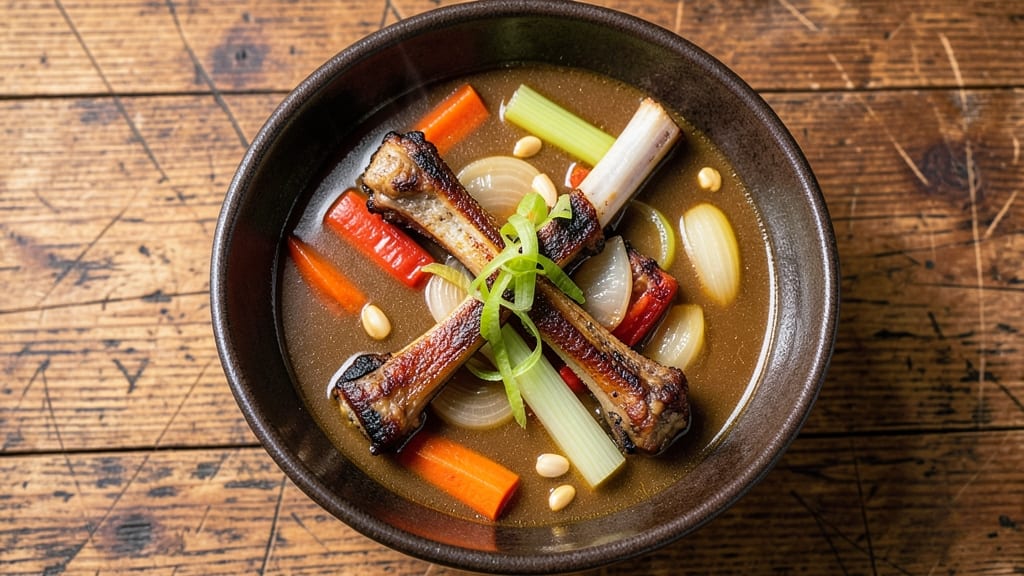
This beef rib bone soup recipe transforms tough bones into a rich, umami-packed broth that forms the heart of every meal. The secret lies in slow simmering—extracting collagen and marrow over 8-12 hours until the broth becomes velvety and deeply flavorful.
I've perfected this technique through years of testing, ensuring every sip delivers restaurant-quality depth without the fuss of professional equipment.
The process begins with a flavor base of onions, garlic, and ginger—caramelized gently to build complexity—before adding rib bones and aromatics. As the broth develops, you'll skim impurities and occasionally add water to maintain volume, resulting in a clear, golden liquid that's the soul of this dish.
The optional protein additions (shredded beef, mushrooms, or tofu) turn it into a complete meal.
What you'll achieve is a soup that's both comforting and sophisticated—deeply savory with a natural richness that pairs perfectly with crusty bread or steamed rice. The slow cooking transforms bones into a nutrient-dense broth while creating melt-in-your-mouth beef that falls apart at the touch of a fork.
This is the kind of soup that improves with each passing day as flavors meld.
Whether you're preparing for a family gathering or a cozy weeknight dinner, this recipe delivers foolproof results. The technique scales easily, making it ideal for batch cooking and freezing. Once you taste the difference between store-bought broth and this homemade version, you'll never go back to instant packets again.
Ingredients for beef rib bone soup
These ingredients transform tough bones into restaurant-quality umami broth through slow simmering magic.
| Ingredient | Amount | Notes |
|---|---|---|
| Beef Rib Bones 🦴 | 4 lb | Marbled, with some meat attached |
| Yellow Onions 🧅 | 2 whole | Chopped, medium size preferred |
| Garlic Cloves 🧄 | 8 cloves | Peeled, smashed for deeper flavor |
| Fresh Ginger 🌿 | 2 tbsp | Grated, aromatic variety |
| Carrots 🥕 | 4 whole | Medium, peeled and cut into chunks |
| Celery Stalks 🧆 | 4 whole | Cut into 2-inch pieces |
| Tomatoes 🍅 | 3 whole | Ripe, crushed by hand |
| Bay Leaves 🌿 | 2 whole | Dried, standard size |
| Black Peppercorns 🌶️ | 1 tbsp | Crushed, freshly ground preferred |
| Salt 🧂 | 2 tsp | Diamond Crystal preferred |
| Water 💧 | 16 cups | Cold, filtered preferred |
| Apple Cider Vinegar 🍎 | 1 tbsp | For brightness, optional |
| Shredded Beef 🥩 | 2 cups | Optional, from cooked bones |
| Fresh Parsley 🌿 | ¼ cup | Chopped, for garnish |
The bones are everything here. Look for beef rib bones with good marbling—they'll yield the richest broth. Your butcher can usually cut them for you, but if not, ask for beef rib bones with some meat still attached. I always buy mine from Whole Foods or a local butcher shop because they handle the bones better than regular grocery stores. The difference in flavor is noticeable. For the aromatics, yellow onions and carrots should be fresh—no sad, limp vegetables here. The ginger? Use the aromatic kind, not the mild variety. It adds a subtle kick that balances the richness.
No beef rib bones? Chicken backs or pork femurs work in a pinch, but the flavor won't be the same. Running short on time? Store-bought bone broth can be added later, but trust me, homemade is worth the wait. The tomatoes can be canned San Marzano if fresh aren't in season—just crush them well. For the vinegar, apple cider vinegar adds brightness, but white wine vinegar works too. The bay leaves? Don't skip them—they're the secret to that deep, complex flavor. If you're making a big batch, double the spices and aromatics. The broth improves with time, so don't rush it.
This soup gets better with age—3-4 days in the fridge is ideal. Store it in glass jars with tight lids to preserve flavor. For freezing, portion into 1-cup servings—they thaw perfectly for quick meals. The shredded beef, if using, should be added back after reheating. Garnish with fresh parsley right before serving—it adds a pop of color and freshness. Leftovers? Reheat gently on the stove, never microwave. The texture changes if you're not careful.
Why You'll Love This Recipe
- No-Fuss Simmer: The bones go straight from fridge to pot—no pre-marinating, no fancy prep. Just toss in onions, garlic, and ginger, add water, and let the magic happen while you handle the rest of your day.
- Deep Umami Magic: That first sip? Pure satisfaction. The rib bones melt into the broth, turning it rich and velvety, while the ginger and garlic add a warm, spicy kick that lingers.
- Leftover Goldmine: This soup only gets better after day two. The flavors deepen, and the broth thickens—perfect for reheating lunches or freezing for those "I’m too tired to cook" nights.
- Budget Warrior: Beef rib bones are cheaper than steaks but pack serious flavor. A single batch stretches to feed four for dinner, then two more for lunch—no wasted ingredients, just pure value.
Step-by-step instructions for beef rib bone soup
Here's how to transform tough bones into rich, velvety soup with layers of umami flavor.
Sear the Beef Rib Bones for Deep Flavor
Preheat your largest pot over medium-high heat. Arrange the 4 lb beef rib bones in a single layer, cut-side down. Let them sear undisturbed for 8-10 minutes until they develop a deep mahogany crust. This caramelization forms the flavor foundation of your soup.
I like to turn the bones occasionally with tongs, but don't rush this step. You're building flavor through the Maillard reaction, not just browning. The bones should release a rich, meaty aroma as they sear. Once properly browned, transfer them to a plate and set aside.
Build the Aromatic Base
In the same pot, add 2 tablespoons fresh ginger and cook for 1 minute until fragrant. Add the 2 whole chopped yellow onions and cook for 5 minutes until softened and golden. Stir occasionally to prevent burning.
Add the 4 whole carrots cut into chunks and 4 whole celery stalks cut into 2-inch pieces. Cook for another 5 minutes until the vegetables begin to soften. This step develops the soup's sweet, savory base. The vegetables should be tender but not mushy.
Add Liquids and Simmer the Bones
Pour in the 16 cups cold water and scrape up any browned bits from the bottom of the pot. This deglazing captures all that concentrated flavor. Add the 1 tablespoon crushed black peppercorns, 2 whole bay leaves, and 2 teaspoons salt. Return the seared bones to the pot.
Bring to a gentle boil, then reduce heat to medium-low to maintain a bare simmer. The liquid should bubble gently with occasional small bubbles breaking the surface. Cover partially and simmer for 2 hours skimming any foam that rises to the surface. This initial simmer extracts collagen from the bones, creating the soup's signature richness.
Incorporate Remaining Ingredients
After 2 hours, add the 8 smashed garlic cloves, 3 whole crushed tomatoes, and 1 tablespoon apple cider vinegar. The vinegar adds brightness that cuts through the soup's richness. Stir gently and continue simmering uncovered for another 1-2 hours until the vegetables are tender and the meat is easily shredded from the bones.
I know it seems like a long cook time, but this is where the magic happens. The bones break down completely, releasing gelatin that transforms your soup from clear broth to thick, velvety perfection. You'll know it's ready when the bones can be easily separated from the meat with a spoon.
Finish and Serve
Using tongs, transfer the bones to a plate and let cool slightly. Shred the meat from the bones using two forks, discarding any remaining bone fragments. Return the shredded meat to the pot along with the 2 cups shredded beef if using. Stir well to combine.
Taste and adjust seasoning with additional salt if needed. Ladle the soup into bowls and garnish each serving with 0.25 cup chopped fresh parsley. The parsley adds freshness that balances the soup's deep umami flavors. Serve immediately with crusty bread to soak up every last drop of that rich, velvety broth.
Pro Tips For Making Beef Rib Bone Soup
- Char the Bones First: Skip the slow start—sear the rib bones in a dry pot over high heat until they turn deep brown. This isn’t just for flavor; it’s the foundation. I used to rush this step, and the broth always tasted flat. Ten minutes of blackened crust? Worth it.
- Slice Ginger Thin: No need for julienne precision, but avoid big chunks—slice ginger into paper-thin rounds so it infuses without turning the broth bitter. My grandmother swore by this, and she was right: thin slices melt into the liquid without overpowering.
- Simmer Low and Long: Once the bones are covered, drop the heat to a bare simmer—just enough to see tiny bubbles at the edges. Too much heat = cloudy broth. I learned this the hard way after three batches of murky soup. Patience here makes all the difference.
- Add Carrots Late: Toss whole carrots in at the 2-hour mark instead of the start—they’ll hold their shape and sweetness. I was skeptical until I tried it; early addition turns them mushy, and no one wants that in a broth where texture matters.
Wine and beer pairings for this recipe
Red Wine Pairings
For this deep, umami-rich beef rib bone soup, I always reach for a bold red wine that can stand up to its complexity. A Cabernet Sauvignon from Napa Valley—like Caymus Vineyards—works beautifully with its dark fruit and earthy undertones.
The tannins in the wine complement the soup's richness without overpowering it. 🍷
If you prefer something lighter, a Syrah from the Rhône Valley offers vibrant peppery notes that cut through the soup's velvety texture. Look for Guigal Côte-Rôtie—its smoky character pairs perfectly with the caramelized onions and slow-cooked beef. Both wines enhance the soup's depth rather than compete with it.
White Wine Options
Surprisingly, certain white wines can work too, especially if you're serving this soup during warm weather. A Chardonnay with good acidity—like Kendall-Jackson Vintner's Reserve—brings bright citrus notes that refresh your palate between rich spoonfuls. The wine's buttery texture also mirrors the soup's velvety mouthfeel. 🍷
For a more aromatic choice, try a Viognier from California. Its floral and stone fruit notes provide a lovely contrast to the soup's savory depth. I like Rochester Hills Viognier—it's crisp enough to cleanse your palate while complementing the umami flavors.
Beer Pairings
A dark lager is my go-to beer pairing for this soup. Samuel Adams Black Lager delivers malty sweetness and roasted notes that echo the caramelized onions and slow-cooked beef. The beer's carbonation also helps cut through the soup's richness. 🍺
For craft beer lovers, a Belgian Dubbel like Westmalle Dubbel offers a perfect balance. Its caramel and dark fruit flavors harmonize with the soup's depth, while the slight bitterness keeps things interesting. Serve it slightly chilled to let the beer's complexity shine alongside the warm soup.
Non-Alcoholic Options
Don't overlook non-alcoholic pairings! A sparkling apple cider like Martinelli's adds a crisp, refreshing contrast to the soup's richness. The effervescence cleanses your palate between bites, making each spoonful taste even more vibrant. 🍎
For a more sophisticated option, try a hibiscus tea infused with a splash of pomegranate juice. The tartness and floral notes create a beautiful contrast to the soup's umami depth while keeping things refreshing. Serve it chilled for the best experience.
Nutrition facts
Frequently asked questions
How long should I simmer beef rib bones for maximum flavor?
For the deepest flavor, simmer the bones for 8-12 hours on low heat. This extended time breaks down collagen and marrow, creating a rich, velvety broth. Start with 2 hours to extract initial collagen, then continue until the bones are fragile and the broth thickens naturally.
Can I use a pressure cooker or Instant Pot instead of slow simmering?
Yes! A pressure cooker cuts cooking time to 3-4 hours while still extracting rich flavors. Use the same ingredients, but reduce water by 25% since pressure builds steam. Release pressure naturally for the best results. The broth will be just as flavorful—just slightly less gelatinous.
What can I do if my broth turns cloudy?
Cloudiness usually means impurities haven't been skimmed properly. Strain the broth through a fine-mesh sieve or cheesecloth for a crystal-clear result. For extra clarity, chill the broth overnight—the fat will solidify on top, making it easy to remove.
How do I store leftover beef rib bone soup?
Store in airtight glass jars in the fridge for up to 4 days or freeze in 1-cup portions for up to 3 months. Thaw overnight in the fridge—never microwave. The flavor actually improves over time as the broth melds further.
Can I make this soup vegetarian?
Replace beef bones with mushroom stems, carrot peels, or kombu seaweed for umami depth. Add tofu or tempeh for protein and simmer for 6-8 hours. The broth will be lighter but still deeply flavorful.