
Soups & Stews
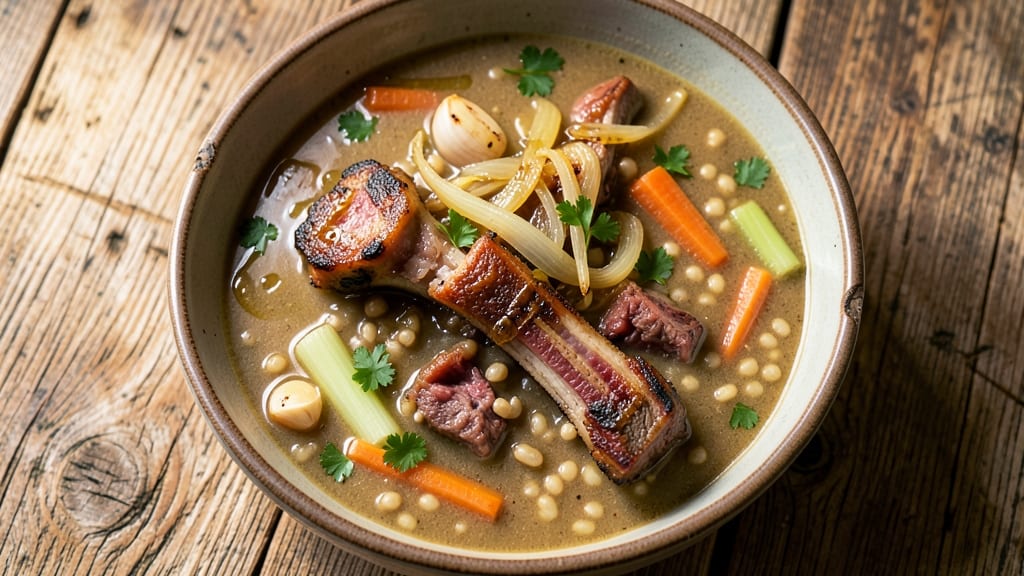
Transforming prime rib bones into a deeply umami-rich beef barley soup is where comfort food meets culinary craftsmanship. The secret lies in slow-roasting the bones until they develop a caramelized crust, unlocking layers of flavor that infuse the broth with unmatched depth.
This isn't your average barley soup—it's a labor of love that rewards patience with every spoonful of velvety, meaty goodness.
The process begins with charring the bones, a technique that concentrates their natural collagen into a gelatinous, flavor-packed broth. As the soup simmers, barley transforms from chewy to tender, soaking up the rich bone marrow essence while vegetables like carrots and celery add sweetness and structure.
The result is a harmonious balance of textures and flavors that feels both rustic and refined.
What sets this recipe apart is the prime rib bones—their marrow and connective tissue create a broth so luxurious it rivals restaurant-quality consommé. The barley absorbs this richness, becoming the perfect vehicle for the deep, savory notes.
Each bowl delivers a symphony of umami, with the bones contributing both substance and elegance to an otherwise simple dish.
Perfect for chilly evenings or when you crave a meal that nourishes both body and soul, this soup scales beautifully for gatherings or leftovers that taste even better reheated. The charred bone aroma alone will have everyone anticipating dinner hours before it's ready. Let's create this masterpiece together.
Ingredients for beef barley soup recipe with prime rib bones
Six pounds of prime rib bones and simple pantry staples create restaurant-quality broth.
| Ingredient | Amount | Notes |
|---|---|---|
| Prime Rib Bones 🦴 | 4 lb | With marrow intact, charred for depth |
| Pearl Barley 🌾 | 1 ½ cups | Uncooked, rinsed thoroughly |
| Yellow Onion 🧅 | 1 whole | Medium size, roughly chopped |
| Carrots 🥕 | 4 pieces | Peeled, cut into 1-inch chunks |
| Celery Stalks 🧄 | 4 pieces | Trimmed, cut into 1-inch sections |
| Garlic Cloves 🧄 | 6 cloves | Peeled, lightly crushed |
| Fresh Thyme 🌿 | 2 tbsp | Leaves only, stems removed |
| Fresh Parsley 🌿 | ¼ cup | Chopped, for garnish |
| Tomato Paste 🍅 | 2 tbsp | Smooth, not chunky |
| Red Wine 🍷 | 1 cup | Dry, like Cabernet Sauvignon |
| Beef Broth 🥫 | 8 cups | Homemade or high-quality store-bought |
| Olive Oil 🫒 | ¼ cup | Extra-virgin for roasting bones |
| Salt 🧂 | 2 tsp | Diamond Crystal kosher salt |
| Black Peppercorns 🌶️ | 1 tsp | Freshly cracked, coarse grind |
| Bay Leaves 🍃 | 2 whole | Dried, for simmering |
The bones are non-negotiable—look for prime rib with marrow still intact at your butcher shop or Costco. If you can't find prime rib, beef marrow bones work too, but the flavor won't be as rich. Char them until deeply browned (almost black in spots) for maximum umami. Whole Foods or specialty grocers often carry the best quality, but don't overlook your local butcher—they'll know exactly what you need. Fresh thyme and parsley? Trader Joe's has great pre-bundled sprigs, or grab them from the produce section if they're still bright green.
No red wine? Dry white wine or extra beef broth works in a pinch, but the acidity helps break down the bones faster. Pearl barley can be swapped for wild rice blend if you prefer, though it'll take longer to cook. The tomato paste adds depth—if you're using the squeeze tubes from Trader Joe's, just measure by weight (2 tbsp = ~1 oz). For the celery, the leafy tops are edible too, so use them if you're feeling adventurous. And if you're short on time, pre-chopped mirepoix from the grocery store freezer section saves minutes without sacrificing flavor.
This soup tastes even better the next day as flavors meld. Store leftovers in the fridge for up to 5 days or freeze for 3 months—portion into containers so you can reheat just what you need. The barley thickens as it cools, so add a splash of broth when reheating. For serving, I like to toast extra barley in a dry pan with butter until nutty, then sprinkle over the top. The charred bone aroma alone will make your kitchen smell like a Parisian bistro.
Why You'll Love This Recipe
- Bone-Broth Magic: I swear by those prime rib bones—simmer them long enough, and the broth turns into liquid gold. No fancy techniques, just dump-and-go after the initial chopping.
- Umami Bomb: That first spoonful? Rich, deep, and packed with flavor from the marrow and bones. The barley soaks it all up, but the broth itself is so good, you’ll want to sip it straight.
- Weeknight Workhorse: Make a double batch on Sunday, and you’ve got lunch for days. Freezes beautifully, too—just reheat and serve, no stress.
- Budget-Friendly Luxury: Prime rib bones might sound fancy, but they’re cheaper than steak and stretch into meals for the whole family. Plus, the barley keeps everyone full for hours.
Step-by-step instructions for beef barley soup with prime rib bones
Here's how to transform prime rib bones into a soul-warming soup with rich umami depth.
Char the Prime Rib Bones for Maximum Flavor
Preheat your oven to 450°F and position a rack in the middle position. Place the 4 lb prime rib bones on a baking sheet lined with aluminum foil, marrow-side up. Brush them generously with the ¼ cup olive oil to help create that signature char.
Roast for 20-25 minutes until the bones develop deep brown char marks and the marrow begins to bubble. This step is what gives your soup its unmatched depth of flavor—those charred surfaces release complex, smoky compounds when simmered. Turn the bones occasionally for even browning, and resist the urge to move them too soon. You're looking for a dark, almost blackened crust that will dissolve into the broth later.
Build the Aromatic Base with Vegetables
While the bones roast, heat a large Dutch oven over medium heat. Add the roughly chopped yellow onion, 1-inch carrot chunks, and 1-inch celery sections. Cook for 8-10 minutes until the vegetables soften and the onion becomes translucent.
Add the 6 lightly crushed garlic cloves and 2 tbsp tomato paste, stirring to coat everything evenly. Cook for another 2 minutes until the garlic releases its aroma and the tomato paste develops a slightly caramelized flavor. This aromatic base forms the flavor foundation for your entire soup, so don't rush this step. The vegetables should be tender but not falling apart—they'll continue cooking in the broth.
Create the Bone Broth Foundation
Transfer the charred bones to the Dutch oven with the vegetable mixture. Add the 1 cup red wine and scrape up any browned bits from the bottom of the pan—this is where all the concentrated flavor lives. Let the wine reduce by half, about 3-4 minutes, until it develops a syrupy consistency.
Pour in the 8 cups beef broth, then add the 2 whole bay leaves, 2 tsp salt, and 1 tsp freshly cracked black peppercorns. Bring to a gentle simmer, then reduce heat to maintain a barely bubbling state. Cover partially and let it simmer for 45 minutes, skimming off any foam that rises to the surface. This initial broth extraction is crucial—it pulls all the collagen and gelatin from the bones, creating that signature silky texture.
Add Barley and Herbs for Hearty Texture
After the initial simmer, add the 1.5 cups rinsed pearl barley and the 2 tbsp fresh thyme leaves. Stir gently to distribute the barley evenly throughout the broth. The barley should be fully submerged—if not, add a splash of water or broth to cover it completely.
Continue simmering uncovered for another 45-50 minutes, stirring occasionally. You'll notice the barley plumps up and the broth becomes progressively richer as it absorbs all the bone marrow and collagen. The soup should be thick but still spoonable—this is where the magic happens. The barley should be tender but still hold its shape with a slight bite, not mushy. Taste and adjust seasoning if needed, adding more salt or pepper as necessary.
Finish with Fresh Herbs and Garnish
Remove the bones from the soup and discard them (or save for another use if you're feeling ambitious). Stir in the ¼ cup chopped fresh parsley just before serving. The parsley adds a bright, fresh contrast to the rich, umami broth and helps cut through the heartiness of the barley.
Ladle the soup into bowls and serve immediately. The perfect bowl should have that deep, caramelized color from the charred bones, with barley that's tender but still maintains some texture. Each spoonful should deliver layers of flavor—sweet caramelized vegetables, rich umami from the bone broth, earthy barley, and bright fresh herbs. Serve with crusty bread to soak up every last drop of that luxurious broth.
Pro Tips For Making Beef Barley Soup Recipe With Prime Rib Bones
- BLANCH THE VEGETABLES FIRST: Toss chopped carrots, celery, and onions into boiling water for 2 minutes before adding them to the pot. This softens them slightly and prevents them from turning to mush later—trust me, skipping this step means you’ll end up with a soup where the veggies disappear into the broth.
- SIMMER THE BONES LONG ENOUGH: Don’t rush the bone rendering. After browning, cover the prime rib bones with water, bring to a boil, then reduce to a gentle simmer and let them cook uncovered for at least 2 hours. This is where the rich, gelatinous flavor comes from—cutting corners here means a broth that’s more water than depth.
- SALT THE BARLEY BEFORE COOKING: Soak the pearl barley in salted water (1 tsp salt per quart) for 30 minutes before adding it to the soup. This keeps the grains from absorbing too much liquid and turning mushy—plus, it speeds up cooking time by about 20 minutes. (Yes, even if you’re impatient like me.)
- USE A LITTLE WINE OR VINEGAR: After browning the bones, deglaze the pot with ½ cup of dry red wine or apple cider vinegar. It cuts through the richness and adds a brightness that balances the deep, meaty flavor—something store-bought broths can’t replicate. (Sounds weird, but it works.)
Make-ahead tips for this beef barley soup recipe with prime rib bones
Broth Prep Ahead
Start the broth preparation a day in advance—this is where the magic happens. Char the bones and simmer them with vegetables and wine for 45 minutes, then strain and refrigerate.
The broth will develop deeper flavor as it cools, and any fat will solidify on top for easy removal. Store in an airtight container and skim off hardened fat before reheating. 🥫
For even more richness, double the broth and freeze half in 1-cup portions. These frozen cubes are perfect for quick soups or sauces later—just toss them into your Dutch oven when ready to cook. I keep a stash of these in my freezer for lazy weeknights.
Barley Pre-Soaking
Pearl barley benefits from a 15-minute soak in cold water before adding it to the soup. Drain well and rinse under cold water to remove excess starch.
This step prevents the barley from clumping and ensures even cooking. I like to soak it in a fine-mesh strainer in the sink for easy draining. 🌾
For meal prep, cook the barley separately in broth until tender (about 45 minutes), then store it in the fridge. When ready to assemble the soup, simply reheat the broth and stir in the pre-cooked barley.
This saves 30 minutes of simmering time and keeps the barley perfectly tender.
Freezer-Friendly Assembly
Assemble the soup up to 3 days ahead and store in an airtight container in the refrigerator. The flavors deepen over time, and the barley absorbs the broth beautifully.
When reheating, add ½ cup water or broth to prevent thickening. I like to reheat it on the stovetop over medium-low heat for 10-15 minutes, stirring occasionally. 🔥
For freezing, portion the soup into quart-sized freezer bags or glass containers, leaving 1 inch of headspace for expansion. Label with the date—it keeps well for up to 3 months.
Thaw overnight in the fridge before reheating. The texture might thicken slightly after freezing, so add extra broth when reheating.
Garnish Prep
Chop the fresh parsley and store it in a small airtight container in the fridge for up to 5 days. Keep it dry to prevent wilting. For a crunchy garnish, toast extra barley in a dry pan with 1 tbsp butter until golden and nutty.
Sprinkle over the soup just before serving for added texture. ✨
For a make-ahead garnish, blanch the parsley in boiling water for 30 seconds, then plunge into ice water to stop cooking. Drain well and store in a sealed container with a paper towel to absorb moisture. This keeps it fresh-tasting for up to 5 days in the fridge.
Nutrition facts
Frequently asked questions
Why do we char the prime rib bones before cooking?
Charred bones create a deep, smoky crust that dissolves into the broth, adding layers of umami flavor. The Maillard reaction from browning develops complex caramelized notes that transform a simple broth into something restaurant-quality. Don't skip this step—it's what makes this soup truly special!
Can I substitute regular beef bones for prime rib bones?
While you can use other beef bones, prime rib provides the richest flavor and most marrow. For a similar result, try beef marrow bones or chuck bones—just roast them until deeply browned. Avoid knuckle bones, which lack the same gelatin content and flavor depth. The difference is noticeable!
How do I know when the barley is perfectly cooked?
The barley should be tender but still hold its shape—like al dente pasta. Test by tasting a grain: it should be soft with a slight bite, not mushy. Cooking time varies, but 45-50 minutes is standard for pearl barley in this recipe. If it's still chewy, simmer uncovered for another 10 minutes.
What if I don't have red wine for deglazing?
No problem! Use dry white wine, beef broth, or even apple cider vinegar (1 tbsp) mixed with broth. The acidity helps break down the bones and develop flavor. If using vinegar, reduce the amount slightly—it's more concentrated than wine. The soup will still turn out delicious!
Can I make this soup in an Instant Pot?
Yes, but with adjustments: Char the bones first, then sauté veggies and deglaze normally. Add all ingredients except barley, pressure cook for 90 minutes on high, then stir in barley and cook for another 15 minutes on high pressure. The barley may need extra time—check for doneness. The Instant Pot version is faster but lacks the depth of stove-top simmering.