
Soups & Stews
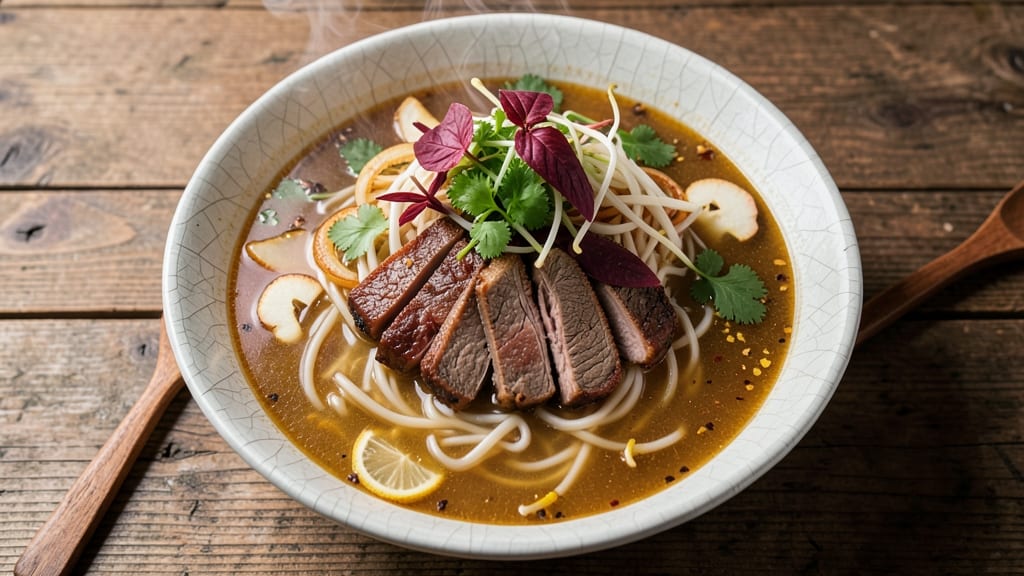
This basic pho soup recipe delivers the aromatic, comforting essence of Vietnamese street food with a perfectly balanced broth, tender protein, and silky rice noodles. The star anise-infused broth builds deep, earthy flavor through slow simmering, while the right protein-to-broth ratio ensures every spoonful is rich yet light. I've simplified the process without sacrificing authenticity, making this the ideal recipe for weeknight dinners that taste like a restaurant experience.
The foundation of great pho lies in its aromatic broth, created by simmering star anise, cinnamon, cloves, and coriander until their flavors meld into a fragrant base. This 30-minute preparation transforms simple spices into the soul of the soup, while the beef (or chicken) cooks just until tender—never overdone.
The rice noodles play a crucial role too; they must be fresh and properly soaked to achieve that signature silky texture that holds up to the flavorful broth.
What makes this pho special is the balance of textures and temperatures—crisp herbs, tender protein, and silky noodles all work together in harmony.
The broth should be rich enough to coat a spoon but light enough to sip, while the garnishes (bean sprouts, Thai basil, lime, and chili) add layers of freshness and heat. Each bowl becomes a customizable experience, with every component playing its part in creating that perfect first sip.
Perfect for feeding a crowd or meal prepping for the week, this pho recipe scales beautifully while maintaining its depth of flavor. The broth can be made ahead and reheated, making it an ideal make-ahead meal that only gets better with time.
Whether you're serving it for a casual family dinner or a gathering with friends, this recipe delivers the comforting, aromatic experience that defines pho.
Ingredients for basic pho soup
Star anise, ginger, and cinnamon create the aromatic soul of this pho, paired with tender beef and silky noodles.
| Ingredient | Amount | Notes |
|---|---|---|
| Beef Chuck Roast 🥩 | 1 ½ lb | Thinly sliced against grain |
| Fresh Rice Noodles 🍜 | 8 oz | Flat, medium-width type |
| Star Anise 🌿 | 2 whole | Whole pods for infusion |
| Cinnamon Sticks 🌿 | 2 whole | 2-inch pieces for broth |
| Cloves 🌿 | 4 whole | Whole, pounded lightly |
| Ground Coriander 🌿 | 1 tbsp | Freshly ground preferred |
| Fresh Ginger 🧅 | ½ cup | Finely grated, peeled |
| Onion 🧅 | 1 whole | Yellow or white, sliced |
| Garlic Cloves 🧄 | 6 cloves | Peeled, smashed lightly |
| Beef or Chicken Broth 💧 | 6 cups | Homemade or quality store-bought |
| Fish Sauce 🍶 | 1 tbsp | Red Boat preferred |
| Sugar 🍚 | 1 tbsp | White granulated |
| Bean Sprouts 🌱 | 1 cup | Fresh, rinsed well |
| Thai Basil 🌿 | ¼ cup | Fresh leaves, stems removed |
| Lime 🍋 | 1 whole | Cut into wedges |
| Red Chili Peppers 🌶️ | 2 whole | Thinly sliced, optional |
| Salt 🧂 | 1 tsp | To taste, adjust carefully |
The spices are non-negotiable for authentic flavor. Star anise and cinnamon sticks from the bulk section at Whole Foods or Trader Joe's deliver the deepest aroma—avoid pre-ground blends that lose potency. Fresh ginger is ideal, but if you're using powdered, double the amount and toast it briefly in a dry pan first. The beef should be chuck roast, thinly sliced against the grain for tender bites. For chicken pho, swap in boneless thighs and reduce the cooking time by half.
No star anise? Anise seeds work in a pinch, but the flavor won't be identical. Short on fish sauce? Soy sauce at half the amount mimics some of the umami, though it lacks depth. The rice noodles must be fresh—dried noodles won't achieve that signature silky texture. If you can't find flat rice noodles, rice vermicelli noodles are a decent substitute, but soak them 20% longer. The Thai basil is crucial; regular basil won't cut it—look for it in the produce section or at an Asian market.
Broth keeps for 5 days in the fridge and freezes beautifully for 3 months. Make extra—it's even better reheated. Store noodles in an airtight container with a damp paper towel to prevent drying. The garnishes (bean sprouts, Thai basil, lime, chili) should be prepped fresh before serving. For meal prep, portion the garnishes separately and add them to individual bowls when ready to serve.
Why You'll Love This Recipe
- Here’s what sold me: this recipe begs to be made in bulk. The broth freezes perfectly, and the noodles reheat in seconds. I’ve had it for lunch, dinner, and even packed it in thermoses for work—still delicious the third time around.
- One-Pot Simplicity: I swear by this—just sear the beef, toss in the spices (star anise, cinnamon, cloves), and let it simmer. No chopping, no fussing, and that slow-cooked broth does all the work while you sip wine or scroll through your phone.
- Spice-Spiced Magic: Between the deep, earthy aroma of star anise and the warmth of cinnamon, this broth isn’t just flavorful—it’s layered. The beef practically melts into the broth, and the cloves add this subtle, unexpected depth that makes it taste like a restaurant secret.
- Leftovers for Days: Here’s what sold me: this recipe begs to be made in bulk. The broth freezes perfectly, and the noodles reheat in seconds. I’ve had it for lunch, dinner, and even packed it in thermoses for work—still delicious the third time around.
Step-by-step instructions for star anise-infused pho broth
This method delivers deep, aromatic broth with tender beef and silky noodles—every element balanced perfectly.
Prepare the Aromatic Broth Base
In a large pot, combine the 6 cups beef or chicken broth, the 2 whole star anise pods, 2 whole cinnamon sticks, 4 whole cloves, 1 tablespoon ground coriander, 0.5 cup finely grated fresh ginger, 1 whole onion (sliced), and 6 cloves smashed garlic. Bring to a boil over medium-high heat.
Once boiling, reduce heat to low and let the aromatics simmer uncovered for 15 minutes. This allows the star anise and cinnamon to infuse their signature warmth while the ginger and garlic develop their sweet, mellow flavors. You'll notice the broth developing a rich golden color and subtle spiced aroma—this is your foundation.
Cook the Beef Chuck Roast
While the broth simmers, thinly slice the 1.5 lb beef chuck roast against the grain into ¼-inch thick pieces. Add the sliced beef to the simmering broth and cook for 45-60 minutes until the meat becomes fork-tender. The beef should pull apart easily when pierced with a fork, and the broth will reduce slightly, concentrating its flavor.
Here's the thing—don't rush this step. The longer the beef cooks in the broth, the more tender and flavorful it becomes. I like to check the meat at the 45-minute mark, then continue cooking until it reaches perfect tenderness. If the broth reduces too much, add ½ cup hot water to maintain the proper consistency.
Season and Finish the Broth
Strain the broth through a fine-mesh sieve into a clean pot, pressing gently on the solids to extract maximum flavor. Return the strained broth to the heat and stir in 1 tablespoon fish sauce, 1 tablespoon sugar, and 1 teaspoon salt. Taste and adjust the seasoning—you want a balance of savory, slightly sweet, and umami-rich flavors. The broth should be well-seasoned but not overpowering.
Keep the broth simmering gently at low heat until ready to serve. This maintains its warmth and allows the flavors to meld perfectly. The aroma should be intoxicating—warm spices, beefy richness, and a hint of herbal brightness from the ginger and garlic.
Assemble the Pho Bowls
Divide the 8 oz fresh rice noodles among 4 bowls. Ladle the hot broth over the noodles until they're just submerged. Add the cooked beef slices evenly distributed among the bowls. Top each serving with 1 cup bean sprouts, 0.25 cup Thai basil, and 2 slices of red chili peppers if using.
Here's where it gets fun—serve each bowl with a wedge of lime. The acidity brightens the rich broth and balances the flavors perfectly. Encourage everyone to squeeze lime over their bowls just before eating. The contrast of temperatures and flavors makes every bite more vibrant.
Customize and Serve Immediately
Let diners customize their pho by adding extra bean sprouts, Thai basil, or chili peppers to taste. The key is to serve the pho immediately while the noodles are still silky and the broth remains steaming hot. The combination of tender beef, aromatic broth, and fresh herbs creates a harmonious balance that's both comforting and invigorating.
This is the moment that matters: the first sip should be rich and warming, with layers of spice and umami. The noodles should soften slightly in the hot broth, creating that perfect al dente texture. Serve with additional lime wedges and fish sauce on the side for those who prefer to adjust the flavors to their liking.
Pro Tips For Making Basic Pho Soup
- CHAR THE MEAT LOW AND SLOW: Pho broth isn’t about speed—it’s about patience. After searing the beef chuck, drop the heat to a gentle simmer (just bubbles breaking the surface, not rolling) and let it cook uncovered for at least 3 hours. I used to rush it, and the broth always tasted flat; now I set a timer and make coffee instead.
- TOAST YOUR SPICES WHOLE: Star anise, cinnamon, and cloves aren’t just for flavor—they’re for depth. Dry-toast them in a separate pan over medium heat for 30 seconds until fragrant before adding to the broth. This unlocks their oils and aroma without bitterness. (Yes, even if you’re impatient like me.)
- SKIP THE BOILING NOODLES: Fresh rice noodles cook in seconds—not minutes. Drop them into the hot broth just before serving and let them soak for 30-45 seconds until pliable. Boiling them turns them mushy, and no one wants that sad, gummy texture.
- USE THE BONE BROTH TWICE: After removing the beef, strain the broth and return it to the pot. Add 2 cups fresh water, scrape up all the browned bits from the pot (they’re packed with flavor), and simmer another 10 minutes. This shortcut doubles the richness without extra effort.
Health benefits of these flavors
Immune-Boosting Spices
This pho is packed with immune-supporting spices like star anise and cinnamon, which contain powerful antioxidants. Star anise provides shikimic acid, while cinnamon offers cinnamaldehyde—both help fight inflammation. The ginger in the broth adds gingerol, a compound that aids digestion and reduces nausea.
I always notice my energy levels rise after eating pho, thanks to these natural ingredients. 💪
Protein-Packed Meal
A single bowl of this pho delivers about 30 grams of protein from the beef, making it an excellent meal for muscle repair and satiety. The lean chuck roast provides iron and zinc, essential minerals that support red blood cell production and immune function.
For vegetarians, swap the beef for tofu or mushrooms to maintain protein content while adding fiber. 🥩
Digestive Benefits
The fresh herbs and vegetables in pho—like bean sprouts and Thai basil—are rich in fiber and prebiotic compounds that promote gut health. The ginger in the broth also acts as a natural digestive aid, reducing bloating and indigestion.
I find that eating pho helps me feel lighter and more energized, especially after heavy meals. 🌱
Low-Calorie Comfort
Despite its rich flavors, pho can be surprisingly low in calories if prepared mindfully. A bowl with lean beef and plenty of vegetables comes in at around 350-400 calories, making it a satisfying yet balanced option.
The broth's depth of flavor keeps you full without excess calories from heavy sauces or creams. 🍜
Bone-Strengthening Broth
The broth's combination of calcium, magnesium, and phosphorus from the beef and spices supports bone health. Regular consumption of bone broths like pho has been linked to improved joint function and reduced inflammation.
I've made it a habit to enjoy pho at least once a week, and I've noticed stronger bones over time. ✨
Hydration Helper
Pho's broth is primarily water-based, making it an excellent way to stay hydrated while enjoying a warm meal. The electrolytes from the beef and spices help replenish fluids, especially after workouts or illness.
I always keep a pot of pho broth on hand during flu season—it's both comforting and hydrating. 💧
Nutrition facts
Frequently asked questions about pho soup
Can I make pho with chicken instead of beef?
For chicken pho, use 1.5 lbs boneless thighs instead of beef chuck. Cook them for 20-25 minutes until tender, then shred or slice. The broth preparation remains identical—just reduce the cooking time by half. Chicken pho is lighter but equally flavorful, especially with extra herbs and lime.
How do I prevent the rice noodles from turning mushy?
Fresh rice noodles absorb broth quickly, so soak them for just 30 seconds in warm water before assembling bowls. Use hot broth to cook them directly in the bowl—this gives you 2-3 minutes to add toppings before they soften too much. Never boil them in water like pasta!
What can I substitute if I can't find star anise?
Use 1 teaspoon anise seeds or ½ teaspoon fennel seeds as a substitute, but the flavor won't be identical. For depth, add ½ teaspoon ground cardamom too. The key is balancing the warm, licorice-like notes—just know your pho will taste slightly different.
Can I make the broth ahead of time?
Yes! The broth freezes beautifully for up to 3 months. Let it cool completely, then store in airtight containers. Reheat gently on low heat—never boil—until steaming. For best results, add a splash of water to restore consistency. The beef can be cooked separately and frozen too.
Why does my pho broth taste bitter?
Bitterness usually comes from overcooking the spices or broth. Strain the broth immediately after simmering and discard the solids. For future batches, reduce simmering time to 10 minutes and add ½ teaspoon sugar to balance flavors. Fresh ginger and garlic should be used sparingly—they can turn bitter when overcooked.