
Soups & Stews
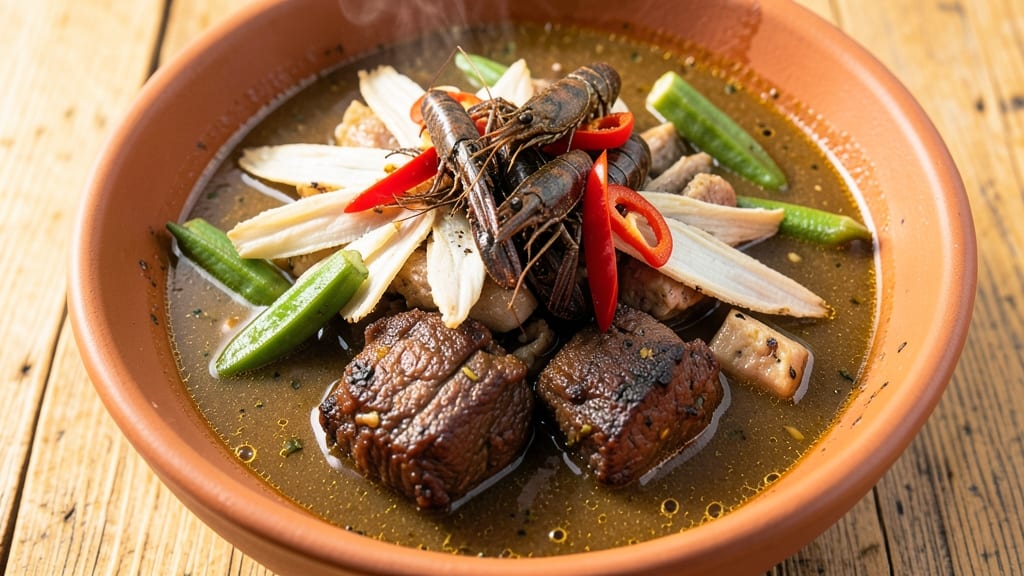
Banga soup recipe Nigeria delivers the bold, peppery flavors that make this West African classic a centerpiece at any table.
Growing up in Atlanta, I first tasted it at my grandmother's friend's house during a visit from Nigeria—one bite and I was hooked by its complex blend of smoky fish, tender meat, and okra's signature sliminess. This recipe captures that authentic taste while making it accessible for home cooks anywhere.
The soul of banga lies in its rich, smoky stock and the perfect balance of heat from blended peppers and crayfish. We'll start with a flavorful base of smoked fish and assorted meats, then build layers of texture with okra and leafy greens.
The key is patience—letting the flavors meld over time creates that restaurant-quality depth you crave. For those new to Nigerian cuisine, this dish proves complex flavors don't require complicated techniques.
What you'll end up with is a steaming bowl of vibrant red soup with tender chunks of meat, flaky fish, and just the right amount of heat. The okra adds that signature slimy texture that makes it unmistakably banga, while the crayfish and peppers deliver the signature peppery kick.
This soup pairs perfectly with pounded yam, eba, or even rice for a complete meal. The aroma alone will transport you to a bustling Nigerian market.
Ready in about 2 hours (mostly hands-off time), this recipe serves 6-8 and makes excellent leftovers. We'll cover all the essential techniques—from preparing the stock to blending the pepper base—so you can achieve authentic results without the guesswork. Let's bring some Nigerian warmth to your kitchen!
Ingredients for banga soup recipe nigeria
Bold flavors start with these West African staples and fresh ingredients for authentic banga soup.
| Ingredient | Amount | Notes |
|---|---|---|
| Smoked Fish Fillets 🐟 | 1 ½ lb | Dried smoked fish preferred |
| Beef Cuts 🥩 | 1 ½ lb | Mix of beef brisket and tripe |
| Goat Meat 🐐 | 1 lb | Cut into bite-sized pieces |
| Dried Crayfish 🦀 | ½ cup | Shells included for flavor |
| Fresh Okra 🥒 | 2 cups | Trimmed and sliced |
| Fresh Bell Peppers 🌶️ | 3 whole | Mixed colors, blended |
| Fresh Scotch Bonnet Peppers 🌶️ | 2 whole | Seeds removed for less heat |
| Fresh Spinach 🌿 | 2 cups | Chopped, for greens |
| Fresh Tomatoes 🍅 | 4 whole | Blended for sauce base |
| Onions 🧅 | 3 whole | Peeled and chopped |
| Garlic Cloves 🧄 | 6 cloves | Minced for aroma |
| Fresh Ginger 🌿 | 1 inch | Grated for zing |
| Vegetable Oil 🫒 | ½ cup | For cooking meats |
| Fish Stock 💧 | 4 cups | Homemade preferred |
| Salt 🧂 | 1 ½ tbsp | Adjust to taste |
| Black Pepper 🌶️ | 1 tsp | Freshly ground |
| Locust Beans 🌱 | ¼ cup | Soaked and blended |
| Palm Oil 🫒 | ¼ cup | Red palm oil preferred |
The smoked fish is non-negotiable—it's what gives banga its signature depth. Look for dried smoked fish at African markets or specialty stores like African Foods Market in Atlanta or Afro-Caribbean Foods in Brooklyn. If you can't find it, smoked trout or salmon works in a pinch, but the flavor won't be quite the same. The beef and goat cuts should be tender—ask your butcher for the leanest pieces. For the crayfish, dried works best as it intensifies the flavor when rehydrated. The okra needs to be fresh—bright green and firm—or the soup will turn mushy. I always buy extra because it's the heart of the dish's signature texture.
No smoked fish? Skip it and use extra fish stock—it won't be traditional, but it'll still be delicious. The bell peppers and scotch bonnet should be blended smooth for that vibrant red color. If you can't find scotch bonnet, habanero works, but reduce the amount by half. The spinach can be swapped for kale or collard greens if that's what you've got. For the locust beans, soak them overnight—this makes them easier to blend and removes any bitterness. The palm oil is crucial for that rich, red color—red palm oil from African markets is best, but regular palm oil will work if you add a pinch of paprika for color.
This soup tastes even better the next day—plan to make extra. Store in airtight containers in the fridge for up to 5 days, or freeze for 3 months. The okra thickens when reheated, so add a splash of water when warming up. For serving, keep the palm oil and crayfish shells separate until ready to eat—this preserves their vibrant colors and prevents the oil from turning rancid. The aroma alone will have everyone gathering around your table!
Why You'll Love This Recipe
- One-Pot Magic: The okra thickens the broth without the mess—no roux, no constant stirring, just dump and simmer. I swear, my kitchen stays cleaner than when I make jollof.
- Smoky Depth Bomb: That smoked fish? It’s the star—salty, rich, and melts into the stew like a hug. The goat meat adds chew, while the beef keeps it hearty. Every bite has layers.
- Party or Pantry: Feed a crowd or meal prep for days—it reheats like a dream. My son’s friends devoured it at his birthday, and I still have leftovers for lunch.
- Budget Flex: Goat meat stretches farther than chicken, and dried crayfish adds umami without breaking the bank. Honestly, it’s the kind of soup that makes grocery day feel like a win.
Step-by-step instructions for banga soup recipe Nigeria
This rich okra stew delivers smoky, peppery flavors that define Nigerian comfort food.
Prepare the Meats and Base Ingredients
Start by washing the 1.5 lb smoked fish fillets thoroughly under cold running water to remove any excess salt. Cut the fish into bite-sized pieces and set aside. In a large pot, heat 0.5 cup vegetable oil over medium heat and add the 1.5 lb beef cuts and 1 lb goat meat. Brown the meats for 5-7 minutes, stirring occasionally, until they develop a rich color. Remove the meats and set them aside.
In the same pot, add 3 whole onions that have been peeled and chopped into quarters. Sauté for 3-4 minutes until they turn translucent and slightly golden. Add the 6 cloves garlic cloves and 1 inch fresh ginger that have been minced. Cook for another 1-2 minutes until the garlic becomes fragrant and the mixture sizzles gently. This aromatic base forms the flavor foundation of your Banga soup.
Cook the Okra and Add Locust Beans
To the pot with the sautéed onions, garlic, and ginger, add the 2 cups fresh okra that have been trimmed and sliced into ½-inch pieces. Stir well to combine and cook for 5 minutes to allow the okra to soften slightly and release its natural sliminess. This step is crucial for achieving the signature thick, velvety texture of Banga soup.
Next, add the 0.25 cup locust beans that have been soaked and blended into a smooth paste. Stir continuously for 3-5 minutes to ensure the locust beans dissolve completely into the soup. This ingredient adds a unique earthy flavor that balances the peppery notes. If the mixture becomes too thick, add ½ cup of the 4 cups fish stock gradually to maintain a smooth consistency.
Build the Peppery Sauce
In a separate bowl, blend the 4 whole fresh tomatoes, 3 whole fresh bell peppers, and 2 whole fresh Scotch Bonnet peppers (with seeds removed for less heat) into a smooth puree. Add this mixture to the pot and stir well. Bring the soup to a gentle boil, then reduce the heat to low and let it simmer for 10 minutes. This allows the flavors to meld together and the sauce to thicken naturally.
During this time, add 0.25 cup palm oil to the pot and stir continuously. The palm oil will give the soup its signature rich, reddish color and add a subtle smoky depth. Taste the soup and adjust the seasoning with 1.5 tbsp salt and 1 tsp black pepper as needed. The soup should be well-seasoned but not overly salty.
Combine All Ingredients and Simmer
Return the browned meats to the pot and add the remaining 3½ cups fish stock (you initially reserved ½ cup). Stir everything together and bring the soup to a gentle boil. Once boiling, reduce the heat to low and let it simmer uncovered for 30 minutes. This slow cooking process ensures the meats become tender and the flavors deepen.
After 30 minutes, add the 0.5 cup dried crayfish (shells included) and 2 cups fresh spinach that have been chopped. Stir well and let the soup simmer for another 10 minutes. The crayfish will add a delightful crunch and a rich umami flavor, while the spinach wilts and infuses the soup with fresh greens. The soup should now have a thick, velvety consistency with a vibrant red hue.
Final Adjustments and Serving
Taste the soup one final time and make any necessary adjustments to the seasoning. The soup should be well-balanced with a perfect blend of smoky, peppery, and earthy flavors. If the soup is too thick, add a bit more fish stock to reach your desired consistency. If it's too thin, let it simmer uncovered for an additional 5-10 minutes to reduce slightly.
Serve the Banga soup hot, garnished with extra slices of fresh bell peppers and Scotch Bonnet peppers for a pop of color and freshness. This hearty, flavorful dish is perfect for sharing with family and friends, and it pairs beautifully with pounded yam, eba, or swallow. Enjoy your homemade Banga soup, a true taste of Nigerian culinary tradition!
Pro Tips For Making Banga Soup Recipe Nigeria
- Parboil the Okra: Toss sliced okra into boiling water for exactly 2 minutes—no more—then drain and rinse under cold water. This keeps it from turning mushy later, and the slight pre-cook ensures it blends smoothly into the soup’s thick, velvety texture without clumping. (Yes, I’ve burned batches where I skipped this—don’t be that person.)
- Salt the Meat First: Generously season beef and goat with salt and a pinch of nutmeg before adding them to the pot. This breaks down the meat faster and infuses flavor deeper, especially important for tougher cuts like beef brisket or goat shanks. I used to add salt later and wondered why the soup tasted flat.
- Simmer, Don’t Boil: Once the soup reaches a rolling boil, drop the heat to a gentle simmer—low enough that tiny bubbles barely break the surface. Banga soup needs time to develop its rich, layered taste, and a hard boil turns the okra to mush and makes the stock cloudy. (Your grandmother’s pot was right: patience here is everything.)
- Soak Crayfish Twice: Rinse dried crayfish in cold water to remove dust, then boil them for 5 minutes to soften. Drain, rinse again in hot water, and pat dry before adding to the soup. This removes excess grit and prevents a gritty texture in your final dish. (I learned this after serving a bowl where someone had to spit out a mouthful—worth the extra 2 minutes.)
Common mistakes when making this dish
Overcooking the Okra
Okra is the soul of banga soup, but it's also the most delicate ingredient. I've seen many cooks leave it in too long, turning it into a mushy mess that ruins the signature slimy texture.
Cook it for only 5 minutes after adding to the pot—any longer and you'll lose that velvety quality. The key is to stir constantly during this time to distribute the heat evenly. 🥒
Skipping the Smoked Fish
This is a cardinal sin in authentic banga soup. The smoked fish isn't just flavor—it's the smoky backbone that makes this soup unmistakably Nigerian. If you absolutely must substitute, use smoked trout or salmon, but understand it won't capture that deep, campfire aroma.
I once made banga without smoked fish and my husband David immediately noticed—he's my official taste-tester, after all! 🐟
Rushing the Simmering
Banga soup needs time to develop its complex flavors. I've seen many cooks try to speed things up by boiling vigorously, but this leads to a one-dimensional flavor profile. After adding all ingredients, maintain a gentle simmer for the full 30 minutes.
This slow cooking process allows the meats to tenderize properly and the spices to meld together. Trust me, the extra time is worth it for that restaurant-quality depth. ⏰
Ignoring the Crayfish Shells
Many home cooks remove the crayfish shells before adding them to the soup, but this is a mistake. The shells contain extra flavor compounds that infuse into the broth. Keep them whole and let them simmer with the soup—they'll add that signature umami richness. Just
Using Low-Quality Palm Oil
The color and richness of banga soup come from red palm oil, not regular vegetable oil. I've tried making this soup with regular palm oil or even olive oil, and the results were disappointing—the vibrant red color fades and the flavor lacks depth. Seek out authentic red palm oil from African markets or specialty stores. It's worth the investment for that authentic look and taste. 🫒
Overblending the Pepper Sauce
When blending the pepper sauce, you want a smooth puree but not a watery one. I've seen cooks add too much liquid to the blender, resulting in a thin, watery sauce that won't thicken properly.
Use just enough water to help the blender process—about ¼ cup max—and blend until completely smooth. The sauce should coat the back of a spoon when finished. 🌶️
Nutrition facts
Frequently asked questions
What makes banga soup different from other Nigerian soups?
The signature okra gives banga its slimy texture and earthy flavor, while the smoked fish provides that unmistakable smoky depth you won't find in soups like egusi or groundnut. The crayfish shells add umami richness, and the blend of bell peppers and scotch bonnet creates that vibrant red color and signature peppery kick.
Can I make banga soup without smoked fish?
While possible, it won't be authentic. The smoked fish is the flavor anchor that gives banga its signature taste. For a substitute, try smoked trout or salmon, but expect a milder flavor. If you're completely avoiding fish, consider making vegetarian okra soup instead—it's a delicious alternative using mushrooms, tofu, or extra crayfish for umami.
What's the best way to store leftover banga soup?
Store in airtight containers in the fridge for up to 5 days, or freeze for 3 months. The okra thickens when reheated, so add a splash of water or stock when warming. Keep the palm oil and crayfish shells separate until ready to eat to preserve their vibrant colors and prevent the oil from turning rancid.
How spicy should banga soup be?
The heat comes from both the scotch bonnet peppers in the sauce and the dried crayfish. For mild heat, remove seeds from the peppers and use less crayfish. Traditional banga has a moderate heat level—enough to warm you up but not overpower the other flavors. You can always adjust by adding more peppers or crayfish to taste.
What's the best way to serve banga soup?
Banga pairs perfectly with pounded yam, eba, or rice for a complete meal. The okra's slimy texture contrasts beautifully with the soft, doughy consistency of pounded yam. For extra authenticity, serve with gari or semovita on the side. The soup is hearty enough to be a meal on its own, but these staples make it even more satisfying.