
Soups & Stews
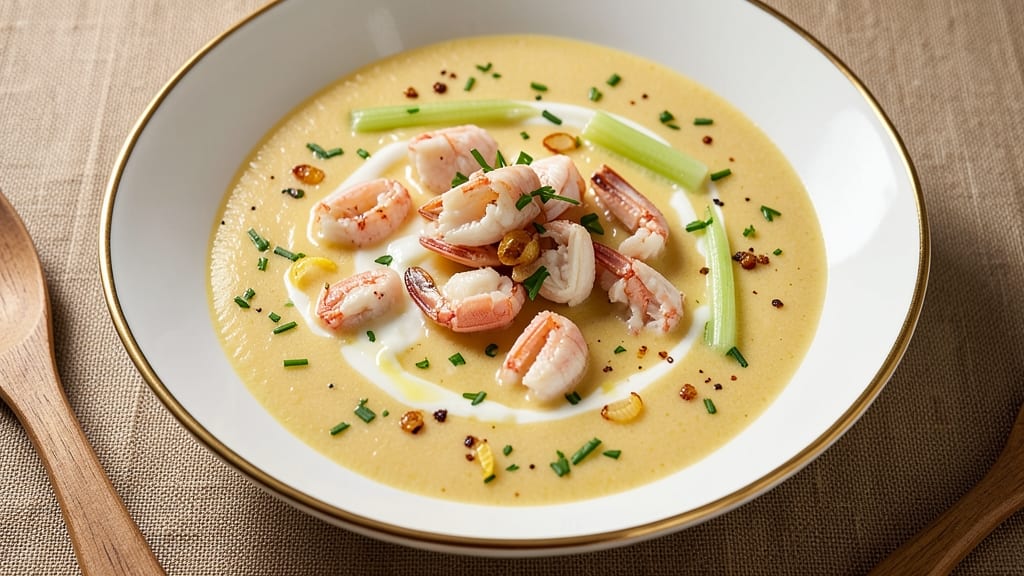
This award-winning Maryland cream of crab soup delivers the velvety richness and briny depth that define Chesapeake Bay cuisine—crafted to win over even the most skeptical seafood lovers. 🌟 The secret lies in slow-cooked blue crab infused into a silky roux base, balanced with just the right touch of sherry and Old Bay seasoning for that signature Maryland flavor.
Every spoonful promises a luxurious blend of textures and aromas that transport you to a waterfront restaurant.
The recipe begins with a classic roux technique to create the soup's signature velvety body, then incorporates tender blue crab meat and carefully selected aromatics like shallots and celery.
What sets this version apart is the attention to detail—properly timing the addition of cream and sherry to preserve the crab's delicate sweetness while building depth of flavor. The result is a soup that's rich yet refined, with a perfect balance of briny, creamy, and slightly tangy notes.
By the time you serve this soup, you'll have achieved a dish that's restaurant-quality in your own kitchen—thick enough to coat the spoon but light enough to sip, with a finish that lingers.
The garnish of fresh parsley and a drizzle of heavy cream adds the final touch of elegance, making it ideal for special occasions or cozy weeknight dinners. Pair it with crusty bread or a simple side salad to complete the meal.
This recipe isn't just about following steps; it's about mastering the art of Maryland seafood cuisine. Whether you're a seasoned cook or a home chef eager to impress, the techniques here will ensure your soup stands out—just like the award-winning versions you've tasted before.
Let's get started on creating your own winning bowl.
Ingredients for award winning maryland cream of crab soup
The secret to award-winning Maryland crab soup lies in these carefully chosen ingredients.
| Ingredient | Amount | Notes |
|---|---|---|
| Blue Crab Meat 🦀 | 1 ½ lb | Backfin or lump meat preferred |
| Heavy Cream 🥛 | 2 cups | Full-fat for richness |
| Unsalted Butter 🧈 | 8 tbsp | European-style preferred |
| All-Purpose Flour 🌾 | ½ cup | For smooth roux |
| Shallots 🧅 | 2 whole | Minced, not chopped |
| Celery Stalk 🥕 | 2 whole | Diced, no leaves |
| Yellow Onion 🧅 | 1 whole | Medium, diced |
| Garlic Cloves 🧄 | 4 cloves | Minced, fresh preferred |
| Dry Sherry 🍷 | ¼ cup | Amontillado preferred |
| Chicken Stock 💧 | 4 cups | Homemade or quality low-sodium |
| Old Bay Seasoning 🌶️ | 1 tsp | Essential for Maryland flavor |
| Fresh Parsley 🌿 | ¼ cup | Chopped, for garnish |
| Lemon Juice 🍋 | 1 tbsp | Freshly squeezed |
| Salt 🧂 | 1 ½ tsp | Kosher or sea salt |
| Ground White Pepper 🌶️ | ½ tsp | Freshly ground preferred |
The blue crab meat is non-negotiable—backfin or lump gives that luxurious texture. Local seafood markets often have the freshest, or check the frozen section at Trader Joe's for pre-picked meat. If you're buying whole crabs, save the shells for stock later. The Old Bay seasoning? Don't substitute—it's the soul of this recipe. Grab a jar from Penzeys if you want to splurge, but the regular grocery store stuff works fine. For the sherry, Amontillado adds depth, but any dry sherry will do in a pinch.
No Old Bay? Mix 1/2 tsp each paprika, celery salt, and black pepper—it's not identical, but gets you close. Out of sherry? Dry white wine or extra chicken stock works, though the flavor won't be the same. The butter matters here—European-style has more fat content, making the roux silkier. If you can only find salted, reduce the added salt by half. Fresh parsley is ideal, but dried works at 1/4 the amount. The lemon juice brightens everything up—freshly squeezed is best, but bottled works if you're in a hurry.
This soup tastes even better the next day as flavors meld. Store in an airtight container for up to 4 days in the fridge. For longer storage, freeze portions for 3 months. I like to make a double batch—one for dinner, one for lunches. The roux thickens when cold, so reheat gently on low heat, stirring often. Garnish with extra parsley and a drizzle of heavy cream right before serving—that's when it looks restaurant-worthy.
Why You'll Love This Recipe
- One-Pot Magic: I swear by this recipe—just a single pot, minimal prep, and no extra dishes. The butter and flour make a velvety roux in minutes, while the shallots add depth without fuss. Honestly, it’s the kind of meal that makes me feel like I’ve earned my dinner.
- Rich Without Effort: That first spoonful of creamy, briny crab soup? Pure satisfaction. The heavy cream and butter create this luxurious mouthfeel, but the real star is the blue crab meat—juicy, sweet, and impossible to resist. Between us, it’s the kind of flavor that makes you pause mid-bite.
- Weeknight or Weekend: This soup works for lazy Tuesdays or fancy dinner parties. Serve it with crusty bread for a quick weeknight meal, or drizzle with Old Bay and garnish with parsley for a restaurant-worthy dish. My daughter picks out the crab shells for the broth, but still asks for seconds—no matter the occasion.
- Leftovers That Don’t Let You Down: The best part? It tastes even better the next day. The flavors meld into something deeper, and the cream keeps it rich without curdling. I make a double batch, freeze half, and pull it out when I need a fast, foolproof meal. Not the prettiest, but the taste makes up for it every time.
Step-by-step instructions for Maryland cream of crab soup
Here's how to create velvety, award-worthy Maryland cream of crab soup with perfect texture and bold flavor.
🍳 Step 1: Build the Flavor Base with Aromatics
Melt 6 tablespoons of the unsalted butter in a large pot over medium heat. Add the diced yellow onion, minced shallots, and diced celery stalk. Cook for 5-6 minutes until the vegetables soften and become translucent, stirring occasionally. You'll notice the onions release their sweetness and the celery gives up its subtle bitterness—this is where the soup's depth of flavor begins.
Add the minced garlic cloves and cook for another 30 seconds until fragrant. Here's the thing—don't let the garlic brown or it'll turn bitter. Immediately add 1 teaspoon of the Old Bay seasoning and stir to combine. This spice blend is the soul of Maryland crab dishes, so don't skip it. The mixture should smell like a Chesapeake Bay brunch—warm, savory, and just a hint of seafood.
🍳 Step 2: Create a Smooth Roux for Creamy Texture
Reduce the heat to medium-low and gradually whisk in the 0.5 cup all-purpose flour until completely smooth. Cook for 1-2 minutes until the mixture turns a pale golden color—this is your roux. This step is crucial for thickening the soup properly without developing any flour taste. If it starts to darken too quickly, reduce the heat immediately.
Slowly pour in the 4 cups chicken stock while whisking constantly to prevent lumps from forming. Bring the mixture to a gentle simmer and cook for 8-10 minutes until thickened. You'll know it's ready when the soup coats the back of a spoon. Here's a pro tip: I like to taste it at this stage—it should be savory but not salty yet. If it's too thin, simmer for another minute or two.
🍳 Step 3: Infuse with Sherry and Crab
Pour in the 0.25 cup dry sherry and stir well. The alcohol will cook off quickly, leaving behind a rich, nutty flavor that balances the creaminess. Add the 1.5 lb blue crab meat and stir gently to distribute it throughout the soup. Don't worry about breaking up the crab pieces too much—we want some texture in every spoonful.
Simmer the soup for 5-6 minutes until the crab is heated through. You'll see the crab meat turn opaque and the soup develop that signature Maryland creaminess. Here's where it gets fun—taste and adjust the seasoning. Add the remaining 1.5 teaspoons salt and 0.5 teaspoon ground white pepper now. The pepper is key—it adds a subtle heat that complements the sweet crab perfectly.
🥘 Step 4: Finish with Cream and Brighten with Lemon
Reduce the heat to low and gradually whisk in the 2 cups heavy cream. Stir continuously for 2-3 minutes until the soup is completely smooth and velvety. The cream should blend seamlessly, creating that luxurious mouthfeel we're after. If the soup starts to curdle, reduce the heat even lower and keep whisking—this is normal and will resolve itself.
Finish with the 1 tablespoon lemon juice and stir well. The acidity brightens all the flavors and cuts through the richness. Taste again and adjust the seasoning if needed—this is your final chance to perfect the balance. The soup should be rich, slightly sweet from the crab, with a hint of spice from the Old Bay and a touch of brightness from the lemon.
🍽️ Step 5: Serve with Fresh Herbs and Crusty Bread
Ladle the soup into warm bowls and garnish immediately with the chopped fresh parsley. The parsley not only looks beautiful but also adds a fresh, herbal note that complements the seafood. Serve with crusty bread on the side—it's perfect for soaking up every last drop of that creamy goodness.
This soup tastes best served immediately while still warm, but if you need to hold it, keep it at a gentle simmer for no more than 20 minutes. Real talk: the first few bites are what this dish is all about. Each spoonful should deliver that perfect balance of sweet crab, creamy richness, and just the right amount of spice. Enjoy with a cold beer or a crisp white wine to complete the Maryland experience!
Pro Tips For Making Award Winning Maryland Cream Of Crab Soup
- Bloom the Shallots: Slice them paper-thin and cook them in the butter until they’re translucent, not browned—this stops them from turning bitter later. I used to rush this, and the soup always tasted dull. Give them 3-4 minutes on medium-low, stirring often.
- Sweat the Flour: Cook the roux low and slow until it’s a pale gold—any darker and you’ll taste burnt flour, which ruins the delicate crab flavor. I learned this the hard way after making a batch that tasted like a campfire. Use a thermometer if you’re unsure: aim for 160°F (71°C).
- Temper the Cream: Warm the heavy cream separately in a small saucepan until it’s just steaming, then whisk it into the soup gradually. Cold cream shocks the hot roux and can cause curdling—your soup will look like cottage cheese if you skip this.
- Pick the Meat: Drain the crab meat thoroughly and pick out any cartilage or shell fragments—even tiny bits turn the soup gritty. I was lazy once and served it to a picky guest who complained. A fine-mesh strainer and a quick rinse under cold water make this easy.
Regional styles of this dish
Chesapeake Bay Classic
This is the version you'll find at waterfront restaurants along Maryland's Eastern Shore, where the soup is traditionally served in chafing dishes at seafood festivals.
The key difference here is the sherry reduction—many classic versions use just a splash, but I've found that ¼ cup of Amontillado builds deeper flavor without overpowering the crab. The secret?
Simmer the sherry with the stock for 2 minutes before adding the crab to let the alcohol fully cook off. 🍷
For true authenticity, use blue crab shells from your crab meat to make the stock—simmer them with vegetables for 30 minutes before straining. This infuses the broth with that unmistakable briny sweetness.
If you're short on time, Trader Joe's sells pre-made crab stock that works in a pinch, though homemade is always better. The soup should finish with a light dusting of paprika—just a pinch on each serving—to mimic the restaurant presentation.
Annapolis Waterfront Twist
Annapolis chefs often add a touch of Worcestershire sauce (just ½ teaspoon) to their cream of crab for an umami depth that bridges the gap between Maryland and New England styles. I like to add it with the sherry for a balanced complexity.
Another Annapolis staple is crispy fried oyster crackers on top—toss them in ½ cup flour and 1 egg white, then bake at 400°F for 5 minutes until golden. These add a delightful crunch that contrasts perfectly with the creamy soup. 🦪
The Annapolis version also sometimes includes a splash of cream cheese (about 2 tablespoons) when finishing the soup—this creates an even silkier texture. For a lighter take, replace half the heavy cream with half-and-half and add 1 tablespoon crème fraîche at the end for tangy brightness.
This variation works beautifully for daytime gatherings or when you want a slightly less indulgent option.
Eastern Shore Crab House Style
The Eastern Shore's version is all about bold, unapologetic Old Bay seasoning—some chefs even add an extra ½ teaspoon to the roux itself for maximum flavor impact. This style often includes diced pickled okra (about ¼ cup) for a tangy crunch that cuts through the richness.
For the pickled okra, quick-pickle ½ cup sliced okra in ½ cup vinegar, 1 teaspoon sugar, and ½ teaspoon salt for 30 minutes before adding it to the finished soup. 🥒
Many Eastern Shore versions also incorporate a splash of hot sauce (like Crystal or Tabasco) at the table—let guests add their own heat. Another signature touch is toasted breadcrumbs—pulse ¼ cup day-old bread in a food processor, toast in butter until golden, and sprinkle on top for texture.
This style is heartier and more robust, perfect for cold days when you want something substantial.
Modern Maryland Fusion
For a contemporary twist, swap half the heavy cream for coconut milk (about 1 cup) and finish with 1 teaspoon lime zest for a tropical-Maryland fusion that's gaining popularity in Baltimore's restaurant scene. The coconut adds a subtle sweetness that complements the crab beautifully.
Another modern approach is to infuse the stock with lemongrass—simmer 1 stalk with the vegetables for 10 minutes, then remove before proceeding. This adds an aromatic complexity that pairs wonderfully with the crab. 🌿
Chefs in Baltimore are also experimenting with smoked paprika (about ½ teaspoon) in the roux for a subtle smokiness that echoes the region's BBQ traditions. For a vegetarian-friendly version (though not traditional), replace half the crab with shredded king oyster mushrooms—they mimic the texture beautifully when cooked properly.
This fusion style works well for guests who want a familiar flavor profile with a creative twist.
Nutrition facts
Frequently asked questions
Can I substitute fresh blue crab meat with canned?
Fresh blue crab meat is ideal for that delicate sweetness, but you can use canned lump crab meat in a pinch. Look for backfin-style canned crab—it's the closest texture to fresh. Drain and rinse it well to remove excess brine, then pat dry before adding to the soup. The flavor won't be identical, but it still delivers that signature Maryland brininess. For best results, use 1.5 lbs canned crab (about 3 5-oz cans) and add it with the sherry.
Why does my roux turn dark brown or burn?
This happens when the heat is too high or you don't stir frequently enough. Keep the heat at medium-low and whisk constantly for 1-2 minutes until it reaches a pale golden color. A dark roux adds bitterness—if yours burns, start over with fresh butter and flour. Pro tip: Use a light-colored pot so you can easily monitor the color. The perfect roux should look like pale peanut butter, not toasted breadcrumbs.
How can I make this soup dairy-free?
Replace the heavy cream with full-fat coconut milk (about 2 cups) and use a cornstarch slurry (mix 2 tbsp cornstarch with 2 tbsp cold water) instead of a roux. Cook the slurry with the stock until thickened, then proceed with the sherry and crab. Finish with a splash of lemon juice and fresh herbs. The texture will be slightly lighter but still rich and satisfying. For extra flavor, add 1 tsp nutritional yeast when finishing.
Can I make this soup ahead of time?
This soup actually tastes better the next day as flavors meld. Let it cool completely, then store in an airtight container in the fridge for up to 4 days. Reheat gently on low heat, stirring often to prevent curdling. For longer storage, freeze portions for up to 3 months. Thaw overnight in the fridge before reheating. The roux may thicken when cold—just add a splash of stock or cream when reheating to reach your desired consistency.
What's the best way to serve this award-winning soup?
Garnish with fresh parsley and a drizzle of heavy cream right before serving for that restaurant-worthy presentation. Serve with crusty bread or oyster crackers for soaking up every last drop. For a complete Maryland meal, pair it with a simple green salad dressed with lemon vinaigrette and a crisp white wine like Sauvignon Blanc. The acidity in the wine cuts through the richness perfectly.