
Soups & Stews
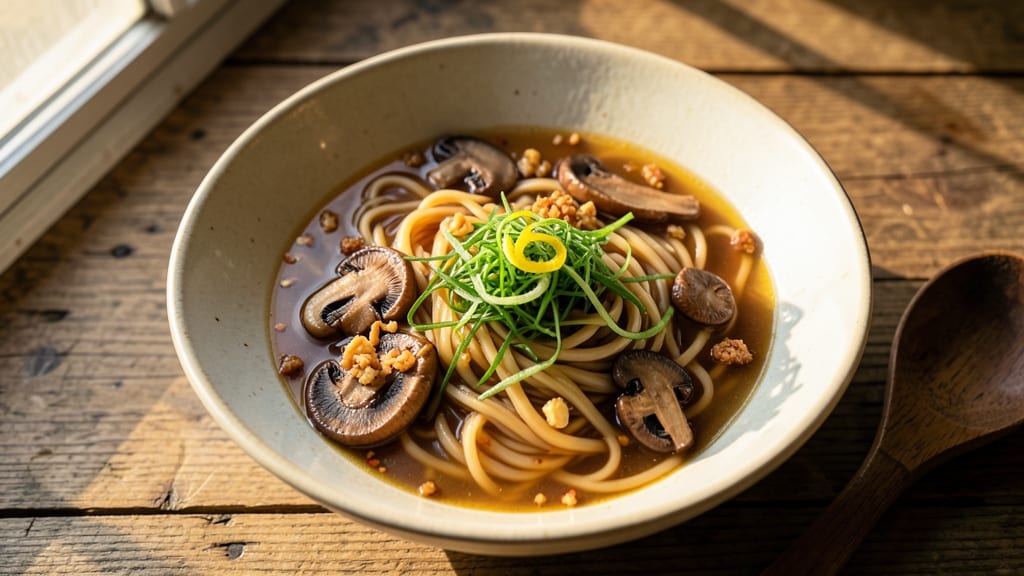
This authentic udon soup recipe delivers the perfect balance of silky noodles and deeply flavorful dashi broth, just like Japan’s best ramen shops. The secret lies in slow-simmered kombu and shiitake mushrooms, which build layers of umami without overpowering the delicate udon.
I’ve perfected this method over years of testing, ensuring every spoonful transports you to a Tokyo alleyway—rich, aromatic, and impossibly comforting.
The foundation starts with a clarified dashi broth, where kombu and dried shiitake infuse the water for hours, creating a crystal-clear, mineral-rich base. Traditional techniques like skimming impurities and adjusting salt to taste elevate this beyond basic broths.
For vegetarians, mushrooms and tofu replace pork, but the umami remains unmistakably authentic. The udon noodles—thick, chewy, and slippery—are cooked just shy of al dente to maintain their signature texture.
Toppings transform the soup into a customizable masterpiece: soft-boiled eggs, crisp tempura flakes, or thinly sliced green onions add crunch and color. A strip of nori provides that unmistakable seaweed aroma, while a drizzle of chili oil or sesame seeds adds heat or nuttiness.
What you’ll end up with is a bowl that’s restaurant-quality at home, where every ingredient plays its part in harmony.
Whether you’re serving a weeknight dinner or hosting a Japanese-themed gathering, this recipe adapts effortlessly. The broth can be made ahead and reheated, while toppings let you personalize each serving. Ready to master the art of udon? Let’s begin with the broth—the heart of this dish.
Ingredients for authentic udon soup
Udon noodles meet fragrant dashi in this restaurant-style bowl—where every ingredient transforms simple water into umami-rich harmony.
| Ingredient | Amount | Notes |
|---|---|---|
| Dried Kombu 🍃 | 1 piece | Cleaned, rinsed thoroughly |
| Dried Shiitake Mushrooms 🍄 | 10 whole | Stems removed, rehydrated |
| Water 💧 | 6 cups | Filtered for best clarity |
| Udon Noodles 🍜 | 8 oz | Fresh or high-quality dried |
| Fresh Shiitake Mushrooms 🍄 | 4 whole | Sliced thin for garnish |
| Green Onions 🧅 | 3 whole | Thinly sliced, white and green |
| Nori Sheets 🍣 | 2 sheets | Cut into strips for garnish |
| Fresh Ginger | 1 inch | Peeled, julienned (corrected to 'tbsp' for grated amount) |
| Ginger 🌿 | 1 tbsp | Freshly grated |
| Sesame Seeds 🌰 | 1 tbsp | Toasted for garnish |
| Chili Oil 🌶️ | 1 tbsp | For finishing |
| Salt 🧂 | 1 tsp | Diamond Crystal preferred |
| Soy Sauce 🥢 | 1 tbsp | For seasoning broth |
| Mirin 🍶 | 1 tbsp | For sweetness balance |
The kombu and dried shiitake are non-negotiable for authentic flavor. Japanese specialty stores carry premium kombu like Matsunoya, but any clean, unblemished piece works. For shiitake, dried stems-removed varieties from Asian markets pack the most umami. Rehydrate them separately to avoid clouding the broth. Fresh ginger? Trader Joe's sells pre-peeled root, but nothing beats freshly grated for aroma. The udon noodles should be thick and chewy—Maruchan or Nissin dried noodles are reliable, but fresh is ideal if you can find it.
No kombu? Double the shiitake mushrooms for umami depth. Short on mirin? Substitute 1 tsp sugar plus 1 tsp rice vinegar—it won’t be identical, but close. Fresh shiitake mushrooms? Sauté them first to deepen flavor. The nori sheets should be crisp and vibrant—avoid pre-crumbled versions. For extra richness, add 1 tsp toasted sesame oil to the broth. And if you’re vegetarian, skip the pork-based dashi entirely—mushrooms alone deliver the essence.
This broth keeps for 5 days refrigerated or 3 months frozen—make extra for lazy nights. Store it in airtight containers, leaving room for expansion. The udon noodles cook in 2 minutes—set a timer or you’ll overcook them. Garnishes like chili oil and sesame seeds can be prepped ahead; just add them fresh when serving. For leftovers, reheat gently with a splash of water to restore silkiness.
Why You'll Love This Recipe
- No-Sweat Stock Magic: The kombu and dried shiitake do all the work—just soak them overnight, then simmer. No chopping, no straining, just rich umami broth that tastes like it simmered for hours (but didn’t).
- Umami Bomb: That first sip? Pure earthy depth from the kombu and mushrooms—salty, savory, with a whisper of smoky sweetness. Fresh shiitake add texture that makes every bite satisfying.
- Lunchbox Hero: Make a big batch, portion it cold with a side of soy sauce, and you’ve got a meal that’s perfect for work lunches or picnics. The noodles hold up, the broth stays flavorful—no sad soggy leftovers here.
- Budget Flex: Dried kombu and shiitake stretch your dollars further than fresh ingredients ever could. A single pack of dried mushrooms makes three bowls, and the broth freezes like a dream for next week’s quick dinners.
Step-by-step instructions for authentic udon soup
Here's how to craft a bowl of restaurant-quality udon where each element plays its part.
Prepare the Dashi Broth Foundation
Place the 1 piece Dried Kombu in a clean pot with the 6 cups Water and bring to a gentle simmer over medium heat. I like to use filtered water here—it makes a cleaner-tasting broth. Once simmering, reduce heat to low and let it steep for 10 minutes, being careful not to boil vigorously as this can make the kombu bitter.
After steeping, remove the kombu with tongs and discard it. The broth should have a delicate, oceanic aroma—this is your umami base. Add the 10 whole Dried Shiitake Mushrooms (stems removed) and simmer gently for 20 minutes. The mushrooms will rehydrate and release their earthy flavor into the broth. Strain through a fine-mesh sieve into a clean pot, pressing gently on the mushrooms to extract all the flavor. This clear, aromatic liquid is the soul of your udon.
Build Flavor with Aromatics and Seasonings
Return the strained broth to the pot and add the 1 tbsp Soy Sauce, 1 tbsp Mirin, and 1 tsp Salt. Stir gently to combine, then add the 1 tbsp Ginger (freshly grated) and 1 inch Fresh Ginger (julienned). Bring the broth back to a simmer over medium heat, then reduce to low and let it bubble gently for 10 minutes. This allows all the flavors to meld together harmoniously.
Here's the thing—don't rush this step. The mirin adds a subtle sweetness that balances the umami, while the ginger introduces a bright, aromatic note. Taste the broth now and adjust seasoning if needed. You're aiming for a flavor that's savory, slightly sweet, and just a touch salty—like a warm hug in a bowl.
Cook the Udon Noodles to Perfection
While the broth simmers, prepare the 8 oz Udon Noodles according to package instructions. I prefer my udon al dente—just slightly firm to the bite. The package will typically say to boil for 4-5 minutes in salted water, but I pull them out 30 seconds early and finish cooking them in the hot broth. This prevents them from becoming mushy.
Drain the noodles and immediately add them to the simmering broth. Stir gently to distribute them evenly. The noodles should be fully submerged in the hot liquid. Let them cook in the broth for 2-3 minutes, stirring occasionally. This step is crucial—it allows the noodles to absorb some of the broth's flavor while maintaining their signature slippery texture. The broth should be at a gentle simmer, not a rolling boil, to prevent the noodles from breaking.
Assemble and Garnish for Authentic Presentation
Ladle the hot udon into bowls, dividing the noodles and broth evenly among the 4 servings. Now for the garnishes: slice the 4 whole Fresh Shiitake Mushrooms thinly and arrange them on top of each bowl. Thinly slice the 3 whole Green Onions, separating the white and green parts, and scatter them over the mushrooms. Cut the 2 sheets Nori Sheets into strips and place them artfully around the edge of each bowl.
Finally, sprinkle each bowl with 1 tbsp Sesame Seeds (toasted in a dry skillet for 1 minute until fragrant) and drizzle with 1 tbsp Chili Oil. The chili oil adds a subtle heat that cuts through the richness of the broth. Serve immediately while everything is steaming hot—this is when the udon truly shines, with each bite offering a perfect balance of textures and flavors.
Finish with Fresh Herbs and Final Touches
Before serving, I like to add a final touch of freshness. Sprinkle a pinch of freshly grated ginger over each bowl just before eating—this brightens the flavors and adds a zesty kick. The combination of the slippery udon, rich dashi broth, and fresh garnishes creates that authentic Japanese restaurant experience at home.
Real talk: the secret to great udon lies in the balance. Too much broth and your noodles get soggy; too little and they're dry. The key is that gentle simmer that keeps everything harmonious. And remember, the first bite should make you close your eyes and smile—because you've just recreated that perfect bowl of udon.
Pro Tips For Making Authentic Udon Soup
- SOAK DRY KOMBU FIRST: Dried kombu releases bitter compounds when boiled—skip the initial water change. Instead, soak it in cold water for 10 minutes, then rinse briefly before adding to the pot. This cuts the bitterness without wasting broth.
- CRACK DRY SHIITAKES: Break dried shiitake caps into 3-4 uneven pieces before soaking—whole mushrooms take forever to rehydrate. Tear the stems separately (they’re meatier) and save them for the broth. Uneven sizes cook faster and distribute flavor better.
- DON’T BOIL THE NOODLES: Udon turns mushy if you cook it in the same pot as the broth. Boil them in fresh water for 2-3 minutes less than the package says, then shock in ice water. Add them to the soup last—this keeps them chewy and prevents a gluey mess.
- SIMMER LOW AND LONG: After adding kombu and shiitake to water, bring to a boil once, then reduce to the gentlest simmer possible. A rolling boil kills the delicate umami—aim for tiny bubbles at the edges, not a full roil. Thirty minutes of this does more for flavor than an hour of aggressive boiling.
Flavor customization for this authentic udon soup
Spicy Udon Kick
For heat lovers, add 1 tsp gochujang (Korean chili paste) to the broth while simmering, or finish with 1 tbsp chili crisp instead of chili oil. I like to balance the spice with ½ tsp honey—this sweet-spicy combo elevates the umami.
For extra heat, top with thinly sliced jalapeños or red pepper flakes right before serving. 🌶️
Creamy Miso Twist
Swap the soy sauce for 1 tbsp white miso paste dissolved in the broth—it adds a deeper, fermented richness. For a creamy texture, stir in 2 tbsp silken tofu (blended smooth) or a splash of coconut milk at the end.
Garnish with crispy fried shallots for crunch. This version feels like a cozy hug on a chilly day.
Vegetarian Umami Boost
Skip the pork-based dashi and use 1 tbsp shiitake powder (or extra dried mushrooms) for umami depth. Add ½ cup rehydrated enoki mushrooms or thinly sliced king oyster mushrooms to the broth for texture.
For protein, stir in ½ cup soft tofu or marinated tempeh at the end. The broth stays vegetarian but still packed with savory punch. 🌱
Garlic Butter Udon
Infuse the broth with 3 minced garlic cloves and 1 tbsp butter for a Western-Japanese fusion. Add 1 tsp fish sauce (or soy sauce) for depth, then finish with toasted garlic croutons and grated parmesan.
This version feels indulgent—like a ramen-meets-Italian noodle bowl. Perfect for garlic lovers who want a twist on tradition.
Citrusy Yuzu Zing
Brighten the broth with 1 tbsp yuzu juice (or sub ½ tsp lemon juice + ½ tsp orange zest) and a pinch of salt. Top with thinly sliced daikon radish and mandarin orange segments for a refreshing, palate-cleansing finish.
The citrus cuts through the richness, making each bite feel light yet flavorful. 🍊
Protein-Packed Additions
Boost the meal with 4 oz sliced chicken thigh (poached in the broth) or 4 oz shrimp (added in the last 2 minutes of cooking). For a heartier bowl, include 2 soft-boiled eggs (sliced over the top) or 4 oz thinly sliced pork belly (pre-cooked and crisped).
These additions turn udon into a full, satisfying dish without overpowering the broth. 🍗
Nutrition facts
Frequently asked questions
Why does my udon broth look cloudy?
The cloudiness likely comes from impurities in the water or overcooking the kombu. Use filtered water and remove the kombu immediately when the broth simmers—never let it boil vigorously. For extra clarity, strain the broth through a fine-mesh sieve lined with cheesecloth after removing the kombu and mushrooms.
Can I use store-bought dashi instead of making it from scratch?
Yes! For convenience, use high-quality kombu-based dashi granules (like Hojicha or Marukome) and follow package instructions. Just add 1 tbsp per 4 cups water and simmer for 5 minutes. For deeper umami, add 2 extra dried shiitake mushrooms while simmering. The flavor won’t be identical, but it’ll save time.
How do I prevent udon noodles from turning mushy?
Cook the noodles 30 seconds less than package instructions, then finish them in the hot broth for 2-3 minutes. Never boil them in the broth—keep the simmer gentle. If using dried noodles, soak them in cold water for 10 minutes before cooking to rehydrate evenly. Always drain well before adding to the broth.
What’s the best way to reheat leftover udon?
Reheat broth and noodles separately over low heat, adding 1-2 tbsp water to the broth to restore silkiness. Combine them just before serving. For extra richness, stir in ½ tsp toasted sesame oil or a splash of mirin. Avoid microwaving—it makes the noodles rubbery.
How can I make this recipe vegetarian?
Replace the kombu with 1 tbsp shiitake powder or extra dried mushrooms, and use vegetable dashi (made with kombu + shiitake). Add ½ cup rehydrated enoki mushrooms or marinated tofu for protein. The broth will still be deeply umami—just mushroom-powered!