Soups & Stews
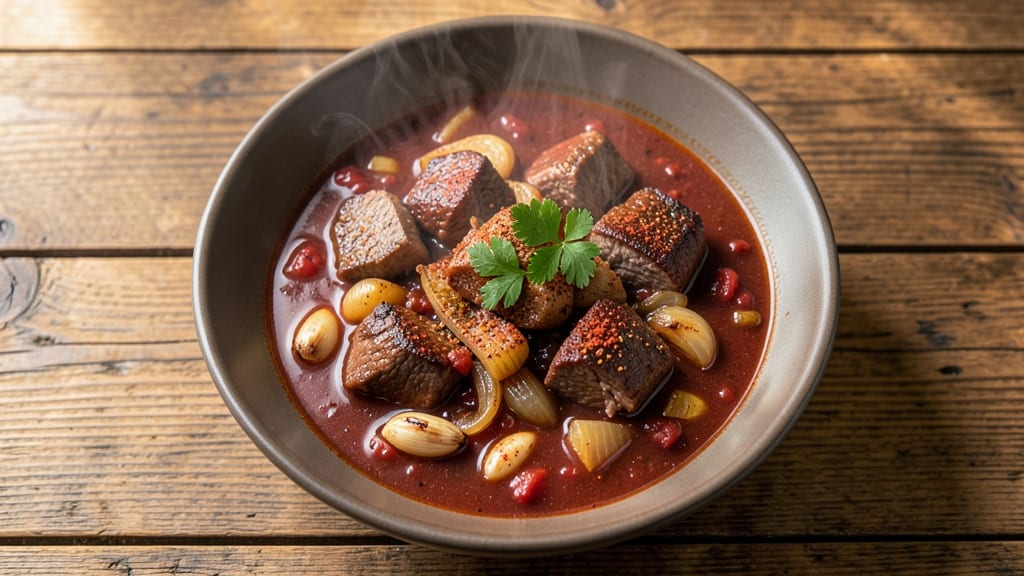
This authentic German goulash soup brings hearty, smoky comfort to your table with tender beef, rich paprika, and deep flavors that define traditional German cuisine. The secret lies in slow-cooked beef and onions caramelized until sweet, creating a base that absorbs the earthy warmth of paprika and tomatoes.
Unlike its Hungarian cousin, this version stays true to German roots with subtle spices and a hearty broth that feels like a hug in a bowl.
What sets this recipe apart is the balance of simplicity and depth—no complicated techniques, just time and patience. The beef breaks down into melt-in-your-mouth tenderness, while the paprika infuses the broth with a smoky aroma that fills your kitchen.
Served with crusty bread or fluffy dumplings, it’s the kind of meal that transforms a simple weeknight into a cozy German feast. The slow cooking process ensures every bite is packed with flavor, making it worth the wait.
This goulash delivers restaurant-quality richness at home, with a texture that’s both comforting and satisfying. The broth is bold but not overpowering, the beef falls apart easily, and the spices create layers of warmth that linger.
Whether you’re cooking for a family gathering or a quiet dinner, this recipe promises a taste of authentic German tradition with every spoonful. Leftovers keep well, too—perfect for meal prep or reheating later.
The beauty of this recipe lies in its versatility. While the traditional version uses beef, you can adapt it with mushrooms or lentils for a vegetarian twist without sacrificing depth.
Pair it with a dark rye bread or buttery spaetzle to complete the experience. Here’s how to make it—step by step, just like in a German kitchen.
Ingredients for authentic german goulash soup
Hearty beef, smoky paprika, and slow-cooked onions make this German classic unforgettable.
| Ingredient | Amount | Notes |
|---|---|---|
| Beef Chuck Roast 🥩 | 2 lb | Cut into 1-inch cubes |
| Yellow Onions 🧅 | 3 whole | Sliced into half-moons |
| Garlic Cloves 🧄 | 4 cloves | Minced for depth |
| Smoked Paprika 🌶️ | 2 tbsp | Hungarian or German blend |
| Sweet Paprika 🌶️ | 1 tbsp | For balanced flavor |
| Canned Crushed Tomatoes 🍅 | 14 ½ oz | San Marzano preferred |
| Beef Broth 💧 | 4 cups | Homemade or quality store-bought |
| Tomato Paste 🍅 | 2 tbsp | For richness |
| Bay Leaves 🌿 | 2 whole | Dried, removed before serving |
| Thyme 🍃 | 1 tsp | Dried or 2 tbsp fresh |
| Black Peppercorns 🌶️ | 1 tsp | Freshly cracked |
| Salt 🧂 | 1 ½ tsp | Adjust to taste |
| All-Purpose Flour 🌾 | 1 tbsp | For thickening |
| Dark Rye Bread 🍞 | 6 slices | For serving, optional |
The beef is everything here—chuck roast gives that melt-in-your-mouth texture after hours of cooking. Look for well-marbled cuts at Whole Foods or your local butcher shop. If you're buying a whole roast, cube it yourself for even cooking. For onions, yellow onions work best—they caramelize beautifully. Skip the pre-chopped kind; slicing them fresh makes all the difference. The paprika? Smoked paprika is non-negotiable for that authentic German flavor—Penzeys or the bulk bins at Trader Joe's are great spots to grab it.
No smoked paprika? Sweet paprika plus a pinch of liquid smoke gets you close, though it won't be quite the same. Short on beef broth? Vegetable broth with a splash of soy sauce works in a pinch. The tomato paste can be skipped if you're using extra crushed tomatoes, but trust me, it adds a depth that's worth the extra minute. For the bay leaves, dried is fine, but fresh has a more vibrant flavor. If you're making this ahead, the broth actually tastes better the next day—all those flavors meld together perfectly.
This soup keeps for 4-5 days in the fridge, and freezes beautifully for up to 3 months. I always make a double batch because it reheats even better than the first time. Store it in airtight containers, and when you're ready to serve, just warm it gently on the stove. The bread? Dark rye is traditional, but any crusty bread will do. Leftovers make great lunches—just portion them out with a side of bread for easy grab-and-go meals.
Why You'll Love This Recipe
- One-Pot Magic: I swear by this recipe because it’s actually one-pot—no chopping boards full of scraps, no extra pans. Just brown the beef chuck in the same pot you’ll serve it in, toss in the onions and garlic, and let the paprikas work their smoky-sweet spell. (Yes, even on a Tuesday night.)
- Paprika Powerhouse: That combo of smoked and sweet paprika? It’s the secret weapon. The smoked gives this soup depth—like a campfire in a bowl—while the sweet rounds it out with warmth. My husband still asks, “What’s in it?” every time, and I just grin.
- Leftover Luxury: This soup tastes better the next day. Honestly, I make a double batch on Sundays because reheating it means richer flavors and tenderer beef. Freeze half for those nights when you’d rather not cook—just thaw and simmer.
- Budget Beef Boost: A chuck roast stretches further than you’d think, and the onions/garlic/paprika are cheap staples. I’ll be real: this is my go-to when I need hearty, filling meals without breaking the bank. Plus, the leftovers feed the family for days.
Step-by-step instructions for authentic German goulash soup
Here's how to create a hearty, smoky goulash with deep beef flavor and perfect paprika richness.
Sear the Beef for Maximum Flavor
Heat a large Dutch oven over medium-high heat until hot. Add the 2 lb beef chuck roast cut into 1-inch cubes in a single layer, working in batches if needed. Let each piece develop a deep brown crust for 3-4 minutes per side—this builds the foundation of your soup's flavor.
Don't overcrowd the pan or the beef will steam instead of sear. Once all pieces are browned, remove them and set aside. You'll notice the beef releases some juices and fond—this is pure flavor you'll redeem later. Keep these juices in the pot.
Build the Aromatic Base
In the same Dutch oven, add 3 whole yellow onions sliced into half-moons and cook for 5-6 minutes until softened and slightly caramelized. Stir occasionally to prevent burning. Add the 4 minced garlic cloves and cook for 30 seconds until fragrant—this is where the magic happens.
Sprinkle in the 2 tbsp smoked paprika and 1 tbsp sweet paprika, stirring constantly for 1 minute to toast the spices and release their aromatic oils. This step develops the signature smoky depth of authentic German goulash. Be careful not to let the spices burn—they'll turn bitter quickly.
Develop the Rich Sauce
Return the browned beef to the pot. Stir in the 2 tbsp tomato paste and cook for 1 minute to deepen the color. Pour in the 14.5 oz canned crushed tomatoes and 4 cups beef broth, scraping up any browned bits from the bottom of the pot. Add the 2 whole bay leaves, 1 tsp thyme, 1 tsp black peppercorns, and 1.5 tsp salt.
Bring the mixture to a gentle boil, then reduce heat to medium-low and let it simmer uncovered for 1 hour 15 minutes. The beef should become fork-tender and the flavors should meld beautifully. Stir occasionally and add a splash of water if the soup gets too thick. You want a rich, velvety consistency—not watery, but not gluey either.
Thicken and Finish
In a small bowl, whisk together the 1 tbsp all-purpose flour with 2 tablespoons water to make a slurry. Slowly stir this into the simmering goulash. The soup will thicken immediately—this helps create that perfect German goulash texture. Simmer for another 10 minutes to let the flour cook out completely.
Remove the 2 bay leaves and adjust seasoning if needed. The soup should be rich, smoky, and deeply flavorful with tender beef pieces throughout. Taste and add more salt or pepper if necessary. Here's the thing—German goulash should be hearty, not delicate. Let the beef and paprika flavors shine.
Serve with Traditional German Touches
Ladle the hot goulash into bowls, serving each portion with 1 slice of dark rye bread on the side. The bread helps soak up the rich broth and adds a wonderful contrast to the hearty soup. For an authentic touch, sprinkle each serving with an extra pinch of smoked paprika right before serving.
This is where the soup comes together as a complete experience. The dark rye bread adds a subtle sweetness that balances the smoky, savory depth of the goulash. Serve immediately while hot, as the flavors continue to develop even after cooking. The aroma alone will make your kitchen smell like a traditional German kitchen—warm, inviting, and full of comfort.
Pro Tips For Making Authentic German Goulash Soup
- Brown the Meat First: Don’t rush this—sear the beef chuck roast in batches over medium-high heat until it’s deep brown, not just pink. I used to skip this and ended up with a watery soup; the Maillard reaction builds flavor that no amount of paprika can replace.
- Sweat the Onions Low: Cook the yellow onions at the lowest heat setting you can tolerate—no browning, just a slow, steady sweat until they’re translucent and soft. Rushing this turns them bitter, and you’ll taste it in every spoonful.
- Bloom the Paprika: Toast the smoked and sweet paprika in the pot for 30 seconds after the onions are cooked—just until you smell that earthy aroma. This step makes the paprika’s flavor pop instead of sitting flat in the soup.
- Simmer, Don’t Boil: Keep the soup at a gentle simmer (tiny bubbles, occasional skimming) for at least 2 hours—boiling toughens the meat and clouds the broth. I learned this after serving rubbery beef to my family and vowed never to repeat it.
Troubleshooting perfect results
Soggy Beef Fix
If your beef turns out tough instead of tender, you likely didn’t cook it long enough. German goulash requires at least 1 hour 30 minutes of simmering—sometimes up to 2 hours for truly melt-in-your-mouth texture.
Use a meat thermometer and aim for 203°F internal temperature for perfect doneness. If it’s still tough, return it to the pot with ½ cup extra broth and simmer another 30 minutes.
Overly Thick Broth
The flour slurry is key, but too much can make your goulash gluey. If your soup is too thick, whisk in ¼ cup warm water or broth at a time until you reach a velvety consistency.
For extra insurance, simmer uncovered—this helps evaporate excess moisture naturally. The ideal texture should coat the back of a spoon but still be easy to ladle.
Paprika Burnt
Burnt paprika creates a bitter, unpleasant flavor. To prevent this, never let the spices sit dry in the pot—keep stirring constantly for that 1-minute toasting period. If you notice the spices darkening too quickly, immediately add a splash of broth to deglaze.
For extra protection, toast the spices in a dry pan first, then add them to the soup.
Onions Too Raw
Undercooked onions will make your goulash taste sharp and unpleasant. Caramelize them properly by cooking for 8-10 minutes until golden brown and sweet. If they’re still raw-tasting, remove the pot from heat, cover, and let them steam for 5 minutes before continuing.
This extra step transforms their flavor from harsh to sweetly aromatic.
Weak Flavor
If your goulash lacks depth, it’s likely missing the Maillard reaction from proper searing. For next time, ensure your beef develops a deep brown crust before removing it. Also, don’t skip the tomato paste—it adds umami richness.
For an instant boost, add 1 tsp Worcestershire sauce or a pinch of sugar to balance acidity and enhance sweetness.
Broth Too Watery
A watery goulash usually means insufficient simmering time. After adding all ingredients, let it simmer uncovered for at least 1 hour—this reduces liquid naturally. If it’s still too thin, make a second slurry with 1 tsp flour + 1 tbsp water and stir in.
For extra richness, reduce the broth by 25% before adding the beef back in.
Nutrition facts
Frequently asked questions
What makes German goulash different from Hungarian goulash?
German goulash is typically lighter and less spicy than its Hungarian cousin, relying on smoked paprika for depth rather than hot paprika. It also uses more beef broth and less tomato, creating a richer, meatier flavor profile. The German version often includes dark rye bread or dumplings as sides, while Hungarian goulash pairs better with bread or potatoes.
Can I make this goulash in a slow cooker?
Brown the beef first, then transfer everything to your slow cooker and cook on low for 7-8 hours or high for 4-5 hours. The slow cooker method actually enhances the tenderness of the beef. Just add the flour slurry during the last 30 minutes of cooking to thicken properly.
What's the best way to reheat leftovers?
Reheat leftovers gently on the stove over low heat with a splash of broth or water to prevent drying. Microwaving can make the broth watery—always reheat slowly to preserve that rich, velvety texture. For extra flavor, add a pinch of smoked paprika while reheating.
Is there a vegetarian version of this recipe?
Yes! Swap the beef for mushrooms (like cremini or portobello) or lentils for protein. Use vegetable broth and add an extra 1 tbsp tomato paste for depth. The cooking time reduces to 45-60 minutes since mushrooms cook faster than beef.
How can I make this goulash kid-friendly?
For picky eaters, remove the bay leaves and reduce the smoked paprika to 1 tbsp total. Serve with buttered noodles or mashed potatoes to soak up the broth. You can also blend a small portion for a smoother texture while keeping the original rich version for adults.