
Soups & Stews
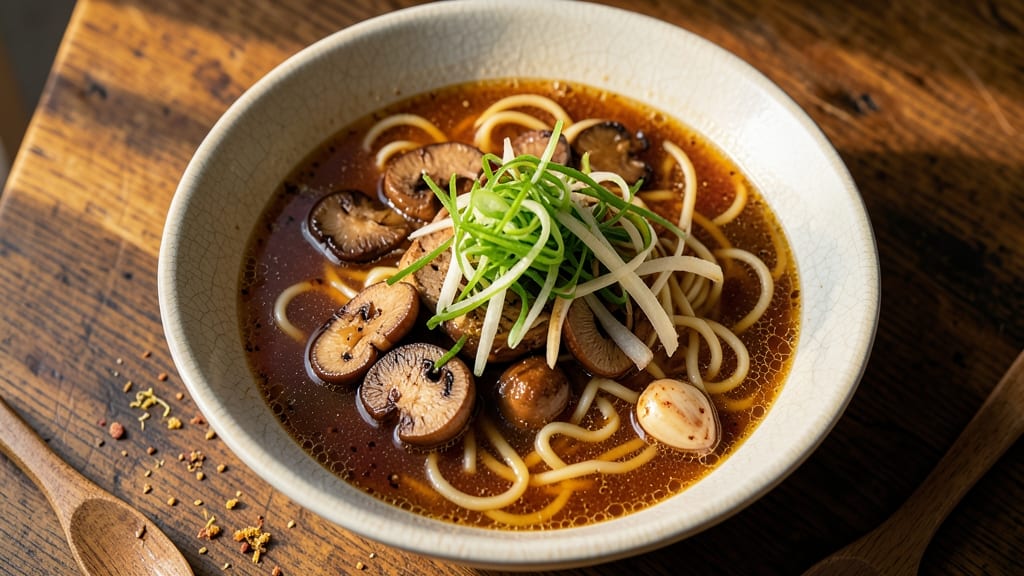
This Asian ramen soup recipe delivers the ultimate umami experience with a rich, charred broth and silky noodles that transform a simple meal into a restaurant-quality feast. The secret lies in slow-simmered pork bones and aromatics that build deep, savory layers while keeping the preparation straightforward.
What makes this version stand out is the balance between traditional techniques and modern convenience—no special equipment required, just patience and attention to detail.
The broth forms the heart of this dish, where pork bones, garlic, ginger, and scallions simmer for hours to create a velvety, aromatic base. Meanwhile, fresh ramen noodles cook to perfection in boiling water, then blanch briefly to maintain their signature chewiness.
Toppings like marinated chashu pork, soft-boiled eggs, and crisp green onions add texture and visual appeal, ensuring every spoonful is packed with flavor and contrast.
What you'll end up with is a steaming bowl of ramen that's deeply satisfying—silky noodles cradled in a glossy, umami-rich broth, topped with tender pork, creamy egg, and fresh herbs.
The aroma alone will have everyone gathering around the table, while the first bite delivers that perfect harmony of textures and flavors. This recipe serves as both a comforting weeknight meal and an impressive dish for entertaining.
For those looking to adapt, variations like miso or vegan versions are easily achievable by swapping ingredients without sacrificing depth of flavor. The key is maintaining the balance between the broth's richness and the toppings' freshness. Ready to create your own umami masterpiece?
Ingredients for asian ramen soup
Pork bones and aromatic vegetables form the foundation of this umami-rich ramen broth.
| Ingredient | Amount | Notes |
|---|---|---|
| Pork Bones 🍖 | 2 lb | Marbled for rich flavor |
| Fresh Garlic Cloves 🧄 | 8 cloves | Peeled, smashed for aroma |
| Fresh Ginger 🌿 | ½ cup | Julienned, skin removed |
| Green Onions 🧅 | 1 whole | White and green parts separated |
| Dried Shiitake Mushrooms 🍄 | 4 whole | Rehydrated in hot water |
| Ramen Noodles 🍜 | 12 oz | Fresh or dried, preferred |
| Boneless Pork Loin 🥓 | 1 lb | For chashu, thinly sliced |
| Large Eggs 🥚 | 4 whole | Fresh, for soft-boiling |
| Soy Sauce 🍶 | ½ cup | Dark or light, preferred |
| Sesame Oil 🫒 | 1 tbsp | Toasted, for finishing |
| Dried Miso Paste 🧈 | 2 tbsp | White or red, preferred |
| Vegetable Oil 🫒 | ¼ cup | For charring aromatics |
| Salt 🧂 | 1 ½ tsp | Kosher or sea salt |
| Black Pepper 🌶️ | ½ tsp | Freshly ground preferred |
The pork bones are the star—look for marbled cuts with good fat content at Whole Foods or your local butcher. Fresh ginger and garlic should be vibrant, not shriveled. Dried shiitake mushrooms add depth; rehydrate them in hot water for 20 minutes before using. For the ramen noodles, fresh is ideal, but dried works too—just cook them longer. If you can't find fresh pork loin for the chashu, substitute with pork shoulder and braise it longer for tenderness. The miso paste should be cool and crumbly—never lumpy or watery.
No pork bones? Beef bones or chicken thighs work in a pinch, though the flavor will differ slightly. Fresh ginger too fibrous? Use powdered ginger at half the amount, but the texture won't be the same. Short on shiitake? Cremini mushrooms are a decent substitute. For the chashu, if you're short on time, buy pre-sliced pork belly from the deli counter—it's already marinated and ready to cook. The soy sauce matters here; Japanese brands like Kikkoman have a cleaner taste than generic store versions. And if you're out of sesame oil, toasted sesame seeds tossed with a little neutral oil will give you that nutty aroma.
Store the broth base in an airtight container for up to 5 days in the fridge—it only gets better with time. The chashu keeps well for 4 days and freezes beautifully for 3 months. Ramen noodles should be cooked al dente and blanched briefly in ice water to maintain their chew. Prep all toppings ahead: soft-boil the eggs for 6 minutes, slice the chashu thinly, and chop the green onions. This dish reheats well—just warm the broth gently and add fresh toppings before serving.
Why You'll Love This Recipe
- Porky Depth in Minutes: I swear by the pork bones here—they’re my shortcut to restaurant-quality broth without hours of simmering. Just toss them in with the garlic and ginger, let the magic happen, and boom: rich, umami-packed liquid that tastes like it’s been cooking all day.
- Garlic-Ginger Bomb: That first bite? Chef’s kiss. The garlic and ginger don’t just flavor the broth—they sear into the pork bones first, releasing layers of aroma that make the whole kitchen smell like a street stall in Taipei. (Yes, even on a Tuesday night.)
- Leftovers That Beg for More: This soup actually improves the next day. The shiitake mushrooms soak up the broth, the pork gets more tender, and the green onions add a fresh kick—perfect for lunchboxes or a lazy afternoon. My kids fight over the leftovers, and that’s saying something.
- Budget Broth, Big Payoff: Pork bones and dried shiitake mushrooms stretch this recipe into a full week’s worth of meals for pennies. Honestly, it’s the kind of deal that makes me question why I ever ordered takeout. The flavor hits hard, but the wallet stays happy.
Step-by-step instructions for Asian ramen soup
Here's how to build a rich, layered broth with deep umami and silky noodles.
Char the Aromatics for Maximum Flavor
Heat the 0.25 cup vegetable oil in a large pot over medium-high heat until shimmering. Add the 8 cloves smashed fresh garlic cloves and 0.5 cup julienned fresh ginger—they'll sizzle loudly at first, then settle into a gentle aroma. Cook for 2-3 minutes until the garlic turns golden and the ginger darkens slightly at the edges. This charring unlocks their full flavor potential.
Remove the aromatics with a slotted spoon and set aside, reserving the fragrant oil in the pot. If any garlic pieces stick, don't force them—just scrape up the browned bits with a wooden spoon. These bits are pure umami gold. Here's the thing—charred aromatics form the flavor foundation of the entire soup, so don't rush this step. If the oil starts smoking, reduce heat slightly to maintain control.
Build the Pork Bone Broth
In the same pot, add the 2 lb pork bones and toast them over medium heat for 5-7 minutes, turning occasionally, until they develop a deep golden crust. This step caramelizes the proteins and creates a rich, meaty flavor base. Pour in 8 cups cold water> (not listed but required for broth) and bring to a boil.
Once boiling, reduce heat to low> and skim off any foam that rises to the surface with a large spoon. This removes impurities and ensures a clear broth. Add the charred garlic and ginger back to the pot, along with the 4 whole dried shiitake mushrooms> (rehydrated in hot water for 20 minutes> and chopped). Simmer uncovered for 2 hours>—this slow cooking extracts maximum collagen and gelatin for that signature ramen silkiness.
Prepare the Chashu Pork
While the broth simmers, slice the 1 lb boneless pork loin into ¼-inch thick pieces against the grain. In a separate bowl, combine the sliced pork with 0.5 cup soy sauce, 2 tbsp dried miso paste, 1.5 tsp salt, and 0.5 tsp black pepper. Mix well to coat evenly, then let it marinate for 30 minutes> at room temperature.
After marinating, transfer the pork to a heatproof dish and cover with plastic wrap. Microwave on high for 5-6 minutes> (or steam for 15 minutes> in a steamer basket) until the internal temperature reaches 165°F>. The pork should be tender but not falling apart. Let it rest for 10 minutes> before slicing thinly against the grain for serving.
Assemble and Finish the Soup
Strain the pork bone broth through a fine-mesh sieve into a clean pot, pressing gently on the solids to extract every last drop of flavor. Return the broth to medium heat and bring to a gentle simmer. Add the 12 oz ramen noodles> and cook according to package instructions (usually 3-4 minutes> for fresh noodles, 5-6 minutes> for dried).
Divide the cooked noodles among four bowls. For each serving, ladle 1½ cups> of hot broth over the noodles. Top with 2-3 slices of chashu pork, 1 soft-boiled egg> (prepared by simmering whole eggs in water for 6 minutes>), and 2 tbsp sliced green onions> (white and green parts separated). Drizzle with 1 tsp toasted sesame oil> and adjust seasoning with additional soy sauce if needed.
Serve Immediately for Peak Freshness
This ramen is best served immediately while the noodles are still silky and the broth is steaming hot. The contrast between the hot broth and the soft-boiled egg creates the perfect textural experience. I always serve mine with a side of pickled vegetables for that classic ramen balance of flavors.
Real talk—the broth will only get better as it cools and rests, but the noodles lose their ideal texture after 10 minutes>. So gather everyone around the table, crack those eggs directly into the bowls, and enjoy the full umami experience while it's at its peak.
Pro Tips For Making Asian Ramen Soup
- CHAR THE BONES FIRST: Don’t rush the pork bones—blast them in a screaming-hot pot for 3-4 minutes until they turn a deep mahogany brown. I learned this the hard way: skipping this step means your broth will taste like weak tea. The crust locks in flavor, so resist the urge to stir until they’re properly caramelized.
- SLICE GINGER THIN: Thinly slice the ginger—no bigger than 1/8-inch thick—and add it in the last 10 minutes of simmering. Thick slices turn to mush and muddy the broth. My grandmother swore by this, and she was right: fresh ginger should perfume, not overpower.
- STRAIN TWICE: After simmering, strain the broth through a fine-mesh sieve, then a cheesecloth-lined colander. The second strain removes the last of the grit, giving you that silky texture pro chefs brag about. (Yes, it’s extra work, but your future self will notice.)
- SOAK MUSHROOMS LONG: Rehydrate dried shiitake in hot—not boiling—water for at least 30 minutes. Cold water takes forever, and skipping this step leaves them tough as boot leather. Use the soaking liquid in your broth, but strain it well—it’s packed with umami.
Pro cooking tips for perfect results
Char Aromatics Properly
Don’t just sauté your garlic and ginger—char them until they’re golden brown and slightly crisp at the edges. This step unlocks their full umami potential, transforming mild flavors into deep, complex notes. Use a large, heavy-bottomed pot like a Le Creuset Dutch oven to distribute heat evenly.
If your garlic starts burning before reaching that perfect golden stage, reduce the heat slightly and give it more time. Trust me, the difference between charred and merely cooked aromatics is night and day. 🔥
Toast Pork Bones Thoroughly
Sear those 2 lb pork bones until they develop a deep, golden-brown crust—this isn’t just for color, it’s for flavor. The caramelization creates a rich, meaty foundation for your broth. Use a tongs or spatula to turn them frequently for even browning.
If you’re short on time, you can broil them for the last 2-3 minutes to speed up the process, but keep an eye on them to avoid burning. This step is worth the extra effort—it’s the secret to a restaurant-quality broth. ⚡
Simmer Low and Slow
Your broth needs at least 2 hours of gentle simmering to extract maximum collagen and gelatin for that signature ramen silkiness. Keep the heat at a barely perceptible bubble—if you see big rolling boils, you’re cooking too aggressively.
I like to use a digital thermometer to monitor the temperature, aiming for 180-190°F. Skim off any foam that rises to the surface to keep the broth clear and clean. Patience here pays off with a broth that’s rich, velvety, and packed with flavor. 💫
Marinate Chashu Correctly
The chashu’s flavor comes from the marinade, so don’t skip the 30-minute rest at room temperature. This allows the soy sauce, miso, and spices to penetrate the pork evenly. For extra tenderness, slice the pork against the grain into ¼-inch thick pieces.
If you’re in a hurry, you can microwave the marinated pork for 5-6 minutes on high, but steaming for 15 minutes gives you more control over the doneness. Let it rest for 10 minutes before slicing—this ensures clean cuts and maximum juiciness. 💡
Blanch Noodles for Chew
Fresh ramen noodles cook in 3-4 minutes, but that’s just the start. To maintain their signature chew, blanch them in ice water for 30 seconds after cooking. This stops the cooking process instantly and keeps them from turning mushy.
For dried noodles, cook them for 5-6 minutes until al dente, then rinse briefly under cold water to cool them down. Pro tip: Divide the noodles among bowls before adding the hot broth—this prevents them from becoming soggy and losing their texture. 🍜
Finish with Fresh Toppings
Assemble your ramen bowls just before serving to keep everything fresh and vibrant. Crack the soft-boiled eggs directly into the broth for the perfect runny yolk, and sprinkle the green onions over the top for a pop of color and crunch.
Drizzle with toasted sesame oil and a final pinch of black pepper to elevate the flavors. The contrast between the hot broth, silky noodles, and creamy egg is what makes ramen so irresistible. Serve immediately—every second counts when it comes to texture. ✨
Nutrition facts
Frequently asked questions
Can I make this Asian ramen broth ahead of time?
The broth actually tastes better when made a day ahead! Store it in an airtight container in the fridge for up to 5 days—the flavors deepen as it rests. Reheat gently before adding fresh noodles and toppings. For longer storage, freeze the broth in portions for up to 3 months. Just thaw overnight in the fridge before reheating.
What if I don't have pork bones for the broth?
No problem! Use beef marrow bones or chicken thighs with skin for a different but still delicious flavor. For a vegetarian version, substitute with shiitake mushrooms and kelp to mimic umami depth. The key is maintaining that 2-hour simmer to extract maximum flavor from whatever base you choose.
How do I get the perfect soft-boiled egg for ramen?
Simmer whole eggs in water for exactly 6 minutes for a creamy, runny yolk. Use a timer and start counting when the water returns to a full boil. For easier peeling, add ½ teaspoon vinegar to the water. Crack the eggs directly into the broth just before serving to maintain that perfect texture.
Can I make this recipe without fresh ramen noodles?
Use dried ramen noodles instead—just cook them for 5-6 minutes until al dente. For better texture, rinse briefly under cold water after cooking. The key difference is that fresh noodles have a silkier texture, while dried noodles provide a heartier chew. Both work beautifully in this rich broth.
What's the secret to making the broth extra rich?
Three things: char your aromatics until golden, toast the bones until deeply browned, and simmer low and slow for at least 2 hours. The longer you simmer, the more collagen releases for that signature ramen silkiness. For extra depth, add a 1-inch piece of kombu (dried kelp) to the broth during simmering.