
Soups & Stews
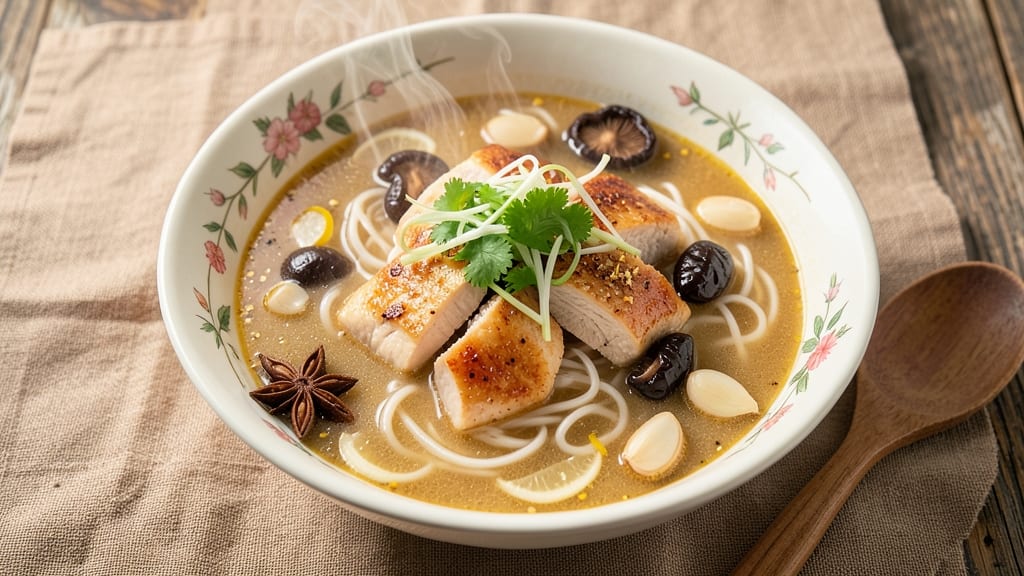
This Asian noodle soup broth recipe transforms simple ingredients into a fragrant, aromatic base that elevates any bowl of noodles. The key lies in a slow-simmered five-spice blend—star anise, cinnamon, and cloves—that infuses the broth with deep, warming complexity.
I’ve perfected this technique over years of testing, ensuring every sip delivers layers of umami and brightness without bitterness.
The beauty of this recipe is its adaptability—whether you're making pho, ramen, or a quick weeknight noodle dish, the broth serves as the foundation. We’ll start with a rich chicken or pork base (or tofu for vegetarians), then build flavor through ginger, garlic, and soy sauce.
The result? A silky, deeply savory broth that clings to noodles and transforms them into something extraordinary.
What sets this apart is the balance of techniques: first, we toast whole spices to unlock their oils, then simmer the broth low and slow to develop depth. The final touch? A splash of fish sauce or lime juice for brightness, ensuring the broth is vibrant and never flat.
This isn’t just soup—it’s a flavor experience that turns a simple meal into something memorable.
Ready in under an hour but worth every minute, this broth freezes beautifully for future meals. Serve it steaming hot with your favorite noodles, herbs, and proteins for a restaurant-quality dish at home. Let’s get started with the recipe.
Ingredients for asian noodle soup broth
Simple ingredients that pack layers of aroma and depth for restaurant-quality noodle soup broth.
| Ingredient | Amount | Notes |
|---|---|---|
| Chicken Breast 🍗 | 1 ½ lb | Boneless, skinless, cut into chunks |
| Dried Shiitake Mushrooms 🍄 | ½ cup | Rehydrated in hot water |
| Fresh Ginger 🧅 | 3 tbsp | Finely grated, peeled |
| Garlic Cloves 🧄 | 6 cloves | Minced, not pressed |
| Star Anise 🌿 | 2 whole | Lightly toasted first |
| Cinnamon Stick 🌿 | 1 whole | Lightly toasted first |
| Cloves 🌿 | 3 whole | Lightly toasted first |
| Dried Coriander Seeds 🌿 | 1 tbsp | Toasted for aroma |
| Soy Sauce 🍶 | ½ cup | Light or all-purpose |
| Fish Sauce 🐟 | 2 tbsp | Red Boat preferred |
| Lime Juice 🍋 | 2 tbsp | Freshly squeezed |
| Fresh Cilantro 🌿 | ¼ cup | Chopped, for garnish |
| Thai Egg Noodles 🍜 | 8 oz | Or any flat noodles |
| Vegetable Oil 🫒 | 2 tbsp | For initial searing |
| Water 💧 | 6 cups | For simmering broth |
The spices are non-negotiable here. Whole spices like star anise, cinnamon, and cloves need toasting first—just dry-toast in a pan for 30 seconds until fragrant. Penzeys or Asian markets have the best quality, but the grocery store works too. Fresh ginger and garlic? Buy extra—you’ll want them for other dishes too. The shiitake mushrooms add umami depth, so don’t skip rehydrating them first (just soak in hot water for 20 minutes).
No fish sauce? Soy sauce plus a dash of miso gets you close. Running out of star anise? Cinnamon sticks alone still work—just add a pinch of nutmeg for warmth. The lime juice is key for brightness, so don’t substitute lemon unless you want a different vibe. The noodles can be any flat variety—rice, egg, or wheat all work, but Thai egg noodles add that perfect chew. For vegetarians, swap the chicken for extra mushrooms or tofu.
Broth freezes beautifully—just store it in airtight containers for up to 3 months. I like to make a double batch so I always have some on hand. Fresh herbs like cilantro should be added just before serving, or they’ll wilt in the hot broth. The spices can be removed after simmering, but I usually leave them in for extra flavor during cooking.
Why You'll Love This Recipe
- No-Chop Start: I swear by those dried shiitake—just soak them in hot water, and boom, umami magic. No knife skills needed, just toss them in whole with the chicken and star anise, and let the pot do the work while you stir in a single garlic clove (yes, just one—trust me).
- Deep Umami Bang: That combo of shiitake and star anise? It’s like a flavor bomb waiting to happen. The mushrooms add earthy richness, while the star anise lingers like a whisper of cinnamon—simple spices, but they make the broth taste chef’s kiss without any fuss.
- Weeknight to Party Fix: Same broth, endless uses. Simmer it for 20 minutes as a quick weeknight dinner, or let it reduce for 2 hours to turn into a restaurant-worthy base for a fancy dinner party. (Between us, my in-laws think I’m a pro.)
- Leftovers That Don’t Suck: This broth actually improves overnight—yes, really. Store it in the fridge, and the next day, it’s even deeper in flavor. Freeze half for lazy Mondays, and you’ll always have a pantry hero when you’re too tired to cook. (Zero waste, all win.)
Step-by-step instructions for Asian noodle soup broth
Here's how to build a rich, aromatic broth that forms the heart of your noodle soup.
Sear the Chicken for Deep Flavor
Pat the 1.5 lb chicken breast dry with paper towels and cut into 1-inch chunks. Heat 2 tbsp vegetable oil in a large pot over medium-high heat until shimmering. Add the chicken in a single layer, leaving space between pieces to avoid steaming.
Let it sear undisturbed for 3-4 minutes until golden brown on all sides. You'll see those beautiful Maillard reaction spots forming—this creates the foundational flavor. Stir occasionally to ensure even browning. Once fully cooked (internal temp 165°F), remove the chicken and set aside. You'll shred it later, but it's crucial to cook it through now for safety and texture.
Toast the Five-Spice Aromatics
In the same pot, reduce heat to medium and add the 2 whole star anise, 1 whole cinnamon stick, 3 whole cloves, and 1 tbsp dried coriander seeds. Toast for 1-2 minutes until fragrant—you should smell that warm, earthy aroma wafting through your kitchen. This step unlocks the spices' full potential rather than just infusing them.
Add the 6 cloves minced garlic and 3 tbsp finely grated fresh ginger, cooking for another 30 seconds until the garlic turns golden and the ginger sizzles. Immediately add the 0.5 cup rehydrated dried shiitake mushrooms (squeeze out excess water) to prevent burning. Stir everything together to coat with the fragrant oil at the bottom of the pot.
Simmer the Broth Base
Pour in the 6 cups water and bring to a gentle boil. Once boiling, reduce heat to low and add the 0.5 cup soy sauce and 2 tbsp fish sauce. Return the shredded chicken to the pot, stirring to combine. Let it simmer uncovered for 30 minutes, skimming off any foam that rises to the surface.
After 30 minutes, taste the broth. It should be savory but not overly salty—this is your flavor baseline. The spices should be subtle but present, with a warm, slightly sweet note from the star anise and cinnamon. If needed, adjust seasoning with a bit more soy sauce or fish sauce, but be careful not to overdo it.
Finish with Bright Acid and Fresh Herbs
Remove the pot from heat and stir in the 2 tbsp freshly squeezed lime juice. This bright acidity cuts through the richness of the broth, balancing all the flavors. Add the 0.25 cup chopped fresh cilantro and let it steep for 5 minutes off the heat. The cilantro will infuse the broth with its fresh, slightly citrusy aroma.
Strain the broth through a fine-mesh sieve into a clean pot, pressing gently on the solids to extract maximum flavor. Discard the solids or save them for another use (like a stir-fry). The result should be a clear, golden broth with layers of umami from the chicken and mushrooms, warmth from the spices, and brightness from the lime.
Cook and Assemble the Noodles
Bring the strained broth back to a gentle simmer. Add the 8 oz Thai egg noodles and cook according to package instructions (usually 3-4 minutes) until al dente. The noodles should be tender but still have a slight bite. Reserve 1 cup of the cooking liquid before draining the noodles completely.
Return the noodles to the pot with the broth and toss gently. If the broth seems too thin, add a splash of the reserved cooking liquid to reach your desired consistency. Divide among bowls and garnish with extra cilantro if desired. The broth should coat the noodles beautifully, with each bite delivering that perfect balance of savory, spiced, and bright flavors.
Pro Tips For Making Asian Noodle Soup Broth
- BLANCH THE CHICKEN FIRST: I learned this the hard way—skipping the quick blanch means your broth will taste like boiled chicken instead of rich, layered flavor. Sear the chicken first, then drop it into simmering water for 30 seconds to remove blood and impurities. Rinse well afterward—this step alone makes the difference between "meh" and "wow."
- SOAK MUSHROOMS IN HOT WATER: Cold soak? Nope. Dried shiitakes need a quick 10-minute soak in hot water (not boiling) to rehydrate evenly without turning to mush. Use that soaking liquid in your broth—it’s packed with umami. And skip the stems unless you’re aiming for a bitter surprise.
- CRUSH STAR ANISE LIGHTLY: Whole star anise? You’ll just chew on it later. Give it a few firm smashes with a mortar and pestle or the side of a knife—enough to release the aroma without turning it into dust. This guarantees flavor without scraping seeds out of your teeth.
- SIMMER LOW AND SLOW: High heat = cloudy broth. After the initial boil, drop the heat to a gentle simmer where tiny bubbles barely break the surface. I know, it takes patience, but rushing this turns your hard work into a murky, flavorless mess. Cover loosely and let it work its magic for at least 45 minutes.
Storing and reheating this asian noodle soup broth
Refrigerator Storage
The broth stays fresh in the fridge for up to 4 days when stored in airtight glass containers—I prefer wide-mouth mason jars because they’re easy to reheat later. Let it cool completely before transferring to avoid condensation, which can dilute flavors. The spices and aromatics actually meld better overnight, deepening the umami profile. Just
Freezer Preservation
For longer storage, freeze the broth in 1-cup portions using silicone ice cube trays—perfect for single servings later. Transfer to ziplock freezer bags, squeezing out excess air to prevent freezer burn. Label with the date and store for up to 3 months. When ready to use, thaw overnight in the fridge or reheat directly from frozen on the stovetop (add a splash of water to prevent scorching).
Reheating Methods
For stovetop reheating, bring the broth to a gentle simmer over medium-low heat—never boil vigorously, as this can make it cloudy. If using refrigerated broth, add 1-2 tbsp water per cup to restore consistency.
For freezer-thawed broth, stir in 1 tsp soy sauce to revive the umami depth. Always taste and adjust seasoning after reheating—lime juice or fish sauce can help rebalance flavors. ✨
Noodle Prep Ahead
Cook your Thai egg noodles 1 day ahead and store them in an airtight container with a damp paper towel to prevent drying. Reheat noodles directly in the broth for 2-3 minutes—no need to pre-boil.
For extra convenience, keep pre-cooked noodles in the freezer for up to 2 months. Just toss them straight into the hot broth when ready to serve. 🍜
Garnish Freshness
Fresh herbs like cilantro and lime wedges should be added just before serving. Store them separately in the fridge—wrap cilantro in a damp paper towel and keep lime in a sealed container.
For extra flavor, toast sesame seeds or chili flakes separately and sprinkle on top after reheating. These finishing touches make all the difference in a restaurant-quality bowl. 🌿
Broth Consistency Tips
If your reheated broth seems too thin, mix 1 tsp cornstarch with 1 tbsp cold water and stir in while simmering. For a richer texture, add a small piece of kombu seaweed while reheating—it dissolves completely but adds incredible depth.
Always reheat broths with the lid slightly ajar to prevent skin formation. The goal is to restore that silky, inviting texture you love. 💡
Nutrition facts
Frequently asked questions
Can I make this broth vegetarian or vegan?
Swap the chicken for extra mushrooms (like shiitake or oyster) or firm tofu, and use vegetable broth instead of water. For umami depth, add 1 tbsp miso paste or 1 tsp soy sauce (use tamari for gluten-free). The five-spice blend and lime still work perfectly—just ensure your fish sauce substitute (like coconut aminos) is vegan-friendly.
How do I fix broth that's too salty?
If your broth is over-salted, add 1-2 cups of water and simmer for 10 minutes to dilute. For a more natural fix, stir in 1/2 cup cold milk or coconut milk (the fat helps balance saltiness) and simmer for 5 minutes. Avoid adding raw potatoes or rice—they absorb very little salt. Taste frequently to avoid over-diluting.
Can I use dried shiitake mushrooms instead of fresh?
Yes, and it's actually better! Soak 1 oz dried shiitake in 1 cup hot water for 20 minutes, then use the rehydrated mushrooms (squeeze out excess water) and the soaking liquid in the broth. Dried shiitake adds 3x more umami than fresh and keeps the broth rich. Discard the dried mushrooms after use—they're spent.
What's the best way to adjust spice levels?
For more heat, add 1/2 tsp chili flakes or 1 sliced Thai chili while simmering. For milder broth, reduce the fish sauce to 1 tbsp and omit the lime juice (it can taste sharp without heat). To deepen spice complexity, toast 1 tsp Sichuan peppercorns with the other spices—they add a tingling warmth. Always taste after simmering to fine-tune.
Why did my broth turn cloudy?
Cloudiness usually means the broth boiled too vigorously or wasn't strained properly. Simmer broths gently (small bubbles) to prevent clouding. For a clear finish, strain through a cheesecloth-lined sieve after simmering. If already cloudy, add 1 egg white per quart, stir, then strain again—it clarifies beautifully. The flavor won't be affected, just the appearance.