
Soups & Stews
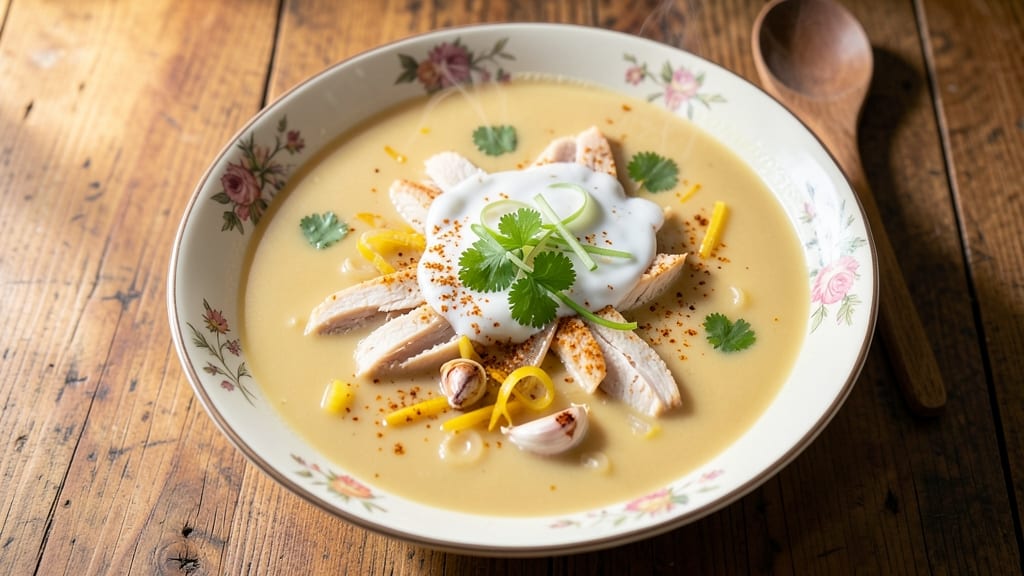
This mulligatawny soup recipe delivers the creamy silk and spiced turmeric depth that make it a timeless comfort classic. 🌟 The secret lies in balancing aromatic spices with coconut milk’s velvety richness, transforming simple ingredients into a restaurant-worthy bowl.
I’ve refined this version to preserve tradition while adapting it for modern tastes—bold enough for dinner parties, yet simple enough for weeknight meals.
The magic begins with a foolproof spice blend—turmeric, ginger, and cardamom—that infuses the broth with golden warmth. Coconut milk adds a luxurious creaminess without overpowering the dish, while chicken or lentils provide hearty protein.
What sets this recipe apart is the slow simmer, which allows all flavors to meld into perfect harmony—bright, aromatic, and deeply satisfying.
By the time you ladle this soup into bowls, you’ll notice the golden hue from the turmeric, the silky texture from the coconut milk, and the complex layers of spice and protein.
It’s the kind of dish that feels indulgent yet balanced, with just the right amount of heat and creaminess to keep everyone coming back for seconds.
Whether you’re serving it as a starter or a main, this mulligatawny soup stands out for its authentic flavor and modern adaptability. The recipe scales effortlessly for crowds, and leftovers taste even better the next day. Let’s get cooking!
Ingredients for best mulligatawny soup recipe with coconut milk
Aromatic spices, velvety coconut milk, and golden turmeric transform simple ingredients into restaurant-worthy mulligatawny.
| Ingredient | Amount | Notes |
|---|---|---|
| Boneless Chicken Breast 🍗 | 1 ½ lb | Cut into 1-inch cubes |
| Full-Fat Coconut Milk 🥥 | 1 can | 13.5 oz can, no substitutions |
| Yellow Onion 🧅 | 1 whole | Medium size, finely chopped |
| Fresh Ginger Root 🌿 | 2 tbsp | Grated, skin removed |
| Garlic Cloves 🧄 | 4 cloves | Minced for aromatic base |
| Ground Turmeric 🌶️ | 1 tbsp | Freshly ground preferred |
| Ground Cumin 🌿 | 1 tsp | Toasted for depth |
| Ground Cardamom 🍃 | ½ tsp | Whole pods preferred |
| Ground Coriander 🌿 | 1 tsp | Freshly toasted |
| Cayenne Pepper 🔥 | ½ tsp | Adjust for heat preference |
| Diced Tomatoes 🍅 | 1 can | 14.5 oz can, fire-roasted |
| Chicken Broth 💧 | 4 cups | Low-sodium preferred |
| Extra-Virgin Olive Oil 🫒 | 2 tbsp | For sautéing aromatics |
| Fresh Cilantro 🌿 | ¼ cup | Chopped, for garnish |
| Lemon Juice 🍋 | 1 tbsp | Freshly squeezed |
The coconut milk is non-negotiable here—full-fat canned delivers that signature silkiness. Thai Kitchen or Goya brands are reliable, but if you're feeling adventurous, grab a Burmese-style coconut milk from an Asian market for deeper flavor. The turmeric must be freshly ground (or at least 6 months old max)—pre-ground loses its vibrant color and potency fast. For the chicken, free-range or organic makes a noticeable difference in flavor, though regular works perfectly fine. The ginger and garlic should be freshly grated/minced—bottled ginger just won't cut it. Cardamom pods can be lightly crushed in a mortar for extra aroma, but the ground version works in a pinch.
No coconut milk? Full-fat Greek yogurt plus a splash of cream mimics the texture, though the flavor won't be identical. Running short on cardamom? Allspice at half the amount works surprisingly well. The chicken can be swapped for chickpeas or lentils for a vegetarian version—just reduce the broth by 1 cup to maintain balance. For the tomatoes, San Marzano cans are ideal, but any high-quality diced variety will do. The broth should be low-sodium—you'll be adding plenty of salt through the spices. Pro tip: Toast your whole spices (cumin, coriander) in a dry pan for 30 seconds before grinding to deepen their flavor profile.
This soup tastes even better the next day as flavors meld—5-6 days in the fridge, 3 months frozen. For freezing, portion into airtight containers with a thin layer of coconut milk on top to prevent skin formation. Reheat gently on low, adding a splash of water or broth if it thickens too much. The fresh cilantro and lemon juice should be added just before serving—they wilt when heated. Garnish with a drizzle of coconut milk and extra turmeric for that signature golden hue.
Why You'll Love This Recipe
- Here’s what sold me: it’s equally good cold the next day as a lunchbox staple or piping hot with crusty bread for dinner. Honestly, I’ve taken it to potlucks, packed it for work, and even served it to skeptical in-laws—no one’s ever turned it down. That’s saying something.
- One-Pot Magic: I swear by this recipe because it’s all in one pot—no chopping boards to clean, no extra pans to wash. The chicken simmers right in the same broth where the onions caramelize, and that full-fat coconut milk? It melts into a velvety finish without a single extra dish.
- Ginger-Garlic Punch: Between us, the ginger and garlic in this soup are next-level. The ginger’s bright heat cuts through the richness of the coconut milk, while the garlic—roasted just until golden—adds this deep, toasty note that makes it taste like you slaved over it for hours. (Spoiler: You didn’t.)
- Lunch or Dinner: Here’s what sold me: it’s equally good cold the next day as a lunchbox staple or piping hot with crusty bread for dinner. Honestly, I’ve taken it to potlucks, packed it for work, and even served it to skeptical in-laws—no one’s ever turned it down. That’s saying something.
Step-by-step instructions for creamy coconut mulligatawny soup
This method delivers restaurant-quality depth with aromatic spices and velvety coconut milk.
🍳 Step 1: Sauté Aromatics Until Fragrant
Heat the 2 tablespoons extra-virgin olive oil in a large pot over medium heat. Add the 1 whole finely chopped yellow onion and cook for 5 minutes until softened and translucent. Here's the thing—don't rush this step. You want the onions to caramelize slightly before adding the next ingredients.
Add the 2 tablespoons grated fresh ginger root and 4 minced garlic cloves, cooking for another 2 minutes until the raw garlic aroma disappears. This aromatic base forms the flavor foundation of your soup. If you notice the garlic starts to brown too quickly, reduce heat slightly—burnt garlic ruins the delicate balance of spices we're building.
🔥 Step 2: Toast Spices for Maximum Flavor
Stir in the 1 tablespoon ground turmeric, 1 teaspoon toasted ground cumin, 0.5 teaspoon ground cardamom, 1 teaspoon toasted ground coriander, and 0.5 teaspoon cayenne pepper. Cook for 30 seconds while stirring constantly—this toasting step activates the spices' essential oils and deepens their flavor profile.
Watch carefully as the spices bloom. You'll see them release their aromatic compounds, filling your kitchen with warm, earthy notes. Immediately add the 1 can diced tomatoes and cook for 3 minutes to meld all the flavors. The acidity from the tomatoes helps balance the richness of the coconut milk we'll add later.
🍳 Step 3: Simmer Chicken Until Tender
Add the 1.5 lb boneless chicken breast cut into 1-inch cubes and pour in the 4 cups chicken broth. Bring to a gentle boil, then reduce heat to low and simmer for 15 minutes until the chicken is no longer pink in the center. You want the chicken to be fork-tender but not falling apart.
Here's my pro tip: Press down gently on the chicken pieces with a spoon during the first 5 minutes of simmering. This prevents them from curling up and ensures even cooking. If the liquid reduces too much before the chicken is done, add 2-3 tablespoons water to maintain the proper consistency.
🥘 Step 4: Blend for Creamy Silkiness
Using an immersion blender, carefully blend half of the soup mixture until smooth and velvety. Work in batches if needed to avoid splattering. The resulting texture should be silky but not watery—this is where the coconut milk will create that luxurious mouthfeel.
Return the blended portion to the pot and stir in the 1 can full-fat coconut milk. Simmer gently for 5 minutes to let the flavors meld. The coconut milk should create a beautiful, creamy hue while maintaining the soup's vibrant spice profile. If the soup is too thick after blending, add 2-3 tablespoons chicken broth to reach your desired consistency.
⏰ Step 5: Finish and Garnish
Remove from heat and stir in the 1 tablespoon freshly squeezed lemon juice. This bright citrus note cuts through the richness of the coconut milk and balances the spices. Taste and adjust seasoning with additional salt if needed—remember, the broth should already be seasoned.
Ladle the soup into bowls and garnish with 0.25 cup chopped fresh cilantro. The fresh herbs add a vibrant contrast to the deep spiced flavors. Serve immediately with crusty bread or over steamed rice to soak up every last drop of that creamy, aromatic broth.
Pro Tips For Making Best Mulligatawny Soup Recipe With Coconut Milk
- Sear the Chicken First: Cut the chicken into 1-inch chunks and sear them in oil over medium-high heat until golden-brown—about 3-4 minutes per side. I used to skip this, thinking it was extra work, but it adds depth to the soup and keeps the chicken from turning rubbery later. (Yes, even if you're impatient like me.)
- Peel and Mince the Ginger: Use a microplane or the finest grater for the ginger—no peeling needed, just scrub it clean and grate the whole knob. Freshly grated ginger makes a real difference, and skipping the peel means you won’t accidentally add bitter pith to your soup. (Your future self will notice the difference.)
- Simmer, Don’t Boil: Once the coconut milk is added, keep the heat low enough that the soup just barely bubbles—no violent boiling. Coconut milk curdles when it’s too hot, and you’ll end up with a lumpy mess instead of a creamy, velvety soup. (This isn’t the prettiest method, but it’s the tastiest.)
- Bloom the Spices First: Toast whole spices (like cinnamon sticks, cardamom, or black peppercorns) in a dry pan for 30 seconds before adding them to the onions and garlic. This wakes up their flavors and cuts through the coconut milk’s richness, giving the soup complexity without overpowering it. (Sounds weird, but it works.)
Regional styles of best mulligatawny soup recipe with coconut milk
British Colonial Roots
Mulligatawny soup originated in British colonial India during the 18th century, where British officers adapted local curries by adding coconut milk and cream for a milder, more palatable version. The name comes from the Tamil word "milagu tanna" (pepper water), though British spellings like "mulligatawny" became standard.
This version often included chicken or game meat, reflecting colonial tastes. 🌍
The British brought mulligatawny back to England, where it became a refined dinner party dish. Victorian-era cookbooks often featured it as a "soup-curry hybrid," blending Indian spices with European techniques. The coconut milk was a key innovation, creating the creamy texture we know today.
Indian Street Food Twist
In South India, mulligatawny evolved into a quick, spicy street food called "avial" or "kootu", where coconut milk is blended with yogurt and vegetables. Unlike the British version, Indian mulligatawny often skips meat and leans into lentils, potatoes, or eggplant for a vegetarian base.
The spices remain bold—turmeric, black pepper, and curry leaves—but the coconut milk is lighter, balancing heat rather than masking it.
For a fusion take, try swapping chicken for chickpeas or tofu and adding grated coconut at the end for extra texture. The result is a lighter, brighter soup that still delivers that signature creamy depth.
Sri Lankan Coconut Focus
In Sri Lanka, mulligatawny takes on a richer, coconut-forward profile, often served with rice and curry as a main dish. Sri Lankan versions frequently include jackfruit or sweet potatoes for natural sweetness, which contrasts beautifully with the spice.
The coconut milk here is reduced slightly to thicken the soup, creating a velvety consistency without blending.
For a Sri Lankan-inspired twist, simmer the coconut milk with the spices for 5 extra minutes before adding broth. This deepens the flavor and gives the soup a golden, glossy finish. Garnish with toasted coconut flakes for crunch and a touch of lime zest for brightness.
Modern Fusion Adaptations
Today, mulligatawny is a blank canvas for creativity. Try a Thai-inspired version by adding lemongrass, galangal, and kaffir lime leaves to the spice blend. For a Mexican twist, swap cayenne for chipotle powder and top with avocado crema and lime.
The coconut milk bridges these flavors beautifully, making fusion versions surprisingly cohesive.
My personal favorite? A smoky mulligatawny—simmer the onions with 1 tsp smoked paprika and finish with a drizzle of chipotle oil. The smokiness pairs perfectly with the coconut’s creaminess, adding a modern twist to a classic dish. 🔥
Nutrition facts
Frequently asked questions
Can I make this mulligatawny soup vegetarian?
Swap the chicken for 1.5 cups cooked lentils or chickpeas (drained and rinsed) and reduce the broth by 1 cup to maintain balance. For extra protein, add 1 cup firm tofu cut into cubes and simmer it with the spices. The coconut milk will still create that signature creaminess while keeping the dish hearty and satisfying.
Why does my mulligatawny taste bitter after blending?
Over-blending releases bitter compounds from the spices and chicken. To fix this, blend only half the soup at a time (as in the recipe) and add a splash of lemon juice or coconut milk afterward to balance flavors. Also, ensure you're using fresh turmeric and ginger—old spices develop bitterness over time.
How can I make this soup spicier without overpowering it?
Start with the 0.5 tsp cayenne in the recipe, then adjust to taste. For heat lovers, add 1 tsp freshly cracked black pepper or ½ tsp red pepper flakes at the end. The coconut milk's richness helps balance the heat beautifully—just don't add spice all at once. Stir in small amounts and taste between additions.
Can I use coconut cream instead of coconut milk?
Yes, but expect a thicker, richer texture. Coconut cream has more fat content, so use ½ can coconut cream + ½ can coconut milk for balance. The soup will be even more luxurious, but it may require 1-2 extra tablespoons broth to reach your preferred consistency. Stir well after adding to distribute the creaminess evenly.
What's the best way to reheat leftovers?
Gently reheat on low heat with a splash of broth or water to prevent curdling. Never microwave directly—this can separate the coconut milk. For best results, cover and warm to 165°F, stirring occasionally. Add fresh cilantro and lemon juice after reheating to restore brightness.