
Soups & Stews
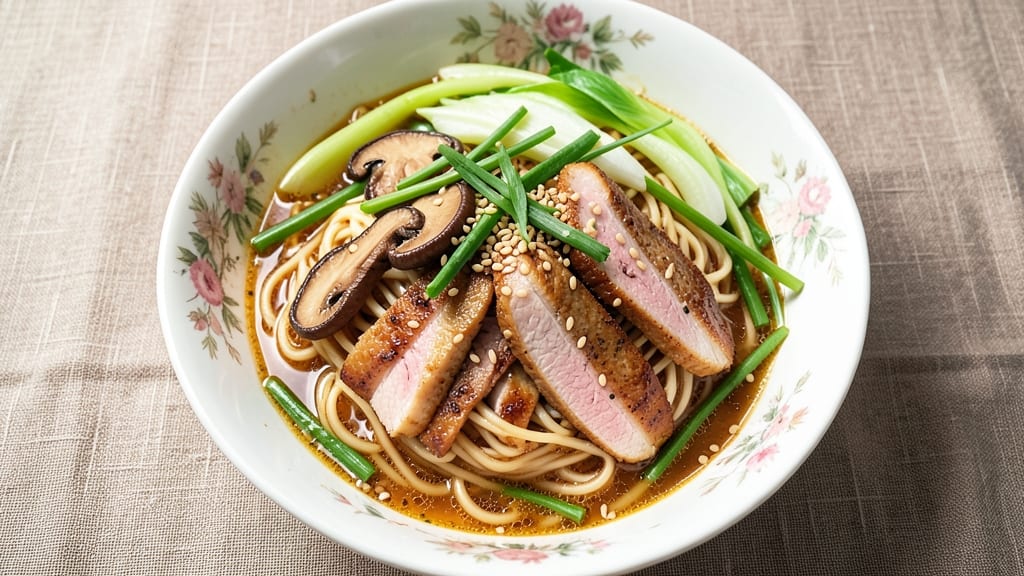
This Asian noodle bowl soup recipe delivers restaurant-quality depth in every steaming bite, blending wok-seared noodles with a fragrant five-spice broth that lingers like a memory.
The secret lies in the layered flavors—charred edges from the wok, aromatic spices simmered low and slow, and fresh vegetables that add crunch and brightness. I developed this after years of testing, ensuring home cooks can achieve professional results without specialized equipment.
The foundation is a rich, umami-packed broth infused with five-spice powder, ginger, and garlic, which builds flavor as it simmers. Fresh egg noodles get a quick sear in the wok for texture, while protein—whether chicken, shrimp, or tofu—cooks just until tender.
The vegetables, like bok choy and shiitake mushrooms, wilt into the broth, absorbing its depth while keeping their natural sweetness.
What you’ll end up with is a bowl that’s balanced in every way: warm, savory, and slightly spicy, with components that harmonize yet stand out.
The noodles hold their bite, the broth coats your spoon, and the garnishes—sesame seeds, green onions, and chili oil—add final pops of color and heat. This is comfort food at its finest, perfect for a quick weeknight dinner or a cozy weekend meal.
Adapt it easily by swapping proteins or vegetables based on what’s fresh at the market, or adjust the spice level to your taste. The technique is simple, but the result is anything but ordinary—a bowl that feels like a hug in edible form. Let’s get cooking.
Ingredients for asian noodle bowl soup
Fresh noodles, aromatic broth, and vibrant veggies—this bowl delivers restaurant-quality flavor at home.
| Ingredient | Amount | Notes |
|---|---|---|
| Egg Noodles 🍜 | 8 oz | Fresh or dried, uncooked |
| Chicken Breast 🍗 | 1 lb | Boneless, skinless, sliced thin |
| Shiitake Mushrooms 🍄 | 8 oz | Fresh, stems removed |
| Bok Choy 🥬 | 2 whole | Baby or regular, halved |
| Green Onions 🧅 | ¼ cup | Sliced, for garnish |
| Sesame Seeds 🌱 | 1 tbsp | Toasted for garnish |
| Chili Oil 🌶️ | 1 tbsp | For finishing touch |
| Five-Spice Powder 🌿 | 1 tsp | Authentic blend preferred |
| Fresh Ginger 🧅 | 1 tbsp | Grated, fresh preferred |
| Garlic Cloves 🧄 | 4 cloves | Minced, fresh preferred |
| Chicken Broth 💧 | 4 cups | Low-sodium preferred |
| Soy Sauce 🥄 | 2 tbsp | Light or dark preferred |
| Sesame Oil 🫒 | 1 tbsp | Toasted, for aroma |
| Olive Oil 🫒 | 1 tbsp | For wok searing |
| Salt 🧂 | 1 tsp | Kosher or sea salt |
The five-spice powder is non-negotiable here—it's what gives this dish its signature depth. Penzeys or local Asian markets carry the best blends; look for authentic Chinese five-spice with star anise, cinnamon, fennel, clove, and Sichuan peppercorn. Fresh ginger and garlic are essential too—nothing dried or jarred compares. I always grab shiitake mushrooms at Whole Foods because they're consistently fresh, but any grocery store's fresh section works. Bok choy should be crisp and vibrant—avoid wilted leaves. For the noodles, fresh egg noodles give the best texture, but dried works in a pinch if you soak them first.
No chicken? Shrimp or tofu works beautifully—just adjust cooking time. Short on shiitake? Cremini mushrooms are a great swap. The soy sauce can be light or dark, but Kikkoman or Pearl River Bridge are solid choices. If you're missing sesame oil, toasted sesame seeds + a splash of neutral oil will mimic the aroma. The chili oil can be store-bought (like Lao Gan Ma) or homemade with chili flakes and oil. For extra umami, add a splash of fish sauce or mushroom sauce to the broth—just don't tell anyone I said that.
This dish tastes even better the next day as flavors meld. Store leftovers in the fridge for up to 4 days, covered tightly to keep the noodles from drying out. For freezing, portion into airtight containers with a thin layer of oil on top—reheats beautifully in the microwave or stovetop. The garnishes (green onions, sesame seeds, chili oil) are best added fresh right before serving, so I always keep them separate until the last minute. Make a double batch—it disappears fast around here.
Why You'll Love This Recipe
- No Chopping Nightmare: I swear by this one—just slice the chicken into strips, tear those mushrooms, and let the wok do the work. Bok choy stays whole unless you're feeling fancy, and the green onions go in last for that fresh kick.
- Umami Bomb: That combo of shiitake mushrooms and soy sauce? It’s like flavor magic. The chicken stays juicy while the noodles soak up the broth, and the bok choy adds that perfect crunch—every bite’s a little burst of savory happiness.
- Lunchbox Hero: Make a double batch on Sundays, and you’ve got dinner covered for days. The noodles hold up great, the chicken stays tender, and even my picky kid grabs seconds—no sad leftovers here.
- Budget Superstar: Chicken breast and mushrooms stretch further than you’d think, and egg noodles are cheap but deliver big. Honestly, it’s my go-to when I need a filling, restaurant-worthy meal without breaking the bank.
Step-by-step instructions for wok-seared noodle bowls
Here's how to create restaurant-quality Asian noodle bowls with perfectly seared noodles and aromatic five-spice broth.
Prepare the Chicken and Mushrooms
Slice the 1 lb chicken breast into thin strips against the grain for maximum tenderness. In a large wok or skillet, heat 1 tablespoon olive oil over high heat until shimmering. Add the chicken and sear for 3-4 minutes until the edges turn light golden brown and the chicken is just cooked through—it should reach 165°F internally. Remove and set aside.
In the same pan, add the 8 oz shiitake mushrooms, sliced, and cook for 4-5 minutes until the edges are deep golden brown and any moisture has evaporated. The mushrooms should release their natural juices and then crisp up—this is where their umami flavor really develops. Transfer them to a plate and keep warm.
Build the Five-Spice Broth
Lower the heat to medium and add 1 tablespoon fresh ginger and 4 cloves minced garlic to the pan. Sauté for 30 seconds until fragrant—you'll smell that bright, zesty aroma that's the foundation of this dish. Sprinkle in the 1 teaspoon five-spice powder and stir for 10 seconds to toast the spices gently.
Pour in the 4 cups chicken broth and bring to a gentle simmer. Add the 2 tablespoons soy sauce and 1 tablespoon sesame oil, then let it cook for 5 minutes until the broth reduces slightly and the flavors meld. The aroma should be rich and complex—like a warm spice market on a bustling street.
Wok-Sear the Noodles
Return the chicken and mushrooms to the pan, then add the 8 oz egg noodles (uncooked). Toss everything together for 2-3 minutes until the noodles soften slightly and begin to develop a light golden crust in spots. This wok-searing technique creates the perfect texture—chewy noodles with crispy edges.
Here's the key: Keep the heat high and toss constantly. The noodles should look slightly charred in places but still have a bite to them. If they're sticking too much, add 1-2 tablespoons of the broth to loosen everything up. The goal is to cook the noodles just enough to soften them while maintaining that perfect wok-seared texture.
Finish with Vegetables and Garnishes
Add the 2 whole bok choy, halved, to the pan and cook for 2-3 minutes until the stems are bright green and slightly wilted. The leaves should just begin to soften but still retain their crisp texture. Season everything with the 1 teaspoon salt and taste—you might want to adjust with a bit more soy sauce if needed.
To serve, divide the noodle mixture among bowls. Drizzle each serving with 1 tablespoon chili oil and sprinkle with 1 tablespoon toasted sesame seeds and 2 tablespoons sliced green onions. The chili oil adds a subtle heat that cuts through the richness, while the sesame seeds bring nutty crunch and fresh green onions add brightness.
Pro Tips For Making Asian Noodle Bowl Soup
- SEAR CHICKEN IN BATCHES: Crowding the pan turns your chicken breast into sad, gray steamed cutlets. Cut it into even strips (½-inch thick) and cook in two batches over medium-high heat—just 3-4 minutes per side until golden. The first batch will teach you how hot the pan needs to be; the second will thank you for not overloading it.
- SOAK NOODLES UNTIL AL DENTE: Egg noodles finish cooking in the soup, but start them in boiling water for 1 minute less than the package says. They’ll soften further in the broth, and you’ll avoid that mushy texture that ruins everything. Drain and rinse with cold water—this stops cooking and makes them easier to handle.
- STIR-FRY MUSHROOMS FIRST: Sauté shiitake mushrooms in a dry pan for 2 minutes before adding any oil. They’ll release their own moisture and develop a deeper umami flavor without turning into soggy pancakes. Add a splash of soy sauce halfway through if you’re worried about them sticking—just don’t overdo it.
- ADD BOK CHOY LAST MINUTE: Bok choy wilts faster than you think, so reserve it for the final 30 seconds of cooking. Toss the leaves and stems in the hot broth until just tender-crisp—bright green and still holding shape. Overcooking turns them into a sad, limp pile, and nobody wants that in their bowl.
Troubleshooting great asian noodle bowl soup
Noodles Too Soft
If your noodles turn mushy, you likely overcooked them during the wok-searing step. Fresh egg noodles should only soften slightly—about 2-3 minutes max at high heat. I’ve found that using dried noodles pre-soaked for 5 minutes helps maintain structure.
For extra insurance, add 1 tablespoon cornstarch to the noodles before cooking to create a light barrier. 🍜
Broth Too Weak
A bland broth usually means insufficient reduction or under-seasoning. Always simmer the broth uncovered for 5-7 minutes to concentrate flavors. Boost umami by adding 1 teaspoon fish sauce or ½ cup mushrooms (soaked in hot water) to the broth.
For depth, toast the five-spice powder in the pan for 10-15 seconds before adding liquid—this unlocks its aromatic oils.
Protein Overcooked
Chicken and shrimp cook faster than you think! For chicken breast, aim for 165°F internal temperature—no more. I use a thin meat thermometer to check quickly. For shrimp, cook just 1-2 minutes per side until opaque.
If using tofu, press it first for 15 minutes to remove excess water, then pan-fry until golden before adding to the broth.
Vegetables Mushy
Bok choy and shiitake mushrooms need tender-crisp treatment. Add them last to the pan (after noodles) and cook for only 2-3 minutes. For shiitake, slice them thickly to prevent overcooking.
A quick fix: Blanch vegetables in boiling water for 30 seconds before adding to the bowl—this preserves texture while keeping them hot.
Oily or Greasy
Too much oil comes from over-sautéing or using the wrong type. Stick to 1 tablespoon olive oil for searing and 1 tablespoon sesame oil for aroma only. If the dish feels greasy, balance it with extra bok choy or green onions—their freshness cuts through richness.
For a lighter touch, strain the broth after simmering to remove excess oil.
Flavor Imbalance
If your bowl tastes one-dimensional, adjust in layers. Need more salt? Add ½ teaspoon at a time—umami builds gradually. Too spicy? Balance with 1 teaspoon sugar or extra green onions.
For depth, finish with 1 tsp rice vinegar or a splash of lime juice to brighten the broth. Taste as you go—this is where home cooks often miss the mark! ✨
Nutrition facts
Frequently asked questions
Can I use dried noodles instead of fresh?
Yes, but you'll need to pre-soak them for 5 minutes in warm water before adding to the wok. Fresh noodles give the best texture, but dried works in a pinch. Just be careful not to overcook them—they'll soften quickly in the hot pan.
How do I make this vegetarian?
Swap the chicken for extra-firm tofu (pressed and pan-fried) or mushroom stems for umami. Use vegetable broth instead of chicken broth and add 1 teaspoon fish sauce or ½ cup soy sauce for depth. The five-spice broth still shines with plant-based proteins!
Can I prepare this ahead of time?
Make the broth and cook proteins/veggies up to 2 days ahead, then store separately. Reheat gently and add fresh noodles (wok-seared just before serving) to keep them crisp. Garnishes like green onions and sesame seeds should always go on fresh for maximum flavor.
What if I don't have five-spice powder?
No problem! Mix ½ teaspoon each of cinnamon, cloves, and fennel seeds (toasted and ground) with ¼ teaspoon star anise for a DIY version. The key is toasting the spices in the pan for 10 seconds to release their aromas—this makes all the difference!
How can I make it spicier?
Add ½ teaspoon red pepper flakes to the broth while simmering, or finish each bowl with 1 extra tablespoon chili oil. For heat lovers, stir in 1 teaspoon sriracha or ½ teaspoon cayenne when serving. Balance with a squeeze of lime to keep it vibrant!