
Soups & Stews
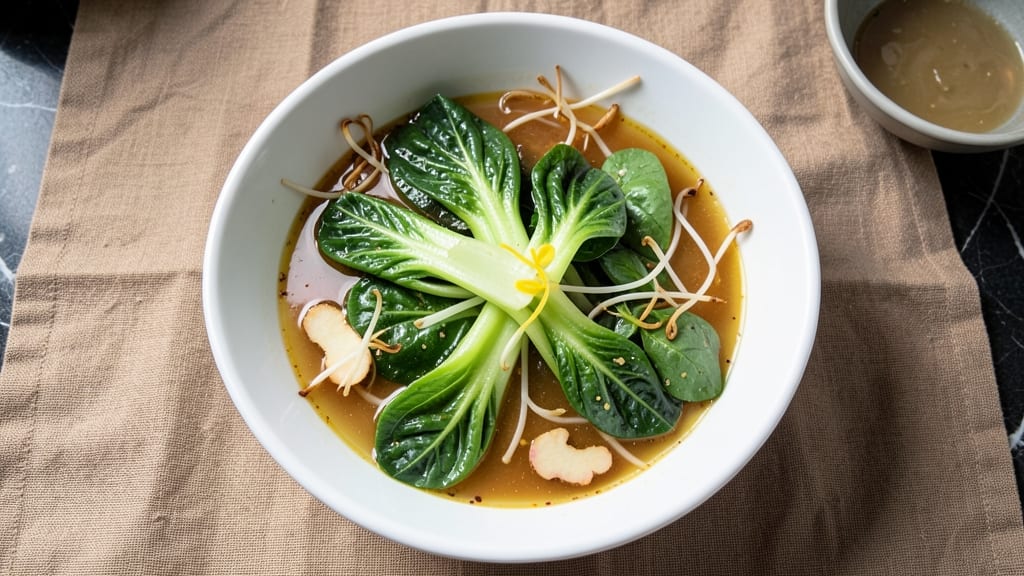
This Asian greens soup recipe transforms simple vegetables into a vibrant, comforting bowl that balances freshness with bold flavors. The secret lies in wok-fried noodles and crispy toppings that add texture without overpowering the delicate broth.
I developed this version after tasting countless regional takes—from Korean kongnamul guk to Vietnamese canh chua—and refining them into one approachable yet restaurant-worthy dish.
The magic happens in the broth, where aromatic ginger, garlic, and fermented chili oil build depth while fresh greens like spinach, bok choy, and bean sprouts retain their vibrant color and crisp bite.
A quick stir-fry with noodles and crispy shallots or fried tofu (for vegan versions) elevates the dish from ordinary to extraordinary. The result? A soup that’s light enough for summer but hearty enough for any meal.
What makes this recipe stand out is the crispy element—whether it’s pan-fried shallots, tempura-style tofu, or even crispy rice crackers—that adds a satisfying crunch to every spoonful. The broth simmers just long enough to develop flavor without losing its clarity, while the noodles absorb the essence of the seasonings.
It’s the kind of dish that feels both familiar and exciting, perfect for weeknight dinners or impressing guests.
Customize it with seafood for a pescatarian twist or keep it vegetarian for a plant-based powerhouse. The beauty of this recipe is its flexibility—each ingredient plays its part, but the soul of the dish remains the harmonious balance of textures and flavors.
Ready to make a bowl that’s as nourishing as it is delicious?
Ingredients for asian greens soup
These vibrant ingredients balance fresh greens with aromatic depth and crispy textures for an authentic yet approachable Asian-inspired bowl.
| Ingredient | Amount | Notes |
|---|---|---|
| Fresh Spinach 🌿 | 2 cups | Baby spinach for tender bite |
| Bok Choy 🥬 | 2 whole | Baby bok choy, chopped |
| Bean Sprouts 🌱 | 1 cup | Fresh or thawed frozen |
| Fresh Ginger 🧄 | 1 ½ tbsp | Finely grated, aromatic |
| Garlic Cloves 🧄 | 4 cloves | Minced for aromatic depth |
| Low-Sodium Chicken Broth 💧 | 4 cups | Homemade or high-quality store |
| Rice Noodles 🍜 | 8 oz | Thin or medium width |
| Shallots 🧅 | 2 whole | Thinly sliced for crispy topping |
| Sesame Oil 🫒 | 1 tbsp | Toasted for aroma |
| Vegetable Oil 🫒 | 2 tbsp | For wok-frying |
| Fermented Chili Oil 🌶️ | 1 tbsp | For umami heat |
| Lime Wedges 🍋 | 2 whole | For bright finish |
| Fresh Cilantro 🌿 | ¼ cup | Chopped for garnish |
| Sea Salt 🧂 | 1 ½ tsp | Diamond Crystal preferred |
| Black Pepper 🌶️ | ½ tsp | Freshly cracked |
The greens are the heart of this dish—baby spinach and bok choy retain their bright color and crisp texture when added late to the broth. For the best quality, Asian markets carry fresh bok choy with vibrant stems, while Whole Foods often has pre-washed baby spinach in convenient bags. Bean sprouts add that signature crunch; Trader Joe's sells them pre-washed, saving time. The ginger and garlic should be freshly grated/minced—pre-minced garlic loses its aromatic punch quickly. For the broth, homemade chicken stock yields the best flavor, but Kitchen Basics or Pacific Foods brands are reliable shortcuts.
No sesame oil? Toasted sesame seeds in neutral oil work as a substitute, though the aroma won't be identical. Short on bok choy? Substitute with napa cabbage or more spinach, but reduce cooking time to maintain texture. The fermented chili oil is non-negotiable for that signature umami heat—Lao Gan Ma or Chili Crunch brands are widely available. For the crispy element, pan-fried shallots are ideal, but crispy fried tofu or rice crackers elevate the dish beautifully. The rice noodles should be fresh or high-quality dried—avoid the pre-cooked varieties that turn mushy.
Broth can be made ahead and stored in the fridge for 3-4 days or frozen for 3 months. Fresh greens keep in the fridge for 5-7 days when stored in sealed containers with a paper towel to absorb moisture. The crispy shallots or tofu can be prepped ahead and reheated in the oven at 350°F for 5 minutes to restore crispness. For meal prep, assemble the soup without the noodles and toppings, storing them separately—add everything fresh before serving to maintain texture and flavor.
Why You'll Love This Recipe
- I swear by this trick: just tear the spinach and bok choy into bite-sized pieces—no knife skills required. The bean sprouts? Rinse them, toss them in, and let the broth do the work. Honestly, I make this on days when I’m too tired to chop anything.
- No-Chop Needed: I swear by this trick: just tear the spinach and bok choy into bite-sized pieces—no knife skills required. The bean sprouts? Rinse them, toss them in, and let the broth do the work. Honestly, I make this on days when I’m too tired to chop anything.
- Ginger-Garlic Magic: That first whiff of fresh ginger and garlic hitting the hot broth? Instant flavor upgrade. The crisp-tender bok choy and wilted spinach soak up the aroma like a sponge, giving you that perfect balance of zesty, savory, and umami. It’s the kind of soup that makes you forget it’s healthy.
- Weeknight to Potluck: This soup doubles as my go-to for lazy weeknights and impressing guests. Serve it steaming in bowls with a sprinkle of sesame seeds for a casual dinner, or bring it in a thermos to potlucks—it reheats beautifully and always disappears first.
Step-by-step instructions for wok-fried Asian greens noodle soup
Transform simple ingredients into a restaurant-quality bowl with crispy toppings and vibrant flavors.
Prepare the Crispy Shallot Topping
Heat 2 tablespoons vegetable oil in a small skillet over medium-high heat until shimmering. Thinly slice the 2 whole shallots into paper-thin rings, then add them to the hot oil in a single layer. Cook undisturbed for 2-3 minutes until the edges turn deep golden brown and crisp.
Use tongs to transfer the crispy shallots to a paper towel-lined plate, reserving 1 tablespoon of the oil for later. This step is all about patience—if you stir too soon, the shallots will steam instead of crisp. The result should be delicate, caramelized rings that add texture contrast to each spoonful of soup.
Cook the Rice Noodles Al Dente
Bring a pot of water to a rolling boil and add 1 teaspoon sea salt. Add the 8 ounces rice noodles and cook for 2-3 minutes until they're just tender but still slightly firm to the bite. This "al dente" texture prevents mushiness when combined with the broth later.
Drain immediately and rinse briefly under cold water to stop the cooking process. Toss the noodles with 1 tablespoon sesame oil and set aside. The residual oil will help them absorb the broth's flavors more effectively while maintaining their structure.
Build the Flavor Base with Aromatics
In a large wok or deep skillet, heat the reserved 1 tablespoon vegetable oil over medium-high heat. Add the 4 cloves minced garlic and 1.5 tablespoons grated fresh ginger, cooking for 30 seconds until fragrant but not browned. Add 1 tablespoon fermented chili oil and stir for 10 seconds to distribute the heat evenly.
Pour in the 4 cups low-sodium chicken broth and bring to a gentle simmer. The broth should bubble gently but not boil vigorously—this prevents the delicate greens from turning bitter. Season with 1 teaspoon sea salt and 0.5 teaspoon black pepper, adjusting to taste. This aromatic base forms the flavor foundation for the entire dish.
Wok-Fry the Greens and Combine
Add the 2 cups fresh spinach and 2 whole chopped bok choy to the simmering broth. Stir gently for 1-2 minutes until the greens are just wilted but still vibrant. Add the 1 cup bean sprouts and cook for an additional 30 seconds until heated through but still crisp.
Return the cooked noodles to the wok and toss everything together for 1 minute until evenly coated. The residual heat will finish cooking the noodles perfectly while blending all the flavors. Taste and adjust seasoning—this is your chance to balance the dish before serving.
Assemble and Finish with Fresh Elements
Divide the soup among 4 bowls, topping each with 1/4 of the crispy shallots and 1 tablespoon chopped fresh cilantro. Serve immediately with the 2 lime wedges on the side. The acidity from the lime brightens the rich, umami flavors of the broth and chili oil.
Each bowl should feature a perfect balance of textures—silky noodles, crispy shallots, tender greens, and delicate sprouts—all united by the savory-sweet broth. The fermented chili oil adds depth without overpowering, while the lime provides that essential fresh finish that keeps the dish vibrant.
Pro Tips For Making Asian Greens Soup
- STIR IN STAGES: Don’t dump all the greens at once—they’ll turn to mush faster than you can say "soggy soup." Start with bok choy and bean sprouts (they’re tougher), then add spinach in the last 30 seconds. I learned this the hard way when my soup looked like a sad, wilted salad.
- GINGER SLICE THIN: Skip the big chunks unless you want a mouthful of chew. Thinly slice the ginger—about 1/8-inch thick—so it infuses the broth without overpowering. My grandmother swore by this, and she was right: it melts into the soup instead of sitting like a rock.
- SALT THE WATER: The broth needs flavor from the start. Salt the water before adding anything—even the aromatics—so the ginger and garlic bloom properly. I used to wait until later, and the soup always tasted flat. (Yes, even if you’re impatient like me.)
- USE DRY SPROUTS: Rinse bean sprouts just before using, then pat them dry with a towel. Wet sprouts release too much starch and turn the broth cloudy. This isn’t the prettiest method, but it’s the tastiest—trust the process.
Best sauces and condiments for asian greens soup
Fermented Chili Oil
This is the secret weapon that transforms a simple greens soup into something extraordinary. I reach for Lao Gan Ma or Chili Crunch brands—their balance of umami depth and fiery heat elevates the broth instantly. Use 1 tablespoon to start, but taste as you go; you can always add more.
For a milder version, mix it with 1 teaspoon toasted sesame oil before adding to the broth. The oil's fermented funk cuts through the fresh greens, creating a perfect harmony of flavors. 🌶️
Sesame Oil Finishing
Toasted sesame oil isn't just for flavor—it's a textural game-changer. After cooking the noodles, toss them with 1 tablespoon of this aromatic oil while still warm. This creates a delicate sheen that enhances the noodles' ability to absorb the broth's flavors.
If you're short on time, 1 teaspoon toasted sesame seeds ground in a mortar will work in a pinch, though the aroma won't be as rich. The nutty depth complements the greens beautifully, making each spoonful more complex. 🫒
Lime Juice Brightener
Fresh lime wedges are non-negotiable for this dish—they're the acidic counterbalance that keeps the rich, umami broth from feeling heavy. Squeeze 1-2 wedges over each bowl just before serving, or offer wedges on the side for guests to adjust to their taste.
The citrus also helps cut through the fat from the crispy shallots, creating a refreshing finish. For a sweeter note, drizzle with 1 teaspoon honey before adding the lime. This simple step transforms the soup from good to restaurant-quality. 🍋
Crispy Topping Variations
The crispy element is what makes this soup special—here's how to customize it. For vegetarian versions, pan-fry ½ cup extra-firm tofu in 1 tablespoon oil until golden and crispy, then crumble over the top.
For seafood lovers, add 2 tablespoons chopped scallops or shrimp to the wok during the final minute of cooking. Even rice crackers (toasted in the oven for 3-5 minutes at 350°F) add a satisfying crunch. Each variation keeps the dish exciting while maintaining that perfect texture contrast. ✨
Broth Enhancers
Elevate your broth with these simple additions: Stir in 1 teaspoon fish sauce for deeper umami, or add ½ teaspoon soy sauce for a touch of saltiness. For a vegan version, replace chicken broth with mushroom broth and add 1 teaspoon miso paste to the aromatics.
If you have gochujang (Korean chili paste), mix ½ teaspoon into the broth for a smoky-sweet kick. These small tweaks let you adapt the soup to your taste while keeping the core flavors intact. 💡
Fresh Herb Garnishes
Don't underestimate the power of fresh herbs—they add brightness and visual appeal. Alongside the cilantro, try thinly sliced scallions or microgreens for a pop of color. For a Southwest twist, add chopped cilantro and lime zest on top.
If you're feeling adventurous, sprinkle with crushed peanuts for a crunchy, nutty contrast. The herbs should be added just before serving to preserve their freshness and vibrant color. 🌿
Nutrition facts
Frequently asked questions
Can I use frozen greens instead of fresh in this recipe?
Yes, but with adjustments! Use 1 cup frozen spinach or bok choy (thawed and drained well) instead of fresh, and add them to the broth 1 minute before serving to prevent mushiness. Avoid overcooking—frozen greens release more water and lose texture faster than fresh.
How do I make this soup spicier?
Add ½ teaspoon red pepper flakes to the broth while simmering, or increase fermented chili oil to 2 tablespoons. For heat lovers, stir in 1 teaspoon gochujang (Korean chili paste) with the aromatics. Always taste first—you can adjust, but you can't remove excess spice!
What if I don't have a wok?
No problem! Use a large skillet or deep pot with high sides. The key is keeping heat medium-high and stirring constantly to prevent burning. A nonstick pan works best for the crispy shallots—just monitor closely to avoid steam blocking crispiness.
Can I prepare this soup ahead of time?
Store the cooked broth and greens separately in the fridge for 2 days. Reheat the broth gently, then add fresh greens and noodles just before serving. Keep toppings (crispy shallots, herbs) separate until ready to eat—they lose crispness when reheated.
What's the best way to store leftover noodles?
Rinse cooked noodles with cold water to stop cooking, then store them in an airtight container with a damp paper towel. They'll last 3 days in the fridge or 1 month frozen. To reheat, soak in warm water for 5 minutes before adding to soup to restore texture.