
Soups & Stews
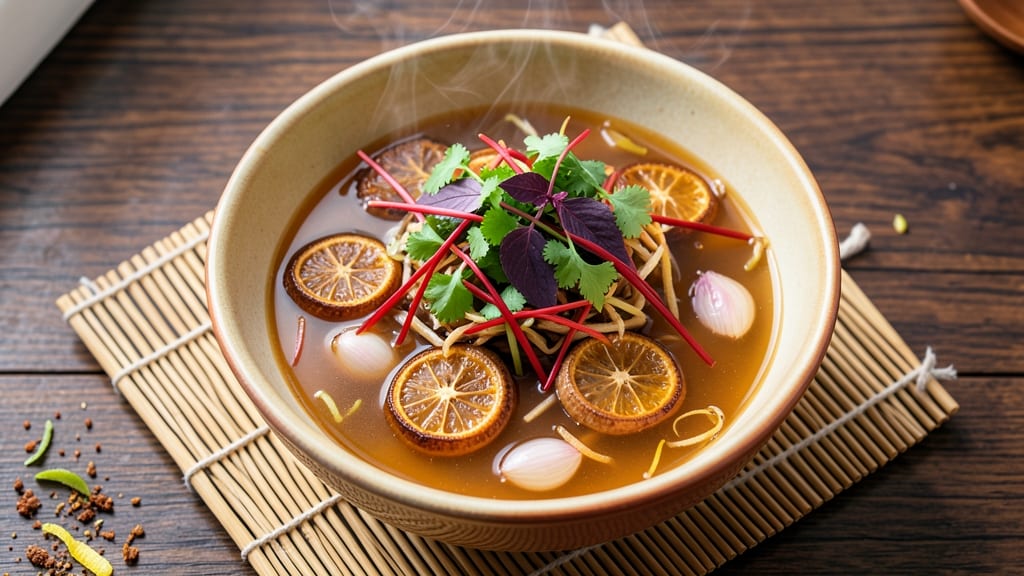
This Asian ginger soup recipe transforms simple ingredients into a fragrant, zesty broth that balances heat and brightness perfectly. The secret lies in slow-simmered ginger and aromatic herbs that infuse the liquid with layers of flavor—no shortcuts, just deep, restaurant-quality taste.
I developed this version after years of testing, ensuring every sip delivers that perfect harmony of spice and freshness.
The beauty of this recipe is its adaptability. Start with a base of fresh ginger, garlic, and scallions, then customize with proteins like shrimp or tofu, or keep it vegetarian for a lighter option.
The broth simmers for just 30 minutes, allowing flavors to meld without losing their vibrant edge. Fresh herbs like cilantro or Thai basil add brightness at the end, ensuring each bowl tastes freshly made.
What you'll end up with is a soup that's both comforting and invigorating—warm enough to satisfy on chilly days, yet bright enough to feel refreshing. The ginger's natural heat mellows into a soothing warmth, while the herbs add a fresh, almost floral note.
Serve with steamed rice or crusty bread to soak up every last drop of that fragrant broth.
This recipe works equally well as a quick weeknight meal or an impressive dish for guests. The technique is straightforward but the results are anything but basic—proof that great flavor doesn't require complicated methods. Let's get started on creating your own pot of this aromatic, comforting soup.
Ingredients for asian ginger soup
Fresh ginger, aromatic herbs, and simple broth create this fragrant, zesty Asian-inspired soup.
| Ingredient | Amount | Notes |
|---|---|---|
| Fresh Ginger Root 🧄 | ½ lb | Peeled and sliced into thin coins |
| Garlic Cloves 🧄 | 6 cloves | Peeled and smashed |
| Scallions 🧅 | 1 bunch | White and green parts separated |
| Fresh Cilantro 🌿 | ½ cup | Stems included for extra flavor |
| Thai Basil Leaves 🌿 | ¼ cup | Or regular basil if unavailable |
| Vegetable Broth 💧 | 4 cups | Low-sodium preferred |
| Coconut Milk 🥥 | ½ cup | Full-fat for creaminess |
| Fish Sauce 🍜 | 1 tbsp | Optional for umami depth |
| Lime Juice 🍋 | 2 tbsp | Freshly squeezed |
| Brown Sugar 🍚 | 1 tbsp | Light or dark variety |
| Red Chili Flakes 🌶️ | ½ tsp | Adjust for heat preference |
| Sesame Oil 🫒 | ½ tsp | Toasted for aroma |
| Tofu or Shrimp 🍤 | 8 oz | Firm tofu or peeled shrimp |
| Olive Oil 🫒 | 1 tbsp | For sautéing ginger |
| Salt 🧂 | 1 tsp | Kosher or sea salt |
The ginger is non-negotiable here—look for firm, moist roots with no soft spots. Asian markets often carry the freshest ginger, but the regular grocery store works too. Peel it just before slicing to preserve its bright flavor. For the garlic, smash the cloves with the side of your knife instead of mincing—they’ll infuse more flavor into the broth. Scallions add a subtle sharpness, so don’t skip the green parts—they’re packed with flavor. Fresh herbs like cilantro and Thai basil are best bought just before using; Thai basil, with its anise-like aroma, is worth hunting down at a specialty store.
No Thai basil? Regular basil or even mint will work in a pinch, though the flavor profile shifts slightly. Fish sauce is optional but adds that signature umami punch—Red Boat is a reliable brand if you’re new to it. For a vegetarian version, skip the fish sauce and boost the soy sauce slightly. The coconut milk should be full-fat for that creamy texture, but if you’re watching calories, light coconut milk with a splash of cream still delivers. Prefer your soup spicier? Add more chili flakes or a dash of Sriracha at the end. The lime juice should be freshly squeezed—bottled just won’t cut it here.
This broth reheats beautifully, but it’s best enjoyed fresh. Store leftovers in an airtight container in the fridge for up to 4 days, though the flavors deepen overnight. For longer storage, freeze portions in ice cube trays—perfect for quick additions to future meals. The tofu or shrimp can be added fresh when reheating, so you can prep the broth ahead and customize it later. Garnish with extra herbs and a drizzle of sesame oil right before serving to keep everything vibrant.
Why You'll Love This Recipe
- I swear by this trick: just peel and slice the ginger thick—no peeling every strand, no mincing until my fingers ache. The scallions add a bright punch with almost no effort, and the cilantro and Thai basil? Toss them in whole at the end. Boom. Done.
- No-Chop Needed: I swear by this trick: just peel and slice the ginger thick—no peeling every strand, no mincing until my fingers ache. The scallions add a bright punch with almost no effort, and the cilantro and Thai basil? Toss them in whole at the end. Boom. Done.
- Ginger-Garlic Magic: That first sip—warm, spicy, with garlic lingering like a secret—is what makes this soup ridiculously good. The ginger’s heat mellows into something soothing, while the Thai basil adds a floral lift that turns a simple broth into something unforgettable. Honestly, I’ll take this over takeout any day.
- Weeknight or Potluck: This soup doubles as a cozy weeknight dinner or a showstopper for guests. Serve it steaming in bowls with rice, or let it cool for meal prep—it reheats better than most. Between us, my roommate’s picky about flavors, but he’s asked for seconds three times now.
Step-by-step instructions for Asian ginger soup with fresh herb brightness
This vibrant soup builds layer upon layer of flavor, starting with aromatic ginger and ending with bright herbs.
Prepare the Aromatic Base
Heat the 1 tablespoon olive oil in a large pot over medium heat. Add the 0.5 lb peeled and sliced fresh ginger root and cook for 3-4 minutes until fragrant and just beginning to soften. The ginger should release its essential oils and fill your kitchen with a warm, spicy aroma.
Add the 6 peeled and smashed garlic cloves and the white parts of 1 bunch scallions (roughly chopped). Cook for another 1-2 minutes until the garlic turns golden around the edges. This quick sauté prevents the garlic from burning while developing its nutty depth. Remove the pot from heat temporarily to avoid overcooking.
Build the Flavorful Broth
Return the pot to medium heat and pour in the 4 cups vegetable broth. Add the 1 tablespoon brown sugar, 0.5 teaspoon red chili flakes, and 1 teaspoon salt. Stir well to dissolve the sugar completely. Bring the mixture to a gentle simmer and let it cook uncovered for 10-12 minutes until the broth reduces slightly and the flavors meld together.
Here's where the magic happens: the ginger's natural sweetness caramelizes slightly, while the chili flakes infuse subtle heat. Taste the broth now—it should be balanced between sweet, spicy, and savory. If it needs more depth, add the 1 tablespoon fish sauce now and stir. If you prefer it milder, skip this step or reduce the amount.
Add Protein and Creaminess
Choose your protein: For tofu, add the 8 oz firm tofu (pressed and cubed) to the simmering broth. For shrimp, add the 8 oz peeled shrimp (pat dry) and cook for 2-3 minutes until just opaque. If using tofu, simmer for 5 minutes until heated through. The tofu should absorb the broth's flavors without falling apart.
Stir in the 0.5 cup coconut milk and simmer gently for 3-4 minutes until the soup reaches a velvety consistency. Remove from heat and let it sit for 2 minutes—this resting period allows the flavors to settle and the coconut milk to fully incorporate. The soup should now have a rich, creamy texture with visible strands of ginger floating throughout.
Finish with Fresh Herbs and Brightness
Add the green parts of 1 bunch scallions (thinly sliced) and the 0.25 cup Thai basil leaves (torn by hand). Stir gently to distribute the herbs evenly. The basil will release its anise-like aroma as it warms through. Remove the pot from heat and stir in the 2 tablespoons lime juice and 0.5 teaspoon sesame oil.
Finally, add the 0.5 cup fresh cilantro (including stems, chopped) and the remaining white scallion pieces (if reserved). The herbs should brighten the soup's color and add a refreshing contrast to the rich broth. Taste and adjust seasoning—you may need a pinch more salt or lime juice to balance the flavors perfectly.
Serve Immediately with Garnishes
Ladle the soup into bowls and serve immediately while still steaming hot. Garnish each serving with an extra sprinkle of Thai basil leaves, a drizzle of sesame oil, and a few cilantro leaves for visual appeal and added freshness. The contrast of warm soup and cool herbs creates a truly satisfying dining experience.
This soup is best enjoyed fresh, as the herbs release their full aroma when served immediately. Pair it with steamed rice or crusty bread to soak up every last drop of that fragrant ginger broth.
Pro Tips For Making Asian Ginger Soup
- CHAR THE GINGER FIRST: Toss the whole ginger root (peeled) into a dry, smoking-hot pan for 30 seconds before adding oil—this unlocks the spicy, aromatic oils that’ll make your soup sing. I used to peel and slice first, and the flavor was always half as bright.
- PEEL GARLIC IN HALVES: Smash each garlic clove flat with the side of your knife, peel off the skin, then chop—this keeps the cloves intact and prevents them from burning into bitter sludge. I learned this the hard way after tasting a soup where the garlic had turned acrid.
- SWAP STALE SCALLIONS: If your scallions are limp, toss them in ice water for 10 minutes to crisp them up, or grab fresh ones—wilted greens turn the soup mushy. Fresh scallions add a bright crunch that stale ones just can’t match.
- STIR IN BASIL LAST: Add Thai basil leaves whole right before serving so they stay vibrant and fragrant—not wilted and sad. I used to toss them in early, and the soup always tasted duller, like the herbs had given up the ghost.
Serving suggestions for this dish
Herb Garnish Ideas
Fresh Thai basil and cilantro are non-negotiable for that signature brightness, but don't be afraid to experiment. Try adding mint leaves for a cooler contrast or chopped chives for a milder onion note.
I love sprinkling toasted sesame seeds over the top—they add crunch and a nutty aroma that complements the ginger beautifully. 🌿
Crunchy Toppings
For texture lovers, crushed peanuts or fried shallots elevate the dish instantly. Toast 2 tablespoons peanuts in a dry pan for 2-3 minutes until golden, then sprinkle on top. If you prefer something crispier, fry 1 shallot sliced into rings until golden brown and drain on paper towels.
These toppings cut through the creaminess of the coconut milk perfectly.
Bread Pairings
Serve with steamed jasmine rice to soak up the fragrant broth, or offer crusty baguette slices for dipping. For a more substantial option, try garlic naan or rice paper rolls—lightly toasted and cut into strips.
I often serve this soup with both rice and bread so everyone can choose their preference. The contrast of warm soup and cool bread is pure comfort food magic. 🥖
Protein Swaps
While shrimp and tofu work beautifully, consider chicken breast or mushrooms for heartier options. For chicken, add 8 oz boneless breast cut into strips and cook until 165°F internal temperature.
For mushrooms, use 8 oz shiitake caps sliced thin—simmer for 5 minutes until tender. Both add satisfying substance without overpowering the delicate broth flavors.
Dipping Sauces
Offer a small bowl of sweet chili sauce or hoisin sauce for dipping bread or rice. For a homemade option, mix 2 tablespoons lime juice, 1 tablespoon soy sauce, and 1 teaspoon honey—this tangy-sweet dip complements the soup's complexity wonderfully.
Keep it on the table so guests can customize their experience. 🍜
Nutrition facts
Frequently asked questions
Can I make this ginger soup without coconut milk?
For a lighter version, replace the coconut milk with ½ cup heavy cream or ½ cup cashew cream (blended soaked cashews + water). If you prefer dairy-free, use an extra ½ cup vegetable broth and add a splash of lime juice to balance the richness. The soup will be less creamy but still deeply flavorful.
How do I adjust the spice level for kids or sensitive eaters?
Start by reducing the red chili flakes to ¼ teaspoon or omit them entirely. For extra mildness, skip the fish sauce (or use ½ teaspoon soy sauce instead) and add a pinch more brown sugar to balance flavors. Always taste the broth before adding protein—this ensures gentle warmth without heat.
What's the best way to store leftovers?
Store in an airtight container in the fridge for up to 4 days. The broth actually tastes better the next day as flavors meld! For longer storage, freeze portions in ice cube trays—thaw quickly in the microwave or stovetop. Never refreeze thawed soup. Garnishes like herbs and sesame oil should be added fresh when reheating.
Can I make this soup in an Instant Pot?
Yes! Sauté the ginger, garlic, and scallions first, then add broth, sugar, chili flakes, and salt. Cook on High Pressure for 3 minutes, then quick-release. Add protein and coconut milk, simmering 2-3 minutes on Sauté mode. Finish with fresh herbs and lime juice. The pressure cooker reduces time but preserves all the aromatic flavors.
Why does my ginger soup taste bitter?
Bitterness usually comes from overcooked ginger or using old, dried-out root. Fresh ginger should be peeled and sliced just before cooking. If the broth tastes bitter, strain out any dark ginger pieces and stir in 1 teaspoon lime juice or ½ teaspoon brown sugar to balance. For future batches, simmer ginger for only 3-4 minutes before adding broth.