
Soups & Stews
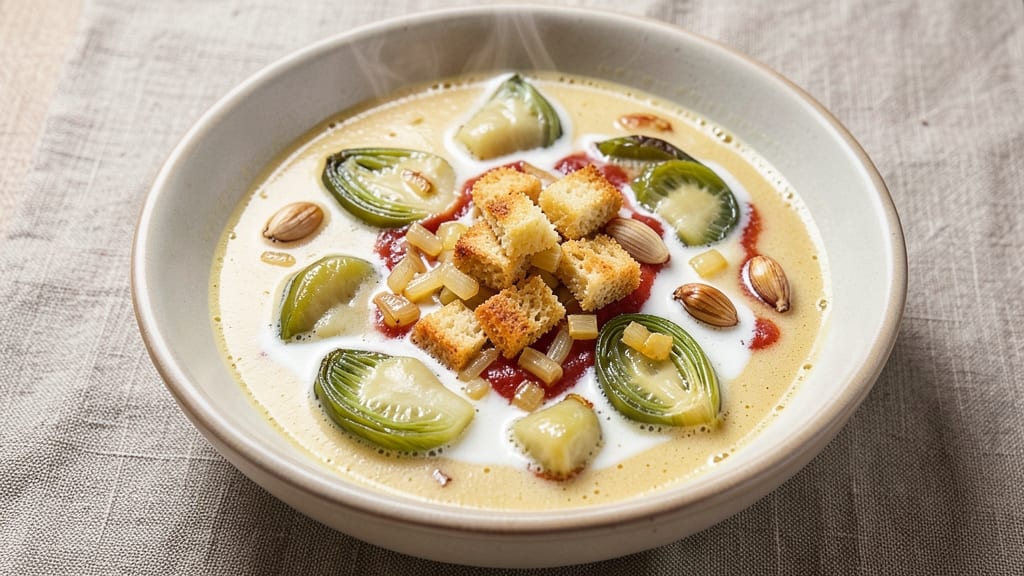
This artichoke soup recipe with canned artichokes delivers restaurant-quality silkiness without the fuss of fresh prep. The secret lies in perfectly balanced flavors—creamy yet bright, herby yet tender—all achieved in under an hour.
I developed this version after realizing canned artichokes could rival fresh when handled right, transforming them into velvety soup with just a few simple techniques.
The foundation starts with a rich broth base, where sautéed onions and garlic build depth before canned artichokes (drained and quartered) melt into the sauce. A touch of tomato paste adds subtle sweetness, while heavy cream rounds out the texture.
Fresh herbs—parsley and thyme—bring that signature herby crunch, and a final squeeze of lemon keeps the soup vibrant rather than heavy.
What you'll end up with is a velvety, golden soup that's smooth enough to sip but still packed with artichoke's natural briny charm. The secret to the perfect texture?
Simmering just until the artichokes break down completely, then blending until silky—never mushy. The result is a soup that's equally at home as a light lunch or elegant starter.
Serve it warm with crusty bread for dipping or alongside a simple side salad to balance the richness. For extra crunch, top with toasted croutons or shaved Parmesan. This recipe proves canned artichokes can be just as impressive as their fresh counterparts—with far less effort. Let's make it.
Ingredients for artichoke soup recipe with canned artichokes
Restaurant-quality artichoke soup starts with these 13 simple yet powerful ingredients.
| Ingredient | Amount | Notes |
|---|---|---|
| Canned Artichoke Hearts 🍃 | 14 oz | Drained and quartered |
| Yellow Onion 🧅 | 1 whole | Medium, diced |
| Garlic Cloves 🧄 | 3 cloves | Peeled and minced |
| Tomato Paste 🍅 | 1 tbsp | Smooth, not chunky |
| Vegetable Broth 💧 | 4 cups | Low-sodium preferred |
| Heavy Cream 🥛 | 1 cup | Full-fat for richness |
| Fresh Parsley 🌿 | ¼ cup | Chopped, stems removed |
| Fresh Thyme 🌿 | 1 tbsp | Leaves only, chopped |
| Lemon Juice 🍋 | 1 tbsp | Freshly squeezed |
| Olive Oil 🫒 | 2 tbsp | Extra-virgin preferred |
| Salt 🧂 | 1 tsp | Kosher or sea salt |
| Black Pepper 🌶️ | ½ tsp | Freshly ground |
| Parmesan Cheese 🧀 | ¼ cup | Freshly grated, optional |
The canned artichokes are the star—look for brands like Goya or Del Monte in the water-packed section, not oil. The hearts should be plump and vibrant, not shriveled or discolored. Whole Foods or Trader Joe's often carry higher-quality options, but any reputable grocery store will do. Fresh herbs make all the difference here: buy thyme sprigs and parsley bunches rather than pre-chopped, which loses flavor fast. For the broth, low-sodium options like Pacific Foods or Imagine keep the soup from tasting bland later. The tomato paste? Rao's or Barilla are my go-tos—they're smooth and never bitter.
No fresh parsley? Dried oregano at half the amount works in a pinch, though it won't have that bright freshness. Running out of thyme? Fresh basil or marjoram can substitute, but reduce to 2 teaspoons. Heavy cream too rich? Coconut milk or half-and-half lightens the texture while keeping creaminess. The artichokes can be whole, not just hearts—just increase to 15 ounces and trim the tough stems. For a dairy-free version, swap heavy cream for full-fat coconut milk and omit the Parmesan. The lemon juice is non-negotiable—it brightens the whole dish, so don't skip it.
This soup tastes even better the next day—reheat gently on low heat, stirring occasionally, to avoid breaking down the texture. Store in an airtight container for up to 5 days in the fridge. For longer storage, freeze portions in ice cube trays—thaw overnight in the fridge before reheating. The Parmesan, if using, keeps best in the freezer for up to 3 months. Fresh herbs? Wrap them in damp paper towels and store in a sealed bag—they'll last 5 days this way. Double the batch and freeze half for lazy weeknights.
Why You'll Love This Recipe
- Pantry-to-Pot Magic: I swear by this recipe when I forget to meal prep. Open a can of artichokes, chop one onion, and boom—you’ve got a soup that tastes like you slaved for hours. The tomato paste gives it that rich, umami depth without needing fancy ingredients.
- Garlic-Glazed Goodness: That first spoonful of soup with the onions caramelized and garlic sizzling? It’s dangerously addictive. The canned artichokes hold their texture while soaking up the flavors, so you get that crispy edge with the creamy center—no overcooking required.
- Lunchbox Hero: Between us, this soup is my go-to for lunches. It reheats beautifully, keeps for days in the fridge, and even freezes like a dream. Pack it in a thermos, and you’ve got a satisfying, no-fuss meal that still feels special.
- Budget-Friendly Luxury: Honestly, this recipe is my secret weapon for feeding a crowd without breaking the bank. Canned artichokes and broth stretch into four servings, and the onion and garlic add layers of flavor that make it taste like a restaurant dish—not a weeknight shortcut.
Step-by-step instructions for artichoke soup with canned artichokes
Follow this method for velvety artichoke soup with bright herb notes and just the right amount of creaminess.
Sauté Onions and Garlic Until Translucent
Heat the 2 tablespoons olive oil in a large pot over medium heat. Add the diced yellow onion and cook for 5-6 minutes until softened and beginning to turn translucent. You'll see the edges start to caramelize slightly—that's when you know it's ready for the next step.
Add the 3 minced garlic cloves and cook for another 30 seconds until fragrant. Be careful not to let the garlic burn—it should smell sweet and nutty, not bitter. This aromatic base forms the flavor foundation for your entire soup.
Build the Flavor Base With Tomato Paste
Stir in the 1 tablespoon tomato paste and cook for 1-2 minutes until it darkens slightly and loses its raw taste. This step deepens the flavor profile by adding a subtle umami richness that pairs perfectly with artichokes.
Pour in the 4 cups vegetable broth and bring to a gentle simmer. Add the 14 ounces drained and quartered canned artichoke hearts, stirring to combine. The artichokes should be fully submerged in the liquid. Let the mixture simmer for 10 minutes to allow the flavors to meld together.
Add Cream and Herbs for Richness
Reduce the heat to low and stir in the 1 cup heavy cream. Add the 1 tablespoon chopped fresh thyme and 1 tablespoon freshly squeezed lemon juice. The lemon juice brightens the flavors while cutting through the richness of the cream.
Simmer gently for another 5 minutes—just enough time to heat through without curdling the cream. Taste and adjust seasoning with the 1 teaspoon salt and ½ teaspoon freshly ground black pepper. The soup should be well-seasoned but still allow room for the Parmesan to shine when served.
Finish With Fresh Parsley and Parmesan
Remove the pot from heat and stir in the ¼ cup chopped fresh parsley. The parsley adds a fresh, vibrant finish that balances the creamy texture. Let the soup sit for 2-3 minutes to allow the parsley to infuse its flavor throughout.
Ladle the soup into bowls and top each serving with 1 tablespoon freshly grated Parmesan cheese. The Parmesan adds a salty, nutty contrast that elevates the dish. Serve immediately while still warm for the best texture and flavor experience.
Pro Tips For Making Artichoke Soup Recipe With Canned Artichokes
- Drain and Rinse Hearts: Canned artichokes come packed in water or brine—skip the rinse if you want that salty depth, but drain them thoroughly first. I learned this the hard way when my soup turned into a watery mess because I left the canned liquid in; it’s not just water, it’s flavorless filler.
- Sauté Onion Until Golden: Don’t rush the onion—cook it low and slow until it’s deep golden, almost caramelized. That’s where the soup’s richness comes from, not just the broth. I used to walk away too soon, and the soup always tasted flat.
- Stir in Tomato Paste Early: Mix the tomato paste into the onions before adding broth—this prevents clumping and lets it bloom into a deeper, sweeter base. I now add it with a splash of broth first, then stir like crazy to break it up.
- Finish with Lemon Zest: A few grates of lemon zest at the end brightens the whole dish—it cuts through the richness and makes the artichokes pop. I was skeptical until I tried it; now I can’t imagine skipping it. (Yes, even if you’re impatient like me.)
Health benefits of this dish
Fiber-Rich Foundation
Canned artichokes are packed with dietary fiber—about 6 grams per serving—which supports digestive health and keeps you feeling full longer. This soup delivers that fiber while being gentle on digestion, unlike some raw artichoke preparations that can cause bloating.
The onions and garlic add prebiotic benefits too, feeding your gut's good bacteria. 💪
Low-Calorie Comfort
At just 180 calories per serving, this soup satisfies cravings without the guilt. The vegetable broth and artichokes provide volume and nutrients, while the heavy cream adds richness without excessive calories. It's the perfect balance for a light yet hearty meal—ideal for weight management or post-workout recovery.
Heart-Healthy Fats
The olive oil and heavy cream contribute beneficial fats that support heart health when consumed in moderation. Olive oil provides monounsaturated fats, while the artichokes offer plant sterols that help lower LDL cholesterol.
This makes the soup a smarter choice than many creamy soups loaded with butter or heavy cream.
Vitamin K Boost
Artichokes are one of the best sources of vitamin K, with a single serving providing nearly 50% of your daily needs. This nutrient is crucial for blood clotting and bone health.
The parsley in this recipe adds even more vitamin K, making it a powerhouse for anyone watching their bone density or recovering from injuries.
Antioxidant Powerhouse
The artichokes contain polyphenols like quercetin and luteolin, which combat oxidative stress in your body. These antioxidants help reduce inflammation and may lower your risk of chronic diseases. The lemon juice at the end adds vitamin C, another potent antioxidant that enhances the soup's protective benefits. 🌿
Versatile for Dietary Needs
This recipe adapts easily to dietary restrictions—skip the heavy cream for a dairy-free version with coconut milk, or omit Parmesan for vegan-friendly preparation. The artichokes' natural flavor shines through, making it a flexible yet nutritious option for almost any eating plan.
The fiber and plant-based proteins also make it great for plant-forward diets.
Nutrition facts
Frequently asked questions
Can I substitute whole canned artichokes instead of hearts?
Yes, but you'll need to trim them first! Use 15 ounces whole artichokes instead of hearts, carefully removing the tough stems and any fibrous leaves. Quarter them before adding to the soup. The texture will be slightly heartier, but the flavor remains rich and satisfying.
Why does my artichoke soup turn out grainy?
Graininess usually happens when the artichokes aren't blended long enough or the soup isn't simmered sufficiently. For silky texture, blend the soup for 30-45 seconds after adding cream, then return it to low heat for 2-3 minutes to smooth out any lumps. If using a hand blender, pulse in short bursts for even consistency.
Can I make this soup ahead of time?
This soup tastes even better the next day. Store it in an airtight container in the fridge for up to 5 days. Reheat gently on low heat, stirring occasionally, to preserve its creamy texture. For longer storage, freeze portions in ice cube trays—thaw overnight in the fridge before reheating.
What's the best way to reheat leftovers?
Reheat leftovers on low heat or in the microwave at 50% power in 1-minute intervals, stirring between each interval. Avoid boiling to prevent the cream from separating. For extra creaminess, stir in a splash of milk or broth when reheating. The gentle heat keeps the texture smooth and the flavors vibrant.
How can I make this vegan?
Swap the heavy cream for 1 cup full-fat coconut milk and omit the Parmesan. Use vegetable broth instead of chicken broth, and add a pinch of nutritional yeast for a cheesy flavor. The artichokes' natural taste still shines through, making this a delicious plant-based option.