
Soups & Stews
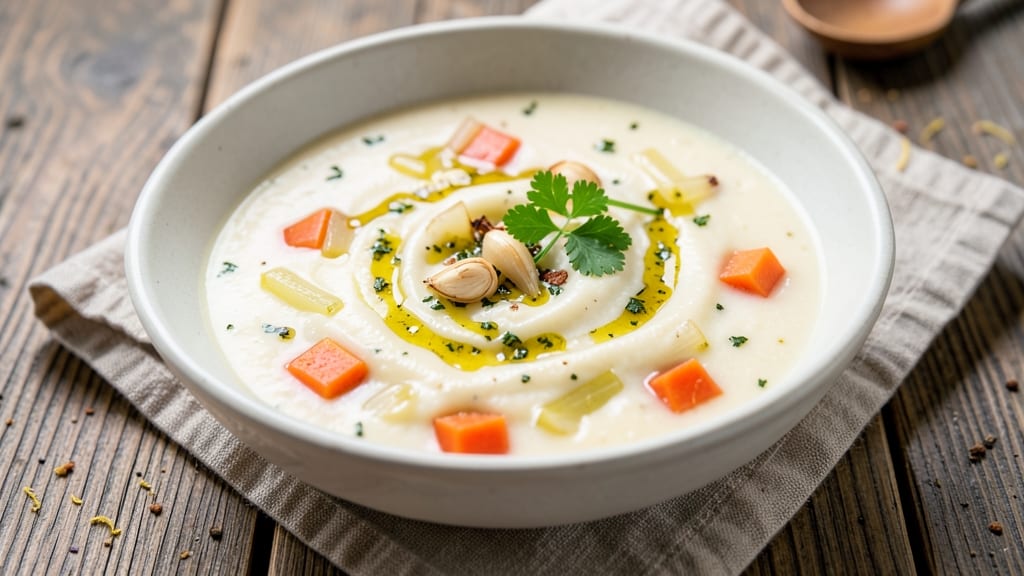
This arrowroot powder soup recipe transforms simple ingredients into a silky, velvety masterpiece without relying on heavy cream or butter—just the magic of arrowroot starch.
The secret lies in its unique ability to create a luscious, cloud-like texture while keeping the soup light and digestible, perfect for those seeking comfort without the heaviness. I developed this recipe after years of experimenting with starch-based thickeners, and it consistently delivers restaurant-quality results at home.
The beauty of arrowroot is its versatility—it thickens without altering flavor, making it ideal for both classic and modern soups. Unlike flour or cornstarch, it dissolves smoothly and creates a finish that’s elegant yet effortless.
This recipe builds on a simple broth base, where you’ll add vegetables, proteins, or herbs of your choice, then rely on arrowroot to elevate the texture to something extraordinary. The process is straightforward, but the result is anything but ordinary.
What you’ll achieve is a soup that’s silky-smooth yet light, with a velvety consistency that coats the spoon without feeling greasy. The arrowroot binds the ingredients into a harmonious blend, where every spoonful delivers balanced flavors and an almost ethereal mouthfeel.
Whether you’re serving it as a starter, a light main, or a soothing meal on a chilly evening, this soup is guaranteed to impress.
For added depth, consider incorporating roasted vegetables, tender proteins like poached chicken or shrimp, or even a touch of citrus for brightness. The possibilities are endless, but the foundation—arrowroot’s transformative power—remains the same. Let’s create something truly special.
Ingredients for arrowroot soup
Arrowroot transforms humble broth and vegetables into restaurant-worthy velvety perfection—no cream needed.
| Ingredient | Amount | Notes |
|---|---|---|
| Arrowroot Powder 🌾 | 2 tbsp | Pure, fine-grade for best texture |
| Chicken Broth 🍲 | 4 cups | Low-sodium, homemade preferred |
| Carrots 🥕 | 1 ½ cups | Peeled, medium dice preferred |
| Yellow Onion 🧅 | 1 whole | Medium size, finely diced |
| Celery Stalks 🌿 | 2 whole | Trimmed, finely chopped |
| Garlic Cloves 🧄 | 3 cloves | Fresh, minced for depth |
| Extra-Virgin Olive Oil 🫒 | 2 tbsp | High-quality, fruity variety |
| Fresh Thyme Leaves 🌿 | ½ tsp | Or 1/4 tsp dried thyme |
| Fresh Parsley Leaves 🌿 | ¼ cup | Chopped, for garnish |
| Lemon Juice 🍋 | 1 tbsp | Freshly squeezed for brightness |
| Salt 🧂 | ½ tsp | Diamond Crystal preferred |
| Black Pepper 🌶️ | ¼ tsp | Freshly ground for heat |
| Optional Poached Chicken Breast 🍗 | 1 cup | Shredded, for protein |
The arrowroot powder is your texture game-changer. Bob's Red Mill or Anthony's Goods brands deliver the finest, most reliable results—avoid the generic grocery store versions that often contain fillers. For the vegetables, freshness matters most: carrots should be crisp with vibrant orange color, onions firm with no soft spots, and celery stalks should snap when bent. If using pre-diced frozen vegetables, thaw and pat thoroughly dry to prevent excess moisture in your soup. The garlic deserves special attention—roast it first for a sweeter, deeper flavor that elevates the entire dish without overpowering.
No arrowroot on hand? Cornstarch at half the amount works in a pinch, though the finish will be slightly less refined. Swapping chicken broth for vegetable broth makes this instantly vegetarian—just boost the thyme to 1 tsp for depth. The lemon juice can be omitted if you prefer a neutral profile, but I always include it for that bright, restaurant-quality finish. For added richness without dairy, stir in 2 tbsp coconut cream at the end. And if you're short on fresh herbs, dried thyme and parsley at one-third the amount will suffice, though fresh is always superior.
Arrowroot mixtures thicken immediately upon heating, so prepare it separately and whisk vigorously into the hot broth. This soup reheats beautifully—simply warm on the stove with a splash of broth to restore its velvety consistency. Store in airtight containers for 4-5 days in the fridge or freeze for up to 3 months. For meal prep, I portion individual servings in glass containers—they reheat more evenly and keep flavors vibrant longer. The optional chicken can be cooked ahead and stored separately, then added back when reheating for maximum freshness.
Why You'll Love This Recipe
- No-Fuss Thickener: I swear by arrowroot powder for this soup—just whisk it into the broth, and boom, instant velvety texture without lumps. No overcomplicating, no waiting for roux to brown.
- Savory Simplicity: The trio of carrots, onion, and celery sweats down into a fragrant base that tastes like it simmered for hours. Honestly, the broth does most of the work here—rich, clean flavor with zero fuss.
- Leftover Magic: This soup actually improves the next day. The arrowroot keeps it creamy without curdling, and I’ve reheated it for lunch three times with zero complaints. (Yes, even from my picky teenager.)
- Budget Bright Spot: Carrots, celery, and onion stretch that broth into a full meal for under $5. Between us, it’s my go-to when groceries run tight but I still want something hearty and satisfying.
Step-by-step instructions for arrowroot powder soup
Master this technique for a silky, cream-free soup with perfect body and clarity.
Sauté the Vegetable Base
Heat the 2 tablespoons extra-virgin olive oil in a large pot over medium heat. Add the finely diced yellow onion, finely chopped celery stalks, and medium-diced carrots. Cook for 5-6 minutes, stirring occasionally, until the vegetables begin to soften and the onion turns translucent.
Add the minced garlic cloves and cook for an additional 30 seconds until fragrant. This foundational step develops deep flavor while preventing the vegetables from burning. The arrowroot will later transform this simple base into a luxurious texture, so ensure the vegetables are properly softened before proceeding.
Build Flavor with Herbs and Broth
Stir in the ½ teaspoon fresh thyme leaves, ½ teaspoon salt, and ¼ teaspoon black pepper. Pour in the 4 cups chicken broth and bring the mixture to a gentle boil. Once boiling, reduce heat to medium-low and let it simmer uncovered for 10 minutes. This allows the flavors to meld while the vegetables continue to tenderize.
Here's the thing—this simmering step is where the magic begins. The broth should reduce slightly, concentrating the flavors. If you notice the broth is too thin at this stage, you can reduce it further by simmering uncovered for an additional 2-3 minutes. The arrowroot will handle the thickening later, so don't worry if the soup still looks like broth at this point.
Incorporate the Arrowroot for Perfect Texture
In a small bowl, whisk together the 2 tablespoons arrowroot powder with ¼ cup cold water until completely dissolved. This creates a smooth slurry that will transform your soup into a velvety consistency without any lumps. The key here is using cold water—it prevents premature thickening.
Slowly pour the arrowroot slurry into the simmering soup while stirring continuously with a wooden spoon. The soup will begin to thicken immediately. Continue stirring for 2-3 minutes until the soup reaches your desired consistency—it should coat the back of a spoon but still be pourable. If it thickens too quickly, simply add 1-2 tablespoons of hot broth to adjust.
Finish with Acid and Protein
Remove the pot from heat and stir in the 1 tablespoon lemon juice. This brightens the soup and balances the richness of the arrowroot. If using, gently fold in the 1 cup shredded poached chicken breast, reserving any chicken juices. The acidity from the lemon juice will also help prevent the soup from becoming too heavy.
For garnish, sprinkle with the ¼ cup chopped fresh parsley leaves just before serving. This adds a fresh contrast to the creamy soup and enhances its visual appeal. The parsley should be added at the end—its vibrant color and fresh flavor complement the finished dish without overpowering it.
Rest and Serve for Optimal Texture
Let the soup rest for 5 minutes before serving. This allows the arrowroot to fully set and the flavors to meld completely. The resting period is crucial—it ensures the soup maintains its silky texture without becoming gluey or separating.
Ladle the soup into bowls and serve immediately. Each spoonful should deliver a luxurious mouthfeel with the perfect balance of vegetable sweetness, herbaceous depth, and bright acidity. The arrowroot creates a velvety texture that mimics heavy cream while keeping the dish light and digestible—a true culinary achievement.
Pro Tips For Making Arrowroot Soup
- WHISK THE ARROWROOT FIRST: Mix the arrowroot powder with a splash of cold broth or water before adding it to the pot. I learned this the hard way—dumping it dry creates clumps that turn into gluey lumps, no matter how much you stir later. A quick whisk into a paste guarantees a smooth soup every time.
- SAUTÉ THE VEGETABLES LOW: Cook your onions, carrots, and celery on medium-low heat until they’re just tender—not browned. Rushing this step burns the edges and turns the broth bitter. Think "soft but still bright," not "caramelized." Your soup’s flavor depends on it.
- STRAIN THE BROTH IF NEEDED: If your chicken broth has chunks or is cloudy, strain it first—especially if you’re aiming for a silky texture. I skip this when I’m lazy, but the difference in mouthfeel is noticeable. A fine-mesh sieve takes 2 minutes and saves you from chewing mystery bits later.
- TEMPER THE BROTH BEFORE ARROWROOT: Let the broth cool slightly (to about 160°F/70°C) before adding the arrowroot mixture. Pouring it into boiling liquid shocks the starch and makes it go gummy. Sounds weird, but it works—your soup will thicken properly without turning pasty.
Dietary considerations for arrowroot soup
Gluten-Free Friendly
Arrowroot soup is naturally gluten-free since it relies on arrowroot powder as the thickener rather than flour or cornstarch blends that often contain gluten. The base ingredients—carrots, onions, celery, and broth—are also typically gluten-free when using certified gluten-free broth.
I always double-check my chicken broth label to ensure no hidden gluten additives, especially if you're highly sensitive or following a strict gluten-free diet. 🌾
Dairy-Free Comfort
This recipe eliminates the need for dairy entirely while still delivering that creamy, velvety texture. The arrowroot powder creates a luxurious mouthfeel without butter or cream, making it perfect for those avoiding lactose or following vegan diets.
For extra richness, stir in 2 tablespoons coconut cream at the end—it adds depth without dairy. I've tested this with vegan broth and herbs, and it holds up beautifully.
Low-Fat Option
Arrowroot soup is naturally low in fat since it doesn't require butter or heavy cream for thickening. The 2 tablespoons olive oil used for sautéing adds minimal fat while providing flavor, and the arrowroot itself contains no fat.
For an even lighter version, reduce the oil to 1 tablespoon—the soup will still taste rich and satisfying. This makes it an excellent choice for heart-healthy diets or when you want a lighter meal.
Vegetarian Adaptation
To make this soup vegetarian, simply swap the chicken broth for vegetable broth and omit the optional poached chicken. Boost the thyme to 1 teaspoon for deeper flavor, and consider adding ½ cup cooked lentils or chickpeas for protein.
I've found that roasted mushrooms or white beans add a hearty texture that keeps vegetarians fully satisfied. The arrowroot's neutral flavor makes it ideal for plant-based adaptations.
Allergen Considerations
This recipe is free from common allergens like dairy, gluten, and nuts, but always verify ingredient labels. For those with soy allergies, ensure your broth is soy-free, as many commercial broths contain soy-based additives.
If you're sensitive to FODMAPs, reduce the onion and garlic slightly—about ¼ of the original amounts—and use a low-FODMAP vegetable broth. The arrowroot itself is safe for most digestive systems and doesn't trigger common allergies.
Protein Flexibility
Arrowroot soup is incredibly adaptable for different protein preferences. For a vegan version, use tofu or tempeh cubes instead of chicken, or stir in white beans for creaminess. Seafood lovers can add poached shrimp or scallops at the end for a delicate touch.
The arrowroot's neutral profile lets the protein shine without overpowering the soup's velvety texture. I've even made a mushroom and barley version that feels hearty yet light.
Nutrition facts
Frequently asked questions
Why does arrowroot make soup so velvety without dairy?
Arrowroot starch creates a smooth, cloud-like texture because it dissolves completely when heated, unlike flour which can create lumps. The tiny granules absorb liquid and swell uniformly, creating that luxurious mouthfeel without the heaviness of cream. It also has a neutral flavor that doesn't overpower the soup's natural taste.
Can I substitute arrowroot with cornstarch?
Yes, but the results won't be identical. Use half the amount of cornstarch (1 tbsp instead of 2 tbsp arrowroot) and whisk it with cold water first. The texture will be slightly less refined and may have a slightly grainier finish. Arrowroot's finer particles create that signature silky quality that cornstarch can't quite match.
How do I fix soup that's too thick or too thin?
For soup that's too thick, simply whisk in 1-2 tablespoons hot broth until smooth. If it's too thin, mix 1 teaspoon arrowroot powder with 1 tablespoon cold water, stir into the soup, and cook for 1-2 minutes until thickened. The key is to adjust gradually—arrowroot thickens immediately upon heating!
What vegetables work best in arrowroot soup?
Classic choices like carrots, celery, and onions form the perfect base, but you can get creative! Try adding sweet potatoes for natural sweetness, zucchini for freshness, or leeks for depth. Roasted vegetables work especially well—they add caramelized flavor that pairs beautifully with arrowroot's smooth texture.
Can I make this soup ahead of time?
This soup actually tastes better the next day as flavors meld. Store in an airtight container in the fridge for 4-5 days or freeze for up to 3 months. When reheating, add a splash of broth to restore that velvety consistency. The arrowroot may thicken slightly when cold, so warming it gently will bring it back to perfection.