
Soups & Stews
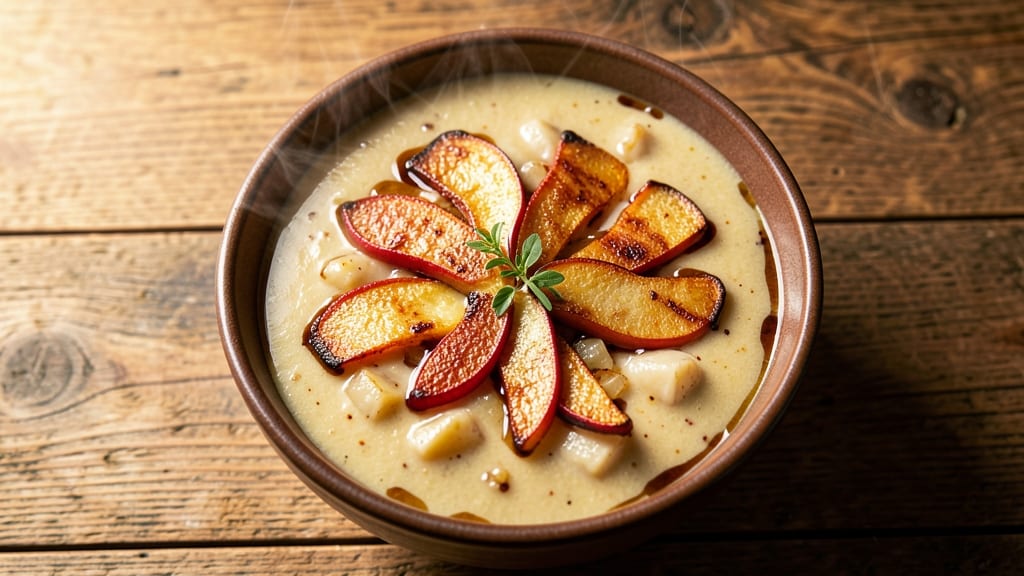
This apple rutabaga soup recipe transforms humble ingredients into a velvety blend of autumn flavors—where sweet apples and earthy rutabaga create a harmonious balance. The key lies in caramelizing onions until golden, then simmering everything until the vegetables melt into a naturally sweet, creamy broth.
It’s the kind of soup that feels like a warm hug on chilly days, yet comes together in just 30 minutes with minimal effort.
What sets this recipe apart is the perfect marriage of textures and flavors: tender rutabaga and apples hold their shape while the broth develops a rich depth from sautéed aromatics. A touch of apple cider vinegar brightens the sweetness, while fresh thyme and black pepper add warmth.
The result? A soup so satisfying it disappears faster than you can say "second bowl."
Serve it with a slice of crusty bread to soak up every last drop, or pair with sharp cheddar for a cheesy twist. The natural sweetness makes it kid-friendly, while the earthy rutabaga gives adults something to love.
This isn’t just soup—it’s a comforting centerpiece that works as a light lunch or hearty dinner.
For extra richness, stir in a dollop of crème fraîche or a swirl of coconut milk at the end. Or, for a vegan version, swap the butter for olive oil and use vegetable broth.
The beauty of this recipe is its adaptability—it’s as versatile as it is delicious. Let’s get cooking!
Ingredients for apple rutabaga soup
Sweet apples and earthy rutabaga create a velvety autumn soup with minimal effort.
| Ingredient | Amount | Notes |
|---|---|---|
| Butter 🧈 | 3 tbsp | Unsalted, for sautéing |
| Yellow Onions 🧅 | 1 whole | Medium size, diced small |
| Apples 🍎 | 2 medium | Honeycrisp or Fuji, peeled |
| Rutabaga 🥕 | 1 ½ lb | Peeled, cubed (about 3 cups) |
| Garlic Cloves 🧄 | 3 cloves | Minced, for depth |
| Apple Cider Vinegar 🍋 | 1 tbsp | For brightness |
| Fresh Thyme 🌿 | 1 tbsp | Leaves only, chopped |
| Ground Black Pepper 🌶️ | ½ tsp | Freshly cracked |
| Chicken Broth 💧 | 4 cups | Low-sodium preferred |
| Crème Fraîche 🧀 | ¼ cup | Optional, for serving |
| Salt 🧂 | 1 tsp | Kosher or sea salt |
| Olive Oil 🫒 | 1 tbsp | For finishing drizzle |
The rutabaga is the star—look for firm, vibrant roots with no soft spots. Whole Foods or Trader Joe's usually carry the best quality, but any grocery store will have them. Apples should be crisp and sweet—Honeycrisp or Fuji work perfectly. Fresh thyme is ideal, but dried works at half the amount if you're in a pinch. The butter matters here: unsalted gives you control over seasoning. For the broth, low-sodium is key—you'll be adding plenty of salt later.
No apple cider vinegar? Lemon juice at the same amount works in a squeeze. Fresh thyme hard to find? Dried thyme or a pinch of rosemary adds a similar earthiness. Want to make this vegan? Swap the butter for olive oil and use vegetable broth. The rutabaga can be prepped ahead—just store it in water in the fridge until ready to cook. For extra richness, stir in a splash of coconut milk at the end. The apples should be peeled and diced consistently for even cooking.
This soup tastes even better the next day as flavors meld. Store it in an airtight container for up to 5 days in the fridge. For freezing, portion into containers and it keeps for 3 months. The crème fraîche adds a luxurious touch, but you can skip it and just drizzle with olive oil instead. If you're meal prepping, the rutabaga and apples can be sautéed ahead and stored separately until ready to finish. The broth can be made in advance too—just reheat before adding the veggies.
Why You'll Love This Recipe
- Pantry-Friendly Staples: I swear by this soup because it uses ingredients I always have on hand—no special shopping required. That rutabaga? It’s the unsung hero of budget-friendly veggies, and apples? They’re basically free in fall. Just chop, simmer, and you’re golden.
- Sweet-Savory Magic: The caramelized onions and garlic melt into the creamy rutabaga, while the apples add a bright, almost custardy sweetness. It’s like autumn in a bowl—rich but not heavy, with that little pop of acidity from the apples cutting through the butter’s richness.
- Leftovers That Beg for More: This soup only gets better the next day. The flavors meld into this cozy, velvety goodness that disappears faster than I can say “seconds, please.” I make a double batch on Sundays because it’s the only way to survive my busy week—lunch reheats like a dream.
- One-Pot Wonder: Honestly, I’m not much of a cleanup person. This recipe? One pot, minimal chopping (thanks to pre-peeled rutabaga shortcuts), and no fancy techniques. Toss everything in, let it bubble, and you’ve got a soup that tastes like it simmered for hours—even if it didn’t.
Step-by-step instructions for apple rutabaga soup
This earthy-sweet soup comes together with simple techniques and bold flavors.
Sauté Onions and Rutabaga Until Tender
Melt the 3 tbsp butter in a large pot over medium heat. Add the diced yellow onions and cook for 5 minutes until softened and translucent. This foundational step builds flavor—don't rush it.
Add the 1.5 lb cubed rutabaga and stir to coat in the butter. Cook for 8-10 minutes until the rutabaga begins to soften at the edges. The rutabaga should release its natural sweetness as it cooks, creating a rich base for the soup.
Add Apples and Aromatics for Depth
Peel and dice the 2 medium apples into small pieces. Add them to the pot along with the 3 minced garlic cloves, 1 tbsp fresh thyme, and 1 tsp salt. Stir everything together and cook for 3-4 minutes until the apples soften slightly and the garlic becomes fragrant.
This combination of sweet apples and earthy rutabaga creates a perfect balance. The thyme and garlic add aromatic complexity that ties all the flavors together. Stir occasionally to prevent browning.
Simmer with Broth and Seasonings
Pour in the 4 cups chicken broth and bring the mixture to a boil. Once boiling, reduce heat to low and let it simmer uncovered for 15-20 minutes until the rutabaga and apples are completely tender. You'll know it's ready when a fork slides in easily.
During this time, taste the soup and adjust seasoning with 0.5 tsp ground black pepper and additional salt if needed. The broth should be fully incorporated, creating a velvety texture with the vegetables.
Finish with Vinegar and Olive Oil
Stir in the 1 tbsp apple cider vinegar and let it simmer for 1-2 minutes. This brightens the soup, cutting through the richness of the rutabaga and butter. The vinegar's tang enhances the natural sweetness of the apples.
Remove the pot from heat and stir in the 1 tbsp olive oil. This final step adds a silky finish and helps balance the flavors. The soup should be smooth with a harmonious blend of sweet, earthy, and tangy notes.
Serve with Crème Fraîche
Ladle the soup into bowls and top each serving with 0.25 cup crème fraîche. The crème fraîche adds a luxurious creaminess without overpowering the other flavors. Serve immediately while warm for the best texture and flavor experience.
This soup pairs beautifully with crusty bread or a simple green salad. The earthy rutabaga and sweet apples create a comforting dish that's perfect for chilly days.
Pro Tips For Making Apple Rutabaga Soup
- SWEAT THE ONIONS FIRST: I learned this the hard way—when I rushed and tossed raw onion chunks into the pot, they turned to mush instead of caramelizing. Take 5 minutes to cook the onions in butter until they’re soft and golden, even if it means you’re impatient. This builds flavor the soup desperately needs.
- PEEL RUTABAGA AFTER COOKING: Rutabaga peels are stubborn, and pre-peeling leads to wasted time and scraps. Toss whole, scrubbed rutabaga into the soup, then peel it after cooking—it’ll slide off like butter. (Yes, even if you’re in a hurry.)
- CHOP APPLES SMALLER THAN YOU THINK: Big apple chunks turn to mush and make the soup uneven. Aim for ½-inch dice or smaller—they’ll soften perfectly without turning into a puree. Trust me, your spoonfuls will be smoother.
- SALT THE WATER LIKE THE OCEAN: Rutabaga and apples both need time to release their starches, but bland soup happens when you hold back on salt. Add 1½ teaspoons of salt to the water upfront—it seasons the veggies while they cook, not just the final broth. (Your taste buds will notice the difference.)
Regional styles of apple rutabaga soup
New England Roots
This soup has deep ties to New England, where hearty root vegetables like rutabaga have been a staple since colonial times. The region's cold winters made soups essential, and apples grew abundantly in orchards.
I remember my grandmother always making a version with local apples and rutabaga from her garden—she'd call it "harvest soup." The combination of sweet apples and earthy rutabaga became a tradition in fall kitchens across Vermont and New Hampshire. 🍎
German-Inspired Twist
Rutabaga itself originated in Scandinavia but became popular in German cuisine, where it's called "Steckrübe." German immigrants brought rutabaga to America, where it thrived in New England's cool climate. For an authentic German touch, some cooks add a pinch of caraway seeds or a splash of beer to the broth.
I've experimented with 1 cup of light lager instead of broth—it adds a subtle maltiness that pairs beautifully with the apples.
Midwestern Farmhouse Style
In the Midwest, this soup often appears on fall menus at farm-to-table restaurants, where local apples and rutabaga take center stage. The key difference here is the use of smoked paprika or liquid smoke for a subtle smoky depth.
I've made a version with ½ tsp smoked paprika and a dash of Worcestershire sauce—it adds a completely different dimension while keeping the sweet-earthy balance. Perfect for chilly autumn evenings! 🌾
Pacific Northwest Adaptation
Out west, where apples like Granny Smith grow abundantly, this soup often gets a brighter twist. Swap the apple cider vinegar for lemon juice and add fresh dill instead of thyme. The Pacific Northwest also loves to incorporate local seafood—some versions include smoked salmon flakes on top.
I've tried this with ½ cup smoked salmon and it adds a luxurious touch that works surprisingly well.
Southern Comfort Version
In the South, this soup might include andouille sausage or bacon for extra richness. The heat and humidity of the region make for a creamier version, often finished with a dollop of sour cream instead of crème fraîche.
I've made a Southern-style batch with 4 oz diced andouille cooked with the onions—it adds a smoky, spicy kick that balances the sweetness perfectly. Serve with cornbread for the ultimate comfort meal. 🍗
Nutrition facts
Frequently asked questions
Can I use sweet potatoes instead of rutabaga?
While sweet potatoes will work, they have a much sweeter flavor that can overpower the apple's natural sweetness. For a similar texture, try 1 cup diced parsnips mixed with 1 cup rutabaga—they add earthiness without dominating. If you must use sweet potatoes, reduce the apple amount by 1 to balance flavors.
How do I make this soup vegan?
Swap the butter for 1 tbsp olive oil and use 4 cups vegetable broth instead of chicken broth. For richness, stir in ½ cup coconut milk at the end. The crème fraîche can be replaced with vegan sour cream or a dollop of cashew cream. Taste as you go—vegan versions often need extra salt to compensate for the lack of umami from chicken broth.
Why did my soup turn out too sweet?
This usually happens when the apples weren't fully cooked or the vinegar wasn't added at the end. Try simmering the soup 5 minutes longer to let flavors meld, then balance sweetness with an extra 1 tsp lemon juice or ½ tsp cinnamon. For next time, use slightly tart apples like Granny Smith instead of Honeycrisp.
Can I make this soup in an Instant Pot?
Sauté the onions and rutabaga for 3 minutes on sauté mode, then add all remaining ingredients (including broth) and cook on high pressure for 8 minutes. Quick-release the pressure, stir in vinegar, and finish with olive oil. The Instant Pot version cooks in just 20 minutes total!
What's the best way to store leftovers?
Let the soup cool completely, then transfer to an airtight container. It keeps in the fridge for 5 days or freezes for 3 months. For reheating, warm gently on the stove with a splash of water or broth to restore creaminess. Avoid microwaving—it can make the texture watery. The flavors actually improve overnight!