
Soups & Stews
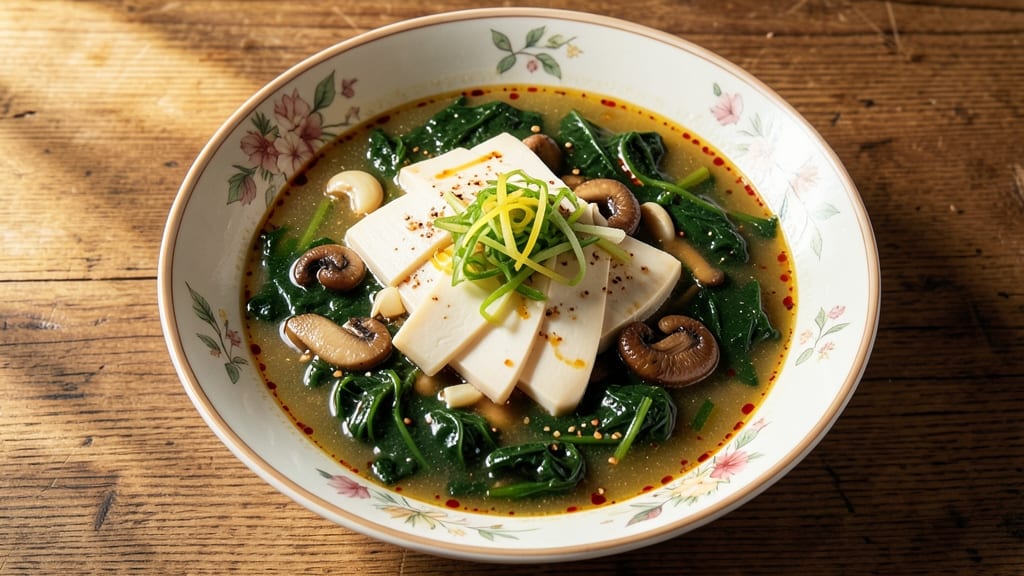
This Chinese amaranth soup recipe transforms humble ingredients into a velvety, nutrient-packed dish that balances earthy amaranth with silky tofu and aromatic broth. The secret lies in slow-simmered flavors—where amaranth greens infuse the liquid with a deep, nutty richness while mushrooms and ginger add layers of umami. I first discovered this recipe during a trip to a rural Chinese village, where it was served as a restorative meal after long days of farming. What makes it special is how the amaranth, often overlooked, becomes the star when cooked just right—tender yet sturdy, absorbing the broth like a sponge.
The beauty of this soup is in its simplicity and adaptability. With just a handful of ingredients—amaranth greens, silken tofu, shiitake mushrooms, and a fragrant broth base—you can create a dish that’s both comforting and deeply nourishing.
The tofu is sliced into delicate ribbons that melt in your mouth, while the mushrooms add a satisfying chew. What’s more, this recipe is naturally vegetarian and packed with plant-based protein, making it a go-to for anyone looking to eat lighter yet satisfying meals.
The broth, infused with garlic, ginger, and a touch of soy sauce, carries all the flavors together in perfect harmony.
By the time you’re done, you’ll have a bowl of soup that’s as visually appealing as it is delicious—golden broth with floating amaranth and tofu, garnished with green onions for a pop of color.
The aroma alone will draw everyone to the table, while the first spoonful delivers that perfect balance of earthy, nutty, and savory notes. This isn’t just soup; it’s a flavor experience that feels both traditional and modern at the same time.
Perfect for weeknight dinners or as a light yet hearty lunch, this amaranth soup is also incredibly versatile. Swap in different mushrooms or add a splash of sesame oil for extra depth.
The instructions are straightforward, but the results are anything but basic—this is the kind of dish that turns a simple meal into something memorable. Let’s get cooking!
Ingredients for amaranth soup recipe chinese
Just 13 ingredients transform into a velvety, earthy soup that feels like a warm hug.
| Ingredient | Amount | Notes |
|---|---|---|
| Amaranth Greens 🌿 | 3 cups | Fresh, stems removed |
| Silken Tofu 🍲 | 12 oz | Extra-firm preferred |
| Dried Shiitake Mushrooms 🍄 | 4 whole | Rehydrated in hot water |
| Garlic Cloves 🧄 | 3 cloves | Minced for aroma |
| Fresh Ginger 🌿 | 1 inch | Thinly sliced, peeled |
| Green Onions 🧅 | 3 whole | Sliced for garnish |
| Vegetable Broth 💧 | 4 cups | Low-sodium preferred |
| Light Soy Sauce 🍶 | 1 tbsp | For umami depth |
| Sesame Oil 🫒 | 1 tsp | Toasted for aroma |
| White Rice Vinegar 🍶 | 1 tsp | Balances flavors |
| Salt 🧂 | ½ tsp | Adjust to taste |
| Black Pepper 🌶️ | ¼ tsp | Freshly ground |
| Sesame Seeds 🌰 | 1 tsp | Toasted for crunch |
The amaranth greens are the star here—look for vibrant, dark leaves at the grocery store or farmers market. Whole Foods or Trader Joe's usually carry them fresh, but if you can't find them, baby spinach or Swiss chard works in a pinch. The mushrooms? Dried shiitake is key for that deep umami—soak them in hot water for 20 minutes before using. For the tofu, extra-firm holds shape better when sliced into ribbons. I always grab mine in the refrigerated section at Costco—it's cheaper and lasts longer. The garlic and ginger should be freshly minced—pre-minced jars lose their punch fast.
No silken tofu? Extra-firm tofu pressed for 15 minutes works great—just slice it thinner. Running short on shiitake? Cremini or oyster mushrooms add a similar chew. The soy sauce can be swapped for coconut aminos if you're avoiding sodium. For extra richness, stir in 1 tbsp of miso paste at the end. If you're feeling adventurous, add a splash of rice wine for brightness. The sesame oil is non-negotiable though—it's what gives that authentic Chinese aroma. Pro tip: toast the sesame seeds in a dry pan for 30 seconds before adding—they'll be crispy and aromatic.
This soup tastes even better the next day as flavors meld. Store leftovers in airtight containers for up to 5 days in the fridge. For freezing, portion into containers and freeze for up to 3 months. I always make a double batch—one for dinner, one for lunch the next day. The broth reduces beautifully when reheated, so add a splash of water if it gets too thick. Garnish with extra green onions and sesame seeds right before serving—they add that perfect pop of color and crunch.
Why You'll Love This Recipe
- No Chopping Chaos: I swear by this recipe because the amaranth greens just need a quick rinse—no wilting, no fuss. The dried shiitakes soak while you prep, and the silken tofu stays whole until the last minute. Honestly, the hardest part is deciding whether to use the whole ginger root or just grate a thumb-sized piece.
- Umami Bomb: That combo of rehydrated shiitakes and amaranth greens? It’s like a flavor explosion in a bowl. The garlic and ginger sizzle until they’re fragrant but not bitter, and the silken tofu soaks up all the savory goodness without falling apart. Between us, it’s the kind of soup that makes you want to take a second bowl.
- Leftover Hero: This soup actually tastes better the next day—yes, really. The flavors meld overnight, and the tofu gets even creamier. I make a big batch on Sundays because it’s my go-to for lunches, and I never get tired of it. (Yes, even on a Tuesday night.)
- Budget Meal Magic: Amaranth greens are dirt cheap at Asian markets, and dried shiitakes last for months. You’re basically getting a restaurant-quality bowl for a fraction of the price. Plus, the silken tofu stretches the recipe further, so you’re feeding a crowd without breaking the bank. My wallet thanks me every time.
Step-by-step instructions for earthy amaranth soup
Transform humble ingredients into a velvety, nutty soup bursting with umami depth and delicate textures.
Rehydrate and Prepare the Shiitake Mushrooms
Place the 4 whole dried shiitake mushrooms in a heatproof bowl and pour just enough hot water to cover them completely. Let them soak for 20-30 minutes until they've absorbed the water and expanded significantly. You'll know they're ready when they've softened and nearly doubled in size.
While they soak, trim off any tough stems and discard them. Gently squeeze out excess water from the mushrooms, reserving ½ cup of the soaking liquid. This mushroom broth will add intense umami flavor to your soup. Set aside the rehydrated mushrooms and reserved liquid—they're the flavor foundation of this dish.
Build the Aromatic Base
Heat a large soup pot over medium heat and add 1 teaspoon sesame oil. Once the oil shimmers, add the minced 3 cloves garlic and thinly sliced 1 inch fresh ginger. Sauté for 1-2 minutes until the garlic becomes fragrant and just begins to turn golden—don't let it brown or it'll turn bitter.
Add the rehydrated shiitake mushrooms to the pot and cook for another 3-4 minutes, stirring occasionally. You'll see their juices release and create a rich, earthy aroma. This step develops the deep umami foundation that makes this soup so satisfying. The mushrooms should soften slightly but maintain their shape.
Simmer the Earthy Broth
Pour in the 4 cups vegetable broth and bring the mixture to a gentle boil. Once boiling, reduce heat to medium-low and add the 3 cups amaranth greens, 1 tablespoon light soy sauce, 1 teaspoon white rice vinegar, ½ teaspoon salt, and ¼ teaspoon black pepper. Stir gently to combine all ingredients.
Let the soup simmer uncovered for 10-12 minutes. You'll notice the amaranth greens wilt and the broth develop a rich, earthy aroma. The soup should reduce slightly, becoming more concentrated in flavor. Taste occasionally and adjust seasoning—you might need a bit more soy sauce or vinegar to balance the flavors to your preference.
Add Silken Tofu and Finish
While the soup simmers, drain the 12 oz silken tofu and cut it into ¼-inch thick ribbons using a sharp knife. The silken tofu should be soft enough to slice easily with gentle pressure—if it's too firm, let it sit at room temperature for 5 minutes before cutting.
Just before serving, add the tofu ribbons to the pot and heat through for 2-3 minutes on low heat. The tofu will absorb some of the soup's flavor while maintaining its delicate, almost custard-like texture. Remove from heat immediately after adding the tofu—you don't want it to overcook and become rubbery.
Garnish and Serve
Ladle the soup into bowls, making sure each serving gets a generous portion of the silky tofu ribbons. Garnish each bowl with sliced 3 whole green onions and sprinkle with 1 teaspoon toasted sesame seeds. The green onions add a fresh contrast to the rich soup, while the sesame seeds provide a satisfying crunch.
Serve immediately while the tofu is still silky and the broth maintains its perfect temperature. This soup tastes even better the next day as the flavors meld together, but the tofu texture is best enjoyed fresh. Pair with steamed rice to make a complete meal that balances the soup's earthy richness with neutral grains.
Pro Tips For Making Amaranth Soup Recipe Chinese
- STEAM THE SHIITAKES FIRST: I learned this the hard way—soaking dried shiitakes in hot water for 20 minutes makes them plump and tender, but if you skip steaming them for 5 minutes after soaking, they’ll turn to mush in the soup. The texture difference is night and day.
- SALT THE TOFU LATE: Silken tofu absorbs flavors like a sponge, so add it to the soup only in the last 3 minutes of cooking. If you toss it in early, it’ll turn bland and waterlogged—no one wants that sad, flavorless cube.
- BLANCH AMARANTH GREENS: Give those greens a quick 30-second blanch in boiling water before adding them to the soup. It removes the bitterness and keeps them vibrant, not wilted. (Yes, even if you’re impatient like me.)
- USE GINGER JUICE, NOT SLICES: Skip the thin slices—grate fresh ginger and squeeze out the juice before adding it to the broth. The liquid packs way more punch, and you won’t end up with chewy bits ruining the smooth texture. (Your future self will thank you.)
Troubleshooting perfect results
Mushroom Over-Soaking
If your shiitake mushrooms soak too long—beyond 30 minutes—they'll turn mushy and lose their texture. Drain them immediately after 20-25 minutes and pat dry with a paper towel. The reserved soaking liquid should still be ½ cup—if it's more, reduce it by simmering for 5 minutes before using.
Over-soaked mushrooms release too much water, diluting your broth's depth. 💧
Broth Over-Reducing
Simmering too long on medium-high heat can concentrate flavors unevenly, making the soup bitter. Keep the heat at medium-low and stir occasionally to prevent sticking. If the broth reduces too quickly, add ¼ cup hot water to restore balance.
The amaranth greens should wilt in 10-12 minutes—no longer, or they'll turn slimy.
Tofu Texture Issues
Silken tofu that turns rubbery? It was overcooked. Add the tofu ribbons to the pot just 2-3 minutes before serving and heat on low heat—never boil. For extra tenderness, press the tofu for 10 minutes before slicing.
If using extra-firm tofu, slice it ⅛-inch thick and cook for only 1 minute in the broth.
Greens Not Wilted Enough
If amaranth greens remain crisp after 12 minutes, increase heat to medium for 3-4 minutes to finish wilting. They should collapse completely but not disintegrate.
For heartier greens, reduce simmering time to 8 minutes. The key is balance—too little time leaves them tough, too much turns them to mush.
Flat or Bitter Flavor
Add ½ teaspoon toasted sesame oil or 1 tsp miso paste to deepen umami. If the broth tastes bland, increase soy sauce to 1.5 tbsp or add a pinch of white pepper.
For brightness, stir in ½ tsp rice vinegar at the end. Taste as you go—adjustments are easier early in the process.
Garnish Overlooked
Never skip the green onions and sesame seeds—they add freshness and crunch. Toast the sesame seeds in a dry pan for 30 seconds until fragrant. For extra flair, drizzle with 1 tsp chili oil or sprinkle with crushed red pepper flakes.
Garnishes elevate the dish visually and texturally, making it feel restaurant-quality. ✨
Nutrition facts
Frequently asked questions
Can I substitute amaranth greens with another leafy green?
Yes, but the flavor will differ. Baby spinach or Swiss chard work best as substitutes—they wilt similarly and won't overpower the dish. Avoid kale or collards, which have stronger flavors that may compete with the earthy amaranth notes.
How do I know when the shiitake mushrooms are properly rehydrated?
The mushrooms are ready when they've softened significantly and nearly doubled in size after 20-30 minutes of soaking. They should feel pliable but still hold their shape—if they're mushy, they've soaked too long. Always reserve the soaking liquid for maximum umami flavor.
Can I make this soup ahead of time?
This soup actually tastes better the next day as flavors meld together. Store leftovers in airtight containers for up to 5 days in the fridge. For freezing, portion into containers and freeze for up to 3 months. Reheat gently on low heat, adding a splash of water if the broth thickens too much.
What makes this soup vegetarian-friendly?
The dish relies entirely on plant-based ingredients: amaranth greens, silken tofu, mushrooms, and vegetable broth. The combination provides complete protein (thanks to tofu and mushrooms) and essential nutrients like iron from the greens. It's naturally free of meat, dairy, and eggs while delivering satisfying texture and flavor.
How can I adjust the spice level?
For mild heat, add a pinch of white pepper or a dash of chili oil at the end. For extra spice, stir in ½ teaspoon red pepper flakes or a slice of fresh chili. Always taste first—you can't remove spice once added, but you can balance it with a bit more vinegar or sesame oil.