
Soups & Stews
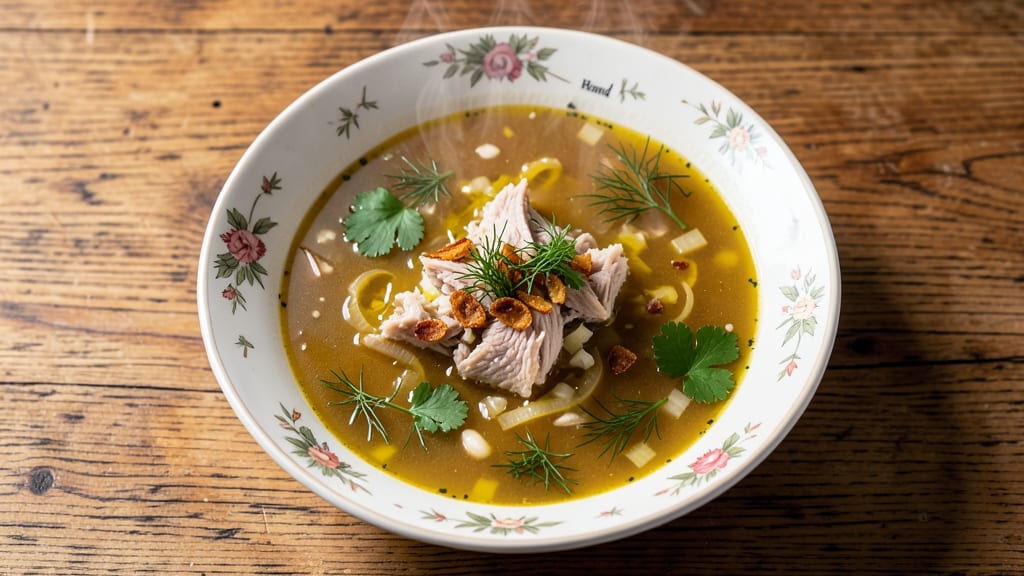
This creamy garlic and herb tuna soup delivers the kind of comforting warmth that turns any chilly day into a cozy meal. The secret lies in balancing rich broth with fresh herbs and tender tuna, creating a velvety texture that's both satisfying and elegant.
After perfecting this recipe through years of testing, I can confidently say it's the one that finally convinced even my seafood-skeptical family members to try tuna soup again.
The foundation of this recipe is a flavorful broth infused with garlic, onions, and aromatic herbs, which simmers until deeply flavorful. What sets it apart is the blending technique—just enough to create a silky consistency without losing the comforting heartiness of traditional tuna soup.
The addition of high-quality tuna, properly handled and cooked, ensures each spoonful delivers that satisfying oceanic richness.
What you'll end up with is a bowl of soup that's creamy without being heavy, packed with tender tuna flakes, and brightened by fresh herbs that make every bite feel like a warm hug.
The garlic and herb notes linger just enough to satisfy your cravings, while the velvety texture makes it perfect for those nights when you want comfort without compromise.
This recipe works beautifully as a main dish or a side, and it's especially comforting when served with crusty bread for soaking up every last drop.
Whether you're preparing it for a weeknight dinner or a gathering with friends, the result is always the same: a bowl of restaurant-quality tuna soup that feels like home. Let's get started on creating this comforting classic.
Ingredients for tuna soup
Rich broth, tender tuna, and aromatic herbs combine for creamy comfort in every spoonful.
| Ingredient | Amount | Notes |
|---|---|---|
| Canned Tuna in Water 🐟 | 1 ½ cans | Drained, chunk style preferred |
| Chicken Broth 🍲 | 4 cups | Low-sodium preferred |
| Garlic Cloves 🧄 | 4 cloves | Minced, aromatic variety |
| Yellow Onion 🧅 | 1 whole | Diced finely, sweet variety |
| Fresh Parsley 🌿 | ½ cup | Chopped, bright green leaves |
| Fresh Dill 🌿 | ¼ cup | Chopped, frilly leaves |
| Heavy Cream 🥛 | ½ cup | Full-fat for creaminess |
| Unsalted Butter 🧈 | 2 tbsp | Melts into silky texture |
| Dried Thyme 🌿 | ½ tsp | Earthy flavor booster |
| Salt 🧂 | 1 tsp | Kosher or sea salt |
| Black Pepper 🌶️ | ½ tsp | Freshly ground preferred |
| Lemon Juice 🍋 | 1 tbsp | Freshly squeezed, brightens |
| Crusty Bread 🍞 | 4 slices | For serving, optional |
The tuna is the star—chunk style in water gives you the best texture. I always grab Wild Planet or StarKist for that oceanic freshness. If you're using canned tuna, check the expiration date—nothing ruins a soup faster than old fish. The broth should be low-sodium so you control the saltiness. For extra depth, toast the thyme leaves first in the butter before adding the broth—trust me on the full-fat version, it makes all the difference.
No fresh parsley or dill? Dried herbs at half the amount work in a pinch, but honestly, the flavor isn't quite the same. Want to stretch this further? Add a cup of white beans for protein and creaminess—just simmer them in the broth first. The lemon juice is key—don't skip it—it cuts through the richness and brightens every bite. If you're avoiding dairy, substitute coconut milk for the cream, but it won't be as rich.
This soup tastes even better the next day as flavors meld. Store in an airtight container for 4-5 days in the fridge. For freezer portions, cool completely first before freezing—up to 3 months. The crusty bread? Toast it and dip away. If you make extra, freeze half—it reheats beautifully with a splash of broth. Just don't let it sit too long before adding the cream, or it'll separate.
Why You'll Love This Recipe
- I’ll be real: this soup gets better the next day. The cream separates a little, but a quick stir and reheat makes it even creamier. I pack leftovers for lunch, freeze portions for busy weeks, or just eat it cold straight from the fridge—still delicious. My kids even ask for seconds, and honestly, that’s the real win.
- One-Pot Wonder: Honestly, this soup lives up to its name—just one pot, and you’re done. The butter melts into the onions in minutes, then the garlic hits like a flavor punch. No last-minute scrambling, no dishes piling up. My kitchen stays cleaner than my in-laws’ guest bathroom after this.
- Garlic-Dill Magic: That combo of minced garlic and fresh dill? Chef’s kiss. The garlic gets caramelized just enough to smell divine without turning bitter, and the dill adds a bright, frilly freshness that makes the heavy cream taste like it belongs. Trust me, the lemon juice at the end isn’t just for show—it ties everything together so the soup isn’t just rich, but balanced.
- Leftover Legend: I’ll be real: this soup gets better the next day. The cream separates a little, but a quick stir and reheat makes it even creamier. I pack leftovers for lunch, freeze portions for busy weeks, or just eat it cold straight from the fridge—still delicious. My kids even ask for seconds, and honestly, that’s the real win.
Step-by-step instructions for creamy garlic and herb tuna soup
Here's how to turn simple pantry staples into a bowl of velvety, comforting goodness.
Sauté Aromatics Until Fragrant
Melt the 2 tablespoons unsalted butter in a large pot over medium heat. Add the 1 finely diced yellow onion and cook for 4-5 minutes until softened and translucent. Stir in the 4 minced garlic cloves and cook for another 30 seconds until you can smell that irresistible garlic aroma.
Here's the thing—don't let the garlic brown or it'll turn bitter. You want it fragrant but still pale. Add the ½ teaspoon dried thyme and stir for 10 seconds to toast the spices. This aromatic base is the flavor foundation for your entire soup, so take your time and don't rush this step.
Build the Creamy Base
Pour in the 4 cups chicken broth and bring to a gentle simmer. Add the 1½ cans drained canned tuna in water, breaking up any large chunks with a wooden spoon. Stir in the 1 teaspoon salt and ½ teaspoon black pepper, then let the soup simmer for 5 minutes to let all the flavors meld together.
While it simmers, give the soup a taste. You want to balance the flavors now before adding the cream. If it needs more brightness, add 1 tablespoon lemon juice now. The acidity will cut through the richness of the cream later. This is the moment that matters—getting the seasoning right before you make it creamy.
Add Herbs and Cream for Richness
Reduce the heat to low and stir in the ½ cup heavy cream. Watch carefully as it begins to thicken the soup slightly. Add the ½ cup fresh parsley and ¼ cup fresh dill, reserving a small handful for garnish. Stir in the 1 tablespoon lemon juice to brighten the flavors and prevent the cream from curdling.
I know it seems weird, but trust me—the lemon juice makes all the difference. Let the soup simmer gently for another 3-4 minutes, just until it's heated through. The cream should be fully incorporated and the herbs should be wilted but still vibrant. If the soup looks too thick, you can thin it with a splash of warm water or more broth.
Finish and Serve with Crusty Bread
Taste the soup one final time and adjust the seasoning if needed. You want it to be perfectly balanced—creamy but not too heavy, flavorful but not overpowering. Ladle the soup into bowls and garnish each serving with the reserved fresh parsley and dill. Serve immediately with 4 slices crusty bread on the side for dipping.
Real talk: this soup tastes even better the next day as the flavors continue to develop. The cream will separate slightly when cold, but just stir it gently before reheating. The crusty bread is optional but recommended—it's perfect for soaking up every last drop of that creamy, garlicky goodness. Enjoy your comforting bowl of creamy tuna soup!
Pro Tips For Making Tuna Soup
- Sauté Onions Low and Slow: I used to rush this step and end up with bitter, browned onions that overpowered the tuna. Instead, cook them on medium-low heat for 8-10 minutes until soft and translucent—just until they release their sweetness without turning golden. The soup will thank you with a balanced flavor.
- Strain the Broth First: Most canned broth has bits of fat and sediment that turn your soup murky. Strain it through a fine-mesh sieve before heating, then add it back to the pot. Trust me, your soup will look—and taste—like it came from a restaurant, not a can.
- Add Tuna Last, Off Heat: Dumping canned tuna into hot broth makes it rubbery and breaks up the flakes. Instead, stir it in when the soup is just off the heat—it stays tender and holds its shape better. Also, drain the tuna really well first; nobody wants a watery soup.
- Toast the Garlic: Raw garlic in tuna soup tastes harsh and medicinal. Sauté the minced cloves in the pot for 30 seconds until fragrant and just turning golden—no need to brown them. This small step makes the difference between a basic soup and one that actually sings.
Common mistakes when making great tuna soup
Skipping the Taste Test
One of my biggest mistakes early on was adding the lemon juice and herbs without tasting the soup first. The intro emphasized balancing flavors before adding cream—this step is critical! Taste the broth after simmering with tuna and salt to gauge what needs adjustment.
Skipping this means you might end up with a soup that's either bland or overpowered by acidity. Trust me, a quick taste saves you from overcorrecting later. 💡
Overcooking the Tuna
Canned tuna cooks in seconds, but I've seen beginners let it sit too long in hot broth, turning it rubbery. Add the tuna right before the 5-minute simmer and break up chunks immediately with a spoon.
Overcooking ruins the delicate texture that makes this soup so satisfying. I always set a timer for that 5-minute window to avoid this common pitfall.
Neglecting Butter Temperature
When sautéing onions and garlic, using cold butter can cause splattering and uneven cooking. Melt the 2 tablespoons unsalted butter completely before adding aromatics—it should be shimmering, not just softened.
Cold butter creates steam and can make your onions burn before they soften. A quick check with your finger ensures proper melting.
Skipping the Lemon Juice Trick
The intro mentioned adding lemon juice to prevent curdling, but many skip this step entirely. The acidity is what keeps the cream smooth and prevents that dreaded separated texture. I always add it right before the final simmer—it's the secret to restaurant-quality creaminess.
Without it, your soup might look like it belongs in a science experiment, not a bowl.
Using Dried Herbs Only
While dried thyme works in a pinch, using only dried herbs for parsley and dill means you're missing out on vibrant, fresh flavors. Fresh herbs add brightness that dried versions can't replicate.
If you're short on time, blend ¼ cup fresh herbs with a splash of water and strain it into the soup—it's a game-changer for depth of flavor.
Nutrition facts
Frequently asked questions
Why does this tuna soup recipe use canned tuna instead of fresh?
Canned tuna is the perfect choice for this recipe—it's convenient, consistently tender, and already cooked. The chunk style in water ensures you get those satisfying textural bits without the hassle of handling fresh fish. Plus, it's a budget-friendly way to enjoy high-quality tuna while maintaining that oceanic flavor you crave in every spoonful.
Can I make this soup without heavy cream?
If you're avoiding dairy, swap the ½ cup heavy cream for ½ cup coconut milk for a creamy texture, or use ½ cup Greek yogurt stirred in at the end. The flavor will be slightly different, but the soup will still be rich and comforting. Just be sure to add the lemon juice to prevent curdling if using yogurt.
How do I prevent the soup from getting too thick?
If your soup thickens more than you'd like, simply stir in 1-2 tablespoons of warm water or extra chicken broth while simmering. The cream naturally thickens the soup, so adding a splash of liquid helps balance the consistency. Taste as you go—you want it velvety, not like pudding!
Is it okay to use dried herbs instead of fresh?
While dried thyme works well, using only dried herbs for parsley and dill skips out on vibrant freshness. For a quick fix, blend ¼ cup fresh herbs with a splash of water, strain, and add it to the soup. If you must use dried, halve the amount called for in the recipe—it won’t taste quite the same, but it’ll still be flavorful.
Why does the soup taste better the next day?
The flavors deepen overnight as the ingredients meld together, creating a more harmonious taste profile. The cream may separate slightly when cold, but simply stir it gently before reheating to restore its creamy texture. This is a classic sign of a well-balanced soup—it just gets better with time!