
Sauces & Condiments
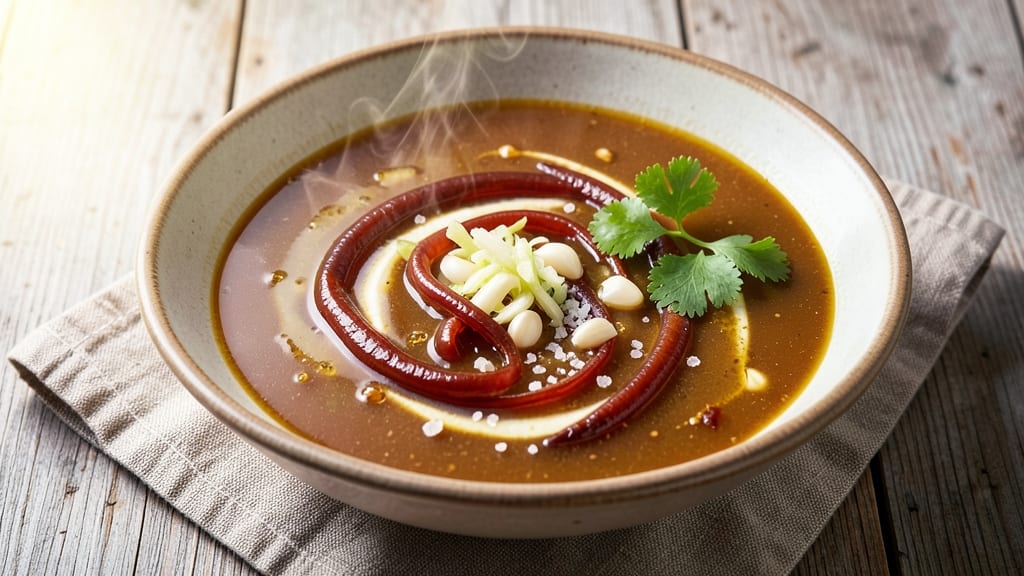
This tamarind soup base transforms ordinary broths into complex, restaurant-worthy flavors with just a few ingredients. The secret lies in balancing tamarind's signature tang with sweetness and umami, creating a concentrated paste that builds depth instantly.
I developed this recipe after realizing how often tamarind was missing from home kitchens—it's the game-changer behind Thai, Vietnamese, and even Mexican soups.
The base comes together in 15 minutes with just tamarind pulp, water, sugar, and a touch of salt, plus optional aromatics like ginger and garlic. What sets this apart is the tamarind's ability to infuse broths with layers of sour-sweet complexity without overpowering.
The paste keeps for weeks in the fridge or freezer, ready to elevate any soup with a spoonful.
What you'll end up with is a versatile foundation that transforms simple broths into something sophisticated—think pho with deeper flavor or a tangy tomato soup with unexpected complexity. The balance of sweet and sour creates harmony that's hard to achieve with other ingredients.
This isn't just a base; it's your secret weapon for restaurant-quality soups at home.
Use it as-is for classic tamarind flavors, or adjust with chili for heat, lime for brightness, or coconut milk for richness. The possibilities are endless, but the base itself remains simple and foolproof. Let's build this flavor foundation first—everything else comes after.
Ingredients for tamarind soup base
Nine ingredients transform simple broths into restaurant-worthy tamarind depth instantly.
| Ingredient | Amount | Notes |
|---|---|---|
| Tamarind Pulp 🍈 | ½ cup | High-quality, block form preferred |
| Granulated Sugar 🍚 | ¼ cup | Light brown sugar adds depth |
| Filtered Water 💧 | 1 cup | Room temperature preferred |
| Fresh Ginger 🧄 | 1 tbsp | Finely grated, aromatic |
| Garlic Cloves 🧄 | 2 cloves | Minced, aromatic foundation |
| Kosher Salt 🧂 | ½ tsp | Diamond Crystal preferred |
| Lime Juice 🍋 | 1 tbsp | Freshly squeezed, brightens |
| Fish Sauce 🍜 | 1 tsp | Optional, adds umami depth |
| Extra-Virgin Olive Oil 🫒 | 1 tbsp | For richness, high quality |
Tamarind is the cornerstone—look for block tamarind at Asian markets or specialty stores like Whole Foods or Trader Joe's (their jarred pulp works too). The fresh ginger and garlic should be vibrant; yellowing skin means it's past its prime. For fish sauce, Red Boat or Tiparos are top-tier choices, but any reputable brand adds that essential umami. If you can't find block tamarind, Mae Ploy or Thai Kitchen brands in jars are reliable substitutes, though they may contain added sugar.
No tamarind? Lime juice plus a pinch of salt mimics the acidity, though it lacks depth. Swap fish sauce for soy sauce or mushroom powder for umami. Brown sugar can be replaced with maple syrup or agave, though it'll taste slightly different. The olive oil is non-negotiable for richness—avoid cheap brands that taste bitter. For extra tang, add a splash of vinegar (rice or apple cider work well). The lime juice can be omitted if you prefer a more neutral base, but it brightens the entire mixture.
This paste keeps for up to 3 months in the fridge and 6 months frozen. Store it in an airtight container with a thin layer of olive oil on top to preserve freshness. Portion into ice cube trays for easy single-use additions to soups. The longer it sits, the more complex the flavors become—let it mellow for 24 hours before using for best results. Freeze extras in small containers for future soup projects.
Why You'll Love This Recipe
- Five-Minute Start: I swear, this base comes together faster than my coffee on a lazy morning—just simmer those five ingredients (yes, really) until the ginger blooms and the garlic melts into golden threads. No chopping, no fuss, just pure simplicity.
- Tangy-Sweet Magic: That first sip? Chef’s kiss. The tamarind’s deep, funky sourness balances perfectly with the sugar’s caramel notes, while the ginger and garlic add this warm, spicy punch—like a hug in a bowl. Honestly, I’ve never met a flavor combo this addictive.
- Sneaky Pantry Hero: Between us, this is my secret weapon for turning bland meals into winners. Dump it into curries, braises, or even marinades—suddenly, everything tastes like it’s been simmered for hours. (My lazy weeknights thank me daily.)
- Budget Flexibility: A single batch stretches across three meals, and the ingredients? Cheap as chips. Tamarind pulp lasts forever, ginger and garlic are pantry staples, and sugar? Well, you probably have it. No grocery splurges needed—just pure, reliable flavor on repeat.
Step-by-step instructions for tamarind soup base
This aromatic foundation transforms simple ingredients into a complex, balanced sauce.
Extract the Tamarind Paste
Begin by soaking the 0.5 cup tamarind pulp in ½ cup warm filtered water for 10 minutes until it softens and releases its tangy essence. The pulp should break down into a thick, sticky paste—this is where the soup's signature depth comes from. Use a fine-mesh strainer to press out all the liquid, discarding any fibrous solids. You'll need about ½ cup tamarind liquid for the base.
If using block tamarind, peel and remove the seeds before grating. The pulp should be smooth and free of grit—this ensures a velvety texture in your final soup. Save any leftover pulp for marinades or glazes; it keeps well in the refrigerator for up to 5 days.
Build the Flavor Foundation
Heat the 1 tablespoon extra-virgin olive oil in a medium saucepan over medium heat until shimmering. Add the 2 minced garlic cloves and 1 tablespoon finely grated fresh ginger, cooking for 2-3 minutes until fragrant but not browned. This aromatic base forms the soul of your tamarind soup—don't rush this step or you'll burn the delicate flavors.
Add the extracted tamarind liquid and 1 cup filtered water, bringing the mixture to a gentle simmer. Stir in the 0.25 cup granulated sugar and 0.5 teaspoon kosher salt, allowing the sugar to fully dissolve. The mixture should taste pleasantly sweet-tart at this stage, with a bright acidity that will mellow as it cooks.
Balance and Refine the Base
Reduce the heat to low and let the soup simmer uncovered for 15-20 minutes, stirring occasionally, until it thickens slightly and the volume reduces by about 25%. You're looking for a syrupy consistency that coats the back of a spoon—this ensures your soup will cling beautifully to noodles or vegetables later. Taste and adjust the balance: add more sugar if it's too tart, or more tamarind if it's too sweet.
Remove from heat and stir in the 1 tablespoon lime juice and 1 teaspoon fish sauce. The lime brightens the tamarind's natural sourness while the fish sauce adds umami depth—this combination is what elevates a simple tamarind base into something truly special. Let the mixture cool slightly before proceeding; this allows the flavors to fully meld.
Strain and Finish
For a completely smooth texture, strain the soup through a fine-mesh sieve into a clean bowl, pressing gently on the solids to extract every last drop of flavor. Discard the strained solids—they've given up all their essence. If you prefer a slightly textured base, skip this step and proceed with the soup as-is.
Return the strained soup to the saucepan and bring to a gentle simmer over low heat. Taste again and make final adjustments: a pinch more salt for seasoning, a splash of water if it's too thick, or an extra squeeze of lime if the acidity needs brightening. The finished base should be vibrant, complex, and perfectly balanced—ready to serve as-is with rice, or to build into more elaborate dishes.
Pro Tips For Making Tamarind Soup Base
- STRAIN THE PULP: Tamarind pulp is full of tiny fibers that turn your soup base gritty if you’re not careful. After soaking the pulp in warm water, press it through a fine-mesh sieve or cheesecloth—don’t just strain it once. I learned this the hard way when my first batch tasted like I’d eaten sand.
- SIMMER, DON’T BOIL: Once the ginger and garlic are cooked, keep the heat low enough that the liquid barely shivers. Boiling burns the tamarind’s delicate acidity and makes the sugar taste harsh. A gentle simmer—where bubbles rise slowly—lets the flavors meld without turning bitter.
- PEEL THE GINGER: Skip the peeling if you’re in a rush, but peeled ginger makes a real difference in this soup. The skin stays tough and can make the texture uneven. Use a spoon to scrape off the fibers instead—it’s faster and leaves the ginger bright and smooth.
- SWEETEN GRADUALLY: Don’t dump all the sugar in at once. Start with half, taste, then add the rest slowly. Tamarind is sour, and sugar masks depth if you overdo it. I was skeptical until I tried it—now I adjust by the teaspoon until the balance feels right.
Best sauces and condiments for this dish
Thai-Inspired Tom Yum Twist
Take your tamarind base to Thai territory by adding 1 tbsp lemongrass paste (or 2 tbsp finely minced lemongrass) and 1 stalk minced galangal during Step 2. After simmering, stir in 1 tbsp chili paste and ½ cup coconut milk for a creamy, spicy-sour depth.
This works beautifully in pho or noodle soups—just reduce the fish sauce to ½ tsp to balance the coconut richness. 🌶️
Mexican Lime-Tamarind Fusion
Swap the fish sauce for 1 tsp cumin and ½ tsp smoked paprika, then add 1 tbsp apple cider vinegar with the lime juice. This version shines in Mexican-style soups like pozole or tortilla soup.
For extra depth, stir in 1 chipotle pepper in adobo during the simmer. The vinegar cuts through the tamarind's sweetness while the spices add smoky warmth.
Creamy Coconut-Tamarind Base
For a velvety texture, blend the finished tamarind base with ½ cup coconut milk and 1 tbsp toasted sesame oil after cooling. This works wonders in curries or as a broth for coconut-tamarind ramen.
The sesame oil adds nutty depth while the coconut milk rounds out the acidity. Store the blended version separately—it thickens as it cools, so reheat gently with 1-2 tbsp water to restore smoothness.
Spicy-Sweet Chili Tamarind
Boost the heat by adding 1 tbsp gochujang (Korean chili paste) and ½ tsp grated ginger during Step 2. After simmering, stir in 1 tsp honey to balance the spice.
This version elevates Vietnamese-style hot and sour soups or spicy ramen. For extra complexity, add 1 tsp toasted cumin seeds during the simmer—they'll infuse the oil with earthy warmth.
Herb-Infused Tamarind Broth
Transform your base into a fragrant herb broth by adding 2 sprigs fresh cilantro, 1 sprig Thai basil, and 1 stalk lemongrass during the final simmer. Remove the herbs before straining, then finish with 1 tbsp fish sauce and ½ tsp white pepper.
This version is perfect for quick herb soups or as a base for Vietnamese summer rolls. The herbs brighten the tamarind's tang while adding freshness. ✨
Nutrition facts
Frequently asked questions
Can I substitute tamarind pulp with something else?
Yes! If you can't find tamarind, blend 1 cup unsweetened pineapple juice with 1 tbsp lime juice and 1 tsp sugar for a similar tangy profile. For a deeper flavor, try ½ cup pomegranate molasses mixed with ½ cup water—it adds complexity but requires adjusting sweetness. The key is balancing acidity with sweetness to mimic tamarind's signature taste.
How much tamarind base should I use for a pot of soup?
Start with ¼ to ½ cup of tamarind base per 4 cups of broth, depending on how intense you want the flavor. For delicate soups like miso or tomato, use ¼ cup—it'll add subtle depth. For bold flavors like pho or spicy noodle soups, go up to ½ cup or more. Taste as you go and adjust gradually. Remember, you can always add more, but you can't easily remove excess tang!
Why does my tamarind base taste too sweet or tart?
Tamarind's natural balance is delicate—too sweet? Add 1-2 tbsp lime juice or a pinch of salt to brighten. Too tart? Stir in ½ tsp sugar or a splash of coconut milk to round it out. The key is adjusting gradually while tasting. If using jarred tamarind pulp (which often contains added sugar), reduce the granulated sugar to 2 tbsp instead of ¼ cup. For extra control, make small batches and taste frequently.
Can I make this base without fish sauce?
Fish sauce adds umami depth, but you can substitute with 1 tsp soy sauce, ½ tsp mushroom powder, or even 1 tbsp tomato paste for a vegetarian version. For a smoky alternative, try ½ tsp liquid smoke or 1 tsp smoked paprika. The base will still be flavorful—just slightly different in profile. If you're avoiding all animal products, the mushroom powder or soy sauce works best.
How do I store tamarind base for long-term use?
Store in an airtight container with a thin layer of olive oil on top to preserve freshness. In the fridge, it keeps for 3 months, while freezing extends shelf life to 6 months. For easy use, portion into ice cube trays—just pop out a cube or two when you need it! Label with the date to track freshness. When reheating, warm gently over low heat and stir in 1 tbsp water if it thickens too much.