
Soups & Stews
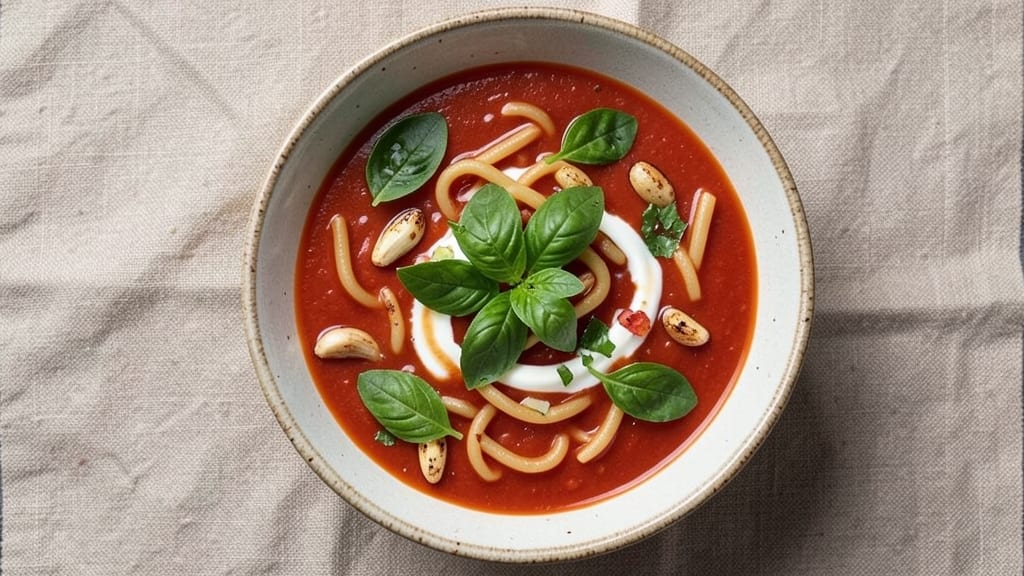
This Sacred Heart Soup recipe transforms a simple tomato-basil broth into a velvety, hearty dish with pasta twists that elevate every spoonful. The secret lies in balancing rich tomato flavors with fresh basil and a touch of creaminess that makes it feel like a restaurant-worthy meal.
After years of perfecting this recipe, I’ve found the right combination of ingredients and technique to deliver a soup that’s both comforting and sophisticated—ideal for chilly evenings or when you crave something warm and nourishing.
The foundation of this soup is a slow-simmered tomato base, where canned tomatoes caramelize into a deep, savory flavor. Fresh basil and garlic infuse the broth with bright, aromatic notes, while a touch of cream or butter adds that signature creamy texture without overpowering the dish.
Hearty pasta twists provide structure and heartiness, ensuring each bite is satisfying. The recipe comes together in under an hour, making it perfect for a weeknight dinner that feels like a special occasion.
What sets this recipe apart is its versatility—it’s rich enough to stand alone but flexible enough to pair with crusty bread, grilled cheese, or a simple salad. The aroma alone will fill your kitchen with warmth, while the first spoonful delivers a harmonious blend of tangy, herby, and creamy flavors.
Whether you’re serving it to family or enjoying a quiet meal, this soup is designed to bring comfort and joy to the table.
Ready to create a bowl that’s as heartwarming as it is delicious? This recipe is your guide to a creamy, flavorful masterpiece that’s sure to become a staple in your rotation. Let’s get cooking!
Ingredients for sacred heart soup
Simple ingredients that transform into a velvety tomato-basil masterpiece with restaurant-quality depth.
| Ingredient | Amount | Notes |
|---|---|---|
| Canned San Marzano Tomatoes 🍅 | 2 cans | 28 oz each, crushed by hand |
| Fresh Basil Leaves 🌿 | 1 cup | Packed, stems removed |
| Garlic Cloves 🧄 | 4 cloves | Peeled, rough chopped |
| Heavy Cream 🥛 | ½ cup | Full-fat for richness |
| Unsalted Butter 🧈 | 2 tbsp | European-style preferred |
| Pasta Twists 🍝 | 8 oz | Dried, al dente preferred |
| Vegetable Broth 💧 | 4 cups | Low-sodium preferred |
| Red Wine Vinegar 🍷 | 1 tbsp | For brightness |
| Kosher Salt 🧂 | 1 ½ tsp | Adjust to taste |
| Freshly Ground Black Pepper 🌶️ | ½ tsp | Freshly cracked |
| Granulated Sugar 🍚 | 1 tsp | Balances acidity |
| Extra-Virgin Olive Oil 🫒 | 2 tbsp | For sautéing garlic |
| Parmesan Cheese 🧀 | ¼ cup | Freshly grated |
The tomatoes are the heart of this soup—San Marzano delivers the sweetest, most consistent flavor. Grab a few cans from Whole Foods or your local Italian market if you can; the flavor difference is noticeable. Fresh basil is non-negotiable here—the bright green, aromatic kind from the grocery store's produce section works, but farmers' market basil takes it to another level. For the garlic, peel and roughly chop rather than mincing—it releases flavor more gradually during simmering. The heavy cream and butter add that signature velvety texture, so don't skimp on quality here. European-style butter melts more smoothly than American brands.
No San Marzano tomatoes? Crushed tomatoes in a high-quality jar work in a pinch, but add an extra pinch of sugar to compensate for the less sweet flavor. Fresh basil wilting? Dried basil at one-third the amount gets you close, though it lacks that fresh aroma. Out of red wine vinegar? Lemon juice works too, but you'll need about twice the amount. For the pasta twists, any dried pasta will work, but look for a shape with texture—farfalle or penne add nice visual contrast. The vegetable broth should be low-sodium; if yours isn't, reduce the added salt accordingly.
This soup tastes even better the next day as flavors meld—double the batch and freeze half for lazy weeknights. Store leftovers in an airtight container for up to 5 days, or freeze for 3 months. The pasta twists hold up well when reheated, but if you prefer them al dente, cook them separately and add them to the soup just before serving. For extra richness, stir in a splash of heavy cream when reheating. The grated Parmesan keeps best in the freezer—grate it fresh when ready to serve for maximum flavor.
Why You'll Love This Recipe
- I’ve got a secret: this soup turns my kitchen into a 10-minute cleanup zone. The pasta cooks separately, and the soup simmers while I prep. Just blend, stir in the cream, toss in the pasta, and boom—done. No scrubbing pans, no soaking bowls. The only thing left is the glorious smell of garlic and basil wafting through the house.
- No-Pot-Washing Night: I’ve got a secret: this soup turns my kitchen into a 10-minute cleanup zone. The pasta cooks separately, and the soup simmers while I prep. Just blend, stir in the cream, toss in the pasta, and boom—done. No scrubbing pans, no soaking bowls. The only thing left is the glorious smell of garlic and basil wafting through the house.
- Creamy Without the Guilt: That half cup of heavy cream? It’s the magic touch that makes this soup feel luxurious without being heavy. The San Marzano tomatoes keep it bright, and the European-style butter adds depth—no artificial flavors, just pure, rich satisfaction. Honestly, I’ll sneak seconds because the texture is that good.
- Leftover Legend: This soup doubles beautifully, and honestly, it tastes even better the next day. Freeze half for those lazy mornings when you need something warm in 10 minutes. The pasta twists soak up the flavors overnight, making each bite richer. My roommates fight over leftovers—I’ve even had people ask for seconds after they’ve already had seconds.
Step-by-step instructions for creamy tomato basil with hearty pasta twists
This method delivers a velvety, restaurant-quality tomato basil soup with perfectly al dente pasta twists.
Sauté Garlic Until Fragrant
Heat the 2 tablespoons extra-virgin olive oil in a large pot over medium heat. Add the 4 cloves rough chopped garlic and cook, stirring constantly, for 2-3 minutes until the garlic turns golden brown and releases its aroma. Be careful not to let it burn—it should smell sweet and nutty, not bitter.
This step builds the flavor foundation. The garlic will mellow as the soup simmers, but that initial toasted aroma carries through to the finished dish. If you prefer milder garlic flavor, reduce cooking time to 1-2 minutes instead.
Build the Tomato Base
Add the 2 tablespoons unsalted butter to the pot and let it melt completely. Pour in the 2 cans crushed San Marzano tomatoes, stirring to combine with the garlic. Add the 4 cups vegetable broth, 1 tablespoon red wine vinegar, 1 teaspoon granulated sugar, 1½ teaspoons kosher salt, and ½ teaspoon freshly ground black pepper. Bring the mixture to a gentle boil over medium-high heat, then immediately reduce to medium-low heat and let it simmer uncovered for 15 minutes.
The vinegar brightens the tomatoes while the sugar balances their natural acidity. The sugar isn't sweet here—it rounds out the tomato's tang. Stir occasionally to prevent the mixture from sticking, and watch for any scum that rises to the surface—skim it off with a spoon to keep the soup clean.
Blend for Silky Texture
Remove the pot from heat and let the soup cool slightly for 5 minutes. Using an immersion blender, blend the soup until completely smooth. If you prefer a chunkier texture, pulse briefly instead of blending fully. Return the pot to medium heat and stir in the ½ cup heavy cream, simmering gently for 3-4 minutes until the soup reaches a creamy consistency. The cream should melt completely without curdling.
Here's the thing—adding cream at the end preserves its delicate texture. If you add it too early, the heat can cause it to break. The soup should now have a velvety mouthfeel with just a hint of richness from the cream.
Cook the Pasta Twists
While the soup simmers, bring a separate pot of salted water to a boil. Add the 8 ounces pasta twists and cook according to package instructions until 1 minute shy of al dente. Drain and set aside, reserving ½ cup pasta water. The pasta should be slightly firm—it will finish cooking in the soup.
Adding the pasta at the end prevents it from becoming mushy in the hot broth. The reserved pasta water is your secret weapon—it helps adjust the soup's consistency if needed later.
Finish and Serve
Add the cooked pasta twists to the soup and stir gently to coat. If the soup is too thick, add 1-2 tablespoons reserved pasta water to loosen it. Remove from heat and stir in the 1 cup packed fresh basil leaves and ¼ cup freshly grated Parmesan cheese. Let the soup sit for 5 minutes to allow the flavors to meld together.
Taste and adjust seasoning—you might need a pinch more salt or pepper, depending on your broth. Ladle the soup into bowls and garnish with additional Parmesan cheese if desired. Each spoonful should deliver perfect balance: rich tomato depth, creamy texture, and bright basil notes.
Pro Tips For Making Sacred Heart Soup
- Skim the Scum Early: That floating gunk in your simmering tomatoes isn’t just unsightly—it’s bitter. After the initial boil, skim off any foam or scum with a spoon before it has a chance to break down. I used to ignore it until I realized how much it dulls the bright tomato flavor. Takes 30 seconds but makes a real difference.
- Crush Tomatoes by Hand: Skip the blender or can opener—use your fingers to crush the San Marzano tomatoes right in the can. This introduces tiny air pockets that prevent the soup from turning gluey when simmered. I learned this the hard way after blending mine and ending up with a thick, pasty mess.
- Add Cream Last: The cream isn’t just a finishing touch; it’s a temperamental one. Stirring it in at the end (after the soup has cooled slightly) keeps it silky instead of breaking into curds. I’ve ruined batches by adding it too early—now I wait until the last 3 minutes of simmering, no exceptions.
- Reserve Pasta Water: That ½ cup of starchy pasta water isn’t just for emergencies—it’s insurance. If the soup thickens too much after adding the pasta twists, a splash of the reserved water loosens it instantly. I keep a small ladle nearby just for this; it’s saved me from lumpy, gluey soup more times than I can count.
Wine and beer pairings for sacred heart soup
Italian White Wine Pairings
This tomato-basil soup pairs beautifully with crisp, bright Italian whites that complement its acidity and tomato depth. I always reach for a Frascati Superiore from Lazio—its zesty citrus notes and mineral finish cut through the soup’s richness while enhancing the basil’s aroma.
Look for a dry, unoaked style with 12-13% alcohol for the perfect balance. 🍷
Red Wine for Bold Flavors
If you prefer red, a Chianti Classico from Tuscany is my go-to choice. The Sangiovese grape’s bright acidity and cherry undertones harmonize with the tomato base, while its earthy notes echo the basil’s herbal character. Serve it slightly chilled (55-60°F) to preserve its vibrant fruitiness.
Craft Beer Complements
A Italian-style white lager, like Moretti Bianco, offers a refreshing contrast with its light, citrusy profile. For something bolder, try a Belgian witbier such as Leffe Blonde—its coriander and orange peel notes complement the soup’s herbal and tangy flavors beautifully. Both pair without overpowering the dish. 🍺
Rosé for Versatility
A Provence rosé, especially one made from Grenache and Cinsault, is a summer-friendly option that pairs surprisingly well with this soup. Its pale pink hue and crisp, dry profile highlight the tomato’s natural sweetness while balancing the basil’s intensity. Serve it ice-cold for the best experience.
Local Craft Options
For a unique twist, try a local Italian-American red like Cella La Vigna from California. Its medium-bodied structure and notes of dark fruit align perfectly with the soup’s depth.
If you’re in the Midwest, seek out a Lambrusco—its slightly fizzy, berry-forward profile adds a playful contrast to the creamy texture.
Nutrition facts
Frequently asked questions
Why does this soup taste better the next day?
The flavors in this tomato basil soup truly come together after resting. The garlic and basil infuse deeper into the broth overnight, while the pasta twists absorb the rich tomato-cream mixture. This 5-minute rest before serving in the recipe is just the beginning—leaving it to sit for 12+ hours lets everything harmonize. The cream also separates slightly when cold, then re-emulsifies when reheated, creating an even smoother texture.
Can I make this soup without heavy cream?
For a lighter version, swap the ½ cup heavy cream with ½ cup coconut milk (full-fat) or 1 cup whole milk. The soup will still be creamy but less rich. If you're avoiding dairy entirely, blend in ½ cup cooked white beans for creaminess—it adds subtle earthiness that works surprisingly well. Just simmer longer after blending to fully integrate the flavors.
How do I adjust the soup's thickness if it's too thick?
Use the ½ cup reserved pasta water as your secret tool! If the soup is too thick after adding the pasta twists, stir in 1-2 tablespoons at a time until you reach your desired consistency. You can also add ½ cup extra vegetable broth if needed. Pro tip: If you prefer a thicker soup, simmer uncovered for an extra 5 minutes to reduce naturally. Always taste before adding liquid—sometimes just a pinch more salt can make it feel richer.
What's the best way to reheat leftovers?
Gentle reheating is key to preserving texture. Transfer the soup to a saucepan and warm over low-medium heat, stirring occasionally. Add 1-2 tablespoons pasta water or broth if it thickens too much. For microwave reheating, cover loosely and heat in 30-second intervals, stirring between each. Never boil vigorously—this can break the cream and make the pasta mushy. Stir in a splash of heavy cream when reheating if the soup seems too thin.