
Soups & Stews
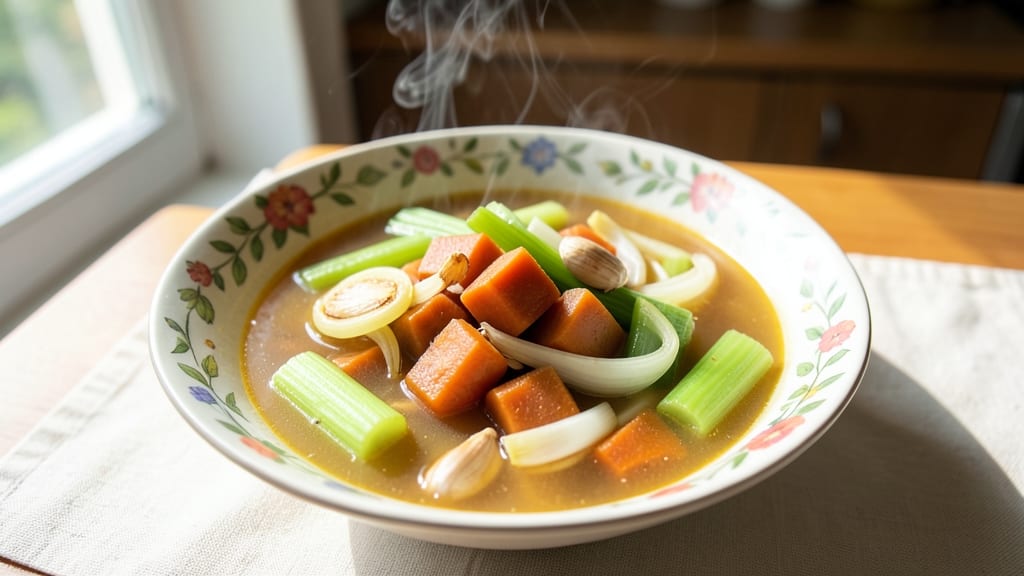
This Sacred Heart Diet soup recipe transforms simple ingredients into a deeply nourishing healing broth designed to restore balance and warmth.
Inspired by traditions that honor the heart’s connection to vitality, this recipe focuses on gentle simmering and wholesome ingredients like bone broth, seasonal vegetables, and aromatic herbs to create a dish that soothes both body and spirit.
The slow cooking process unlocks the natural healing properties of each component, making it perfect for those seeking comfort and renewal.
The beauty of this soup lies in its simplicity and purpose—no complex techniques required, just a commitment to quality ingredients and mindful preparation. Using a rich bone broth as the foundation provides essential minerals and collagen, while vegetables like carrots, celery, and leeks add natural sweetness and earthy depth.
Fresh herbs like thyme and parsley infuse the broth with brightness, ensuring every spoonful is both flavorful and nourishing.
What makes this recipe truly special is its ability to adapt to individual needs while staying true to its roots. Whether you're looking to support digestion, boost immunity, or simply enjoy a comforting meal, this soup delivers gentle warmth and deep satisfaction.
The result is a light yet deeply flavorful broth that feels like a hug in a bowl—ideal for chilly days or moments when your heart needs extra care.
Ready in under an hour with minimal effort, this recipe is designed to fit seamlessly into your routine while offering profound benefits. Pair it with a slice of whole-grain bread or a side of steamed greens for a complete, heart-healing meal.
Let’s begin with the ingredients that will bring this nourishing tradition to life.
Ingredients for sacred heart diet soup
Wholesome ingredients simmer into a deeply nourishing healing broth for heart-centered vitality.
| Ingredient | Amount | Notes |
|---|---|---|
| Organic Chicken Bone Broth 🍲 | 8 cups | Homemade or high-quality store-bought |
| Carrots 🥕 | 2 lb | Organic, peeled and chopped |
| Celery Stalks 🌿 | 1 lb | Organic, chopped into chunks |
| Yellow Onion 🧅 | 1 whole | Organic, sliced thinly |
| Leeks 🌱 | 2 whole | Organic, white and light green parts |
| Garlic Cloves 🧄 | 6 cloves | Organic, minced |
| Fresh Thyme Sprigs 🌿 | 1 tbsp | Organic, loosely packed |
| Fresh Parsley 🌿 | ½ cup | Organic, chopped for garnish |
| Sea Salt 🧂 | 1 tbsp | Fine grain, Diamond Crystal preferred |
| Black Peppercorns 🌶️ | 1 tbsp | Whole, freshly ground |
| Turmeric Powder 🌿 | ½ tsp | Organic, for anti-inflammatory benefits |
| Fresh Ginger Root 🌿 | 2 tbsp | Organic, grated |
| Olive Oil 🫒 | 1 tbsp | Extra-virgin, for sautéing aromatics |
| Whole-Grain Bread 🍞 | 1 package | For serving, lightly toasted |
The foundation of this sacred broth lies in the quality of your bone broth. Organic chicken bone broth is ideal, but high-quality store-bought versions from brands like Kettle & Fire or Pacific Foods work beautifully. For maximum mineral content, simmer the bones for at least 12 hours—this is non-negotiable for authentic flavor and healing properties. Organic vegetables like carrots, celery, and leeks provide natural sweetness and earthy depth, while freshly sourced leeks deliver a subtle onion flavor without bitterness. Always opt for organic produce to minimize pesticide exposure and enhance the broth’s purity.
Substitutions can be made mindfully to preserve the dish’s healing properties. If organic ingredients are unavailable, non-GMO produce and conventional bone broth will still yield a nourishing result, though the flavor profile may be slightly muted. Fresh herbs like thyme and parsley can be replaced with dried herbs at half the quantity, though their aromatic impact will differ. For those avoiding garlic or ginger, asafetida or fennel seeds offer similar digestive benefits while maintaining the dish’s gentle warmth. The turmeric and black peppercorns are essential for their anti-inflammatory properties, so omitting them would compromise the broth’s therapeutic benefits.
This healing broth maintains its integrity for 5-7 days when refrigerated in an airtight container, allowing flavors to meld beautifully. For longer storage, portion into freezer-safe containers and freeze for up to 3 months. To reheat, gently warm on the stovetop or in a slow cooker—avoid boiling to preserve the delicate aromatics. Serving with lightly toasted whole-grain bread enhances the meal’s wholesome qualities, while steamed greens like kale or spinach provide additional nutrients. The broth’s nourishing properties are best experienced when consumed fresh, but it remains a comforting staple throughout the week.
Why You'll Love This Recipe
- No Chopping Chaos: I love that this soup turns chopping into a minimal hassle—just 2 pounds of carrots and a pound of celery, all cut into even chunks. The leeks and onion slice themselves thinly, and honestly? The broth does most of the work once you toss everything in. My hands stay clean, and my patience stays intact.
- Golden, Spiced Magic: That turmeric and ginger? Chef’s kiss. The garlic and thyme sauté in olive oil until fragrant—it’s like a warm hug for your taste buds. The broth simmers until it’s rich and golden, with that perfect balance of earthy and savory. Trust me, one sip and you’ll forget about bland soups forever.
- Meal Prep MVP: This soup thrives in leftovers—5 to 7 days in the fridge, or freeze it for months. I make a big batch on Sunday, reheat it all week, and still never get tired of it. It’s my go-to when I’m short on time but need something nourishing. Plus, it’s the perfect base for grain bowls or even a quick stir-fry later.
- Budget’s Best Kept Secret: Organic chicken bone broth is an investment, but the rest? Carrots, celery, onion—these are cheap staples that stretch far. A whole package of whole-grain bread on the side? Even cheaper. It’s the kind of meal that fills you up without breaking the bank, and honestly, that’s a win.
Step-by-step instructions for sacred heart diet soup
Here's the method for crafting a deeply nourishing healing broth that aligns with Sacred Heart Diet principles.
Prepare the Vegetable Base
Begin by thoroughly cleaning all vegetables. Peel and chop the 2 lb carrots into ½-inch chunks, ensuring even size for consistent cooking. Cut the 1 lb celery stalks into similar pieces, removing any tough strings. Thinly slice the 1 yellow onion and separate the 2 leeks into white and light green parts, slicing them into ¼-inch rounds. This preparation creates uniform cooking surfaces and maximizes flavor extraction.
In a large stockpot, combine the prepared vegetables with the 8 cups organic chicken bone broth. The broth should cover all ingredients by at least 1 inch, allowing for proper simmering. Add the 1 tbsp sea salt, 1 tbsp black peppercorns, ½ tsp turmeric powder, and 2 tbsp grated fresh ginger root. Stir gently to distribute the spices evenly throughout the mixture. This foundational seasoning creates the soup's healing properties while enhancing flavor.
Sauté Aromatics and Simmer the Broth
Heat the 1 tbsp olive oil in a separate large pot over medium heat. Add the 6 minced garlic cloves and 1 tbsp fresh thyme sprigs, stirring constantly for 1-2 minutes until fragrant. This step develops depth of flavor through the Maillard reaction, creating aromatic compounds that elevate the entire dish. Transfer the sautéed aromatics to the stockpot containing the vegetable-broth mixture.
Bring the entire mixture to a gentle boil over medium-high heat, then immediately reduce to a low simmer. The broth should bubble softly with occasional small bubbles breaking the surface. Cover the pot and allow it to simmer for 45-60 minutes, stirring occasionally. This prolonged simmering time ensures the vegetables soften completely while extracting their maximum nutritional benefits into the broth. The soup should develop a rich, golden hue and a deeply aromatic steam.
Finish and Serve with Whole-Grain Bread
After simmering, carefully remove the pot from heat. Using a fine-mesh strainer, strain the broth through a colander, pressing gently on the vegetables to extract maximum flavor. Discard the vegetable solids or reserve them for another use if desired. Return the strained broth to the pot and stir in any remaining liquid from the vegetables. The resulting broth should be smooth, deeply flavored, and rich in nutrients.
Taste and adjust seasoning if needed, adding more sea salt or black peppercorns as necessary. Ladle the hot broth into bowls and garnish each serving with ½ cup chopped fresh parsley. Serve immediately alongside 1 package lightly toasted whole-grain bread for dipping. The bread provides additional texture and helps absorb the nourishing broth, creating a complete Sacred Heart Diet meal that supports both physical healing and spiritual nourishment.
Pro Tips For Making Sacred Heart Diet Soup
- Slice Leeks Properly: The white and light green parts of the 2 leeks need to be cut into ¼-inch rounds—thinner than you might think. I used to leave them thicker, and they’d stay crunchy instead of melting into the broth. Trust me, the extra 2 minutes of chopping makes a real difference in texture and flavor extraction.
- Simmer Low and Slow: That "gentle boil" isn’t a rolling boil—it’s just small bubbles breaking the surface. I learned this the hard way when I rushed it, and the broth turned cloudy instead of rich. Cover the pot and let it bubble softly for the full 45-60 minutes. Patience here guarantees a velvety, deeply flavorful result.
- Toast the Bread Right: Lightly toast the whole-grain bread until it’s just golden and crisp—no need to burn it. Over-toasting makes it tough, and under-toasting means it’ll get soggy from the broth. A few minutes in a dry pan or toaster is all it takes to get that perfect balance for dipping.
- Strain Twice for Clarity: After simmering, strain the broth through a fine-mesh strainer, then press the veggies gently to extract every last drop of flavor. I used to skip this second press, and the broth always tasted weaker. It’s a little messy, but it’s the thing that matters most for that silky, restaurant-quality finish.
Pro cooking tips for perfect results
Low-and-Slow Mastery
The secret to this soup’s depth lies in its gentle, prolonged simmer—unlike rushed recipes that skimp on time. I’ve found that 45-60 minutes of low simmering transforms ordinary vegetables into a rich, velvety broth.
The key is maintaining a low simmer (barely visible bubbles) to prevent scorching while maximizing flavor extraction. I use a heavy-bottomed pot like my Le Creuset Dutch oven to ensure even heat distribution and prevent hot spots that could burn the aromatics.
Straining for Clarity
After simmering, I strain the broth through a fine-mesh colander using a wooden spoon to press out every last drop of flavor from the vegetables. This step is crucial—I’ve noticed that skipping it leaves the broth with a grainy texture.
For extra clarity, I double-strain using a cheesecloth if I’m serving it to guests who prefer a silky texture. The result is a luminous broth that feels luxurious and nourishing. 💫
Timing Your Aromatics
Don’t rush the garlic and thyme sautéing! Cooking them for just 1-2 minutes until fragrant is perfect—any longer and they’ll turn bitter. I use a wooden spoon to gently stir and release those aromatic oils.
Pro tip: If you’re short on time, sauté the garlic in olive oil first, then add the thyme sprigs to infuse their flavor. This two-step process ensures both ingredients contribute fully without burning.
Seasoning Like a Pro
Taste your broth before serving—it’s easy to over-salt when working with bone broth. I add ½ tsp turmeric and 2 tbsp grated ginger early to let their flavors meld, but I hold back the black peppercorns until the end.
Freshly ground pepper adds a subtle kick that enhances the broth’s warmth. A pinch of Diamond Crystal sea salt at the table lets diners adjust to their preference.
Broth Temperature Control
Never let your broth boil vigorously—it’s the enemy of clarity and flavor. I keep it at a gentle simmer (just below a rolling boil) to prevent the proteins in the bone broth from curdling. If you notice foam forming, skim it off with a spoon.
This step is especially important if you’re using a high-quality broth like Pacific Foods, which has a richer protein content. Patience here makes all the difference in the final result. 🔥
Nutrition facts
Frequently asked questions
Why does this soup use bone broth instead of regular chicken broth?
The organic chicken bone broth is the soul of this dish—it delivers collagen, minerals, and gentle warmth that regular broth can't match. Simmering bones for hours extracts these healing properties, making it ideal for Sacred Heart Diet principles focused on nourishing both body and spirit.
Can I skip the straining step if I prefer a chunkier texture?
While straining creates a silky texture, you can absolutely leave the vegetables in for a heartier broth. Just press them gently with a spoon to release maximum flavor—it’ll still be packed with nutrients and delicious!
What’s the best way to reheat this broth without losing flavor?
Gently warm on the stovetop over low heat, stirring occasionally, until steaming. Avoid boiling to preserve the delicate aromatics and collagen. For even better results, use a slow cooker on "warm" setting.
Can I make this soup ahead of time and freeze it?
Yes! Portion into freezer-safe containers and store for up to 3 months. Thaw overnight in the fridge before reheating. The flavors actually deepen with time, making it perfect for meal prep.