
Soups & Stews
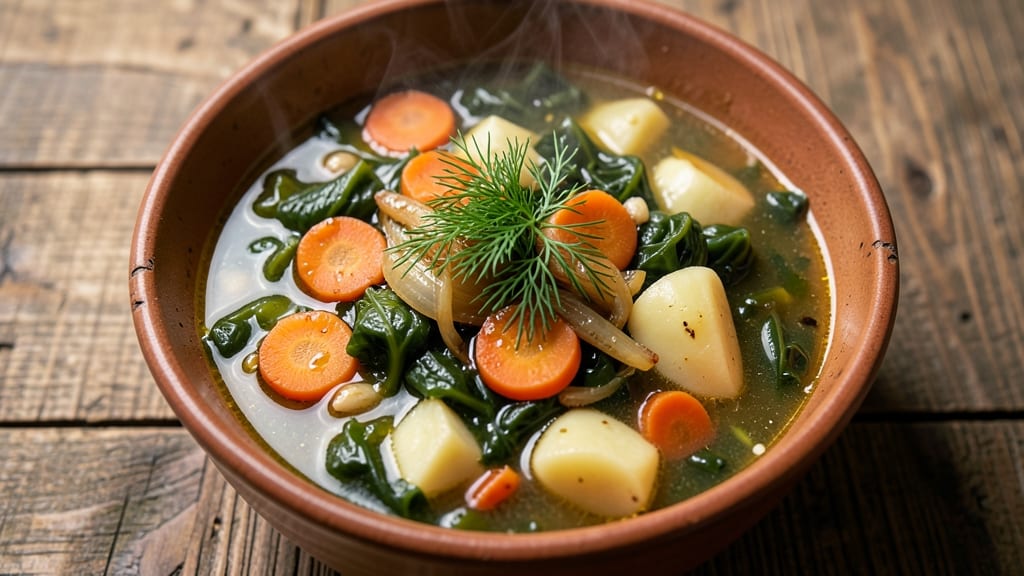
This Polish sauerkraut soup recipe delivers the deep, smoky comfort of traditional żurek—where tangy fermented cabbage meets hearty root vegetables and rich sausage in a slow-simmered broth.
The key lies in balancing the sauerkraut’s sharpness with sweet carrots and earthy potatoes, while smoked sausage adds a layer of warmth that lingers long after the last spoonful. I’ve perfected this version to stay true to Polish roots while making it approachable for home cooks.
The beauty of this soup is in its simplicity: just a handful of pantry staples and 30 minutes of active time, followed by a 1-hour simmer that transforms tough cuts into tender, flavorful bites.
The sauerkraut’s natural acidity cuts through the richness of the sausage, while onions and garlic build a fragrant base that ties everything together. It’s the kind of dish that feels like a hug in a bowl—perfect for chilly evenings or when you crave something deeply satisfying.
What makes this recipe special is how the flavors develop over time. As the soup simmers, the sauerkraut softens but retains its tangy bite, while the vegetables absorb the smoky depth of the sausage.
The result is a velvety, aromatic broth that coats every spoonful, with potatoes that melt in your mouth and carrots that add just the right touch of sweetness. Serve it with a slice of crusty rye bread or a dollop of sour cream to balance the flavors even more.
For those who prefer a vegetarian version, simply swap the sausage for mushrooms or extra smoked paprika to maintain that signature depth. The soup keeps well in the fridge for up to 5 days, making it an ideal meal prep option.
Whether you’re serving a family or treating yourself, this recipe delivers the comfort and tradition of Polish home cooking in every bowl.
Ingredients for polish sauerkraut soup
Tangy cabbage meets smoky mushrooms and velvety broth in this comforting Polish-inspired soup.
| Ingredient | Amount | Notes |
|---|---|---|
| Sauerkraut 🥬 | 2 cups | Rinsed if overly salty |
| Potatoes 🥔 | 2 lb | Yukon Gold or Russet |
| Carrots 🥕 | 3 cups | Peeled, roughly chopped |
| Yellow Onions 🧅 | 2 whole | Thinly sliced |
| Garlic Cloves 🧄 | 6 cloves | Minced, for depth |
| Vegetable Broth 💧 | 6 cups | Low-sodium preferred |
| Smoked Paprika 🌶️ | 1 tbsp | For sausage depth |
| Dried Thyme 🌿 | 1 tsp | Crushed between fingers |
| Bay Leaves 🍃 | 2 whole | Remove before serving |
| White Vinegar 🍶 | 1 tbsp | Balances acidity |
| Salt 🧂 | 1 tsp | Diamond Crystal preferred |
| Black Pepper 🌶️ | ½ tsp | Freshly ground |
| Mushrooms 🍄 | 1 lb | Cremini or white |
| Sour Cream 🧀 | ½ cup | For serving garnish |
The sauerkraut should be rinsed thoroughly if it’s overly salty—just a quick dunk in cold water works. I always grab organic Yukon Golds for the potatoes—they hold their shape better than russets. For mushrooms, cremini or white work best, but portobellos add a meaty texture if you want extra richness. The smoked paprika is non-negotiable for that authentic smokiness—Penzeys or McCormick have solid options. Garlic cloves should be minced fresh—pre-minced loses too much punch.
No mushrooms? Extra diced carrots or butternut squash add sweetness, but you’ll lose that umami depth. Short on smoked paprika? One tbsp liquid smoke in the broth gets you close. Vegetable broth can be swapped for homemade or store-bought low-sodium—just taste as you go. The white vinegar is key for balancing the sauerkraut’s acidity, but if you’re avoiding it, a splash of apple cider vinegar works too. The bay leaves are subtle but essential—don’t skip them unless you’re in a hurry.
This soup tastes even better the next day as flavors meld. Store in an airtight container for up to 5 days in the fridge. For freezer portions, cool completely before freezing—3 months max. I always reheat on the stove with a splash of broth to revive the texture. The sour cream? Add it just before serving—Trader Joe’s or local dairy both work, but homemade is unbeatable. Portion it out with a slice of crusty bread for the full Polish experience.
Why You'll Love This Recipe
- One-Pot Polish Magic: I love that this soup lives in one Dutch oven the whole time—no extra pots, no mess. The caramelized onions and mushrooms build flavor while the potatoes cook effortlessly, so I’m just stirring and tasting. Honestly, the only cleanup is my bowl after seconds.
- Tangy, Smoky, Addictive: The sauerkraut’s funk pairs perfectly with the smoky paprika and garlic, while the white vinegar keeps it bright. That first spoonful? Creamy sour cream on top makes it feel like a hug in a bowl.
- Feeds a Crowd (or Me): I double the recipe for game days or family dinners—it’s the kind of soup that tastes even better the next day. And if I’m feeling lazy, I freeze half for a future “I don’t wanna cook” night.
- Budget-Friendly Comfort: With pantry staples like sauerkraut, potatoes, and mushrooms, this is the kind of dish that won’t break the bank. Plus, the sour cream is just for garnish—I’ve served it plain to my roommate, and he still asked for more.
Step-by-step instructions for Polish sauerkraut soup
This hearty soup delivers deep flavor and satisfying texture—exactly what you crave on chilly days.
Sauté the Aromatic Base
Heat a large Dutch oven over medium heat and add the 2 yellow onions and 3 cups carrots, both roughly chopped. Cook for 8-10 minutes until the onions soften and the carrots begin to caramelize slightly at the edges. This foundational step builds the soup's rich, sweet undertones.
Add the 6 garlic cloves and 1 lb mushrooms, sliced into quarters. Stir and cook for another 5 minutes until the mushrooms release their moisture and the garlic becomes fragrant. Here's where the magic happens—the mushrooms absorb the caramelized onion flavors, creating a deep umami base.
Stir in the 1 tbsp smoked paprika and 1 tsp dried thyme, crushing the thyme leaves between your fingers to release their oils. Cook for 1 minute until the spices are aromatic but not burnt. This step ensures the smoky depth that defines Polish comfort food.
Build the Soup Foundation
Add the 2 cups sauerkraut, drained if overly salty, and stir to combine with the vegetables. Cook for 3-4 minutes until the sauerkraut softens slightly and releases its tangy, fermented flavors into the pot. This step balances the richness of the mushrooms and onions with the bright acidity of fermented cabbage.
Pour in the 6 cups vegetable broth and bring the mixture to a gentle boil. Once boiling, reduce heat to medium-low and add the 2 bay leaves, 1 tbsp white vinegar, 1 tsp salt, and ½ tsp black pepper. The vinegar here is crucial—it brightens the flavors and prevents the soup from tasting flat.
Add the 2 lb potatoes, cut into 1-inch chunks, and stir gently. The potatoes should be fully submerged in the broth. If not, add a splash of water. Cover and simmer for 15 minutes until the potatoes are tender when pierced with a knife.
Finish and Serve
Remove the 2 bay leaves and discard them. Taste the soup and adjust seasoning if needed—this is your chance to balance the flavors. The soup should be rich but not overly salty, tangy but not sour, and deeply savory from the mushrooms and sauerkraut.
Ladle the soup into bowls and top each serving with ½ cup sour cream. The cool, creamy topping contrasts beautifully with the warm, smoky broth, adding a velvety finish. Serve immediately with crusty bread to soak up every last drop of this comforting, hearty soup.
Pro Tips For Making Polish Sauerkraut Soup
- CRUSH THYME LEAFS: Don’t just sprinkle that dried thyme—pinch the leaves between your fingers first. I used to skip this, and the soup always tasted like I’d forgotten the herb entirely. Those crushed leaves release their oils right into the onions and mushrooms, making the smoky depth actually work instead of hiding.
- SAUERKRAUT DRAINAGE CHECK: If your sauerkraut tastes like a pickle jar exploded, rinse it—but don’t drown it. I learned this after turning my soup into a salty brine bomb. Drain in a colander for 2-3 minutes, then squeeze out excess liquid with your hands. You want tang, not a mouthful of brine.
- POTATOES FIRST TEST: Pierce those potatoes with a knife before they hit the broth. If the blade slides in like butter, they’re ready. If not, simmer uncovered for another 5 minutes. I’ve ruined too many batches by assuming “almost tender” meant “done”—it doesn’t. This soup’s texture hinges on perfect potatoes.
- VINEGAR NOW OR NEVER: Add that white vinegar with the broth, not at the end. I tried saving it for last once, and the acid just sat there like a grumpy guest who didn’t get invited to the party. Stir it in early so it mellows into the broth instead of shocking your taste buds when you take that first spoonful.
Pro cooking tips for this dish
Mastering the Sauté
The first step is all about building depth—don’t rush the 8-10 minutes you caramelize the onions and carrots. This isn’t just about softening; it’s about developing those sweet, complex flavors that become the soul of the soup.
I use a Dutch oven because it distributes heat evenly, but a heavy-bottomed pot works too. If your onions start browning too quickly, lower the heat just slightly to keep them from burning. 🔥
Avoiding the Sauerkraut Trap
Rinsing sauerkraut is a must if it’s overly salty, but don’t overdo it—you want that tangy fermented flavor to shine. I drain it in a fine-mesh strainer and give it a quick rinse with cold water, then squeeze out excess moisture.
If you skip this step, the soup might taste flat or overly salty. Trust me, that tang is what makes this dish unforgettable.
Temperature Control
Once you add the broth, reduce heat to medium-low and let it simmer gently. This is where patience pays off—the soup needs 15 minutes to meld all the flavors without boiling vigorously. If it’s too hot, the potatoes will break apart, and the broth might reduce too quickly.
I keep an eye on it and adjust the heat as needed to maintain a gentle bubble. 🌡️
Crushing Those Thyme Leaves
This is a little trick I learned from a Polish friend—crushing the 1 tsp dried thyme between your fingers releases its oils and intensifies the flavor. Don’t just sprinkle it in; give it a good press before adding it to the pot.
This small step makes a big difference in the aroma and taste of the soup. It’s one of those "why didn’t I think of that?" moments.
Timing the Potatoes
Potatoes are the heart of this soup, but they need to be handled just right. Cut them into 1-inch chunks so they cook evenly, and make sure they’re fully submerged in the broth. If not, add a splash of water to keep them from drying out.
I use a timer for the 15 minutes simmer—it’s easy to lose track of time when you’re tasting and adjusting flavors. When they’re done, they should be tender but still hold their shape. 💡
Nutrition facts
Frequently asked questions
Why do you rinse the sauerkraut?
Rinsing sauerkraut is essential if it’s overly salty to avoid a flat-tasting soup. Simply give it a quick rinse in cold water, drain well, and squeeze out excess moisture. This preserves the tangy fermented flavor while balancing the saltiness. The natural acidity is what makes this soup special!
Can I make this soup without mushrooms?
Yes! If you skip the mushrooms, add extra diced carrots or butternut squash for sweetness, but you’ll miss the umami depth. For a meaty texture, swap in smoked sausage or bacon instead. The key is maintaining that rich, savory foundation.
How do I adjust the seasoning if it's too salty?
If the soup tastes overly salty, dilute it with a little extra low-sodium vegetable broth or water, then simmer for 5-10 minutes to let the flavors rebalance. Avoid adding more salt—it’ll only worsen the issue. Taste as you go!
Why is the white vinegar important?
The 1 tablespoon white vinegar brightens the soup by cutting through the richness of the mushrooms and sausage while balancing the sauerkraut’s acidity. It prevents the dish from tasting flat and adds a subtle tang. Don’t skip it—it’s a game-changer!
Can I prepare this soup ahead of time?
This soup tastes even better the next day as flavors meld. Store it in an airtight container in the fridge for up to 5 days. For freezer portions, cool completely before freezing—3 months max. Reheat gently on the stove with a splash of broth to restore texture.