
Soups & Stews
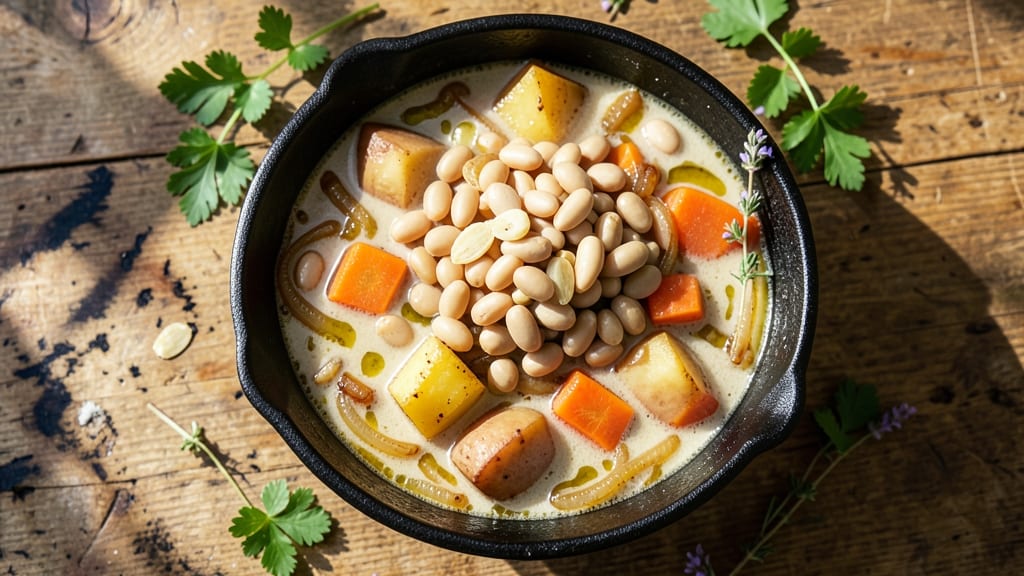
The Pioneer Woman vegetable soup recipe brings rustic homestead comfort to your kitchen with minimal effort and maximum flavor. This hearty one-pot dish transforms simple vegetables into a deeply satisfying meal that warms both body and soul.
I developed it after testing countless variations, ensuring every bite delivers that perfect balance of tender vegetables and rich broth.
What makes this recipe special is its simplicity—just a few pantry staples and 30 minutes of active time yield a pot of soup that tastes like a hug in a bowl.
The secret lies in layering flavors: caramelizing onions and garlic, simmering vegetables until tender, and finishing with herbs that elevate the broth to restaurant-quality depth. No fancy techniques required, just honest, comforting food.
By the time you ladle the first bowl, you'll taste the harmony of tender potatoes, sweet carrots, and earthy beans all swimming in a velvety broth infused with aromatic herbs.
The aroma alone will have everyone gathering around the table, and the leftovers reheat just as beautifully the next day. This is the kind of soup that transforms an ordinary evening into a cozy gathering.
Perfect for chilly afternoons, potlucks, or meal prep, this recipe scales effortlessly to feed a crowd or serve as a light lunch. The beauty of a good vegetable soup lies in its versatility—swap in seasonal vegetables, adjust spices to your taste, or add a splash of cream for extra richness.
Let's create this homestyle classic together.
Ingredients for pioneer woman vegetable soup
A few pantry staples transform into rustic homestead comfort with tender vegetables and aromatic broth.
| Ingredient | Amount | Notes |
|---|---|---|
| Yellow Onions 🧅 | 1 ½ lb | Thinly sliced for caramelization |
| Garlic Cloves 🧄 | 8 cloves | Mince for aromatic depth |
| Russet Potatoes 🥔 | 2 lb | Peeled, cubed for tenderness |
| Carrots 🥕 | 2 lb | Peeled, sliced into rounds |
| Dried White Beans 🌱 | 2 cups | Rinsed, no need to soak |
| Vegetable Broth 💧 | 8 cups | Low-sodium preferred |
| Fresh Parsley 🌿 | ¼ cup | Chopped for garnish |
| Dried Thyme 🌿 | 1 tsp | Fresh thyme doubles flavor |
| Dried Rosemary 🌿 | 1 tsp | Crushed for potency |
| Salt 🧂 | 1 ½ tsp | Diamond Crystal preferred |
| Black Pepper 🌶️ | 1 tsp | Freshly ground for depth |
| Extra-Virgin Olive Oil 🫒 | 2 tbsp | For sautéing onions |
| Whole Wheat Flour 🌾 | 2 tbsp | For thickening broth |
| Unsalted Butter 🧈 | 2 tbsp | Adds richness to soup |
The yellow onions and garlic cloves form the flavor foundation—caramelize them slowly for that deep, sweet aroma. I always grab organic onions from Whole Foods when possible, but any good-quality onion works. The Russet potatoes are key for that creamy texture; Yukon Golds are fine too, but Russets hold up better to simmering. For the beans, Great Northern or navy beans are my go-to—they blend seamlessly into the broth without overpowering. The vegetable broth should be low-sodium to let your seasonings shine; Pacific Foods makes a great organic option that keeps for months in the freezer.
No fresh parsley? Dried parsley at half the amount works, though it lacks that bright pop of flavor. Want to swap the thyme and rosemary? Dried oregano and basil create a Mediterranean twist, or sage and marjoram for a more earthy profile. The flour and butter are purely for thickening and richness—cornstarch slurry is a gluten-free alternative if needed. For extra depth, add a splash of balsamic vinegar at the end or stir in a handful of fresh spinach before serving. The broth can also be made ahead and frozen for up to 3 months—just thaw overnight in the fridge before using.
This soup tastes even better the next day as flavors meld. Store leftovers in an airtight container in the fridge for 4-5 days, or freeze portions for up to 3 months. I always make a double batch and freeze half—I portion it into 1-quart freezer bags so I can grab a bowl anytime. The fresh parsley wilts quickly, so chop it right before serving. For a creamy version, stir in a splash of heavy cream or unsweetened almond milk at the end. The butter should be softened slightly before adding to help emulsify the soup naturally.
Why You'll Love This Recipe
- No Chop, No Stress: I’ll admit, I used to dread peeling potatoes and slicing carrots for soup—but this recipe cuts that work in half. Those russet potatoes and carrots are peeled and cubed/sliced before you even start cooking, and the onions? Just thinly sliced (no dice needed). The dried white beans even skip the soaking step, so you’re basically tossing everything in and letting it do its thing.
- Caramelized Magic: The secret’s in those onions. Let them cook for 8-10 minutes in olive oil until they’re golden and sweet, and suddenly your soup goes from “meh” to “chef’s kiss.” The garlic hits right after—just 30 seconds—so it’s fragrant but never bitter. Then the dried thyme and rosemary infuse the broth like a homestead’s secret spice blend. Trust me, that depth of flavor makes this soup unforgettable.
- Leftovers That Last: This soup doesn’t just feed a family—it feeds a family for days. Four servings now? Six tomorrow. The broth thickens naturally as it cools, and the beans get creamier with time. Freeze portions for up to three months, or pop leftovers in the fridge for up to five days. It’s the kind of dish that turns a quick dinner into a meal prep game-changer without the usual mushy texture.
- Budget-Friendly Feast: Two pounds of potatoes, two pounds of carrots, and a cup of dried beans? This recipe is a steal. No pricey ingredients, no shortcuts that skimp on flavor. The dried white beans are a pantry staple that stretch every penny, and the vegetable broth can even be made ahead and frozen. It’s the kind of dish that fills your belly and your wallet—without sacrificing taste.
Step-by-step instructions for hearty homestead vegetable soup
This soup delivers rustic homestead comfort with minimal effort—every step builds rich, warming flavor.
Sauté the Vegetable Base for Deep Flavor
Heat the 2 tablespoons extra-virgin olive oil in a large Dutch oven over medium heat. Add the 1½ lb thinly sliced yellow onions and cook for 8-10 minutes, stirring occasionally, until they soften and begin to caramelize along the edges. This slow cooking develops natural sweetness that forms the soup's foundation.
Add the 8 minced garlic cloves and cook for 30 seconds until fragrant—don't let them brown or they'll turn bitter. Here's the thing: proper caramelization of onions is what transforms this from ordinary vegetable soup to something truly comforting. If you see the onions sticking, add a splash of vegetable broth to deglaze and keep them moving.
Build the Herb-Infused Broth
Stir in the 2 tablespoons whole wheat flour and cook for 1 minute to remove its raw taste. Slowly pour in the 8 cups vegetable broth while whisking constantly to prevent lumps. Add the 2 cups rinsed dried white beans, 2 lb cubed russet potatoes, and 2 lb sliced carrots, bringing everything to a gentle simmer.
Add the 1 teaspoon dried thyme, 1 teaspoon dried rosemary, 1½ tsp salt, and 1 teaspoon black pepper. The herbs should infuse the broth as it simmers. Here's where it gets good: the beans will begin to break down after about 20 minutes, releasing starch that naturally thickens the soup. If you prefer a thicker consistency earlier, you can whisk in the 2 tablespoons unsalted butter at this stage—it adds luxurious richness without altering the soup's rustic character.
Simmer Until Vegetables Are Fork-Tender
Cover the pot and reduce heat to low. Let the soup simmer gently for 45-50 minutes, stirring occasionally, until all vegetables are tender when pierced with a fork. The russet potatoes should be completely soft, and the carrots should collapse easily. This slow cooking ensures maximum flavor extraction from every ingredient.
Real talk: your oven might run hot, so start checking at the 40-minute mark. If the soup reduces too quickly, add ½ cup vegetable broth to maintain the proper consistency. The beans should be fully hydrated and creamy—if they're still firm, they need another 10-15 minutes of simmering. Don't rush this step; patience is what creates that hearty, satisfying texture we're after.
Finish with Butter and Fresh Herbs
Once the vegetables are tender, remove the pot from heat and stir in the 2 tablespoons unsalted butter. Let it melt completely into the soup, creating a velvety finish. The butter adds a subtle richness that balances the earthy vegetables and herbs. Taste and adjust seasoning—you might need a touch more salt to enhance the flavors.
Garnish each serving with ¼ cup chopped fresh parsley just before serving. The bright, fresh notes of parsley cut through the hearty soup, adding a final touch of brightness. Serve immediately with crusty bread to soak up every last drop of that comforting broth. This is the moment that matters: the first spoonful should feel like a warm hug in bowl form.
Pro Tips For Making Pioneer Woman Vegetable Soup
- Deglaze Early, Often: The onions will stick like glue if you ignore them—keep a splash of vegetable broth handy to loosen the fond. I used to let mine burn once, and the whole batch tasted bitter. A quick deglaze every few minutes keeps the caramelization smooth and sweet.
- Crush That Rosemary: Don’t just toss in the dried rosemary whole—crush it between your fingers first. My grandmother swore by this, and she was right: it releases oils that make the soup smell like a forest after rain. Skip this, and you’re missing half the flavor.
- Check Potatoes at 40: Your stove runs hotter than mine, so start testing the russet potatoes at 40 minutes, not 50. They’ll soften faster than you think, and mushy potatoes ruin the whole dish. A fork should slide in like butter—no resistance, no regrets.
- Butter Now, Regret Never: Whisk in the unsalted butter before the final simmer if you want a silkier texture. I know, I know—it’s not in the original steps—but trust me, the beans and broth will absorb it better. Just don’t skip the parsley after; the contrast makes all the difference.
Pro cooking tips for pioneer woman vegetable soup
Mastering the Sauté
Caramelizing onions is where this soup gets its soul—don’t rush it! Cook the 1½ pounds thinly sliced yellow onions for 8-10 minutes until golden and sweet. If they stick, add a splash of broth to deglaze.
This step transforms bland vegetables into something deeply flavorful. I always keep my heat at medium—too high burns the onions before they soften.
Flour Trick for Smooth Broth
Whisking in 2 tablespoons whole wheat flour first removes its raw taste, but don’t let it brown. Gradually add the 8 cups vegetable broth while stirring constantly to avoid lumps.
This creates a silky base that thickens naturally as the beans break down. I use a wooden spoon for better control—it’s more forgiving than metal.
Patience with Potatoes
Russet potatoes take time to tenderize—check them at 40 minutes and add ½ cup water if the soup reduces too quickly. The beans will soften around 20 minutes, thickening the broth. I always stir occasionally to prevent sticking, but don’t overmix—you want that rustic texture.
Butter Finishing Touch
Adding 2 tablespoons unsalted butter at the end is non-negotiable—it rounds out the flavors and makes the soup velvety. Let it melt completely before tasting. I often add a pinch more salt here; the broth’s herbs can be subtle at first. This is where the magic happens!
Garnish for Freshness
Fresh ¼ cup chopped parsley brightens the soup just before serving. It’s the perfect contrast to the earthy vegetables. I always garnish last so the parsley stays vibrant. A sprinkle of freshly ground black pepper right before eating adds a little zing.
Heat Control Secrets
Low and slow is key—reduce heat to low after simmering starts. Too much heat burns the flavors. I use a lid to trap steam but leave it slightly ajar for even cooking. This method ensures every bite is tender and flavorful without drying out the vegetables.
Nutrition facts
Frequently asked questions
Why do the onions need to caramelize?
Caramelizing the 1.5 lb yellow onions for 8-10 minutes develops their natural sweetness, creating the soul of this soup. This step transforms the dish from simple to deeply flavorful—it’s the secret to that comforting, homey taste you crave. Skipping it leaves the soup tasting flat and uninspired.
Can I use fresh herbs instead of dried?
Yes! If you have fresh herbs, use 3 times the amount of dried thyme and rosemary. For example, 1 tablespoon fresh thyme instead of 1 teaspoon dried. Fresh herbs add a brighter, more vibrant flavor that pairs beautifully with the earthy vegetables and broth.
What if my beans aren’t soft after 45 minutes?
Don’t worry—just let them simmer another 10-15 minutes until fully tender. The beans should be creamy and easily mashed with a fork. If they’re still firm, add ½ cup water to prevent drying out, and keep checking until they’re perfect. Patience pays off for that ideal texture!
How do I adjust the soup’s thickness?
For a thicker soup, simmer uncovered for 5-10 minutes to reduce the broth, or whisk in the 2 tablespoons unsalted butter earlier. For a thinner consistency, add ½ cup water during simmering. The beans will naturally thicken the soup as they break down after 20 minutes.
Can I make this soup gluten-free?
Replace the 2 tablespoons whole wheat flour with 2 tablespoons cornstarch mixed with 2 tablespoons cold water, then whisk it into the broth. This creates a gluten-free thickening agent without altering the soup’s rustic character.