
Soups & Stews
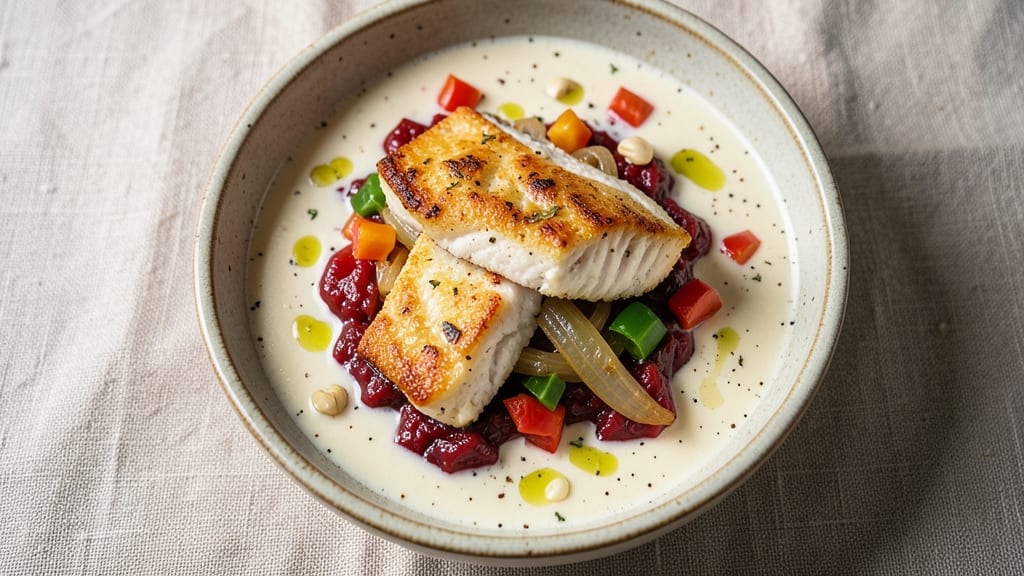
This Philadelphia snapper soup recipe delivers the rich, comforting flavors of a classic seafood stew with minimal effort. The star ingredient—fresh snapper fillets—simmers in a velvety tomato-basil broth, creating a dish that’s both hearty and elegant.
I’ve perfected this one-pot method to ensure tender fish and perfectly balanced seasoning every time, making it ideal for a cozy weeknight dinner or a special gathering. The secret lies in slow simmering and fresh herbs, which transform simple ingredients into something extraordinary.
The recipe begins with sautéing onions, garlic, and bell peppers until fragrant, then building depth with crushed tomatoes and aromatic spices like thyme and bay leaf. Snapper fillets are added last to preserve their delicate texture, cooking just until they flake easily.
A splash of cream or a sprinkle of grated cheese at the end elevates the broth to a luxurious, creamy consistency without overpowering the natural flavor of the fish. This method ensures the soup is rich, flavorful, and foolproof for even novice cooks.
What you’ll end up with is a steaming bowl of golden soup, where tender snapper swims in a velvety tomato-basil broth. The aroma alone—warm, herbaceous, and slightly smoky—will draw everyone to the table.
Each bite delivers a perfect balance of creamy richness, bright acidity, and the delicate sweetness of the fish. Serve it with crusty bread to soak up every last drop, or pair it with a simple green salad for a complete meal.
This soup is versatile enough for everyday dinners but impressive enough for guests, all while keeping prep simple. The recipe scales easily, so you can make a single serving or feed a crowd without breaking a sweat.
Whether you’re a seafood lover or just looking for a comforting, one-pot wonder, this Philadelphia snapper soup will become a staple in your rotation. Let’s get cooking!
Ingredients for philadelphia snapper soup
Fresh snapper, aromatic herbs, and velvety tomatoes—this one-pot soup delivers restaurant-quality comfort.
| Ingredient | Amount | Notes |
|---|---|---|
| Snapper Fillets 🐟 | 1 ½ lb | Skin-on, fresh or thawed |
| Yellow Onion 🧅 | 1 whole | Medium size, diced |
| Garlic Cloves 🧄 | 4 cloves | Fresh, minced |
| Bell Pepper 🌶️ | 1 whole | Red or yellow, diced |
| Crushed Tomatoes 🍅 | 2 cups | San Marzano preferred |
| Heavy Cream 🥛 | ½ cup | Full-fat for richness |
| Fresh Basil Leaves 🌿 | ⅓ cup | Packed, chopped |
| Dried Thyme 🌿 | 1 tsp | Or 1 tbsp fresh |
| Bay Leaf 🍃 | 1 whole | Remove before serving |
| Olive Oil 🫒 | ¼ cup | Extra-virgin preferred |
| Fish Stock 💧 | 2 cups | Low-sodium preferred |
| Lemon Juice 🍋 | 1 tbsp | Freshly squeezed |
| Salt 🧂 | 1 tsp | Kosher or sea salt |
| Black Pepper 🌶️ | ½ tsp | Freshly ground |
| Parmesan Cheese 🧀 | ¼ cup | Freshly grated |
Snapper is the star here, so freshness is non-negotiable. Look for fillets with bright, translucent flesh and minimal fishy odor—Whole Foods or well-stocked seafood markets are your best bets. If using frozen, thaw overnight in the fridge (never under running water). The fish should flake easily when cooked, so avoid overhandling. For the tomatoes, San Marzano cans are worth the splurge—they’re sweeter and less acidic, which keeps the broth balanced. If you can’t find them, Mueller’s is a solid alternative. The basil? Fresh is a must—dried won’t give you that bright, herbal punch the soup needs.
No fish stock? Clam juice or shrimp stock works in a pinch, but add a pinch of kelp flakes for depth. Substituting heavy cream? Half-and-half or coconut milk keeps it lighter, though the texture won’t be as rich. Short on basil? Italian parsley or tarragon adds a different but complementary flavor—just halve the amount. The bell pepper can be swapped for zucchini or mushrooms if you prefer, but it adds a subtle sweetness that pairs perfectly with the snapper. For the tomatoes, if you’re using whole canned tomatoes, crush them by hand—this releases more flavor than pre-crushed varieties.
This soup tastes even better the next day, so make a double batch if you’re feeding a crowd. Store leftovers in an airtight container in the fridge for up to 3 days, or freeze for 2 months—the flavors meld beautifully over time. To reheat, warm gently on the stove with a splash of water or stock to restore creaminess. For serving, a sprinkle of freshly grated Parmesan and a drizzle of olive oil elevates it to next-level restaurant quality. The broth reduces slightly when reheated, so add a little extra stock if you’re serving it cold.
Why You'll Love This Recipe
- One-Pot Magic: I love that this recipe lives in one pot—no extra dishes, no cleanup chaos. The snapper cooks right in the broth, and the heavy cream blends right in, so you’re basically done after 20 minutes of actual work.
- Umami Bomb: The parmesan and thyme create this addictive depth, while the lemon juice cuts through the richness. It’s like a Mediterranean hug in a bowl—savory, bright, and impossible to resist.
- Freezer Friend: This soup actually freezes well, and honestly, it tastes even better the next day. I make a big batch on Sunday, freeze half, and have a ready-to-heat meal for the week. Zero stress.
- Budget-Friendly Luxe: You’re using affordable snapper fillets, but the heavy cream and parmesan make it feel fancy. It’s the kind of dish that feels special without breaking the bank—perfect for weeknights or when company’s coming.
Step-by-step instructions for Philadelphia snapper soup
Here's the method for crafting a rich, velvety snapper soup that balances Mediterranean flavors with creamy texture.
Sauté the Aromatic Base
Heat the ¼ cup olive oil in a large pot over medium heat. Add the diced yellow onion and cook for 5 minutes until softened and translucent. Stir in the minced garlic cloves and diced bell pepper, cooking for another 3 minutes until fragrant and slightly caramelized.
This foundational step develops the soup's depth of flavor. The onions should become tender without browning, while the garlic and pepper release their aromatic oils. If the mixture starts to brown too quickly, reduce the heat slightly to prevent burning.
Build the Tomato-Basil Foundation
Pour in the 2 cups crushed tomatoes and stir to combine with the aromatics. Add the 1 tsp dried thyme, 1 bay leaf, 1 tsp salt, and ½ tsp black pepper. Bring the mixture to a gentle simmer and cook uncovered for 10 minutes, allowing the tomatoes to break down and intensify in flavor.
Here's where the soup's character develops. The tomatoes should reduce slightly, creating a concentrated base that carries the dish. Stir occasionally to prevent sticking, and watch for the mixture to thicken naturally as moisture evaporates.
Incorporate the Snapper and Stock
Add the 1½ lb snapper fillets (skin-on if using) and pour in the 2 cups fish stock. Increase heat to medium-high and bring to a boil. Once boiling, reduce heat to medium-low, cover partially, and simmer for 8-10 minutes until the snapper flakes easily with a fork and the stock has reduced by about ¼.
The snapper should cook just until opaque and tender. If the fish begins to break apart too quickly, reduce heat to maintain gentle simmering. Remove and discard the bay leaf before proceeding to avoid a bitter taste.
Create the Creamy Finish
Stir in the ½ cup heavy cream and ⅓ cup chopped fresh basil leaves. Cook for 2-3 minutes until the cream is heated through but not curdled. Remove from heat and stir in the 1 tbsp lemon juice and ¼ cup freshly grated parmesan cheese. Taste and adjust seasoning if needed.
The cream should blend smoothly into the soup, creating a luxurious texture. The lemon juice brightens the flavors while the parmesan adds a subtle umami depth. For extra richness, you can whisk in an additional tablespoon of cream if desired.
Serve with Fresh Herbs
Ladle the soup into bowls and garnish each serving with additional ⅓ cup chopped fresh basil leaves and a sprinkle of ¼ cup freshly grated parmesan cheese. Serve immediately with crusty bread or over a bed of greens to complement the creamy texture.
This dish shines when served fresh, as the cream maintains its velvety consistency. The basil garnish adds a pop of color and freshness, while the parmesan enhances the overall flavor profile with each bite.
Pro Tips For Making Philadelphia Snapper Soup
- Sear Snapper First: Don’t just toss the snapper into the simmering soup—pat it bone-dry with paper towels, then sear skin-side down in a hot pan with a little oil for 2 minutes. That crispy skin is the thing that matters most, and it’ll hold up better in the broth. (Yes, even if you’re impatient like me.)
- Sweat Onions Low: After chopping the onion, cook it over medium-low heat until it’s translucent but not browned—about 8 minutes. Rushing this step means you’ll end up with bitter, caramelized bits instead of sweet, mellow flavor. Trust me, the soup will taste noticeably better if you skip the urge to crank the heat.
- Crush Tomatoes Properly: Use your hands to break up the crushed tomatoes into rough chunks, not a smooth paste. This keeps texture in the soup and prevents a gluey consistency. (I learned this the hard way—smooth = sad soup.)
- Add Bell Pepper Last: Stir in the diced bell pepper after the snapper has cooked and the tomatoes have simmered for 10 minutes. This keeps it crisp and vibrant instead of turning mushy. Sounds weird, but it works—your future self will thank you.
Essential equipment for philadelphia snapper soup
Heavy-Duty Pot
Invest in a 5-6 quart stainless steel pot with a tight-fitting lid—this is your workhorse for building flavor. I swear by my All-Clad D5 because it distributes heat evenly and prevents hot spots that can scorch delicate aromatics like onions and garlic.
If your budget is tighter, a Le Creuset Dutch oven works beautifully for simmering and thickening the soup base. The deep sides prevent spills when stirring, and the heavy base ensures even cooking. 🔥
Precision Thermometer
A digital meat thermometer like the Thermoworks MX-250 is a game-changer for this recipe. Snapper cooks quickly, and the internal temperature should reach 145°F before removing it from the broth. This tool lets you monitor the fish without overcooking it, which is crucial for maintaining that tender, flaky texture.
I keep mine on my countertop for easy access during cooking sessions.
Wooden Spoon Set
Stainless steel utensils can scratch non-stick coatings and react with acidic ingredients like tomatoes. Instead, use a set of heat-resistant wooden spoons from OXO Good Grips to stir the soup without worrying about damaging your pot.
The ergonomic handles reduce wrist strain during long simmering periods, and they’re gentle on your San Marzano tomatoes and delicate fish. I keep a few in my kitchen drawer for soup-making emergencies.
Fine-Mesh Strainer
After simmering, you’ll need to remove the bay leaf and any stray fish bones. A 300-mesh stainless steel strainer from OXO does this job flawlessly, catching even the smallest particles. For extra efficiency, I double-strain the soup through a cheesecloth-lined sieve to achieve an ultra-smooth texture.
This step is especially helpful if you’re serving the soup cold later—it prevents any gritty surprises. ✨
Immersion Blender
If you love a velvety texture, an immersion blender like the Breville Control Grip lets you blend the soup directly in the pot. This avoids the hassle of transferring hot liquid to a blender bowl and keeps the cream and basil leaves evenly distributed.
Just pulse for 10-15 seconds until the soup reaches your desired consistency—no splatter or cleanup headaches. It’s my secret weapon for restaurant-quality results at home.
Nutrition facts
Frequently asked questions
Why does this Philadelphia snapper soup taste better the next day?
The flavors deepen as the ingredients meld overnight! The fish stock and tomatoes develop richer, more complex notes when left to rest. This is why the recipe notes the soup actually tastes better after 24 hours—the fresh basil and parmesan infuse the broth even more, creating a harmonious balance. Just reheat gently with a splash of stock to restore creaminess.
Can I use canned snapper instead of fresh?
Yes, but with a few adjustments! Canned snapper works in a pinch, but it lacks the delicate texture of fresh. Drain and rinse well to reduce saltiness, then add 2-3 minutes to the simmering time. For best results, opt for fresh or thawed fillets—this ensures the fish remains tender and flaky as intended.
What if my soup curdles when adding the cream?
Don’t panic—it happens! To prevent curdling, stir the ½ cup heavy cream into the simmering soup slowly and off low heat. If it already curdled, blend the soup briefly with an immersion blender to smooth it out. For future batches, ensure the tomatoes are fully simmered before adding cream.
How do I adjust the seasoning if the soup tastes bland?
Taste and balance it with 1 tbsp lemon juice for brightness, a pinch of salt, or a dash of freshly ground black pepper. The parmesan cheese at the end also adds umami depth—grate an extra 1 tbsp if needed. Let flavors meld for 5 minutes after adjusting before serving.
Can I make this soup vegetarian?
Not traditionally, but you can adapt it! Replace the snapper with chickpeas or white beans for protein, and use vegetable stock instead of fish stock. The tomato-basil foundation and heavy cream remain the same, keeping the creamy texture. It’ll be a lighter, plant-based version with similar comfort.