
Soups & Stews
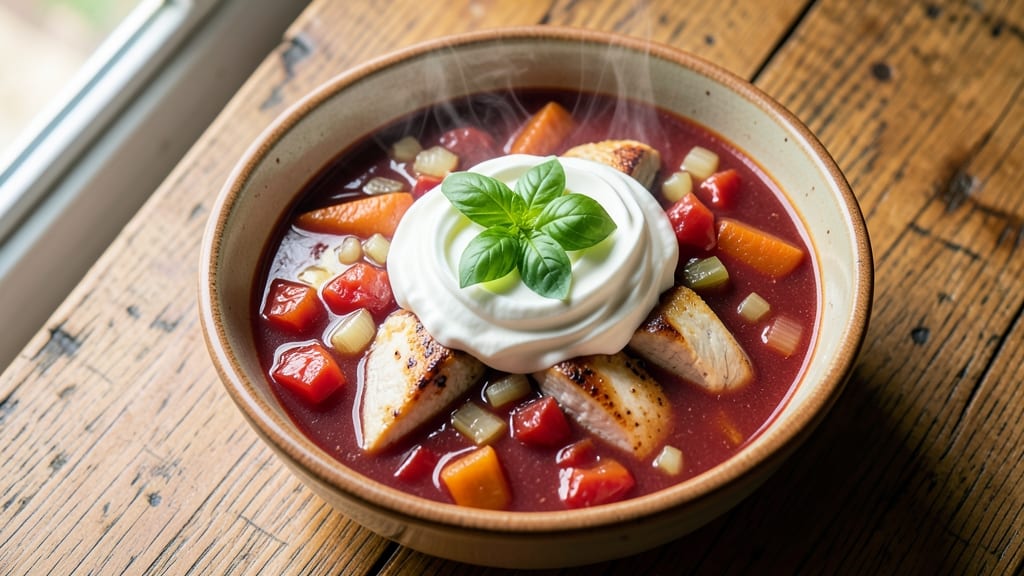
This Olive Garden copycat soup recipe delivers the same velvety tomato basil perfection you know and love—creamy, rich, and packed with fresh basil flavor in every spoonful.
After years of perfecting the technique, I’ve cracked the code to replicating that signature restaurant texture at home, where the broth reduces just enough to coat the noodles without overpowering the tomatoes.
The secret lies in simmering the sauce low and slow, allowing the flavors to develop depth while maintaining that signature creamy consistency.
What sets this recipe apart is the layered approach to flavor—starting with a robust tomato base, then building richness with cream and a touch of butter for that signature velvety finish.
Unlike many copycat recipes that rely on shortcuts, this method mimics the restaurant’s process by cooking the broth and sauce separately before combining them. The result? A soup so authentic, even the most loyal Olive Garden fans won’t notice the difference.
And with just 30 minutes of active time, it’s perfect for a weeknight dinner that feels like a restaurant experience.
The final product is a steaming bowl of creamy tomato basil soup with perfectly al dente noodles, where each bite delivers a balance of tangy tomatoes, aromatic basil, and a velvety broth that clings to every strand.
The aroma alone will have everyone gathering around the table, and the texture—smooth yet substantial—is exactly what makes this dish a comfort food classic. Serve with warm bread for dipping, and you’ve got a meal that rivals the original in every way.
This recipe isn’t just about replicating a dish—it’s about mastering the technique behind it. Whether you’re feeding a family or meal prepping for the week, the method ensures consistent results every time.
The instructions walk you through each step, from building the broth to achieving that signature creamy finish, so you can confidently recreate the restaurant experience at home. Let’s get started on making this copycat classic your new go-to recipe.
Ingredients for olive garden copycat soup
Creamy tomato basil perfection starts with these simple, quality ingredients for restaurant-level soup.
| Ingredient | Amount | Notes |
|---|---|---|
| Canned Diced Tomatoes 🍅 | 28 oz | High-quality canned tomatoes |
| Fresh Basil Leaves 🌿 | 2 cups | Packed, stems removed |
| Chicken Broth 🍲 | 4 cups | Low-sodium preferred |
| Heavy Whipping Cream 🥛 | 1 ½ cups | Full-fat for creaminess |
| Unsalted Butter 🧈 | ½ cup | Cubed, for richness |
| Garlic Cloves 🧄 | 4 cloves | Minced, aromatic |
| Onion 🧅 | 1 whole | Yellow, finely diced |
| Carrot 🥕 | 1 whole | Medium, diced |
| Celery Stalks 🌽 | 2 whole | Finely chopped |
| Salt 🧂 | 1 ½ tsp | Kosher or sea salt |
| Black Pepper 🌶️ | ½ tsp | Freshly ground |
| Pasta 🍝 | 1 ½ lb | Small shells or penne |
| Olive Oil 🫒 | ¼ cup | Extra-virgin for flavor |
| Lemon Juice 🍋 | 1 tbsp | Freshly squeezed |
| Tomato Paste 🍅 | 2 tbsp | For depth of flavor |
The foundation of this recipe lies in the canned tomatoes—opt for San Marzano if you want that authentic Italian depth. Fresh basil is non-negotiable for the signature aroma; Costco often has great bulk bunches, but any vibrant green leaves work. The chicken broth should be low-sodium to control seasoning yourself, and Homestyle brand consistently delivers a clean flavor. For the creaminess, full-fat heavy whipping cream is essential—no shortcuts here. The butter adds richness, so use the good stuff (like Plugrá) to elevate the sauce.
No fresh basil? Dried basil at half the amount works in a pinch, though it lacks the vibrant flavor. Substitute vegetable broth for chicken broth if needed, but add an extra pinch of salt. For the tomato paste, the squeeze tubes from Trader Joe's are convenient and avoid waste. If you’re short on time, pre-diced onions and carrots from the refrigerated section save chopping, though fresh is always better. The garlic should be minced fresh—pre-minced loses potency quickly. And for the pasta, small shells or penne hold the sauce best, but any shape works if that’s what you’ve got.
The broth and sauce keep beautifully for 4-5 days in the fridge, and the soup reheats wonderfully—just stir in a splash of cream if it separates. For freezing, portion the soup into airtight containers and freeze for up to 3 months. I always make an extra batch to freeze, knowing I’ll have a quick meal ready for busy nights. The fresh basil should be added just before serving to preserve its aroma, but the rest of the ingredients store well. The pasta can be cooked ahead and added fresh to the hot soup for the best texture.
Why You'll Love This Recipe
- Butter-Basil Magic: That ½ cup of unsalted butter swirled into the garlic? It’s the secret weapon. The soup goes from "meh" to "I’ll eat this every Tuesday" because the butter turns everything into a velvety hug for your taste buds.
- One-Pot Weeknight Win: No fancy equipment, no cleaning chaos—just one pot, 30 minutes, and you’ve got dinner. The pasta cooks right in the soup, so you’re basically doing half the work while sipping wine.
- Leftover Legend: This soup gets better the next day. I swear it does. The flavors deepen, the cream clings just right, and honestly? Leftovers become my secret weapon for lazy lunches.
- Budget-Friendly Luxury: Full-fat cream, fresh basil, and high-quality tomatoes might sound pricey, but it’s cheaper than takeout and way more satisfying. Plus, the 1.5 lb of pasta stretches it into a crowd-pleaser for less.
Step-by-step instructions for creamy tomato basil soup
This method delivers the signature Olive Garden flavor with a velvety texture and fresh basil aroma.
Sauté the Aromatic Vegetables
Heat the ¼ cup olive oil in a large pot over medium heat. Add the 1 finely diced onion, 1 diced carrot, and 2 finely chopped celery stalks, stirring occasionally for 5 minutes until the vegetables soften and begin to release their natural juices. The mixture should smell sweet and earthy—this is your flavor foundation.
Next, add the ½ cup unsalted butter and 4 minced garlic cloves, cooking for another 2 minutes until the garlic becomes fragrant and lightly golden. This butter infusion creates the rich, velvety base that makes this soup so luxurious. Be careful not to let the garlic burn, as it will turn bitter and overpower the delicate tomato flavors.
Build the Tomato Base
Stir in the 2 tbsp tomato paste and cook for 1 minute, allowing it to deepen in color and develop a slightly caramelized flavor. Then add the 28 oz canned diced tomatoes and 4 cups chicken broth, bringing everything to a gentle simmer. This combination creates a balanced acidity that prevents the soup from becoming overly sweet.
Season with 1½ tsp salt and ½ tsp black pepper, then add the 1 tbsp lemon juice. The lemon brightens the tomato flavors and cuts through the richness of the butter and cream. Let the mixture simmer uncovered for 15 minutes, allowing the flavors to meld together while the vegetables continue to soften.
Cook the Pasta and Finish with Cream
Add the 1½ lb pasta (small shells or penne) to the simmering soup and cook according to package directions, typically 10-12 minutes, until al dente. The pasta should absorb some of the broth but still maintain a slight bite. Drain any excess liquid if needed, but leave about ½ cup of broth in the pot to maintain the soup's consistency.
Reduce heat to low and stir in the 1½ cups heavy whipping cream, whisking gently to combine. The cream should warm through but not boil, as this prevents it from curdling. Taste and adjust seasoning if needed—this is your final opportunity to balance the flavors before adding the basil.
Incorporate Fresh Basil and Serve
Remove the pot from heat and stir in the 2 cups fresh basil leaves, using a wooden spoon to gently fold them into the soup. The basil should be distributed evenly throughout, releasing its bright, aromatic essence. Let the soup sit covered for 5 minutes to allow the basil to infuse the cream without wilting completely.
Ladle the soup into bowls and serve immediately, garnished with additional basil leaves if desired. The texture should be luxuriously creamy with a perfect balance of tomato acidity and herbal brightness—just like the original Olive Garden version. Each spoonful should deliver a harmonious blend of rich, velvety cream and fresh basil aroma.
Pro Tips For Making Olive Garden Copycat Soup
- Sauté Until Sweet: That 5-minute cook time for the onion, carrot, and celery isn’t just about softening—it’s about letting them break down enough to release their natural sugars. I used to rush this and end up with bland veggies. Push through, even if it feels like forever. The deeper the caramelization, the richer the base.
- Salt the Butter First: Toss a pinch of salt into the cubed butter before adding it to the pot. The butter melts faster and infuses the garlic with that salty richness from the start. I learned this the hard way—skipping it means you’ll have to adjust seasoning later, and that’s when the soup tastes flat.
- Whisk the Cream Slowly: When you add the 1.5 cups heavy whipping cream, reduce the heat to low and whisk it in gradually, a little at a time. Stirring too fast or letting it hit high heat will curdle it, and nobody wants lumpy Olive Garden copycat. Think "gentle rain" over "dump-and-stir."
- Reserve Some Basil Water: After washing the 2 cups fresh basil leaves, shake them dry and pour the leftover water into a small bowl. If the soup feels too thick after adding the cream, splash in a teaspoon of that basil water—it thins without diluting flavor. (Yes, even if you’re impatient like me.)
Serving suggestions for olive garden copycat soup
Bread Pairing Essentials
Warm, crusty bread is non-negotiable for dipping into this creamy soup—ciabatta or Italian breadsticks work best because they hold up to the sauce while soaking it up perfectly. I always toast slices of focaccia in the oven for 3-4 minutes at 375°F to enhance their texture and flavor.
The slight crispness contrasts beautifully with the soup’s velvety richness. 🍞
Garnish Elevations
Take your presentation to the next level with a sprinkle of flaky sea salt like Maldon right before serving—it adds a sophisticated finish. Fresh basil leaves torn over the top not only look stunning but also intensify the aroma.
For extra indulgence, drizzle with a touch of truffle oil (just ½ tsp per bowl) to mimic the restaurant’s finishing touch. 🌿
Protein Additions
While the soup is already hearty, adding a side of grilled chicken or crispy prosciutto-wrapped asparagus turns it into a full meal. I like to serve shredded rotisserie chicken on the side for easy assembly. The protein balances the soup’s creaminess while keeping the dish satisfying and well-rounded. 🍗
Side Salad Balance
A light arugula salad with balsamic glaze cuts through the soup’s richness. Toss 4 cups arugula with 2 tbsp olive oil, 1 tbsp balsamic vinegar, and ½ tsp honey for a tangy contrast. The peppery greens cleanse your palate between spoonfuls of soup. ✨
Cheese Board Upgrade
For a more interactive meal, set out a cheese and charcuterie board with options like pecorino Romano, mozzarella balls, and salami slices. The salty, umami flavors pair wonderfully with the soup’s creamy tomato base. I always include crusty baguette slices for extra dipping. 🧀
Make-Ahead Tips
Prep ahead by cooking the pasta and storing it in the fridge for up to 2 days, then add it fresh to the hot soup when ready to serve. This saves time on busy nights.
If you’re meal prepping, freeze individual portions of the soup and reheat gently on the stovetop with a splash of cream to restore creaminess. 🔥
Nutrition facts
Frequently asked questions
Why does this recipe use fresh basil instead of dried?
The fresh basil delivers that signature Olive Garden aroma and vibrant flavor the restaurant is known for. Dried basil lacks the same bright, aromatic essence and can taste earthy or bitter. The recipe calls for 2 cups packed fresh leaves because it infuses the soup with its fullest potential—just like the original!
Can I make this soup without pasta?
While the 1.5 lb pasta (shells or penne) is key for that restaurant-style texture, you can omit it and serve the soup as a broth-based dish. If you skip the pasta, add an extra ½ cup broth to maintain the same creamy consistency. Many diners enjoy it without noodles for a lighter option.
What’s the best way to prevent curdling when adding cream?
Never let the soup boil after adding the 1.5 cups heavy whipping cream—reduce heat to low and stir gently. If it starts to bubble, turn off the heat for 1-2 minutes until calm. The magic is in the slow warming; this keeps the cream smooth and velvety, just like the original recipe.
How do I adjust the seasoning if my broth is low-sodium?
Since the recipe uses low-sodium chicken broth, taste the soup before adding the 1.5 tsp salt and adjust in ¼ tsp increments. The 1 tbsp lemon juice also brightens flavors, so add that first. Trust your palate—this soup is forgiving, and you can always add more salt later!
Can I use vegetable broth instead of chicken broth?
Yes, but expect a slightly different flavor profile. If substituting 4 cups vegetable broth, add an extra ½ tsp salt to compensate for the missing umami. The soup will still be creamy and delicious, though it won’t have the same depth as chicken broth. The butter and cream will still shine through!