
Soups & Stews
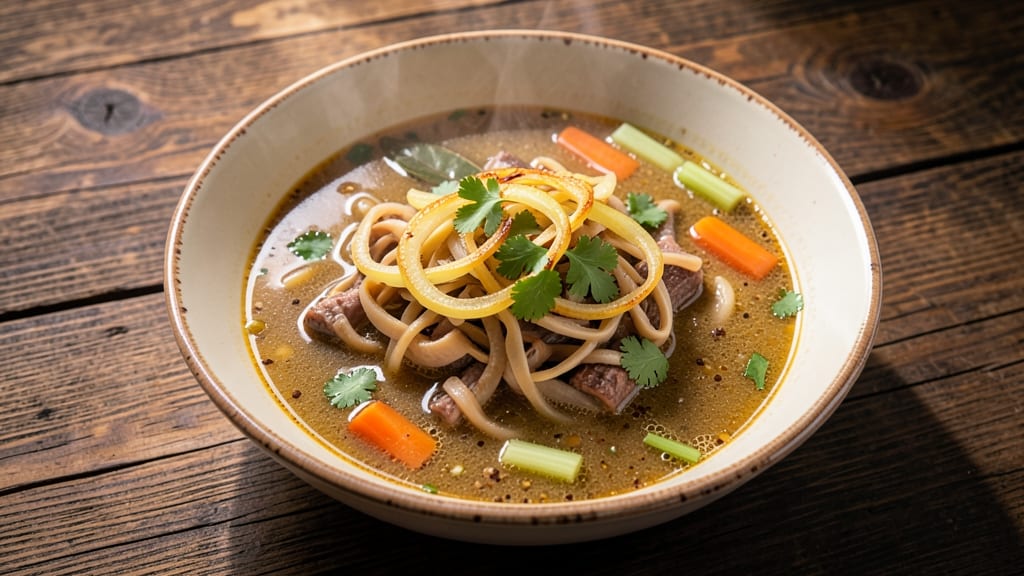
This Mexican tripe soup recipe delivers the rich, comforting flavors of a traditional Mexican home-cooked meal, where chewy tripe transforms into fork-tender bites through slow simmering. The secret lies in proper preparation—cleaning and blanching the tripe before cooking removes impurities while preserving its signature texture.
What sets this recipe apart is the layered broth, built with aromatic vegetables, warm spices, and optional meat bones for depth that rivals any restaurant version.
The result is a hearty soup where tender tripe floats in a savory, slightly spiced broth that balances earthy flavors with bright acidity from lime and fresh cilantro. Unlike many versions that rely on shortcuts, this method ensures the tripe stays tender while developing complex, caramelized notes from slow cooking.
The process may require patience, but the reward is a bowl of soup that feels like a warm embrace—perfect for chilly evenings or family gatherings.
Serve this soup with warm tortillas for dipping, a side of steamed rice to soak up every drop, and fresh garnishes like sliced avocado or pico de gallo for a complete Mexican meal experience.
The recipe scales easily—whether you're feeding a crowd or meal prepping for the week, the flavors only deepen with time. Let's get started on creating this restaurant-quality dish at home.
For those new to tripe, don't be intimidated—the key steps are simpler than they seem, and the final result makes the effort worthwhile. The soup's versatility means it works as a standalone dish or alongside grilled meats and beans for a full fiesta-style spread.
Each bite delivers that perfect balance of texture and flavor that defines authentic Mexican comfort food.
Ingredients for mexican tripe soup
A hearty Mexican tripe soup requires just a few quality ingredients and patience.
| Ingredient | Amount | Notes |
|---|---|---|
| Beef Tripe (Cleaned and Trimmed) 🥩 | 2 ½ lb | Blanched before cooking |
| Beef Bones (Optional, for Depth) 🍲 | 1 lb | Marrow or knuckle bones |
| Onion (Yellow or White) 🧅 | 2 whole | Thickly sliced |
| Garlic Cloves 🧄 | 6 cloves | Unpeeled for slow release |
| Celery Stalks 🌿 | 4 pieces | Chopped into chunks |
| Carrots 🥕 | 3 whole | Peeled and chopped |
| Dried Lard or Beef Fat 🧈 | ¼ cup | For browning tripe |
| Chili Powder 🌶️ | 1 ½ tbsp | Smoked or mild variety |
| Ground Cumin 🌿 | 1 tbsp | Toasted for depth |
| Dried Oregano 🍃 | 1 tsp | Mexican oregano preferred |
| Salt 🧂 | 1 ½ tsp | Kosher or sea salt |
| Black Peppercorns 🌶️ | 1 tsp | Freshly cracked |
| Lime Juice 🍋 | ¼ cup | Freshly squeezed |
| Fresh Cilantro 🌿 | ½ cup | Chopped for garnish |
| Water or Beef Broth 💧 | 8 cups | Low-sodium preferred |
The tripe is the star, so source it from a trusted butcher—look for cleaned and trimmed pieces that have been blanched to remove impurities. Mercado or local Mexican markets often carry pre-cleaned tripe, but if you're buying raw, ask the butcher to blanch it for you. The beef bones, when included, add unparalleled depth—marrow or knuckle bones work best, as they render fat slowly for a rich broth. If you're new to tripe, don't skip the blanching step—it's what transforms tough tripe into tender, chewy bites that define this dish.
No beef bones? Use extra beef broth to compensate for depth, or add a splash of Worcestershire sauce for umami. Substituting dried oregano for fresh is fine, but use half the amount since dried herbs are more concentrated. The chili powder should be smoked or mild—avoid hot varieties unless you want a spicy kick. For the onions and garlic, leaving the garlic unpeeled until browning keeps the flavor locked in longer. And if you're short on time, pre-chopped celery and carrots from the grocery store work just fine—just rinse them well.
This soup tastes even better the next day, so make it ahead and let the flavors meld. Store in an airtight container in the fridge for up to 5 days, or freeze portions for 3 months. To reheat, simmer gently on the stove—microwaving can make the tripe tough. The lime juice and cilantro should be added just before serving to preserve their bright flavors. For a restaurant-quality finish, skimming the fat after browning the tripe ensures a cleaner broth without sacrificing richness.
Why You'll Love This Recipe
- No-Fuss Simmer: I love that this soup practically makes itself after the initial prep. The blanching step takes just 15 minutes, and browning the tripe in batches with beef fat? That’s the only hands-on part, and it’s honestly satisfying—like making a perfect sear. The rest is just waiting while the flavors meld, so you’re free to do anything else while dinner happens.
- Lime-Kissed Depth: That little splash of fresh lime juice at the end? Game-changer. It cuts through the richness of the beef fat and tripe, balancing the smoky chili powder and toasted cumin into something bright and complex. The garlic cloves, left unpeeled for slow release, add a subtle sweetness that makes every spoonful sing.
- Leftovers That Last: This soup is that kind of dish—better the second day. The flavors deepen as it sits, and the tripe gets even more tender. I pack it for lunches, freeze portions for lazy nights, or reheat a bowl when I’m craving something hearty but don’t want to cook. It’s the ultimate meal-prep hero, especially when you’ve got a busy week ahead.
- Budget’s Best Kept Secret: Tripe might sound fancy, but it’s one of the most affordable cuts out there, and beef bones? Even cheaper. You’re getting rich, umami-packed broth and chewy, flavorful tripe for a fraction of what takeout costs. Plus, the dried lard or beef fat you use for browning? That’s just fat rendered from other cuts—no waste, just pure flavor efficiency.
Step-by-step instructions for Mexican tripe soup
Here's the method to achieve perfectly tender tripe with rich, aromatic broth every time.
Blanch the Beef Tripe
Start by placing the 2½ lb beef tripe (cleaned and trimmed) in a large stockpot. Cover it completely with 8 cups water or beef broth and bring to a boil over high heat. Once boiling vigorously, reduce heat to medium-high and let it simmer for 15 minutes. This blanching step removes impurities and prepares the tripe for browning.
After 15 minutes, drain the tripe and rinse it thoroughly under cold water. This removes any remaining scum and prepares it for the next critical step. The tripe should now be clean and ready for browning—this ensures it develops that desirable chewy texture rather than becoming tough.
Brown the Tripe and Build the Base
Heat a large Dutch oven over medium-high heat until hot. Add the ¼ cup dried lard or beef fat and let it melt completely. Add the blanched tripe in a single layer, working in batches if needed, and let it brown undisturbed for 3-4 minutes per side until deeply golden. This browning creates a rich foundation for the soup's flavor.
Once the tripe is browned, remove it from the pot and set aside. In the same pot, add the 1 lb beef bones (optional) if using, and let them brown for 5 minutes to develop additional depth. Add the 2 thickly sliced onion (yellow or white), 4 chopped celery stalks, and 3 peeled and chopped carrots. Cook for 5 minutes until the vegetables soften slightly.
Toast the Aromatics and Seasonings
Add the 6 unpeeled garlic cloves, 1½ tbsp chili powder, 1 tbsp ground cumin, 1 tsp dried oregano, 1½ tsp salt, and 1 tsp black peppercorns to the pot. Stir well to combine and toast for 2 minutes until fragrant. This step unlocks the full flavor potential of the spices and garlic, ensuring they infuse the broth deeply.
Pour in the 8 cups water or beef broth and return the browned tripe to the pot. Bring to a boil, then reduce heat to low and let it simmer uncovered for 2 hours. The tripe should become tender but still retain its chewy texture—this is the hallmark of a well-made Mexican tripe soup. Skim off any foam that rises to the surface during the first 30 minutes of simmering.
Finish and Serve
Once the tripe is tender, stir in the ¼ cup lime juice and ½ cup chopped fresh cilantro. Simmer for an additional 5 minutes to allow the lime to brighten the flavors and the cilantro to release its aroma. Taste and adjust seasoning if needed—this is where you can balance the acidity and saltiness to your preference.
Serve the soup immediately, garnished with additional cilantro if desired. The tripe should be fork-tender yet still hold its shape, with a rich, spiced broth that perfectly complements its chewy texture. Each bowl delivers hearty, satisfying flavor with every spoonful.
Pro Tips For Making Mexican Tripe Soup
- BROWN THE TRIPE RIGHT: That 3-4 minutes per side isn’t just for looks—it’s where the deep, meaty flavor hides. I used to rush it, and the soup always tasted flat. Get it golden-brown, even if it means working in batches. The patience pays off in every spoonful.
- TOAST THE CUMIN FIRST: Sounds weird, but it works: Toast the 1 tbsp ground cumin in the pot for 30 seconds before adding the garlic and chili powder. My grandmother swore by this, and she was right—the aroma becomes way more complex, like the difference between black coffee and cold brew.
- SKIM LIKE YOUR SOUP’S LIFE DEPENDS ON IT: The first 30 minutes of simmering? That’s when the scum rises, and if you skip skimming, your broth will taste bitter. Use a fine-mesh skimmer, and don’t half-ass it—this is the thing that matters most for a clean, rich flavor.
- USE MARROW BONES FOR RICHNESS: If you’re using the optional 1 lb beef bones, marrow bones melt into the broth like liquid gold. I was skeptical until I tried it—the soup goes from good to unexpectedly luxurious with that extra depth. No need to add extra fat; the marrow does the work.
Pro cooking tips for mexican tripe soup
Mastering the Blanch
This is where the magic starts—proper blanching transforms tough tripe into tender, chewy perfection. I always use 8 cups water or low-sodium beef broth to cover the 2½ lb cleaned tripe completely.
The key is bringing it to a rolling boil first, then simmering for exactly 15 minutes at medium-high heat. This removes impurities while keeping the tripe's texture intact. After blanching, I rinse it under cold water to shock it—this stops the cooking process and makes browning easier.
Skipping this step is a common mistake that leads to tough tripe. 💡
Browning Like a Pro
For that deep, caramelized flavor, I use a Dutch oven and ¼ cup dried lard or beef fat to render the tripe in batches. Let each piece brown undisturbed for 3-4 minutes per side until golden—this creates the Maillard reaction that gives your soup its rich depth.
I remove the tripe and let the bones (if using) brown for 5 minutes to develop umami. The vegetables go in next, cooking for just 5 minutes—don't let them burn or they'll turn bitter. This step builds the flavor foundation that makes the soup sing. 🔥
Spice Toasting Secrets
Never skip toasting your spices! I add the 6 unpeeled garlic cloves, 1½ tbsp chili powder, 1 tbsp cumin, and 1 tsp oregano to the pot and toast them for 2 minutes until fragrant.
This unlocks their full flavor potential—dried spices release their oils when heated, which infuse the broth deeply. I also crack the 1 tsp black peppercorns fresh for maximum punch. Toasting spices is what separates good soup from great soup. 🌿
Simmering with Precision
The 2-hour simmer at low heat is where patience pays off. I reduce the heat to the lowest setting and keep the lid off to allow evaporation, which concentrates the flavors. The tripe should become fork-tender but still hold its shape—this chewy texture is what makes Mexican tripe soup special.
I skim off any foam that rises in the first 30 minutes to keep the broth clear. If you lift the lid too often, you'll lose heat and extend cooking time unnecessarily. 🌡️
Final Touches That Elevate
Timing is everything for the final additions. I stir in the ¼ cup lime juice and ½ cup cilantro only in the last 5 minutes of cooking. This preserves their bright flavors—adding them too early makes the soup taste flat.
Taste and adjust seasoning with salt or a pinch of chili powder if needed. I always serve it immediately with extra garnishes, but if you must store it, add lime and cilantro just before reheating to keep the flavors vibrant. 💛
Nutrition facts
Frequently asked questions
Why does my tripe need to be blanched before cooking?
Blanching removes impurities and tough fibers that can make tripe bitter or rubbery. The 15-minute simmer in water or broth softens the texture while keeping it chewy—not mushy. Skipping this step often results in tough tripe that doesn't brown properly. Think of it as pre-cooking to ensure perfect tenderness later!
How do I know when the tripe is done?
After 2 hours of simmering, the tripe should be fork-tender but still hold its shape—like a well-cooked steak. Press a piece gently with a fork; if it gives slightly but doesn't fall apart, it's perfect. Overcooking turns it mushy, while undercooking leaves it chewy but tough. Taste a small piece to check the balance of flavors too!
Can I substitute dried cilantro for fresh?
You can, but the flavor won't be as vibrant. ½ cup fresh cilantro adds bright, citrusy notes that dried cilantro can't replicate. If you're short on time, use 1 tablespoon dried cilantro (½ the fresh amount) and add it at the end like the recipe suggests. The lime juice still helps brighten the broth, though!
What if I don’t have beef bones?
No problem! The 1 lb beef bones add depth, but you can skip them and use 1 extra cup of beef broth instead. For extra richness, add a splash of Worcestershire sauce or a pat of butter when finishing. The soup will still be flavorful—just a little lighter. The key is balancing the spices well!
Why does the recipe say to skim foam during cooking?
Skimming removes impurities that rise to the surface during the first 30 minutes of simmering. This keeps your broth clear and prevents a soapy or bitter taste. Use a slotted spoon or fine-mesh skimmer—don’t rush it! Cleaner broth means cleaner flavor, especially when you’re aiming for that restaurant-quality taste.