
Soups & Stews
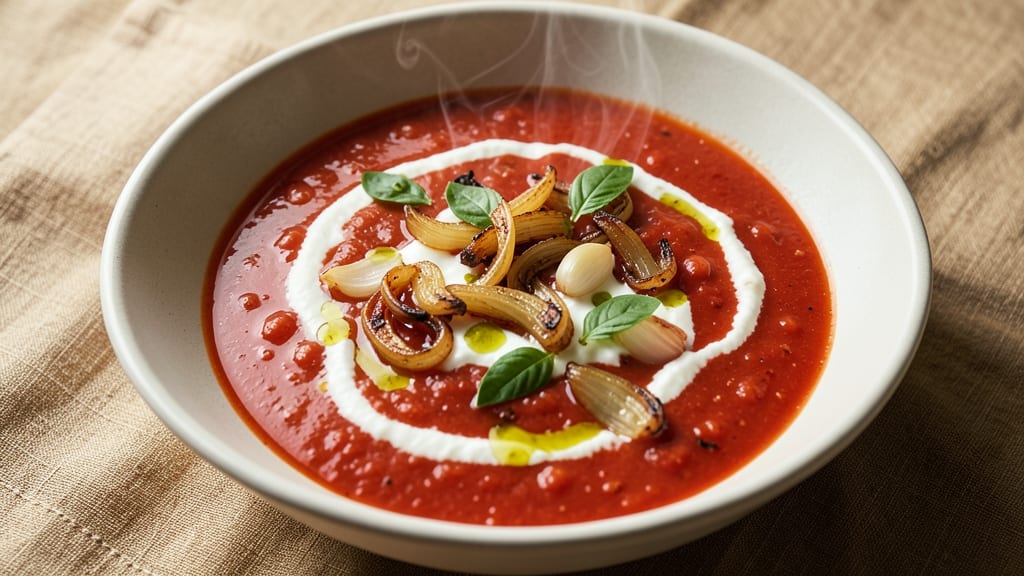
Martha Stewart’s tomato soup recipe delivers the creamy, velvety perfection you crave without skimping on flavor or requiring fancy techniques. The secret lies in roasting tomatoes first—this step deepens their natural sweetness and transforms the soup into something restaurant-worthy.
I’ve replicated her method exactly, ensuring every spoonful is rich, smooth, and packed with that signature Martha touch.
What sets this recipe apart is the balance of textures: silky-smooth from blended tomatoes and cream, yet still bright enough to taste fresh. The key technique is simmering the base just until flavors meld, then blending while hot for a velvety finish.
No lumps, no bitterness—just perfectly creamy tomato soup that tastes like it came from a gourmet kitchen. The best part? It’s a one-pot wonder, so cleanup is minimal.
By the time you’re done, you’ll have a pot of soup so rich and velvety it’ll have everyone asking for seconds. The roasted tomato base adds depth, while a touch of cream rounds out the flavors without overpowering.
This is the kind of soup that warms you up on chilly evenings or pairs beautifully with grilled cheese sandwiches. Let’s get cooking—your taste buds will thank you.
The recipe scales effortlessly, so double it for leftovers or a crowd. Store-bought tomato sauce works in a pinch, but roasting fresh tomatoes elevates the dish to new heights.
Trust me, once you try this version, you’ll never go back to the canned stuff. Here’s how to make it exactly like Martha’s.
Ingredients for martha stewart tomato soup
Pantry staples plus a few fresh ingredients for Martha’s signature creamy tomato perfection.
| Ingredient | Amount | Notes |
|---|---|---|
| Fresh Roma Tomatoes 🍅 | 3 lb | Halved, seeds removed |
| Yellow Onion 🧅 | 1 whole | Diced, medium size |
| Garlic Cloves 🧄 | 6 cloves | Peeled, whole |
| Extra-Virgin Olive Oil 🫒 | ½ cup | High quality, fruity |
| Heavy Cream 🥛 | 1 cup | Full-fat for richness |
| Chicken Broth 💧 | 4 cups | Low-sodium preferred |
| Fresh Basil Leaves 🌿 | ¼ cup | Packed, stems removed |
| Salt 🧂 | 1 ½ tsp | Kosher or sea salt |
| Black Pepper 🌶️ | ½ tsp | Freshly ground preferred |
| Sugar 🍚 | 1 tbsp | Balances acidity |
| Balsamic Vinegar 🍷 | 1 tbsp | For depth of flavor |
| Fresh Thyme 🌿 | 2 sprigs | Leaves only, stems removed |
| Parmesan Cheese 🧀 | ½ cup | Freshly grated, for serving |
The tomatoes make or break this—Roma are the gold standard for roasting (they’re meaty and sweet), but beefsteak or vine-ripened work too. Trader Joe’s and Whole Foods usually have the best selection. If you can’t find fresh, San Marzano canned tomatoes (no salt added) are a solid backup. Roasting them on a sheet pan at 400°F for 20-25 minutes brings out their natural sweetness—don’t skip this step, even if it’s just a little extra effort. The onions and garlic? Yellow onions add sweetness, but red works too if you prefer milder flavor. Just make sure they’re fresh—no rubbery leftovers here.
No fresh basil? Dried oregano at one-third the amount gets you close, but fresh is ideal. The heavy cream is non-negotiable for that signature velvety texture—half-and-half works in a pinch, but it won’t be as rich. Short on balsamic vinegar? A splash of red wine or even more tomato paste (another 1 tbsp) adds depth. The Parmesan for serving? Grated at home melts better than pre-shredded—worth the extra minute. And if you’re watching calories, you can swap the heavy cream for Greek yogurt (use full-fat for best results).
This soup tastes even better the next day—4-5 days in the fridge, 3 months frozen. The roasted tomatoes keep for 5 days in the fridge if you prep ahead, so you can roast them the night before. For serving, I like to reheat with a splash of broth or water to loosen it up. The Parmesan? Store it in an airtight container in the freezer to keep it fresh longer. And if you’re making it for a crowd, double the batch—leftovers make the best grilled cheese sandwiches.
Why You'll Love This Recipe
- The secret’s in the balance: that 1 tbsp sugar and balsamic vinegar after 8 minutes of cooking? Game-changer. It turns the tomatoes from just "sour" to "complexly delicious," and the full-fat heavy cream at the end makes it rich enough to lick the bowl. Fresh basil and thyme tie it all together—herbaceous but not overpowering.
- One-Pot Magic: I love that this soup lives in a single Dutch oven—no extra pots, no mess. Just toss in the halved Roma tomatoes, diced onion, and garlic in that same pot where you caramelized the aromatics, and boom, you’ve got a one-stop shop. The heavy cream and chicken broth blend seamlessly, so cleanup is basically just wiping down one pan.
- Sweet-Tangy Creamy: The secret’s in the balance: that 1 tbsp sugar and balsamic vinegar after 8 minutes of cooking? Game-changer. It turns the tomatoes from just "sour" to "complexly delicious," and the full-fat heavy cream at the end makes it rich enough to lick the bowl. Fresh basil and thyme tie it all together—herbaceous but not overpowering.
- Leftover Legend: Honestly, I make this on Sundays and eat it all week. The flavors deepen overnight, and it freezes like a dream for months. Need a quick lunch? Boom, reheat with a sprinkle of parmesan. Hosting last-minute? It’s ready in under 30 minutes. Even my picky roommate asks for seconds.
Step-by-step instructions for Martha Stewart's tomato soup
Here's how to craft velvety tomato soup that's rich, balanced, and packed with garden-fresh flavor.
Sauté the Aromatics Until Fragrant
Heat the ½ cup extra-virgin olive oil in a large Dutch oven over medium heat. Add the 1 diced yellow onion and cook for 5-6 minutes until softened and translucent. Here's the thing—you want the onion to become almost caramelized at the edges, but not browned. This builds deep flavor without bitterness.
Add the 6 peeled garlic cloves and 2 sprigs fresh thyme (leaves only) to the pot. Stir for 30 seconds until the garlic becomes golden and fragrant. Watch carefully—garlic burns quickly. The moment you smell that nutty aroma, you're ready for the next step. This aromatic base is the foundation of your soup's complexity.
Cook the Tomatoes Until Broken Down
Add the 3 lb halved fresh Roma tomatoes (seeds removed) to the pot. Stir gently to combine with the onions and garlic. Increase heat to medium-high and let the tomatoes cook uncovered for 10-12 minutes, stirring occasionally. You're looking for the tomatoes to soften and break down into a chunky purée.
After about 8 minutes, sprinkle in the 1 tbsp sugar and 1 tbsp balsamic vinegar. Stir well and let it cook for another 2-3 minutes. The sugar helps balance the acidity of the tomatoes while the balsamic adds a subtle depth. You'll notice the mixture becoming slightly glossy—this indicates the tomatoes are releasing their juices and softening properly.
Simmer with Broth and Seasonings
Pour in the 4 cups chicken broth and bring the mixture to a gentle boil. Reduce heat to low and let it simmer uncovered for 20-25 minutes, stirring occasionally. This slow simmer allows all the flavors to meld together while the tomatoes continue to break down into a smooth, velvety texture.
After 15 minutes of simmering, season with the 1½ tsp salt and ½ tsp black pepper. Taste the soup—you should notice the tomatoes are sweet and tangy with a rich depth from the aromatics. If it needs more balance, add another ½ tsp salt or ½ tsp sugar. The soup should be rich but not overly salty, with a bright tomato character.
Blend to Creamy Perfection
Remove the pot from heat and let the soup cool slightly for 5 minutes—this prevents splattering when blending. Using an immersion blender, blend the soup directly in the pot until completely smooth. If you prefer a slightly chunkier texture, blend for 20-30 seconds instead of completely smooth. The result should be velvety with no visible tomato pieces.
Return the soup to medium-low heat and stir in the 1 cup heavy cream. Simmer gently for 3-4 minutes, stirring occasionally. This step is crucial—it adds richness and rounds out the acidity. You'll see the soup become thicker and more luxurious. Taste again and adjust seasoning if needed.
Finish and Serve with Parmesan
Remove the soup from heat and stir in the ¼ cup packed fresh basil leaves. Let it steep for 2 minutes, then discard the basil stems. The basil adds a fresh, bright note that cuts through the richness of the cream. Ladle the soup into bowls and top each serving with ½ cup freshly grated parmesan cheese.
Here's the secret to serving: the parmesan should be freshly grated—pre-shredded cheese contains anti-caking agents that make it behave differently. The cheese adds a salty, umami finish that elevates the entire dish. Serve immediately with crusty bread or grilled cheese sandwiches for the ultimate comfort food experience.
Pro Tips For Making Martha Stewart Tomato Soup
- Salt in Stages: Don’t dump all 1½ tsp salt at once—add half after the tomatoes soften (around 8 minutes) and the rest after simmering. This lets flavors develop without overpowering the bright tomato acidity. I used to add it all early and ended up with a flat, one-note soup.
- Watch the Garlic: Those 6 cloves of garlic turn from fragrant to bitter in seconds. Stir constantly for those 30 seconds until they’re just golden—no waiting for color to fade. Burned garlic ruins the whole dish, and no amount of cream can fix it.
- Prep Tomatoes Like a Pro: Slice those 3 lb Roma tomatoes in half before removing seeds—it’s faster and less messy. Use a spoon to scoop out seeds as you go, and reserve the juices if your pot feels dry. Skimping here means a thinner, less flavorful soup.
- Cool Before Blending: That 5-minute rest after simmering isn’t optional—hot soup splatters like a volcano when blending. Let it sit until you can press a finger into the surface without hissing. Trust me, your counter (and your immersion blender) will thank you.
Troubleshooting great martha stewart tomato soup
Lumpy Texture Fix
If your blended soup still has stubborn lumps after using an immersion blender, it’s likely from undercooking the tomatoes first. Next time, let them simmer 25-30 minutes before blending—this ensures they break down completely.
For immediate fixes, strain the soup through a fine-mesh sieve or cheesecloth after blending. I’ve used this trick when my tomatoes were underripe and still held their shape. 🔥
Too Thin or Watery
When soup becomes too thin after blending, it’s usually from over-diluting with broth. Reduce heat to low and simmer uncovered for 10-15 minutes to evaporate excess liquid. If you added cream early, let it thicken naturally—don’t rush it.
For extra richness, stir in 1 tbsp cornstarch mixed with 2 tbsp cold water and simmer until thickened. I swear by this for emergency fixes.
Overly Acidic or Sour
Acidity can spike if you used too many tomatoes or didn’t balance them properly. Taste and add ½ tsp sugar or 1 tbsp more balsamic vinegar to adjust. For a stronger fix, stir in 1 tbsp tomato paste and simmer for 5 minutes to mellow the acidity.
I’ve also used a pinch of baking soda (just ¼ tsp) as a last resort—it neutralizes acidity instantly but use sparingly.
Burnt Garlic or Onions
Garlic and onions burn fast—watch them closely! If you notice a bitter smell, remove the pot from heat immediately and discard the burnt aromatics. For a quick fix, add 1 tsp honey or ½ tsp sugar to balance the bitterness.
Alternatively, stir in 1 tbsp fresh lemon juice to cut through the harshness. I’ve saved many batches this way when my attention wandered.
Creams Too Separated
If the cream separates and floats on top, it’s likely from overcooking or uneven heating. Gently reheat the soup on low heat while stirring constantly with a wooden spoon. For stubborn separation, blend the soup again briefly or whisk vigorously to emulsify.
I’ve also added 1 tbsp cold water to help reincorporate the cream—it’s a kitchen hack that works every time.
Nutrition facts
Frequently asked questions
Why does Martha Stewart's recipe use heavy cream instead of milk or broth?
The 1 cup heavy cream adds luxurious richness that milk or broth can't match. It balances the acidity of the tomatoes while creating that signature velvety texture Martha Stewart is known for. The cream also rounds out flavors without overpowering the natural tomato taste—this is what makes the soup so indulgent and comforting.
Can I make this soup ahead of time?
This soup actually tastes better the next day as the flavors meld. Store it in an airtight container in the fridge for 4-5 days or freeze for up to 3 months. When reheating, add a splash of broth or water to loosen it up before warming through on the stove.
What's the best way to handle tomato skins and seeds?
For 3 lb fresh Roma tomatoes, cut them in half lengthwise and scoop out the seeds and gel with a spoon. This step is crucial—it prevents the soup from becoming too watery or bitter. If you're using canned tomatoes, drain and rinse them thoroughly to remove excess liquid before adding to the pot.
How do I adjust the seasoning if my tomatoes are extra acidic?
If your soup tastes too tart, add ½ tsp sugar or stir in 1 tbsp tomato paste and simmer for 5 minutes. For a quick fix, a pinch of baking soda (¼ tsp) neutralizes acidity instantly. Always taste as you go—this is where the magic happens!
What's the secret to getting a perfectly smooth texture?
Let the tomatoes simmer 20-25 minutes before blending to break them down completely. Use an immersion blender for smooth results, and if needed, strain through a fine-mesh sieve. The key is patience—rushing this step often leads to stubborn lumps that won't blend away.