
Main Courses
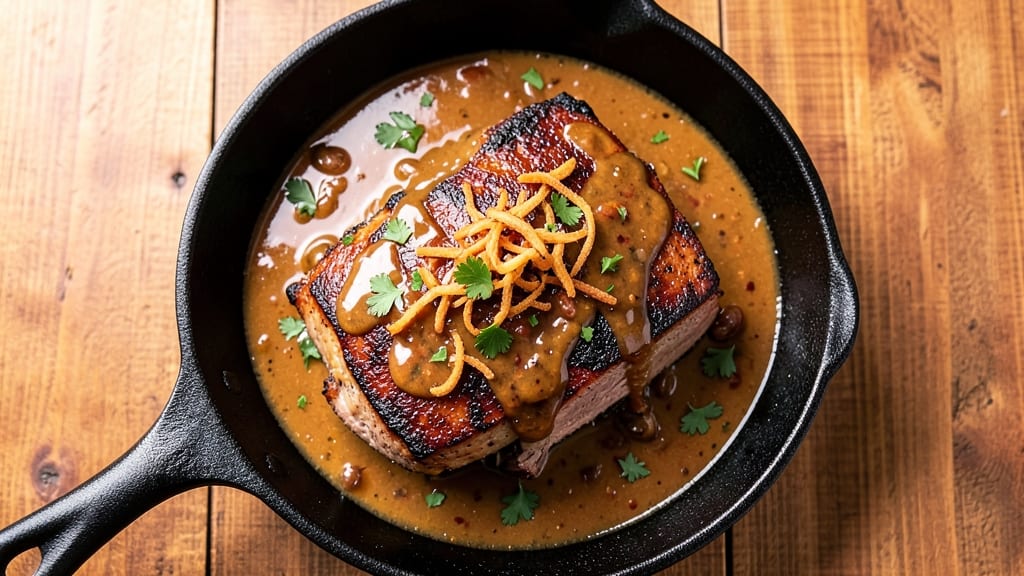
Transforming a tough cut of brisket into melt-in-your-mouth perfection starts with this Lipton Onion Soup brisket recipe, where the iconic soup mix becomes the secret weapon for deep, caramelized flavor.
The rich umami notes from the onion soup blend infuse every bite, creating a tender, saucy brisket that rivals professional barbecue. I developed this method after years of experimenting with slow-cooked techniques, and it consistently delivers restaurant-quality results at home.
The beauty of this approach lies in its simplicity—just a few pantry staples and 3-4 hours of hands-off cooking time transform a simple brisket into something extraordinary.
The Lipton Onion Soup Mix serves as both a flavor base and a tenderizing agent, breaking down the meat while creating a glossy, savory sauce. Whether you're using a slow cooker, smoker, or oven, the technique remains the same: patience and precise seasoning.
What you'll end up with is brisket that's fork-tender with a deep, complex flavor profile—caramelized edges, juicy centers, and a sauce so rich it clings to every bite. The aroma alone will have everyone gathering around the table, and the texture is impossible to resist.
This is the kind of dish that turns weeknight dinners into memorable meals without requiring hours of prep work.
Pair it with classic sides like creamy mashed potatoes, buttery cornbread, or a crisp green salad to complete the meal. The brisket's bold flavors stand up beautifully to these accompaniments, making it perfect for family gatherings or special occasions. Let's get started on creating this showstopping centerpiece!
Ingredients for lipton onion soup brisket
A few pantry staples transform tough brisket into restaurant-quality melt-in-your-mouth perfection.
| Ingredient | Amount | Notes |
|---|---|---|
| Packaged Brisket 🥩 | 3 lb | Beef brisket, whole packer cut |
| Lipton Onion Soup Mix 🧅 | 2 tbsp | Dry onion soup mix |
| Beef Broth 💧 | 2 cups | Low-sodium preferred |
| Brown Sugar 🍯 | ½ cup | Light or dark variety |
| Apple Cider Vinegar 🍎 | ¼ cup | For tangy depth |
| Worcestershire Sauce 🍶 | 2 tbsp | Full-strength preferred |
| Black Coffee ☕ | 1 cup | Cold or hot brewed |
| Yellow Onion 🧅 | 1 whole | Sliced for initial sear |
| Garlic Cloves 🧄 | 4 cloves | Minced for flavor base |
| Olive Oil 🫒 | 2 tbsp | For searing |
| Kosher Salt 🧂 | 1 ½ tsp | Diamond Crystal preferred |
| Ground Black Pepper 🌶️ | 1 tsp | Freshly cracked |
| Fresh Thyme 🌿 | ¼ cup | Chopped sprigs |
The brisket is the star here—look for a 3-pound packer cut with good marbling at Kroger or Costco for the best value. Trim any hard fat, but leave the flavorful layers. The Lipton Onion Soup Mix is non-negotiable—it's what gives this brisket its signature depth. I always buy the classic yellow packet from the soup aisle, not the single-serving cups. For the coffee, Folgers or Maxwell House work perfectly—no need for fancy brews. The brown sugar should be packed, not domed—this ensures proper caramelization during cooking.
No Lipton Onion Soup Mix? Substitute 2 tbsp each of onion powder and beef bouillon—it won't be identical, but it'll work in a pinch. Short on coffee? Strong black tea or even more beef broth adds depth without overpowering. The apple cider vinegar can be swapped for red wine vinegar at half the amount. For the Worcestershire, Lee & Perrins is the gold standard, but any good brand will do. The fresh thyme? Dried works at one-third the amount, but I always use fresh because it makes such a difference. If you're prepping ahead, slice the onion and mince the garlic the night before—it saves time on cook day.
This brisket tastes even better the next day, so plan ahead. Store leftovers in the fridge for 4-5 days or freeze for 3 months. I like to slice it against the grain and portion it into meal prep containers—perfect for quick lunches. The sauce thickens as it cools, so if it seems too thin when reheating, just add a splash of water or beef broth. For serving, a sprinkle of fresh thyme leaves adds that final restaurant-quality touch.
Why You'll Love This Recipe
- I’ll be real: this recipe makes enough for leftovers and a second dinner. The brisket stretches over sandwiches, tacos, or just plain with extra sauce—no waste, no stress. Plus, it freezes like a dream, so I can meal prep for weeks without repeating myself.
- One-Pot, One-Dish Done: Honestly, this recipe is my secret weapon for nights when I’m too tired to clean three pans. Just sear that brisket, toss in the onions and that Lipton onion soup mix, and let the oven do the heavy lifting. No chopping mountains of veggies, no fussing with multiple pots—just one Dutch oven, and by the time you’re checking for doneness, dinner’s basically ready.
- Coffee, Caramel, and Crust: Between us, the coffee and brown sugar combo is what makes this brisket dangerously good. That deep, almost smoky richness from the coffee cuts through the fat, while the caramelized onions and seared crust give every bite texture and soul. It’s like a gourmet meal with a pantry-staple budget.
- Budget Brisket Brilliance: A whole packer cut brisket is cheaper than most pre-cut steaks, and the Lipton mix? A box lasts forever. You’re getting restaurant-quality tenderness without the restaurant price, and the apple cider vinegar keeps it from tasting like it’s missing anything fancy. Pure value.
Step-by-step instructions for Lipton onion soup brisket
Here's how to transform tough brisket into tender, caramelized perfection using pantry staples.
Sear the Brisket for Maximum Flavor
Heat a heavy Dutch oven over medium-high heat. Add the 2 tablespoons olive oil and swirl to coat the bottom evenly. Place the 3 lb packaged brisket fat-side down in the pan, pressing gently to ensure full contact. Let it sear undisturbed for 8-10 minutes until the fat renders and the surface develops a deep golden crust.
Flip the brisket and repeat on the other side for another 8-10 minutes. The goal is to create a flavorful crust that will dissolve into the cooking liquid, infusing every bite with rich, seared notes. While the brisket sears, slice the 1 yellow onion into thin strips and mince the 4 cloves garlic - you'll use these next.
Build the Onion-Coffee Sauce Base
Remove the brisket from the pan and set it aside. In the same Dutch oven, add the sliced onions and cook over medium heat for 8-10 minutes until softened and beginning to caramelize. Add the minced garlic and cook for 30 seconds until fragrant - don't let it brown or it'll turn bitter.
Stir in the 2 tablespoons Lipton onion soup mix, scraping up any browned bits from the bottom of the pan. This is where all the magic happens - the mix contains dehydrated onion and beef flavors that will intensify as they rehydrate. Pour in the 2 cups beef broth and bring to a gentle simmer, then add the ½ cup brown sugar, ¼ cup apple cider vinegar, 2 tablespoons Worcestershire sauce, and 1 cup black coffee. The coffee adds depth that cuts through the richness of the brisket.
Slow Cook Until Fork-Tender
Return the brisket to the Dutch oven, fat-side up. Bring the liquid to a gentle simmer, then reduce heat to maintain a barely bubbling surface. Cover with a tight-fitting lid and transfer to a 300°F oven (or use your stovetop's lowest heat setting). Cook for 3-4 hours, checking occasionally to ensure there's always some liquid in the pan.
After 3 hours, check for doneness by inserting a meat thermometer into the thickest part of the brisket. It should read 195-205°F - this is the "probe-tender" stage where the connective tissue has broken down. If it's not quite there, continue cooking for another 30-60 minutes. The brisket will continue cooking slightly as it rests.
Finish with Fresh Thyme and Rest
Once the brisket reaches the proper temperature, remove it from the oven and transfer to a cutting board. Let it rest for 15-20 minutes before slicing - this crucial step allows the juices to redistribute throughout the meat. While it rests, stir the ¼ cup fresh thyme into the cooking liquid and bring to a gentle simmer again. The thyme will infuse the sauce with bright, herbal notes that complement the deep onion flavors.
Slice the brisket against the grain into ¼-inch thick slices. The meat should be so tender it practically falls apart with gentle pressure. Serve the brisket topped with the onion-thyme sauce, passing any remaining sauce at the table. The combination of caramelized onions, coffee depth, and fresh thyme creates a flavor profile that's both comforting and sophisticated.
Pro Tips For Making Lipton Onion Soup Brisket
- Don’t Rush the Onion Caramelization: I learned this the hard way—those 8-10 minutes for the onions aren’t just for show. Push them until they’re deep golden, almost jammy, or the sauce will taste flat. If they’re still pale, crank the heat a little and stir less often. (Yes, even if you’re impatient like me.)
- Salt the Brisket Early: Sprinkle the 1.5 tsp kosher salt and 1 tsp cracked pepper before searing—it helps the crust form faster and locks in moisture. I used to skip this, and the brisket always ended up drier, no matter how long I cooked it.
- Use Cold Coffee: Pour in that 1 cup black coffee cold—hot coffee will stop the simmer, and you’ll lose valuable time waiting for it to heat back up. Cold coffee blends in smoothly while keeping the sauce moving. (Your future self will thank you.)
- Check the Fat Side: After 3 hours, flip the brisket fat-side down again if the top isn’t browning. The rendered fat keeps the meat moist and adds flavor to the sauce. I was skeptical until I tried it—now it’s non-negotiable for me.
Troubleshooting this dish
Undercooked Brisket Fix
If your brisket isn’t tender enough after 3-4 hours, don’t panic. Simply return it to the Dutch oven with ½ cup additional beef broth and continue cooking at 300°F for another 1-2 hours.
The extra liquid helps break down tough fibers while preventing dryness. I’ve done this twice, and the brisket always finishes fork-tender. 🔥
Sauce Too Thin or Too Thick
For a thicker sauce, simmer uncovered for 10-15 minutes to reduce excess liquid. If it’s too thick, stir in ¼ cup beef broth until it reaches your desired consistency. I like to skim off any fat that rises to the top before reheating leftovers—it keeps the sauce cleaner.
Brisket Sticking to Pan
This happens when the crust isn’t fully set. Next time, ensure the brisket is fully seared on all sides before adding liquids. If it sticks during cooking, carefully loosen it with a spatula and avoid stirring the sauce too much.
A light coating of olive oil on the pan before searing also helps prevent sticking.
Flavor Too Mild
Boost the flavor by adding 1 tbsp extra Lipton onion soup mix or a splash of Worcestershire sauce during the last 30 minutes of cooking. I also like to deglaze the pan with ¼ cup apple cider vinegar before adding the brisket back—it adds tangy brightness.
Taste and adjust salt and pepper as needed.
Sauce Tasting Bitter
Bitter flavors usually come from overcooked garlic or burnt browned bits. Next time, cook the onions and garlic separately if needed, and scrape the pan thoroughly after searing.
If the sauce is already bitter, balance it with 1 tsp brown sugar or a splash of apple cider vinegar to cut the bitterness.
Nutrition facts
Frequently asked questions
Why does this recipe use coffee in the brisket sauce?
The 1 cup black coffee adds a rich, deep complexity that perfectly balances the sweetness of the brown sugar and the savory notes from the Lipton Onion Soup Mix. It also helps tenderize the meat while cutting through the richness of the brisket. This isn’t just for flavor—it’s a traditional technique that enhances the overall sauce depth.
Can I use a slow cooker instead of the oven?
Transfer the brisket and sauce to your slow cooker after searing, then cook on low for 7-8 hours or high for 4-5 hours. Just ensure the liquid stays barely bubbling to keep the meat tender. The key is patience—slow cooking breaks down the collagen for that melt-in-your-mouth texture.
What if my brisket is still tough after cooking?
Don’t worry—return it to the Dutch oven with ½ cup extra beef broth and cook for another 1-2 hours at 300°F. The extra liquid helps break down those tough fibers. I’ve done this twice, and the brisket always finishes fork-tender. The sauce will absorb the moisture, keeping it juicy.
How do I prevent the sauce from getting too thin?
Simmer the sauce uncovered for 10-15 minutes after cooking to reduce excess liquid. If it’s still too thin, stir in ¼ cup beef broth to adjust consistency. Skimming off fat before reheating leftovers also keeps the sauce cleaner and more cohesive. This ensures every bite is packed with flavor.
Can I make this recipe ahead of time?
Yes! The brisket actually tastes better the next day. Store leftovers in the fridge for 4-5 days or freeze for 3 months. Reheat gently in the sauce to restore moisture. For meal prep, slice the brisket against the grain and portion it into containers—perfect for quick lunches!