
Soups & Stews
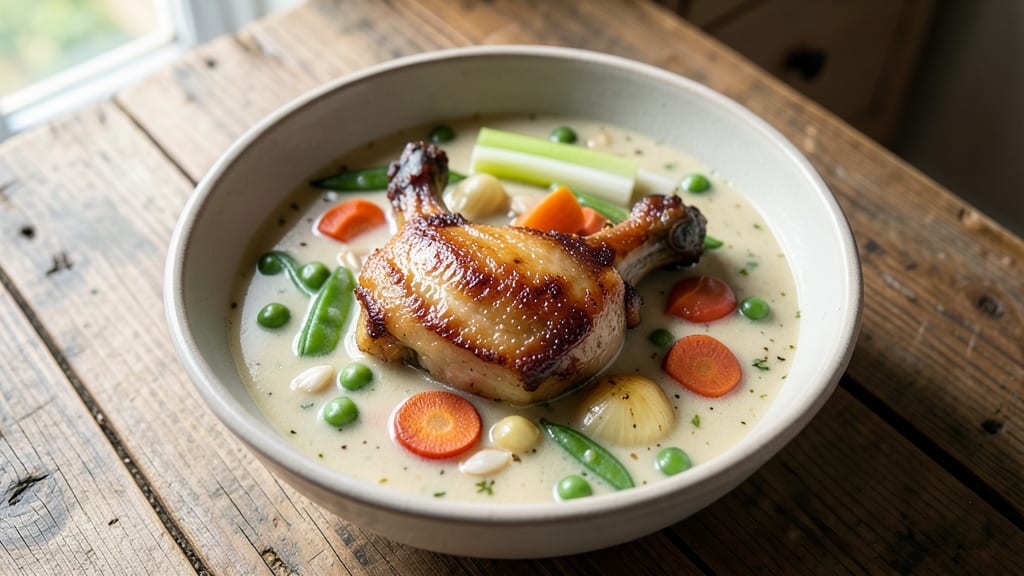
This ham hock pea soup recipe delivers the kind of smoky, hearty comfort that warms you from the inside out—perfect for chilly evenings or cozy gatherings. The rich, savory broth simmers with tender peas and a perfectly seasoned ham hock, creating a dish that’s both restaurant-quality and deeply satisfying.
I’ve perfected this recipe over years of testing, ensuring every spoonful balances smoky depth with tender, sweet peas.
The secret lies in slow simmering—three hours of gentle cooking transforms tough ham hock into melt-in-your-mouth flavor, while the peas stay vibrant and sweet. Aromatics like onions, garlic, and fresh herbs build layers of complexity, and the broth reduces to a velvety richness that coats every bite.
This isn’t just soup; it’s a one-bowl meal with substance and soul.
What sets this apart is the adjustable thickness—thin it with broth for a lighter sip or let it reduce further for a thick, stew-like consistency. Garnish with fresh parsley or crispy croutons for texture, and you’ve got a dish that’s easy to make but impossible to forget.
The leftovers only get better, making it ideal for meal prep or feeding a crowd.
Whether you’re craving classic comfort food or need a nourishing dish for a busy weeknight, this soup delivers bold flavor and warmth in every ladle. Let’s get cooking—your taste buds (and your guests) will thank you.
Ingredients for ham hock pea soup
A handful of simple ingredients transform into restaurant-quality ham hock pea soup.
| Ingredient | Amount | Notes |
|---|---|---|
| Ham Hock 🍖 | 2 lb | Smoked, center-cut preferred |
| Fresh Green Peas 🌱 | 2 cups | Frozen works in a pinch |
| Yellow Onion 🧅 | 1 whole | Diced, medium size |
| Garlic Cloves 🧄 | 4 cloves | Peeled, roughly chopped |
| Carrots 🥕 | 3 medium | Peeled, chopped into chunks |
| Celery Stalks 🥬 | 3 whole | Diced, stringy parts trimmed |
| Fresh Thyme 🌿 | ½ ounce | Or 1 tbsp dried |
| Fresh Parsley 🌿 | ¼ cup | Chopped, for garnish |
| Bay Leaves 🌿 | 2 whole | Dried, standard size |
| Chicken Broth 💧 | 6 cups | Low-sodium preferred |
| Apple Cider Vinegar 🍎 | 1 tbsp | For brightness |
| Salt 🧂 | 1 ½ tsp | Diamond Crystal preferred |
| Black Peppercorns 🌶️ | ½ tsp | Freshly cracked |
| Extra-Virgin Olive Oil 🫒 | 2 tbsp | For sautéing aromatics |
| Crusty Bread 🍞 | 1 loaf | For croutons (optional) |
The ham hock is the soul of this soup—center-cut, smoked is ideal, but any good-quality ham hock works. Costco or your local butcher shop are great places to find it; look for pieces with good marbling. If you can't find smoked, regular ham hock plus a smoked paprika pinch gets you close. The peas? Fresh are best, but frozen peas (thawed) save time without sacrificing texture. For the broth, low-sodium chicken broth is key—it lets the ham hock's natural flavor shine.
No fresh thyme? Dried works at one-third the amount. The vinegar adds brightness—apple cider or white wine vinegar both work. For extra richness, add a splash of dry sherry when simmering. If you're prepping ahead, the ham hock can be blanched and frozen for 3 months—just add it straight from frozen to the pot. The carrots and celery can be pre-chopped and stored in the fridge for 5 days in a sealed container.
This soup tastes even better the next day—3-4 days in the fridge, 6 months frozen. I always make a double batch because it reheats beautifully. For serving, crispy croutons (toss bread cubes with olive oil and bake) add texture. Store leftovers with a layer of broth on top to keep everything moist. The ham hock will fall apart completely after simmering—save some for sandwiches if you're feeling ambitious.
Why You'll Love This Recipe
- One-Pot Magic: I love that it’s basically set-it-and-forget-it after the initial sear. The ham hock browns while I chop veggies, then the whole pot simmers together—no extra pots, no stress. That golden crust on the ham hock? It’s the secret weapon that makes cleanup a breeze.
- Smoky Pea Surprise: Honestly, the combination of that deep, smoky ham hock and the bright, fresh peas is chef’s kiss. The apple cider vinegar cuts through the richness, and the fresh thyme and garlic? They make every spoonful feel like a hug in a bowl. Even my picky eater goes back for seconds.
- Leftover Legend: This soup doesn’t just feed one meal—it’s my secret weapon for busy days. Double the batch on Sunday, and you’ve got lunch and dinner covered. And here’s the kicker: it tastes better the next day, like the flavors get cozier overnight. Freezes like a champ too, so I always have a backup for those nights I’m too tired to cook.
- Budget-Friendly Luxury: Two pounds of ham hock might sound pricey, but honestly, it stretches into so much soup that it’s cheaper than takeout. The peas and veggies are affordable staples, and the broth makes the whole thing rich without needing fancy ingredients. It’s the kind of dish that feels indulgent but won’t break the bank.
Step-by-step instructions for ham hock pea soup
This method transforms humble ingredients into a rich, smoky soup that warms the soul.
Sear the Ham Hock for Deep Flavor
Pat the 2 lb ham hock dry with paper towels—this ensures a better sear. Heat a large Dutch oven over medium heat and add the 2 tbsp extra-virgin olive oil. Once shimmering, add the ham hock and sear for 8-10 minutes on each side until deeply golden brown. The skin should develop a rich, caramelized crust that will infuse the broth with smoky depth.
This step is crucial for building flavor. Don't rush it—let the ham hock develop that beautiful crust. Once browned, remove it from the pot and set it aside on a plate, leaving all that rendered fat behind. That fat is pure flavor waiting to be incorporated into the soup.
Sauté the Aromatic Vegetables
In the same Dutch oven, add the diced 1 yellow onion, chopped 3 medium carrots, and diced 3 celery stalks. Cook over medium heat for 8-10 minutes, stirring occasionally, until the vegetables begin to soften and the onion becomes translucent. This process, called sweating, draws out their natural sweetness and prepares them for the broth.
Add the 4 roughly chopped garlic cloves and the ½ ounce fresh thyme, stirring for 30 seconds until fragrant. The garlic should just begin to color slightly—don't let it brown. This is the moment that matters: the aromatics should be tender but still vibrant, releasing their flavors into the fat still clinging to the pot.
Build the Broth Base
Pour in the 6 cups chicken broth and add the 2 bay leaves, 1 tbsp apple cider vinegar, 1½ tsp salt, and ½ tsp freshly cracked black peppercorns. Bring to a gentle simmer, then return the ham hock to the pot. The broth should just bubble softly—no vigorous boiling yet. This gentle simmer ensures the vegetables cook evenly without breaking down.
Let the soup simmer uncovered for 45 minutes, skimming off any foam that rises to the surface. This step allows the broth to develop its rich, smoky character from the ham hock. The vegetables should be tender but still hold their shape. If the broth reduces too much, add a splash of water to maintain the proper consistency.
Finish with Peas and Garnish
Add the 2 cups fresh green peas and simmer for an additional 10-12 minutes, until the peas are tender but still vibrant green. The peas should be bright and slightly crisp—overcooking will turn them mushy. Remove the ham hock from the broth and let it cool slightly before shredding the meat into bite-sized pieces and returning it to the pot.
Taste and adjust seasoning if needed. The soup should be rich and flavorful, with a balance of smokiness from the ham hock and brightness from the vinegar. Ladle the soup into bowls, garnishing each serving with ¼ cup chopped fresh parsley. For added texture, you can toast cubes from the 1 loaf crusty bread in the oven at 375°F for 8-10 minutes until golden and crisp.
Pro Tips For Making Ham Hock Pea Soup
- Don’t Skimp on Searing: That ham hock needs a proper crust—golden, crackly, and deep brown. I used to rush this step, and the soup always tasted flat. Take your time with those 8-10 minutes per side, and resist the urge to flip it too soon. The rendered fat in that Dutch oven is where the smoky magic happens.
- Prep Celery Like a Pro: Trim the stringy parts from the celery stalks before dicing, or you’ll spend the next 45 minutes fishing them out of your soup. A quick swipe with a paring knife along the length removes the tough fibers—trust me, your mouth will thank you.
- Simmer Softly, Not Hard: After adding the broth, keep the heat low enough that the liquid just gently bubbles. I learned this the hard way—boiling too vigorously turns the carrots to mush and scatters foam everywhere. A slow simmer keeps everything tender and the broth clear.
- Save the Peas for Last: Add those 2 cups of peas only in the final 10-12 minutes, or they’ll turn into a sad, gray mush. Fresh peas should stay bright green and just tender—like tiny, sweet bites of spring, not overcooked wallpaper paste.
Make-ahead tips for leftovers
Prep Ahead for Flavor
I start my prep the night before by searing and blanching the 2 lb ham hock—pat it dry, sear it in olive oil until deeply browned, then rinse under cold water to stop the cooking. Once cooled, wrap it tightly in plastic wrap and freeze it.
This method preserves the smoky depth perfectly for up to 3 months. When ready to cook, add it straight from frozen to the pot—no thawing needed! 💡
Chop and Store Veggies
The 3 medium carrots and 3 celery stalks can be prepped and stored in an airtight glass container for 5 days in the fridge. I keep them submerged in water to maintain freshness.
Just before cooking, drain and pat them dry to ensure even searing in the Dutch oven. This saves time and keeps aromatics crisp.
Broth Boost in Advance
For extra-rich flavor, make a concentrated broth base by simmering 6 cups chicken broth with the 2 bay leaves and 1 tbsp apple cider vinegar for 1 hour. Strain, cool, and store in the fridge for 5 days or freeze for 3 months.
When ready, reheat this infused broth and combine it with the ham hock and aromatics for a deeper taste.
Peas and Garnish Prep
Fresh 2 cups green peas can be blanched for 2 minutes in boiling water, then shocked in ice water to halt cooking. Drain, pat dry, and store in a sealed container for 3 days in the fridge.
When serving, add them to the soup just before ladling—this keeps them vibrant and crisp. Fresh ¼ cup parsley can also be chopped and stored in a damp paper towel-lined container for 2 days.
Crouton Hack for Meal Prep
To save time, make croutons ahead by tossing 1 loaf crusty bread cubes with 1 tbsp olive oil and ½ tsp salt. Spread them on a baking sheet and bake at 375°F for 10 minutes until golden.
Cool completely, then store in an airtight container for 1 week. Add them fresh to bowls just before serving for maximum crunch. ✨
Freezing for Busy Weeks
This soup freezes beautifully—let it cool completely, then portion into quart-sized freezer bags, leaving 1 inch of headspace. Label with the date and freeze for up to 6 months.
To reheat, thaw overnight in the fridge, then simmer gently on the stove for 15 minutes to revive the flavors. The ham hock will fall apart beautifully, creating even more delicious texture. 🔥
Nutrition facts
Frequently asked questions
Why does the ham hock need to be seared so thoroughly?
The searing step creates a deeply golden crust on the ham hock that caramelizes and infuses the broth with unmatched smoky depth. This process develops the rich, savory flavor that makes this soup stand out—skipping it means missing the soul of the dish. The rendered fat left behind also adds a luxurious richness to the final broth.
Can I use dried peas instead of fresh?
Fresh peas are ideal for their vibrant texture and sweetness, but dried peas work in a pinch—just soak them overnight first. However, the peas should still be added near the end of cooking to maintain their bright color and crispness. Frozen peas are actually the best alternative if fresh aren't available, as they thaw perfectly during simmering.
What if my soup tastes too salty after adding the ham hock?
If the broth becomes overpoweringly salty, dilute it gradually with warm water or additional low-sodium chicken broth while simmering. Taste as you go—adding a splash at a time prevents overcorrection. The ham hock's natural saltiness should balance with the vinegar's brightness; if needed, balance with a touch of sweetness like a teaspoon of honey or maple syrup.
How do I prevent the broth from becoming too thin?
Simmer the soup uncovered to reduce the broth naturally over time. If it's still too thin, remove the ham hock and let it cool slightly, then shred and return it to the pot. For extra thickness, blend a portion of the soup and stir it back in, or simmer longer until the desired consistency is reached. Always taste before adjusting.
Can I make this soup ahead of time?
This soup tastes even better the next day and freezes beautifully for up to 6 months. Let it cool completely before storing, and reheat gently on the stove to revive its flavors. The ham hock will become even more tender and flavorful after reheating, making it perfect for meal prep or busy weeks.