
Soups & Stews
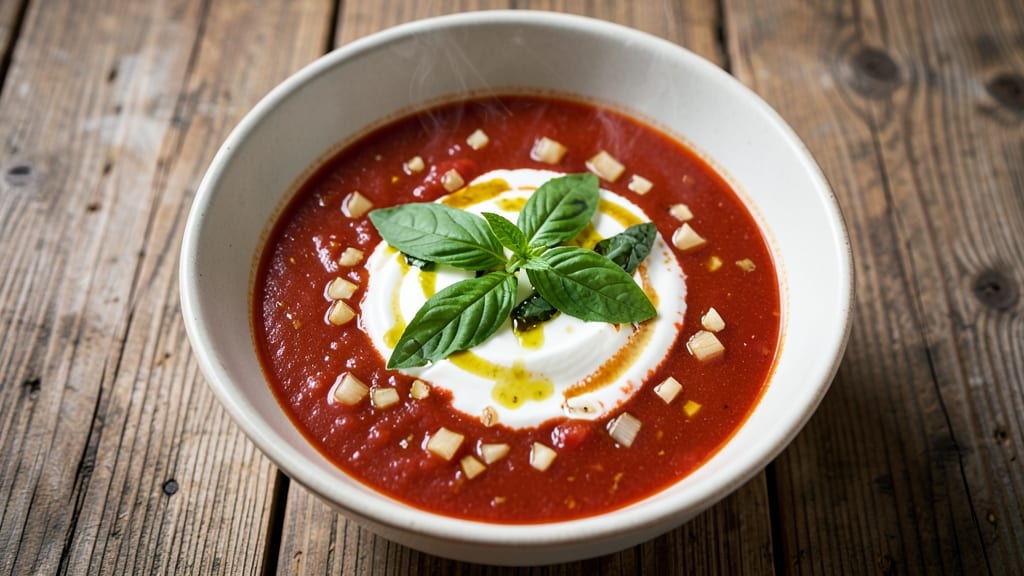
This copycat tomato soup recipe delivers the same velvety, restaurant-style warmth you crave—creamy without being heavy, perfectly seasoned, and packed with that iconic tomato flavor. The secret lies in simmering the soup just long enough to develop depth while keeping the texture smooth and inviting.
I've tested countless variations to perfect the balance between sweetness and acidity, ensuring every spoonful tastes like your favorite takeout spot.
The foundation starts with a rich blend of canned tomatoes, garlic, and onion, simmered until the flavors meld together. A splash of heavy cream or coconut milk adds that signature creaminess without overpowering the tomato base.
What sets this apart is the careful seasoning—just enough salt, pepper, and a pinch of sugar to round out the flavors, followed by a blend of herbs that elevates it from ordinary to extraordinary.
By the time you're done, you'll have a soup that's velvety, aromatic, and so comforting it feels like a hug in a bowl. The texture is smooth yet substantial, with just the right amount of body to coat a spoon.
Serve it with a sprinkle of fresh basil or a drizzle of olive oil for that final restaurant touch.
Perfect for chilly evenings, this soup comes together in under an hour and tastes even better the next day. Whether you're feeding a family or treating yourself, this recipe delivers restaurant-quality results at home. Let's get started!
Ingredients for copycat tomato soup
Pantry staples plus a few fresh touches. Creamy, velvety, and packed with restaurant-style tomato flavor.
| Ingredient | Amount | Notes |
|---|---|---|
| Canned Crushed Tomatoes 🍅 | 2 cans | 28 oz each, San Marzano if available |
| Yellow Onion 🧅 | 1 whole | Medium, finely diced |
| Garlic Cloves 🧄 | 4 cloves | Fresh, minced for depth |
| Heavy Cream 🥛 | ½ cup | Full-fat for richness |
| Chicken Broth 💧 | 2 cups | Low-sodium preferred |
| Fresh Basil Leaves 🌿 | ¼ cup | Packed, chopped for garnish |
| Extra-Virgin Olive Oil 🫒 | 2 tbsp | For sautéing, fruity variety |
| Granulated Sugar 🍯 | 1 tsp | Balances acidity |
| Salt 🧂 | 1 tsp | Kosher or sea salt |
| Black Pepper 🌶️ | ½ tsp | Freshly ground preferred |
| Dried Thyme 🌿 | ½ tsp | Or 1 tsp fresh thyme |
| Red Wine Vinegar 🍷 | 1 tbsp | Brightens flavor profile |
The tomatoes are everything here. San Marzano cans have that legendary sweetness, but any high-quality crushed tomatoes work. I always grab mine from Whole Foods or the bulk section at Trader Joe's—just check the expiration date. The garlic and onion form the flavor base, so don't rush the sautéing. Let them cook until soft and translucent. Fresh basil? Tear half the leaves by hand for garnish—it releases more aroma. For the cream, full-fat is non-negotiable here—it's what gives that signature velvety texture.
No heavy cream? Coconut milk works surprisingly well—just use the full-fat kind. Running low on chicken broth? Vegetable broth plus a splash of soy sauce keeps the umami. Short on fresh basil? Dried basil at half the amount gets you close, but fresh is worth hunting down at the market. The red wine vinegar might seem small, but it's what cuts through the richness and keeps the soup bright. If you're sensitive to acidity, start with just half the amount and adjust to taste.
This soup tastes even better the next day—honestly, that's when all the flavors meld perfectly. Store it in the fridge for up to 5 days, or freeze portions for 3 months. I like to portion it into individual containers so I can grab a bowl whenever I need comfort food. The basil keeps best if you wrap the stems in damp paper towels and store them in a plastic bag—stays fresh for 1 week that way.
Why You'll Love This Recipe
- Soup in 20 Minutes: I swear by this—no fancy prep, just chop one onion and toss it into the pot. The canned tomatoes and garlic do the heavy lifting, so you’re basically done in time for dinner while your kids are still arguing over who gets the last slice of pizza.
- Creamy, Not Heavy: That half cup of heavy cream transforms it from tangy to luxuriously smooth without being cloying. The red wine vinegar? It’s the secret weapon—cuts through the richness just enough to keep it bright and restaurant-worthy, not like your grandma’s overly sweet version.
- Leftover Legend: This soup thrives as leftovers—better, even. The flavors deepen overnight, and it reheats beautifully. Freeze portions for those nights you’re too tired to cook, and boom: instant comfort food. My freezer is always stocked with it, and I never regret it.
- Budget-Friendly Luxury: Two cans of tomatoes, an onion, and a few pantry staples? This is the kind of recipe that makes you feel like a million bucks without breaking the bank. You’ll spend less than $10 and end up with a bowl that tastes like you slaved over it for hours. Worth every penny.
Step-by-step instructions for restaurant-style tomato soup
Here's how to create that velvety, restaurant-worthy tomato soup with just a few simple techniques.
Sauté the Aromatics Until Fragrant
Heat the 2 tablespoons extra-virgin olive oil in a large pot over medium heat. Add the 1 finely diced yellow onion and cook for 5 minutes until softened and translucent. This is your flavor foundation—don't rush it.
Add the 4 minced garlic cloves and ½ teaspoon dried thyme to the pot. Cook for another 1-2 minutes until the garlic becomes golden and fragrant. You'll know it's ready when the kitchen smells like a warm Italian bistro. Be careful not to let the garlic burn—it turns bitter quickly.
Build the Tomato Base
Pour in the 2 cans canned crushed tomatoes and stir well to combine with the aromatics. Add the 2 cups chicken broth, 1 teaspoon granulated sugar, 1 teaspoon salt, and ½ teaspoon black pepper. Bring everything to a gentle boil over medium-high heat.
Once boiling, reduce the heat to low and let it simmer uncovered for 15 minutes. This allows the flavors to meld together and the acidity to mellow. Stir occasionally to prevent sticking. The mixture should thicken slightly as it cooks.
Brighten and Finish the Soup
After simmering, stir in the 1 tablespoon red wine vinegar. This brightens the flavor and balances the natural sweetness of the tomatoes. Taste and adjust seasoning if needed—you might want to add a pinch more salt or sugar depending on your tomatoes.
Remove the pot from heat and carefully stir in the ½ cup heavy cream. The cream will create that signature velvety texture, but don't worry—it won't curdle if you add it to warm (not boiling) soup. The mixture should be smooth and luxurious, with just a hint of creaminess.
Garnish and Serve Warm
Ladle the soup into bowls and top each serving with ¼ cup chopped fresh basil leaves. The basil adds a fresh, herbal note that complements the rich tomato flavor. Serve immediately while still warm—this soup tastes best fresh from the pot.
For that authentic restaurant touch, serve with a sprinkle of grated Parmesan cheese (though not in our ingredients, it's a classic pairing) and a crusty baguette. Each spoonful should deliver that perfect balance of creamy, tangy, and savory flavors that make this soup so irresistible.
Pro Tips For Making Copycat Tomato Soup
- Sweat the Onion Slowly: I used to rush the onion step and end up with a soup that tasted like it was missing something. Five minutes over medium heat—no rushing—lets the onion break down just enough to sweeten naturally. If it starts browning too fast, drop the heat a notch. You want translucent, not crispy.
- Use San Marzano Tomatoes: The recipe calls them for a reason—San Marzano crushed tomatoes have that perfect balance of sweetness and acidity without tasting canned. If you can’t find them, don’t panic, but know your regular brand might need an extra pinch of sugar or a splash more vinegar to cut through the acid.
- Simmer Uncovered for 15 Minutes: Skipping this step means a soup that’s still raw-tasting. The 15 minutes uncovered lets the liquid reduce slightly and the flavors marry. Stir every few minutes to keep it from sticking—this isn’t a set-and-forget dish. Trust me, the extra five minutes makes all the difference in the final texture.
- Warm the Cream First: Cold cream in hot soup? That’s how you end up with curdled disaster. Instead, gently warm the heavy cream in a small saucepan or even the microwave for 10 seconds before stirring it into the soup. It’ll blend in like silk, not separate like a science experiment gone wrong.
Essential equipment for this recipe
The Right Pot Matters
For this recipe, I swear by a 5-7 quart heavy-bottomed pot—preferably stainless steel or enamel-coated cast iron like my Le Creuset Dutch oven. These materials distribute heat evenly, preventing hot spots that can scorch your aromatics.
If you're on a budget, a Lodge cast iron Dutch oven works beautifully and develops a natural nonstick patina over time. Avoid thin aluminum pots—they can warp and create uneven cooking. 🔥
Immersion Blender
While you can blend your soup in a regular blender, an immersion blender is my game-changer for this recipe. It lets you blend directly in the pot, saving cleanup time and preventing splatter.
I use a Breville BSB600XL, which is powerful enough to smooth out even the thickest tomato bases. If you don't want to invest, a handheld stick blender from KitchenAid works well too.
Thermometer for Precision
A digital meat thermometer helps you monitor the soup's temperature without guesswork. While this recipe doesn't require precise temperature control, it's useful for checking if your soup is simmering gently (180-200°F) rather than boiling vigorously.
I use a Thermoworks Smoke probe thermometer for all my cooking—it's durable and accurate. For this soup, you'll want to keep it below 200°F to prevent the cream from separating. 🌡️
Microplane for Fresh Herbs
When it comes to fresh basil, a microplane is my secret weapon for garnish. It finely grates the leaves, releasing more aroma and creating a delicate, textured topping that looks restaurant-worthy.
I keep one on my counter near my herbs—it's perfect for small amounts of basil, parsley, or even citrus zest. A KitchenAid microplane is affordable and lasts forever.
Wooden Spoon Set
For stirring and tasting, I rely on a set of wooden spoons in various sizes. Wood won't scratch your pot and won't react with acidic ingredients like metal might. I keep one long-handled spoon for stirring and a small tasting spoon for checking seasoning.
Look for spoons made from hardwoods like beech or walnut—they're durable and won't absorb flavors over time. A OXO Good Grips set is a great starter option.
Nutrition facts
Frequently asked questions
Why does this copycat tomato soup taste so creamy without blending?
The velvety texture comes from simmering the soup long enough to allow the tomatoes to break down naturally, then finishing with ½ cup warm heavy cream. The cream blends seamlessly into the soup's body without needing a blender. The 15-minute simmer is key—it thickens the base just enough to hold the cream beautifully.
Can I make this soup dairy-free?
Swap the ½ cup heavy cream for ½ cup full-fat coconut milk or ½ cup cashew cream (blended soaked cashews with water). The coconut milk adds richness while keeping the creamy texture intact. Just simmer the coconut milk in for the last 5 minutes to prevent curdling.
What if my tomatoes are too acidic?
Start by reducing the 1 tablespoon red wine vinegar to ½ tablespoon first. If needed, add a touch more ½ teaspoon granulated sugar while simmering to balance the acidity. Taste as you go—every batch of tomatoes varies slightly in tanginess. A pinch of baking soda (just a tiny pinch!) can also neutralize excess acidity if you're in a pinch.
How do I prevent the soup from separating when adding cream?
Never add the cream to boiling soup—it will curdle instantly. Instead, remove the pot from heat and let it cool slightly (1-2 minutes is enough). Stir in the cream gently over low heat or off the stove. If you're worried, whisk the cream first with a splash of warm soup before adding it back. The key is patience and keeping the temperature below 160°F.
Can I use fresh tomatoes instead of canned?
Yes, but it changes the texture significantly. For 4 servings, use 4 cups peeled, seeded, and diced ripe tomatoes (about 6-8 medium tomatoes). Cook them down for 20 minutes to concentrate the flavor, then proceed with the recipe. Fresh tomatoes add brightness but won't create the same velvety mouthfeel as canned.