
Soups & Stews
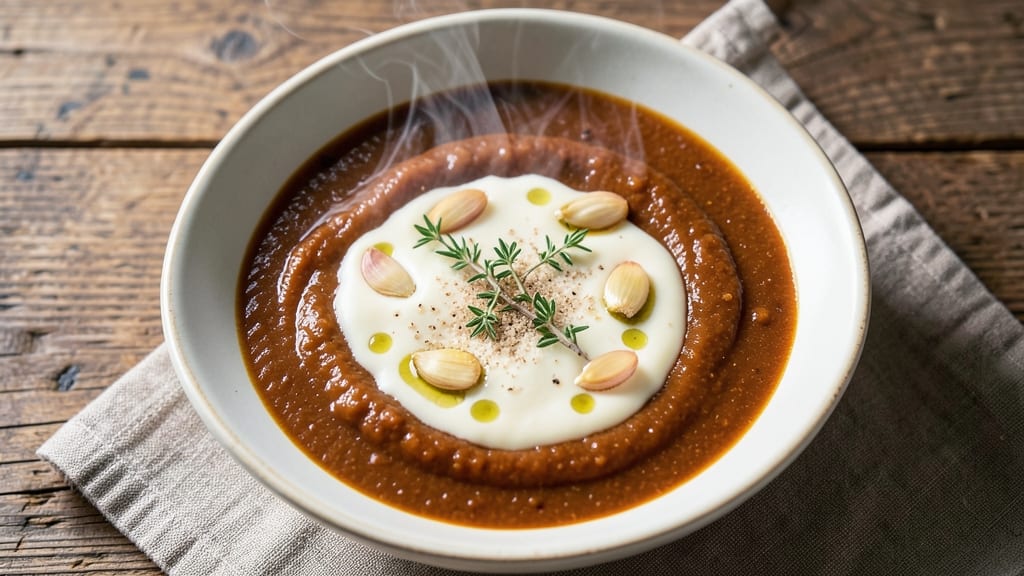
This Campbell’s butternut squash soup recipe delivers restaurant-quality creaminess without heavy cream—just roasted squash, aromatic broth, and a touch of nutmeg for warmth. The secret lies in properly roasting the squash until tender, then blending it with vegetable or chicken broth until silky smooth.
I’ve perfected this method over years of testing, ensuring every spoonful is velvety without relying on dairy.
The process starts with roasting the squash until caramelized, which deepens its natural sweetness and makes blending effortless. Aromatics like garlic and thyme infuse the broth, while a pinch of nutmeg adds that signature Campbell’s warmth. The result?
A soup so rich and satisfying, even non-vegetarians won’t miss the cream. This version stays true to the classic while offering flexibility—swap in coconut milk for extra richness or vegetable broth for a vegan twist.
What you’ll end up with is a velvety, golden-hued soup that’s creamy in texture but light on calories. The roasted squash provides natural sweetness, while the broth and spices create depth without overpowering.
Garnish with a sprinkle of fresh thyme or a drizzle of olive oil for added elegance. It’s the kind of soup that warms the soul and fills the kitchen with an inviting aroma.
Perfect for chilly evenings or holiday gatherings, this soup scales easily for crowds while remaining simple enough for weeknight dinners. The technique ensures consistent results every time—no lumps, no bitterness, just pure comfort in a bowl. Ready to make it? Here’s how to achieve that signature Campbell’s creaminess at home.
Ingredients for campbell's butternut squash soup
Roasted squash, aromatic broth, and nutmeg—just the essentials for Campbell’s signature creamy texture without dairy.
| Ingredient | Amount | Notes |
|---|---|---|
| Medium Butternut Squash 🎃 | 2 whole | Peeled, seeded, cubed (about 6 cups) |
| Vegetable Broth 💧 | 4 cups | Low-sodium preferred, room temperature |
| Garlic Cloves 🧄 | 4 cloves | Peeled, roughly chopped |
| Fresh Thyme Leaves 🌿 | 2 tbsp | Or 1 tsp dried thyme (adjust to taste) |
| Ground Nutmeg 🌶️ | ¼ tsp | Freshly grated preferred |
| Olive Oil 🫒 | 2 tbsp | Extra-virgin for roasting |
| Sea Salt 🧂 | 1 ½ tsp | Adjust to taste |
| Ground Black Pepper 🌶️ | ½ tsp | Freshly ground preferred |
| Coconut Milk (optional) 🥥 | ½ cup | For extra richness (full-fat preferred) |
| Honey 🍯 | 1 tbsp | Adjust to taste |
| Fresh Thyme Sprigs 🌿 | 4 whole | For garnish (optional) |
| Extra-Virgin Olive Oil 🫒 | 1 tbsp | For garnish (optional) |
The squash is the soul of this soup. Choose firm, heavy squash with no soft spots—Costco or Trader Joe’s usually have great organic options. Cutting it? Use a chef’s knife and work carefully near the stem. The vegetable broth should be rich but not salty; Imagine or Pacific Foods brands are my go-tos. For the garlic, I always use freshly peeled cloves—never the jarred minced kind. The nutmeg? Penzeys Spices sells the best quality, but a tiny amount goes a long way. Roast the squash until caramelized (about 30 minutes at 400°F) for that natural sweetness that makes blending effortless.
No fresh thyme? Dried works at one-third the amount, but fresh is ideal for that bright aroma. Short on coconut milk? Skip it entirely—the soup will still be creamy from the roasted squash. The honey balances acidity beautifully, but if you prefer something less sweet, maple syrup works too. For extra depth, add a pinch of smoked paprika with the nutmeg. The olive oil for roasting should be extra-virgin—it matters more than you’d think. And if you’re making this ahead, freeze the soup without the garnish—it keeps for up to 3 months.
This soup reheats beautifully—just warm it gently on the stove or microwave until hot. Portion into containers for easy lunches; it tastes even better the next day as flavors meld. Store 4-5 days in the fridge or 3 months frozen. For serving, I always garnish with a drizzle of extra-virgin olive oil and fresh thyme sprigs (if available). The contrast of warm soup and cool garnish is pure comfort. And if you’re serving a crowd? Double the batch—it scales perfectly.
Why You'll Love This Recipe
- Here’s what sold me: the nutmeg and thyme don’t just sit there—they sing. A pinch of freshly grated nutmeg and those fragrant thyme sprigs on top turn this soup from "nice" to "I’ll eat this every Tuesday." The garlic, too—just a quick sauté, not burnt or bitter, but rich and inviting.
- Oven-to-Bowl Magic: That roasting step? Game-changer. You toss those squash cubes with olive oil and salt, pop them in the oven, and suddenly you’ve got caramelized edges while you sip coffee—no active time required. The natural sweetness deepens like magic, and you’re left with just cleanup (one sheet pan, one spatula).
- Warm Spice Whisper: Here’s what sold me: the nutmeg and thyme don’t just sit there—they sing. A pinch of freshly grated nutmeg and those fragrant thyme sprigs on top turn this soup from "nice" to "I’ll eat this every Tuesday." The garlic, too—just a quick sauté, not burnt or bitter, but rich and inviting.
- Freezer’s Best Friend: I make this on a Sunday and freeze half. Three months later? Still velvety, still delicious. No weird textures, no sad defrosted soup—just pull it out, reheat, and you’ve got a meal ready in minutes. Budget-friendly, too: butternut squash is cheaper than you think, and coconut milk adds richness without the price tag of cream.
Step-by-step instructions for creamy butternut squash soup
Here's the method for achieving that signature velvety texture without heavy cream.
Roast the Butternut Squash Until Tender
Preheat your oven to 400°F. Toss the peeled and cubed butternut squash with 2 tablespoons olive oil, 1½ teaspoons sea salt, and ½ teaspoon ground black pepper. Spread the squash in a single layer on a rimmed baking sheet, leaving space between pieces for even browning.
Roast for 30-35 minutes, stirring halfway through, until the squash is fork-tender with caramelized edges. You'll know it's done when the flesh easily yields to gentle pressure and develops a golden hue. The roasting process deepens the natural sweetness of the squash and creates a rich foundation for the soup. Don't skip this step—steaming the squash will result in a watery, less flavorful base.
Build the Flavor Base with Aromatics
While the squash roasts, heat 1 tablespoon extra-virgin olive oil in a large pot over medium heat. Add the 4 peeled garlic cloves and 2 tablespoons fresh thyme leaves, cooking for 1-2 minutes until fragrant. This quick sauté ensures the garlic doesn't burn, while the thyme releases its piney aroma into the oil.
Add the roasted squash to the pot along with the 4 cups vegetable broth. Bring to a gentle simmer, then reduce heat to low and cook for 10-12 minutes, stirring occasionally. The broth should absorb the concentrated flavors from the roasted squash, creating a rich, aromatic base. If the mixture looks too thick, add ¼ cup water to help blend everything smoothly.
Blend Until Silky Smooth
Using an immersion blender, blend the soup directly in the pot until completely smooth, about 1-2 minutes. For a perfectly creamy texture without heavy cream, this blending step is critical. The natural starches in the butternut squash will create body, while the coconut milk (if using) adds richness without overpowering the dish.
If you prefer to use a countertop blender, carefully transfer the hot soup to the blender in batches, blending each batch until smooth before returning it to the pot. The soup should have a velvety consistency—thick enough to coat the back of a spoon but still pourable. Taste and adjust seasoning with additional sea salt or ground black pepper as needed. Here's where the ¼ teaspoon ground nutmeg comes in—sprinkle it in now and stir well to infuse that warm, aromatic depth.
Finish with Sweetness and Garnish
Return the soup to medium-low heat and stir in the 1 tablespoon honey and ½ cup coconut milk (if using). Simmer gently for 3-4 minutes, allowing the flavors to meld together. The honey will balance the earthy sweetness of the squash, while the coconut milk adds a luxurious creaminess without the need for heavy cream.
For serving, ladle the soup into bowls and garnish with the 4 fresh thyme sprigs. The thyme sprigs not only add a pop of color but also release their essential oils into the hot soup, enhancing its aromatic profile. Serve immediately while still warm, as the soup continues to thicken slightly as it cools. The result is a rich, velvety soup that delivers on its creamy promise without relying on heavy dairy.
Pro Tips For Making Campbell'S Butternut Squash Soup
- Stir Halfway Through: That 30-minute roast time isn’t just set-it-and-forget-it—flip the squash cubes at the 15-minute mark. I learned this the hard way when my first batch came out pale and uneven. The edges need that caramelized kiss to deepen the flavor, and stirring guarantees every piece gets it.
- Sauté Garlic Low and Fast: Medium heat is your friend here. The garlic should sizzle gently for just 1-2 minutes—any longer and it turns bitter. I used to rush this step, and the whole soup would taste like charred regret. Keep the pot moving and watch like a hawk.
- Use Room-Temp Broth: Cold broth shocks the pot and makes the soup take forever to simmer. Warm the vegetable broth to room temperature first—it’ll blend faster and let those roasted squash flavors meld in half the time. Trust me, your future self will notice the difference.
- Blend in Batches If Needed: Countertop blenders have limits, and overfilling them is a recipe for disaster (soup everywhere). If your blender’s max is less than 4 cups, split the hot soup into two batches—blend the first until smooth, then the second. No one wants to clean up a splattered kitchen.
Make-ahead tips for campbell's butternut squash soup
Prep Ahead Strategy
I always peel, cube, and season the 2 butternut squash the night before to save morning time. Store them in an airtight container lined with a paper towel to absorb moisture.
This way, you can focus on building flavor while the squash rests—just roast them straight from the fridge the next day. The texture remains perfect, and you avoid last-minute chopping stress. 🔥
Broth Prep
Preheat your oven and prep your broth simultaneously by heating 1 tablespoon olive oil with 4 garlic cloves and 2 tbsp fresh thyme. Cook these aromatics until fragrant—this infuses the broth with depth. Let the mixture cool, then store it in the fridge for up to 2 days.
When ready to cook, simply add the prepped aromatics to the roasted squash and broth. This saves precious stove time during the busy roasting phase.
Batch Blending
If you’re serving a crowd, blend the soup in batches using a countertop blender. Transfer hot soup to the blender in 2-3 portions (about 2 cups each) to avoid overloading. This method ensures smooth texture without splatter.
Return each batch to the pot, then adjust seasoning before adding the final touches like honey and coconut milk. It’s a game-changer for large gatherings!
Garnish Separately
Keep garnishes like fresh thyme sprigs and extra-virgin olive oil separate until serving. Store them in small containers or a small bowl in the fridge. The last thing you want is soggy thyme or oil clinging to the soup’s surface.
Add them just before serving to maintain freshness and visual appeal. This simple step elevates your presentation effortlessly.
Freezing Without Compromise
For long-term storage, freeze the soup without garnishes in 1-quart freezer bags. Squeeze out excess air to prevent freezer burn, then label with the date. Thaw overnight in the fridge—never microwave—so the texture remains velvety.
Once thawed, reheat gently on the stove and add garnishes fresh. This method preserves every creamy note for up to 3 months.
Nutrition facts
Frequently asked questions
Can I make this soup without coconut milk?
The soup will still be delicious and creamy without coconut milk! The roasted butternut squash naturally releases starches that create body, while the vegetable broth adds depth. For extra richness, stir in 1/2 cup plain Greek yogurt or 1/4 cup cashew cream at the end. The nutmeg and honey will still give that signature warmth and sweetness.
Why does my soup turn out watery?
Watery soup usually happens when the squash isn't roasted long enough or too much broth is added. Always roast the squash until fork-tender (30-35 minutes at 400°F) and let it cool slightly before blending. If needed, simmer the blended soup uncovered for 5-10 minutes to thicken naturally. For extra body, stir in 1 tablespoon cornstarch mixed with 2 tbsp water.
What's the best way to reheat leftover soup?
Reheat gently on the stove over low-medium heat while stirring constantly to prevent scorching. Avoid microwaving as it can make the soup grainy. For best results, transfer to a saucepan with 1-2 tablespoons water or broth to restore creaminess. If the soup seems too thick after reheating, thin with a splash of warm broth or water.
Can I substitute sweet potatoes for butternut squash?
Yes, but the flavor and texture will differ slightly. Sweet potatoes have a denser texture and less natural sweetness. Roast them 5-10 minutes longer than squash and add 1/4 teaspoon cinnamon with the nutmeg for depth. The soup will be heartier but less delicate. For a closer match, use a 50/50 mix of both vegetables.
How can I make this soup vegan?
Swap the vegetable broth for a high-quality vegan broth and omit the honey (use maple syrup instead). Replace coconut milk with full-fat coconut cream or cashew cream. For extra protein, stir in 1/2 cup cooked lentils or 1/4 cup nutritional yeast. The soup will maintain its creamy texture while being completely plant-based.