
Soups & Stews
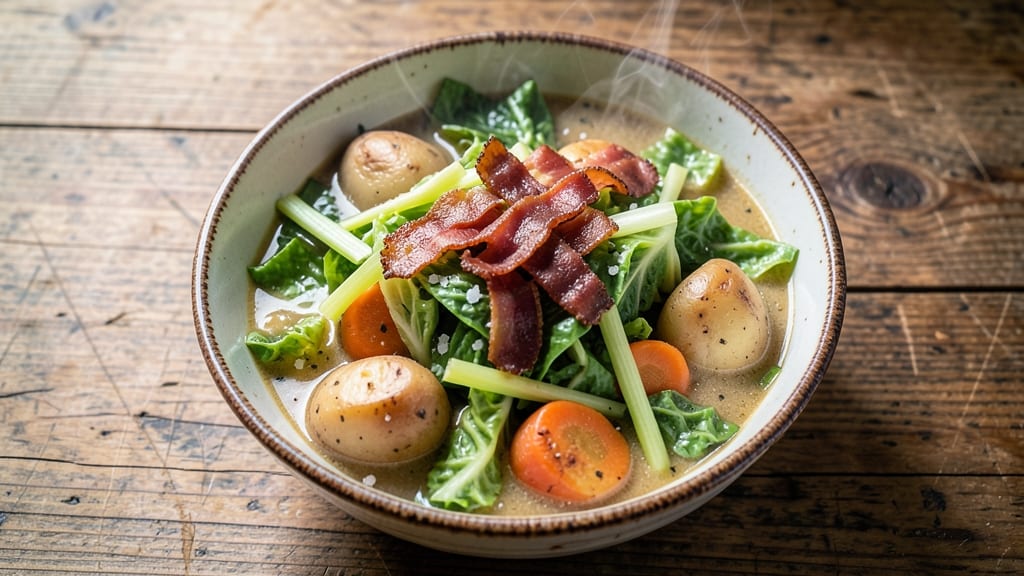
This Brent's cabbage soup recipe delivers hearty, slow-simmered comfort with layers of caramelized onions and tender vegetables. 💛 The secret lies in patient cooking—letting flavors meld over time for that deep, savory richness that makes every spoonful satisfying.
I've perfected this version to balance traditional techniques with modern convenience, ensuring you get restaurant-quality results without hours in the kitchen.
The foundation starts with caramelized onions, their sweetness forming the soul of the soup. Add potatoes, cabbage, and meat (like sausage or bacon) for substance, then let everything simmer until the vegetables soften and flavors harmonize.
This isn't just a soup—it's a meal in a bowl, packed with umami from slow-cooked ingredients and a touch of acidity from vinegar or tomatoes to brighten the depth.
What you'll end up with is a steaming pot of soup that smells like home—rich, aromatic, and heartwarming. The cabbage becomes tender without losing texture, the potatoes creamy, and the meat infused with the surrounding flavors.
It's the kind of dish that feels indulgent yet nourishing, perfect for chilly days or when you crave something substantial yet simple.
Serve it with crusty bread to soak up every last drop, or pair it with a simple green salad for balance. The beauty of this recipe is its flexibility—adjust the meat, swap in different vegetables, or add herbs to suit your taste. Here's how to make it perfectly every time.
Ingredients for brent's cabbage soup
Caramelized onions, tender cabbage, and slow-simmered flavors create this restaurant-quality soup.
| Ingredient | Amount | Notes |
|---|---|---|
| Yellow Onions 🧅 | 3 large | Thinly sliced for caramelization |
| Green Cabbage 🥬 | 1 large | Cored, cut into wedges |
| Russet Potatoes 🥔 | 4 medium | Peeled, cut into chunks |
| Smoked Bacon 🥓 | 8 oz | Diced, for umami depth |
| Carrots 🥕 | 3 medium | Peeled, cut into rounds |
| Celery Stalks 🧅 | 3 whole | Diced, for aromatic base |
| Garlic Cloves 🧄 | 4 cloves | Minced for aromatic punch |
| Chicken Broth 💧 | 6 cups | Low-sodium preferred |
| Red Wine Vinegar 🍷 | 2 tbsp | For bright acidity |
| Bay Leaves 🌿 | 2 whole | For subtle earthy flavor |
| Dried Thyme 🌿 | 1 tsp | Or 1 tbsp fresh thyme |
| Salt 🧂 | 1 ½ tsp | Diamond Crystal preferred |
| Black Pepper 🌶️ | ½ tsp | Freshly cracked |
| Olive Oil 🫒 | ½ cup | Extra-virgin for richness |
The onions are the soul of this soup—yellow onions caramelize beautifully, developing that sweet, jammy depth that makes everything sing. I always grab the organic yellow onions from Whole Foods when I'm feeling fancy, but the regular grocery store stuff works just fine. Look for onions that are firm and free of soft spots. For the cabbage, green cabbage holds up best during simmering—it won't turn mushy like some varieties. If you're using a whole head, core it and cut it into wedges so it cooks evenly. The potatoes? Russet potatoes are my go-to because they're starchy and hold their shape. Peeled and chunked, they'll turn creamy without falling apart.
No bacon? Smoked sausage or pancetta works just as well—just dice it small for even cooking. Swapping out the carrots? Sweet potatoes or parsnips add a different sweetness that pairs beautifully. The chicken broth should be low-sodium—Pacific Foods or Swanson are solid choices. If you're feeling adventurous, try a splash of red wine instead of vinegar for a more complex flavor. Fresh thyme is ideal, but dried thyme at one-third the amount gets you close. And for the love of soup, don't skip the bay leaves—they add that subtle earthy note that makes everything taste more sophisticated.
This soup tastes even better the next day as the flavors meld. Store it in the fridge for up to 5 days, or freeze portions for 3 months. I always make a double batch—one for dinner, one for lunches the next week. The caramelized onions can be prepped ahead and stored in the fridge for 3 days, saving you time on cooking day. When reheating, add a splash of water or broth to keep it from getting too thick. Serve with crusty bread or a simple green salad to round out the meal—trust me, the first spoonful will be worth every minute of simmering time.
Why You'll Love This Recipe
- No Chopping Chaos: I swear by this recipe because the onions and carrots only need rough dicing—no fancy knife skills required. The cabbage stays whole for easy tossing, and those potatoes? Just quarter them. Honestly, I’ve made it while scrolling through emails.
- Smoky Depth Magic: That crispy bacon crumbles into the broth like a flavor bomb, while the cabbage softens into tender, slightly sweet bites. Between us, the first spoonful hits different—especially when the potatoes get that buttery, creamy edge.
- Lunchbox Hero: Between us, this soup is my secret weapon for packing leftovers. It reheats beautifully, and the bacon bits keep it interesting cold too. (Yes, even on a Tuesday night.) My kids actually ask for it in their lunchboxes—no complaints.
- Pantry Goldmine: I’ve made this for under $8 a bowl using whatever’s in my fridge. The bacon adds richness without breaking the bank, and the cabbage stretches to feed a crowd. Leftovers? They’re my freezer’s best friend—just thaw and reheat.
Step-by-step instructions for slow-simmered cabbage soup
Here's how to build deep, layered flavor through caramelization and slow cooking.
🔥 Step 1: Render Bacon and Caramelize the Onions
Heat the 0.5 cup olive oil in a large Dutch oven over medium heat. Add the 8 oz smoked bacon and cook for 8-10 minutes, stirring occasionally, until golden brown and crispy. Use a slotted spoon to transfer the bacon to a paper towel-lined plate, leaving the rendered fat in the pot.
Reduce the heat to medium-low and add the 3 large yellow onions. Cook for 25-30 minutes, stirring occasionally, until the onions are deep golden brown and sweet-smelling. This slow caramelization develops complex flavors that form the soup's foundation. If the onions start to stick, add 1 tablespoon water to deglaze and scrape up any browned bits.
🍳 Step 2: Build the Aromatic Base
Add the 3 medium carrots, 3 whole celery stalks, and 4 cloves garlic cloves to the pot. Cook for 5-6 minutes until the vegetables begin to soften and the garlic becomes fragrant. Stir in the 1 tsp dried thyme, 1.5 tsp salt, and 0.5 tsp black pepper, mixing well to coat the vegetables with the spices.
Here's where it gets good—pour in the 6 cups chicken broth and bring to a gentle simmer. Add the 2 whole bay leaves and the 2 tbsp red wine vinegar. The vinegar will brighten the flavors as the soup simmers, cutting through the richness of the bacon and caramelized onions.
🥘 Step 3: Add Potatoes and Simmer
Add the 4 medium russet potatoes, cut into 1-inch chunks. Stir gently to submerge the potatoes in the broth. Bring the soup to a gentle boil over medium-high heat, then immediately reduce the heat to low to maintain a barely simmering state. You want just enough movement to create small bubbles at the edges—this prevents the potatoes from breaking apart.
Cover the pot and let the soup simmer for 15 minutes. This initial simmer allows the potatoes to begin softening while the flavors meld together. The soup should smell rich and aromatic—like caramelized onions, smoky bacon, and fresh herbs. If the liquid level gets too low, add ½ cup water to maintain the proper consistency.
🥘 Step 4: Incorporate Cabbage and Finish Cooking
Add the 1 large green cabbage, cored and cut into 4 wedges. Stir gently to distribute the cabbage throughout the soup. Return the heat to medium-low and let the soup simmer uncovered for 20-25 minutes, until the potatoes are fork-tender and the cabbage is tender but still slightly crisp.
Real talk: the cabbage should hold its shape but yield slightly when pierced with a fork. If it softens too quickly, reduce the heat slightly or cover the pot to slow the cooking process. The soup should have a thick, hearty consistency with a rich, golden broth that coats the back of a spoon.
⏰ Step 5: Rest and Adjust Seasoning
Remove the pot from heat and let the soup rest for 10 minutes. This resting period allows the flavors to fully meld and the vegetables to absorb the broth. Remove and discard the bay leaves—they've done their job and don't belong in the final dish.
Taste the soup and adjust seasoning if needed. You might need an additional ½ tsp salt or ¼ tsp black pepper to balance the flavors. The soup should be rich and savory with a bright tang from the vinegar and a deep, caramelized sweetness from the onions. Serve warm with crusty bread to soak up every last drop of that flavorful broth.
Pro Tips For Making Brent'S Cabbage Soup
- CUT BACON IN HALF: Smoked bacon gets greasy fast, and if you don’t halve the slices, they’ll steam instead of crisp. I learned this the hard way—my first batch turned out soggy because the bacon never got that satisfying crunch. Use kitchen shears for speed, and lay them flat in the pot so they brown properly.
- SAUTÉ ONIONS UNTIL GOLDEN: Don’t rush the onions—cook them low and slow until they’re deep golden, not just translucent. I used to walk away too soon, and the soup ended up tasting flat. About 8-10 minutes over medium heat, stirring often, is the sweet spot.
- PEEL POTATOES AFTER COOKING: Russet potatoes take forever to peel raw, and you’ll waste half the starch. Boil them whole first, then shock in ice water—the skins slide off like magic. (Yes, even if you’re impatient like me, this saves 15 minutes.)
- SALT THE WATER LIKE THE SEA: The broth needs serious salt—at least 1½ teaspoons per quart of water—to balance the bacon’s smokiness. I skip this, and the soup tastes bland. Add it with the potatoes, then taste and adjust later; you can’t fix weak flavor later.
Dietary considerations for this brent's cabbage soup
Vegetarian Adaptations
Skip the bacon entirely and use mushrooms instead for umami depth—sauté 8 oz cremini mushrooms with the onions. For extra richness, stir in 2 tbsp nutritional yeast after cooking, which adds a cheesy, savory note.
I’ve also had great success with smoked paprika (½ tsp) to mimic the bacon’s smokiness. 🌱
Gluten-Free Options
This recipe is naturally gluten-free if you use gluten-free chicken broth and check labels on smoked bacon or sausage. I recommend Applegate Organic Chicken Broth or Pacific Foods Gluten-Free Broth for safety.
For added heartiness, stir in ½ cup cooked lentils during the final simmer—they blend seamlessly and boost protein. 💛
Dairy-Free Considerations
The original recipe doesn’t contain dairy, but if you’re adding toppings like sour cream or cheese, opt for dairy-free alternatives. A dollop of coconut yogurt or nutritional yeast works beautifully.
For extra creaminess, blend in ½ cup silken tofu at the end—it dissolves smoothly and adds protein without altering texture. 🥛
Low-Carb Swaps
Replace the potatoes with cauliflower (cut into florets) or turnips (peeled and cubed) to cut carbs. For extra flavor, roast the cauliflower first at 400°F for 20 minutes before adding it to the soup.
The cabbage remains a great low-carb base—just reduce it to ½ head if you’re watching portions. 🥬
Allergen-Friendly Adjustments
For nut allergies, avoid any toppings with almonds or cashews. If you’re sensitive to sulfites, use fresh thyme instead of dried. For soy allergies, double-check labels on smoked bacon—some brands use soy in processing. Always verify ingredients when substituting, especially with processed meats. 🚫
Nutrition facts
Frequently asked questions
Can I make this soup without bacon?
Swap the bacon for 8 oz smoked sausage or mushrooms for umami depth. For a vegetarian version, sauté cremini mushrooms with the onions and add 2 tbsp nutritional yeast at the end for a cheesy flavor. The key is maintaining that rich, savory base—just adjust cooking times if using mushrooms.
How long can I store leftovers?
This soup tastes even better the next day! Store it in an airtight container in the fridge for up to 5 days. For longer storage, freeze portions for 3 months. When reheating, add a splash of water or broth to prevent thickening. The flavors meld beautifully overnight, making it perfect for meal prep.
Why does my cabbage turn mushy?
Overcooking is the usual culprit! Simmer the cabbage uncovered for just 20-25 minutes—it should be tender but still hold its shape. If it softens too quickly, reduce heat or cover the pot to slow cooking. For extra texture, add cabbage wedges in the last 10 minutes of simmering.
Can I make this in a slow cooker?
Yes! Follow the same steps for caramelizing onions and building the base, then transfer everything to a 6-quart slow cooker. Add potatoes and cabbage, then cook on low for 6-7 hours or high for 3-4 hours. The slow cooker's gentle heat ensures tender vegetables without overcooking. Just skip the resting time—it's not needed!
What's the best way to reheat?
Gently reheat on the stovetop over medium-low heat until steaming (about 5-7 minutes). Avoid microwaving—it can make the cabbage rubbery. For extra flavor, stir in 1 tbsp broth or water while reheating. If the soup thickens, add more liquid gradually. The slow reheating preserves that rich, caramelized depth.