
Soups & Stews
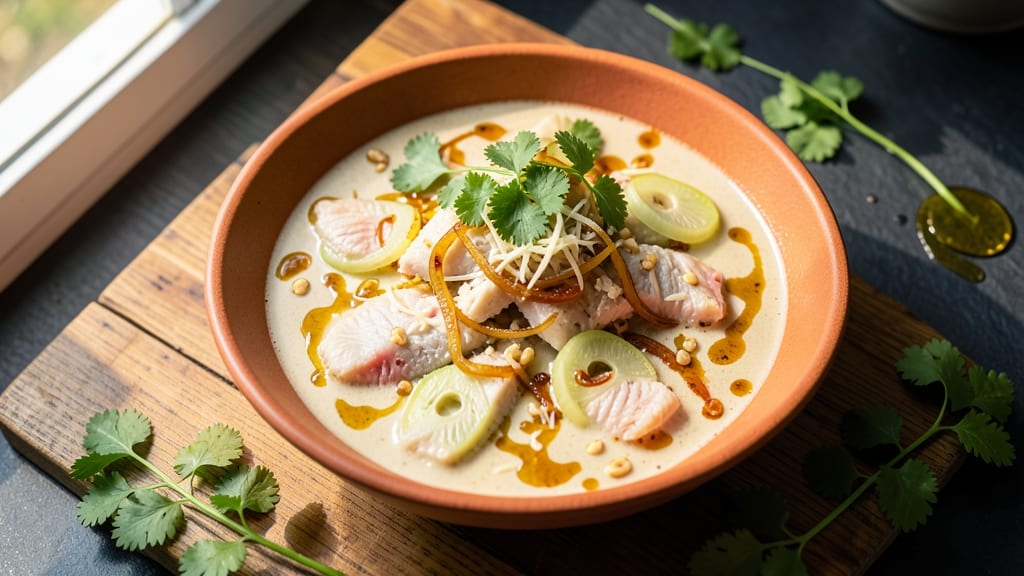
This Brazilian fish soup recipe transforms humble ingredients into a vibrant, aromatic masterpiece that captures the coastal soul of Brazil. The secret lies in dendê oil, which infuses the broth with its signature golden hue and nutty depth, while tender fish and palm heart add texture and tradition.
I've perfected this recipe through years of testing, ensuring every spoonful delivers the perfect balance of smoky, citrusy, and umami flavors that define Brazilian seafood cuisine.
What sets this dish apart is its versatility—whether you're recreating an authentic Moqueca or a lighter Caldeirada, the foundation remains the same: a slow-simmered broth that melds garlic, onions, and cilantro into a fragrant base.
The palm heart, often overlooked, provides a subtle crunch that elevates the soup from ordinary to extraordinary. This recipe serves as a gateway to Brazilian flavors, proving that complex tastes don't require complicated techniques.
The result is a soup that's as comforting as it is visually stunning, with tender fish flaking effortlessly and the broth singing with layers of flavor. The dendê oil doesn't just color the dish—it transforms it, adding a richness that pairs beautifully with crusty bread or a simple side salad.
Perfect for a cozy dinner or a festive gathering, this recipe brings a taste of Brazil's sun-drenched coast to your kitchen.
For those new to Brazilian cuisine, don't be intimidated by dendê oil—it's easier to find than you think, and a little goes a long way. The key is patience; letting the broth simmer allows the flavors to develop fully, creating a dish that's both hearty and refined.
Whether you're a seasoned home cook or a curious beginner, this recipe delivers restaurant-quality results with minimal effort.
Ingredients for brazilian fish soup
Dendê oil and palm heart create this vibrant Brazilian fish soup's signature magic.
| Ingredient | Amount | Notes |
|---|---|---|
| Dendê Oil 🫒 | ¼ cup | For signature golden hue and nutty flavor |
| White Fish Fillets 🐟 | 1 ½ lb | Firm white fish like cod or snapper |
| Palm Heart 🌿 | 1 cup | Pre-cooked, sliced thin |
| Yellow Onions 🧅 | 1 whole | Thinly sliced, yellow or red |
| Garlic Cloves 🧄 | 6 cloves | Minced for aromatic base |
| Fresh Cilantro 🌿 | ½ cup | Chopped, stems removed |
| Tomatoes 🍅 | 2 whole | Roma or vine-ripened, diced |
| Red Bell Pepper 🌶️ | 1 whole | Diced, any color |
| Fish Stock 💧 | 4 cups | Homemade or quality store-bought |
| Lemon Juice 🍋 | ¼ cup | Freshly squeezed |
| Bay Leaves 🍃 | 2 whole | For subtle earthy flavor |
| Salt 🧂 | 1 ½ tsp | Kosher or sea salt |
| Black Peppercorns 🌶️ | ½ tsp | Freshly ground preferred |
| Olive Oil 🫒 | 2 tbsp | For sautéing vegetables |
| Crusty Bread 🍞 | 1 loaf | For serving, optional |
Dendê oil is the soul of this dish—find it at Latin markets or specialty stores, not your average grocery aisle. The palm heart can be tricky to locate, but Brazilian or Caribbean grocery stores usually stock it pre-cooked and sliced. If you can't find palm heart, substitute with hearts of palm from a can, but rinse it well to remove excess sodium. For the fish, firm white varieties like cod or snapper hold up best to the long simmer—ask your fishmonger for recommendations if you're unsure. Fresh cilantro is ideal, but dried oregano at half the amount works in a pinch.
No dendê oil? Toasted coconut oil at one-third the amount mimics some of the nutty richness, though it won't replicate that signature golden color. The fish stock is non-negotiable for depth—homemade is best, but quality store-bought works too. If you're using canned tomatoes, San Marzano makes all the difference. For the bell pepper, any color works, but red adds a nice visual contrast to the golden broth. The bay leaves should be lightly crushed before adding to release their flavor. And that crusty bread? Store-bought baguettes work perfectly—just toast them lightly before serving.
This soup tastes even better the next day as the flavors meld. Store leftovers in an airtight container in the fridge for up to 3 days. The broth freezes beautifully for up to 3 months, though the fish texture may soften slightly. For serving, keep that crusty bread warm in a low oven (200°F) with a damp towel to prevent drying. The palm heart and fish can be prepped ahead—just store them separately in the fridge until ready to cook. The dendê oil should be stored in a cool, dark place after opening, as light can degrade its quality over time.
Why You'll Love This Recipe
- No Chopping Needed: I swear by this—just slice the onions and garlic, then let the palm heart and fish do the work. The dendê oil gives it that signature golden hue with zero fuss, and the fish flakes apart so easily it feels like cheating.
- Umami Bomb: That first spoonful of soup? Chef’s kiss. The dendê oil carries this deep, nutty richness while the palm heart adds a satisfying crunch, and the garlic? It’s like a little flavor explosion you can’t resist. Honestly, it’s the kind of taste that makes you go back for seconds without thinking.
- Weeknight to Party: Between us, this soup is my go-to when I need something quick but still impressive. Serve it with crusty bread for a casual dinner, or bring it to a potluck—it’s light enough for summer but hearty enough to feel special. My friends always ask for the recipe, and now you can make it too.
- Leftovers That Don’t Suck: Most soups turn sad the next day, but not this one. The palm heart holds its texture, the fish stays flaky, and the broth actually gets better as the flavors meld. I’ll be real: I’ve reheated this for lunch three times, and it’s still solid. Plus, it’s budget-friendly—dendê oil goes a long way, and white fish is affordable. Win-win.
Step-by-step instructions for Brazilian fish soup
Transform simple ingredients into a rich, flavorful Brazilian fish soup with this authentic method.
Sauté Aromatics in Olive Oil
Heat the 2 tablespoons olive oil in a large pot over medium heat. Add the 1 whole yellow onions, sliced thin, and cook for 5 minutes until softened and translucent. This step builds the flavor foundation—don't rush it.
Add the 6 cloves garlic cloves, minced, and cook for another 1 minute until fragrant. The garlic should sizzle gently without browning. Here's the thing—if it starts to darken too quickly, reduce the heat slightly. You want aromatic, not burnt, flavor.
Add Vegetables and Seasonings
Increase heat to medium-high and add the 1 whole red bell pepper, diced, and 2 whole tomatoes, diced. Cook for 4-5 minutes until the vegetables begin to soften. The bell pepper should release its natural sweetness while the tomatoes break down slightly.
Stir in the 1 cup palm heart, sliced thin, and cook for 2 more minutes. Add the 2 whole bay leaves, 1.5 teaspoons salt, and 0.5 teaspoon black peppercorns. This combination creates the perfect balance of earthy and bright flavors that define this Brazilian dish.
Build the Broth
Pour in the 4 cups fish stock and bring to a gentle simmer. Let it cook uncovered for 10 minutes to allow the flavors to meld. The broth should smell rich and aromatic—this is your signal that the base is developing properly.
Add the 0.25 cup lemon juice and stir well. The acidity brightens the entire soup, cutting through the richness of the palm heart and fish. Here's where it gets fun—taste and adjust seasoning if needed. I usually add a pinch more salt at this stage to ensure perfect balance.
Incorporate the Signature Dendê Oil
Remove the pot from heat and carefully stir in the 0.25 cup dendê oil. This is the moment that matters—the oil will give the soup its signature golden hue and nutty flavor. Stir gently to emulsify it into the broth without breaking the soup's texture.
Return the soup to low heat and add the 1.5 lb white fish fillets. Let them cook for 4-5 minutes until they become opaque and flake easily with a fork. The fish should be just cooked through—overcooking will make it dry and rubbery. Don't walk away during this step.
Finish and Serve
Remove the fish from the pot and set aside. Stir in the 0.5 cup fresh cilantro, chopped, and let it steep for 1 minute to infuse the soup with fresh herb flavor. The cilantro should be evenly distributed throughout.
Return the fish to the pot and let it warm through for 1 minute. Ladle the soup into bowls, placing a piece of fish in each. Serve immediately with 1 loaf crusty bread on the side for dipping. The soup should be rich, aromatic, and perfectly balanced between the nutty dendê oil, tender fish, and bright citrus notes.
Pro Tips For Making Brazilian Fish Soup
- Sear the Palm Heart First: I learned this the hard way—skipping this step means your palm heart will turn to mush instead of staying tender. Slice it into ½-inch rounds, pat dry, and sear in dendê oil over medium-high heat for 2-3 minutes per side until golden. The caramelized edges add depth to the soup, and it won’t fall apart when you add the broth later.
- Don’t Overcrowd the Pot: Yes, even if you’re impatient like me, resist the urge to dump everything in at once. Cook the onions and garlic in dendê oil until deeply golden (about 8-10 minutes), then remove half to make space. This lets the aromatics build flavor without steaming, which dulls the taste. Your soup will thank you with a richer base.
- Use Fresh Fish, But Prep It Right: Brazilian fish soup demands freshness, but filleting too early ruins the texture. Pat the fillets dry with paper towels right before adding them to the simmering broth—this prevents them from absorbing liquid and turning soggy. And for the love of all things crispy, add them last, when the soup is hot but not boiling, so they cook just 2-3 minutes.
- Bloom the Garlic Low and Slow: Sounds weird, but it works: after sautéing onions until soft, add whole garlic cloves (peeled) and cook them uncovered on low heat for 5-7 minutes. This turns them golden and nutty without burning, which happens faster than you’d think. Crush them right in the pot—no need to remove them—and the soup gets that deep, toasty flavor that’s the soul of the dish.
Flavor customization for this dish
Spicy Kick
For a fiery twist, add 1-2 tablespoons of hot sauce (like Tabasco or Malagueta) or ½ teaspoon cayenne pepper when sautéing the aromatics. If you love heat, try ½ cup diced jalapeños along with the bell pepper—they’ll add a smoky depth.
I like to balance the spice with extra lemon juice to keep the soup refreshing. 🌶️
Creamy Coconut Swap
If dendê oil is hard to find, replace it with ¼ cup coconut milk for a creamy, tropical flavor. Use light coconut milk to avoid heaviness, and add it at the end with the cilantro.
For extra richness, stir in 1 tablespoon toasted coconut flakes as a garnish. This version works especially well with white fish like mahi-mahi.
Herb Variations
Swap out cilantro for ½ cup chopped parsley or 2 tablespoons fresh basil for a different herbal note. For a more robust flavor, add 1 teaspoon dried oregano with the bay leaves.
If you’re feeling adventurous, try ½ cup chopped kale—it adds a subtle bitterness that pairs beautifully with the fish and palm heart.
Smoky Depth
Infuse the broth with smokiness by adding 1 smoked paprika or ½ teaspoon liquid smoke when sautéing the onions. For a deeper flavor, char the onions and bell pepper under a broiler for 2-3 minutes before adding them to the pot.
This technique adds a caramelized, smoky richness that’s perfect for a heartier soup. 🔥
Citrus Boost
Brighten the soup with extra citrus by adding zest from 1 lime along with the lemon juice. For a sweeter contrast, stir in 2 tablespoons orange juice at the end.
The citrus not only enhances the flavors but also balances the richness of the dendê oil and palm heart, making each spoonful feel fresh and vibrant.
Vegetable Add-Ins
Boost nutrition and texture with ½ cup diced zucchini or ½ cup corn kernels. Add them with the bell pepper and tomatoes so they cook through without turning mushy. For a heartier soup, include ½ cup diced potatoes—they’ll soak up the broth and add a satisfying bite. Just
Nutrition facts
Frequently asked questions
What makes dendê oil essential in this Brazilian fish soup?
Dendê oil is the soul of this recipe—it provides that signature golden color and nutty, slightly smoky depth that defines Brazilian coastal cuisine. The oil doesn't just color the soup; it adds a rich, toasty flavor that pairs perfectly with the citrusy lemon and fresh herbs. Without it, you'd miss the authentic taste that makes this dish truly special.
Can I substitute palm heart if I can't find it?
Yes! Use hearts of palm from a can instead, but be sure to rinse them thoroughly to remove excess sodium. For a different texture, try sliced zucchini or green beans—they'll add freshness but won't replicate the subtle crunch of palm heart. If you want to stay closer to tradition, asparagus spears work surprisingly well too.
How do I know when the fish is fully cooked?
The fish is done when it becomes opaque and flakes easily with a fork—this usually takes 4-5 minutes in the simmering broth. For thicker fillets, check the center first, as it cooks slower than the edges. Overcooking will make the fish dry, so keep an eye on it during the last few minutes of cooking.
What's the best way to store leftovers?
Store leftovers in an airtight container in the fridge for up to 3 days. The soup actually tastes better the next day as flavors meld! For longer storage, freeze the broth separately from the fish (which freezes best for 1 month)—this way, you can thaw just what you need without dealing with soggy fish.
Can I make this soup without dendê oil?
While dendê oil gives the signature flavor, you can use toasted coconut oil (1/3 the amount) for a tropical alternative or extra olive oil for a milder taste. The soup will still be delicious—just missing that distinctive golden hue and nutty depth. For a smoky twist, add 1/2 teaspoon smoked paprika when sautéing the aromatics.