
Soups & Stews
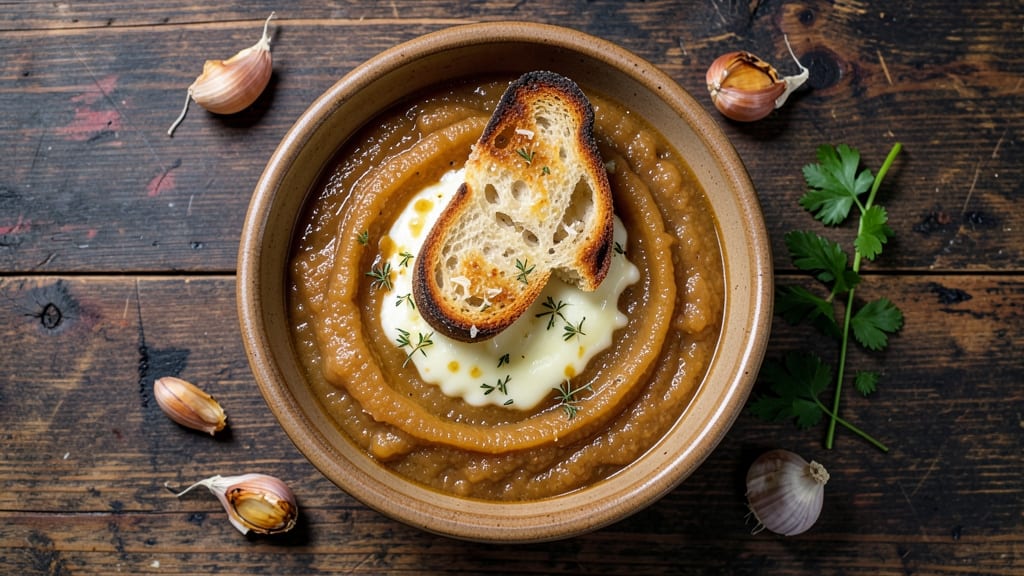
This Bouchon French onion soup recipe transforms humble ingredients into a dish that feels like a Parisian bistro experience—caramelized onions layered with tender beef broth, topped with toasted baguette and melted Gruyère that turns golden and bubbly.
The secret lies in slow-cooking onions until they're deep amber, developing complex sweetness that forms the soul of this classic. What sets this version apart is the technique: onions cooked in butter until they're almost jam-like, then simmered with beef broth until rich and velvety.
The result is a soup that delivers restaurant-quality depth at home—each spoonful offers layers of flavor from the caramelized onions, savory beef broth, and umami-rich Gruyère that melts into a luscious blanket over the bread.
This isn't just comfort food; it's a celebration of French culinary technique that transforms simple ingredients into something extraordinary. The key is patience: letting the onions develop their signature sweetness before building the broth and assembling the dish.
When baked, the Gruyère transforms into a golden, bubbling cloud that encases the bread, creating a crispy top that contrasts beautifully with the creamy soup beneath. The aroma alone—caramelized onions mingling with toasted bread and melted cheese—will have everyone gathered at your table.
This is the kind of dish that feels special enough for company but simple enough for weeknights, when you want to recreate that Parisian bistro magic in your own kitchen.
For an elevated touch, consider finishing with a drizzle of truffle oil or a sprinkle of fresh thyme before serving. The soup keeps well in the fridge for up to three days, making it perfect for meal prep or entertaining.
Here's how to create this timeless classic that'll become your new go-to for chilly evenings.
Ingredients for bouchon french onion soup
Caramelized onions, rich beef broth, and melted Gruyère create this bistro-worthy French classic.
| Ingredient | Amount | Notes |
|---|---|---|
| Yellow Onions 🧅 | 4 large | Sliced thinly for even cooking |
| Unsalted Butter 🧈 | ½ cup | High-fat content for caramelization |
| Beef Broth 🍲 | 6 cups | Homemade or high-quality store-bought |
| Baguette 🥖 | 1 whole | Crusty, sliced into 1-inch pieces |
| Gruyère Cheese 🧀 | 2 cups | Shredded, aged for best flavor |
| Garlic Cloves 🧄 | 4 cloves | Minced for aromatic depth |
| Fresh Thyme Leaves 🌿 | ¼ cup | Or 1 tsp dried thyme |
| Salt 🧂 | 1 ½ tsp | Kosher or sea salt preferred |
| Black Pepper 🌶️ | ½ tsp | Freshly ground for best flavor |
| White Wine 🍷 | ½ cup | Dry variety recommended |
| Olive Oil 🫒 | 2 tbsp | For finishing drizzle |
| Truffle Oil 🍄 | 1 tbsp | Optional gourmet finishing touch |
The onions are the heart of this dish—yellow onions with a vibrant color and crisp texture work best. Whole Foods or local markets often carry the freshest, most flavorful varieties. For the butter, Plugrá or European-style brands melt beautifully and add richness. Gruyère should be aged at least 12 months for that signature nutty depth—La Vache Qui Rit or Mirabelle are reliable brands. If you can't find fresh thyme, dried works at one-third the amount, but fresh is ideal for that bright aroma.
No white wine? Substitute with extra beef broth—just skip the deglazing step. For a vegetarian version, replace the beef broth with mushroom or vegetable broth, though the flavor will differ slightly. The baguette should be crusty—Brioche works too if you prefer something sweeter. If your Gruyère is pre-shredded, toast it first to remove excess moisture. The truffle oil is optional but adds an elegant finish—look for white truffle oil if you want the most authentic flavor.
This soup reheats beautifully—simmer gently before baking to restore its velvety texture. Store leftovers in the fridge for up to 3 days, though it's best enjoyed fresh. For make-ahead convenience, assemble the soup (without baking) up to 24 hours ahead and bake when ready to serve. The cheese topping can be prepped in advance and refrigerated, then baked just before serving to maintain its perfect golden crust.
Why You'll Love This Recipe
- One-Pot Magic: I swear by this recipe because it’s basically hands-off after the initial chop. Caramelize those onions in butter until they’re sticky gold—no stirring every two minutes, just let them slow-cook while you pull out the wine (or broth).
- Melty Perfection: Between us, the Gruyère-baked bread is what steals the show. That crispy crust with gooey cheese? It’s the kind of bite that makes you reach for seconds without thinking.
- Weeknight to Dinner Party: Honestly, I make this for lazy Tuesdays and impress guests. The rich broth and toasty bread feel fancy, but it’s really just onions, butter, and a little patience—no stress, just flavor.
- Budget-Friendly Luxury: A baguette and a wedge of Gruyère stretch this soup across meals. Leftovers reheat beautifully, and the deep, savory taste makes it feel like a splurge without the price tag.
Step-by-step instructions for bouchon French onion soup
This method delivers restaurant-quality soup with deep caramelized layers and perfect Gruyère clouds.
Caramelize the Onions Slowly
Heat the 0.5 cup unsalted butter in a large Dutch oven over medium-low heat. Add the 4 large sliced yellow onions and cook for 45-50 minutes, stirring occasionally. You're looking for deep golden brown color—this is where the magic happens. The onions should transform from pale to rich amber, releasing their natural sweetness. If they brown too quickly, reduce the heat further. This slow process develops complex flavors that separate this dish from ordinary onion soup.
After 30 minutes, add the 4 cloves minced garlic and 0.25 cup fresh thyme leaves, stirring to combine. The garlic should mellow rather than burn, infusing the onions with its aromatic depth. Keep the heat low and maintain patience—rushing this step results in bitter onions rather than sweet, caramelized layers. The thyme adds an earthy complexity that elevates the dish beyond basic onion soup.
Deglaze and Simmer the Broth
Pour in the 0.5 cup white wine and scrape up all the browned bits from the bottom of the pot with a wooden spoon. This deglazing step captures all the concentrated flavor you've built. Let the wine simmer for 3-4 minutes until mostly evaporated, then add the 6 cups beef broth. Stir well to combine all the caramelized onion mixture into the broth.
Bring the mixture to a gentle simmer, then reduce heat to low. Partially cover and let it cook for 20-25 minutes, allowing flavors to meld. This simmering step develops depth in the broth while keeping the onions tender. Taste and adjust seasoning with 1.5 tsp salt and 0.5 tsp black pepper—the caramelization process often makes the soup naturally sweet, so you may need less salt than usual.
Prepare the Baguette and Assemble
While the soup simmers, slice the 1 whole baguette into 1-inch thick pieces. Toast them in the oven at 375°F for 5-7 minutes until golden brown and crisp. This step is crucial—crispy bread contrasts perfectly with the creamy cheese topping. Arrange the toasted baguette slices directly in the Dutch oven, partially submerged in the soup. You'll want about 2 slices per serving for proper presentation.
Return the soup to a gentle simmer over low heat to maintain warmth while you prepare the cheese topping. The bread will absorb some of the broth, creating the perfect balance of flavors in each bite. Keep the soup at a gentle simmer—boiling will make the bread soggy before the cheese melts.
Create the Gruyère Clouds
Sprinkle the 2 cups shredded Gruyère cheese evenly over each serving of soup. The cheese should cover the bread completely and create a thick, golden layer. Place the Dutch oven under the broiler for 3-5 minutes until the cheese is deep golden brown and bubbly. Watch carefully—cheese burns quickly under the broiler. You want it to form beautiful, bubbly peaks rather than crispy brown patches.
For the finishing touch, drizzle each serving with 1 tablespoon truffle oil and 1 teaspoon olive oil just before serving. The truffle oil adds a luxurious aroma and depth of flavor that complements the rich onion and beef broth. The olive oil provides a subtle balance. Serve immediately while the cheese is still bubbly and the bread is crispy—this soup doesn't wait well.
Serve with Confidence
Ladle the soup carefully into deep bowls, ensuring each serving has its share of bread and melted cheese. The presentation should show the beautiful caramelized onions peeking through the Gruyère clouds. Each spoonful should deliver layers of flavor: sweet caramelized onions, rich beef broth, crispy baguette, and creamy Gruyère. The contrast between the crispy bread and melted cheese creates the perfect textural experience.
This dish tastes even better the next day as the flavors continue to develop, but the bread will be less crispy. For best results, serve immediately after broiling. Pair with a simple green salad and a glass of dry white wine to complement the rich flavors of the soup. The combination of techniques—slow caramelization, proper bread toasting, and careful broiling—makes this more than just onion soup; it's a true bouchon classic.
Pro Tips For Making Bouchon French Onion Soup
- Sweat the Onions Slow: Low heat is your friend here—crank the stove to medium and resist the urge to rush. I used to walk away after 10 minutes, but the magic happens when those onions turn deep amber and caramelize into a sticky, glossy mess. That’s when the soup gets its rich, complex flavor, not when they’re just soft.
- Salt the Butter First: Toss a generous pinch of salt into the butter before melting it—this seasons the onions from the start and cuts through their natural sharpness. Skipping this means you’ll be chasing flavor later with extra broth or salt, and that’s a bitter pill (literally).
- Broth Reduction Matters: Simmer the broth uncovered until it’s reduced by about 20%—this intensifies the beefy depth and thickens the soup just enough to cling to the bread. I learned this the hard way when I rushed it and ended up with a watery, sad version that couldn’t hold a crust.
- Toast Bread Slices: Dry the baguette slices in the oven for 5 minutes before topping with cheese—this guarantees a crispy crust instead of a soggy mess. Yes, it’s an extra step, but trust me, the difference is night and day. (Your future self will groan if you skip it.)
Dietary considerations for these flavors
Vegetarian Adaptations
Swap the beef broth for mushroom or vegetable broth to create a vegetarian version that still delivers rich depth. Use shiitake mushrooms sautéed with the onions to mimic the umami of beef—simmer 8 oz sliced shiitakes with the onions for 10 minutes before adding broth.
For extra protein, stir in ½ cup cooked lentils during the final simmer. The texture remains hearty, though the flavor profile shifts toward earthy mushrooms rather than beefy richness. 🌱
Gluten-Free Options
Replace the baguette with gluten-free bread like Schär's Ciabatta or BFree Baguette, both of which toast beautifully. For a more authentic texture, use gluten-free flatbread or crispy polenta slices (bake 1 cup cooked polenta into a thin crust at 375°F for 15 minutes).
The key is ensuring your bread holds up to the cheese topping—avoid overly soft gluten-free varieties that may turn mushy. 🥖
Dairy-Free Substitutes
Skip the Gruyère and use nutritional yeast for a cheesy flavor, or melt dairy-free cheese alternatives like Violife Smoked Gouda (sprinkle 1½ cups over the soup).
For extra richness, top with cashew cream—blend ½ cup soaked cashews with ¼ cup water and 1 tsp lemon juice, then drizzle over the soup before broiling. The texture won’t be identical, but it delivers a satisfying creamy contrast. 🧀
Low-Carb Modifications
Cut carbs by replacing bread with cauliflower "bread"—slice 1 head cauliflower into ½-inch rounds, brush with olive oil, and roast at 425°F for 20 minutes until crispy. Arrange the cauliflower slices in the soup, then top with cheese as usual.
For extra flavor, sprinkle with 1 tsp smoked paprika before roasting. This keeps the dish low-carb while maintaining the crispy-cheesy texture. 🥬
Allergen-Friendly Tips
For nut allergies, avoid cashew cream and opt for coconut milk (reduce to ¼ cup) as a dairy-free alternative. If you’re sensitive to sulfites, use freshly squeezed lemon juice instead of wine for deglazing—simmer ½ cup water with 1 tbsp lemon juice instead.
Always check labels on broths and cheeses for hidden allergens, especially in pre-shredded varieties. 🚫
Protein Boosters
Add ½ cup cooked ground turkey or lentils to the soup during the final 10 minutes of simmering for extra protein. For seafood lovers, stir in ½ cup cooked shrimp just before serving—their sweetness complements the caramelized onions beautifully.
If using shrimp, add them only in the last 2 minutes of simmering to prevent overcooking. 🍤
Nutrition facts
Frequently asked questions
Why does the recipe call for such a long caramelization time?
The 45-50 minute caramelization transforms simple onions into sweet, complex layers that define this dish. Slow cooking develops natural sugars and creates those signature amber hues that make it taste like a Parisian bistro. Rushing this step results in bitter, burnt onions instead of the sweet, jam-like texture you want.
Can I make this soup ahead of time?
Assemble everything (including cheese) up to 24 hours ahead, then refrigerate. When ready to serve, bake uncovered at 375°F for 15-20 minutes to restore the golden cheese crust. The flavors actually improve overnight as the broth deepens. Just add 5-10 minutes to the baking time if starting cold.
What's the best way to prevent soggy bread?
Toast the baguette slices until deep golden brown before adding to the soup, and keep the broth at a gentle simmer (not boiling) while assembling. For extra insurance, place the bread directly on the cheese topping rather than submerging it completely. The cheese acts as a barrier that keeps the bread crisp longer.
How do I know when the cheese is perfectly melted?
Look for deep golden brown color with bubbly, molten peaks—not just melted, but actively bubbling like a cloud. The cheese should be hot enough to stretch when you stir it slightly. If it's pale yellow, broil 1-2 minutes longer; if it's browned too quickly, reduce the broiler heat slightly next time.
What's the secret to restaurant-quality flavor?
Three things: slow caramelization (don't rush the onions!), high-quality Gruyère (aged at least 12 months), and freshly toasted bread. The combination of these elements creates that signature bistro experience. Even small details like using unsalted butter and dry white wine make a difference in the final depth of flavor.