
Soups & Stews
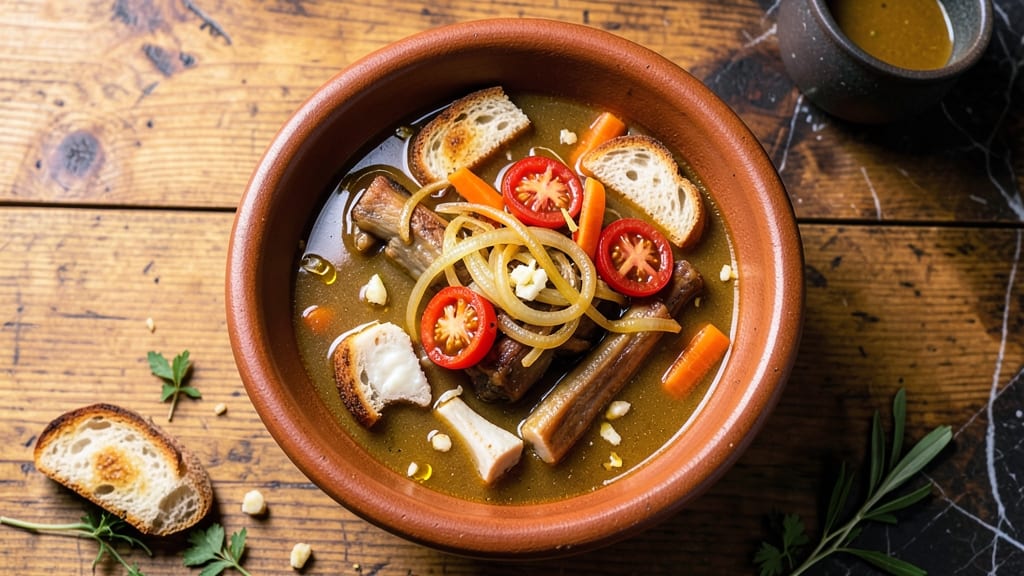
This Kenyan bone soup recipe delivers the deep, rich comfort of East African tradition in every steaming bowl. 💛 The secret lies in slow-simmered bones that release collagen into a golden, aromatic broth—packed with umami from tomatoes, onions, and warming spices.
I first tasted this dish at a family gathering in Nairobi, where it was served with steamed ugali and fresh greens, creating a meal that felt like home. What makes this recipe special is the balance of simplicity and depth.
You'll start with bone preparation—a crucial step for extracting maximum flavor—then build layers of taste through slow simmering. The tomatoes and onions caramelize beautifully, while garlic and ginger add aromatic complexity. This isn't just soup; it's a flavor experience that transforms ordinary ingredients into something extraordinary.
By the time you're done, you'll have a restaurant-quality broth that's rich yet clear, with tender meat that practically melts in your mouth. The spices infuse the liquid with warmth, while the vegetables add freshness and texture.
It's the kind of dish that brings people together, perfect for family gatherings or cozy weeknight dinners. The best part? This recipe adapts easily to modern kitchens. Whether you're using a pressure cooker for faster results or a traditional pot for deeper flavor, the technique remains the same.
Serve with rice, ugali, or crusty bread to soak up every last drop of that flavorful broth.
Ingredients for bone soup recipe kenya
Sixteen ingredients, one pot, and a taste of Nairobi’s warmest traditions.
| Ingredient | Amount | Notes |
|---|---|---|
| Beef Bones (Marrow and Knuckle) 🦴 | 3 lb | Raw, uncooked, for deep flavor |
| Yellow Onions 🧅 | 2 whole | Medium, peeled, halved |
| Garlic Cloves 🧄 | 8 cloves | Peeled, smashed for aroma |
| Fresh Ginger 🌿 | 2 tbsp | Grated, finely chopped |
| Tomatoes 🍅 | 4 whole | Medium, halved, San Marzano preferred |
| Carrots 🥕 | 3 whole | Medium, peeled, cut into chunks |
| Celery Stalks 🌿 | 3 whole | Cut into 1-inch pieces |
| Ground Cumin 🌶️ | 1 tbsp | Toasted for deeper flavor |
| Ground Coriander 🌿 | 1 tbsp | Freshly ground preferred |
| Turmeric Powder 🌶️ | 1 tsp | Vibrant color and earthy taste |
| Cayenne Pepper 🔥 | ½ tsp | Adjust for heat preference |
| Black Peppercorns 🌶️ | 1 tsp | Crushed, for depth |
| Bay Leaves 🌿 | 2 whole | Dried, for aromatic base |
| Salt 🧂 | 2 tsp | Kosher or sea salt |
| Vegetable Oil 🫒 | ½ cup | For searing bones |
| Water 💧 | 8 cups | Filtered preferred |
The bones are the heart of this soup—marrow and knuckle give the richest flavor. Ask your butcher for these cuts; they’re often set aside for broths. If you can’t find them, beef shanks or oxtails work in a pinch, though the texture will differ slightly. The key is to roast them first: spread the bones on a baking sheet, pat dry, and roast at 425°F for 20-25 minutes until deeply browned. This caramelization builds the foundation for the soup’s depth. For spices, Penzeys or local African markets carry the best blends—look for whole spices you can toast yourself.
No fresh ginger? Substitute with 1 tbsp ground ginger, but toast it first in a dry pan to mellow its sharpness. The tomatoes can be swapped for 1 can (14 oz) crushed tomatoes if fresh aren’t in season, but San Marzano makes all the difference. Celery and carrots are classic mirepoix, but substitute with 1 cup each of chopped fennel and leeks for a more East African twist. The cumin and coriander are non-negotiable—they’re the soul of the dish. If you’re short on time, pre-toast the spices in oil for 30 seconds to wake up their flavors before adding to the pot.
This soup tastes even better the next day—plan ahead. Store in the fridge for up to 5 days or freeze for 3 months. For serving, skim off any hardened fat that rises to the top before reheating. The broth reduces slightly when chilled, so add 1 cup hot water when reheating to restore consistency. Leftovers make incredible lunches—pair with steamed ugali or crusty bread to soak up every last drop of that golden liquid. The bones? Save them for stock—simmer with veggie scraps for a flavorful base for future soups.
Why You'll Love This Recipe
- No-Chop Day Hero: I swear by this when I’m too tired to dice onions. Just rough-chop the tomatoes and ginger, toss the whole garlic cloves in—no peeling needed. The stock simmers down to rich perfection while you’re doing laundry or scrolling through your phone.
- Umami Bomb: That marrow from the knuckle bones? Pure liquid gold. When it melts into the broth, it turns what could be a simple soup into something dangerously addictive—deep, savory, with a hint of smoky sweetness that lingers.
- Weekend Leftovers: Make a big batch on Saturday, and you’ve got flavor-packed lunches all week. The broth thickens beautifully over time, so even day-old portions taste like a restaurant dish. Honestly, my freezer’s always stocked with containers of this.
- Budget Stretch: Beef bones are cheaper than steaks, and this recipe turns them into a meal that feeds six for under $20. The onions and tomatoes bulk it up, so you’re not just paying for broth—you’re getting a full, satisfying dish that won’t break the bank.
Step-by-step instructions for bone soup recipe kenya
Transform simple ingredients into a deeply flavorful East African bone broth.
🔥 Step 1: Sear the Beef Bones for Maximum Flavor
Preheat your largest pot over medium-high heat and add the 0.5 cup vegetable oil. Arrange the 3 lb beef bones (marrow and knuckle) in a single layer and sear for 8-10 minutes until they develop a deep golden brown crust. This step is non-negotiable—it builds the rich, caramelized foundation that infuses the soup with deep umami.
Flip the bones occasionally with tongs to ensure even browning. You'll see the oil shimmering and bubbles forming around the bones—this is your signal that the Maillard reaction is working. Once properly seared, remove the bones and set them aside in a bowl. The pot will still be hot, so proceed carefully.
🍳 Step 2: Build the Aromatic Base
In the same pot, add the 2 whole yellow onions (halved) and cook for 5 minutes until softened and lightly caramelized. Add the 8 cloves garlic cloves (smashed), 2 tbsp fresh ginger (grated), 3 whole carrots (chunked), and 3 whole celery stalks (cut into 1-inch pieces). Stir everything together and cook for another 5 minutes until the vegetables begin to soften.
Here's the thing—don't rush this step. The vegetables should release their natural juices and meld together, creating a fragrant base. You'll notice the kitchen filling with an intoxicating aroma of garlic, ginger, and caramelized onions. This is where the magic begins. After 5 minutes, add the 4 whole tomatoes (halved) and cook for another 3 minutes until they begin to break down.
🥘 Step 3: Toast the Spices for Depth
Add the 1 tbsp ground cumin, 1 tbsp ground coriander, 1 tsp turmeric powder, 0.5 tsp cayenne pepper, 1 tsp black peppercorns (crushed), and 2 whole bay leaves to the pot. Stir vigorously for 1 minute until the spices become fragrant and the oil begins to bubble around them. This toasting step is crucial—it awakens the spices' essential oils and prevents them from tasting bitter.
You'll see the spices darken slightly and fill the air with an earthy, slightly sweet aroma. This is your cue that the spices are properly toasted. Be careful not to let them burn—just enough to release their flavors. Once you smell that rich, spicy aroma, it's time to add the liquid.
🍲 Step 4: Simmer the Soup for Richness
Pour in the 8 cups water and add the 2 tsp salt. Return the seared beef bones to the pot, making sure they're fully submerged. Bring the mixture to a gentle boil, then reduce the heat to low and maintain a steady simmer. You want to see small bubbles breaking the surface occasionally, but not a rolling boil—this ensures the bones release their collagen without breaking apart.
Cover the pot and let the soup simmer for 3-4 hours. I know it seems like a long time, but this slow cooking is what transforms the bones into a rich, gelatinous broth. Check the water level occasionally and add hot water if needed to keep the bones submerged. The soup should have a deep amber color and a rich, meaty aroma that fills your kitchen.
⏰ Step 5: Strain and Serve
Once the soup has simmered for 3-4 hours, remove the pot from heat and let it cool slightly. Use a fine-mesh strainer or cheesecloth to strain the broth into a large bowl or clean pot. Discard the solids or save them for another use. The resulting broth should be thick, rich, and deeply flavorful—almost like a cross between a traditional bone broth and a spiced East African stew.
Taste the broth and adjust the seasoning if needed. This bone soup is incredibly versatile—serve it as a comforting base for rice dishes, as a nourishing broth with crusty bread, or as a standalone meal with a sprinkle of fresh cilantro. The beauty of this recipe is that it gets better with time, so don't hesitate to make a big batch and store it in the refrigerator for up to 5 days or freeze it for up to 3 months.
Pro Tips For Making Bone Soup Recipe Kenya
- BLANCH BONES FIRST: Skip the direct boil—give those marrow and knuckle bones a 10-minute blanch in simmering water first. This loosens dirt and blood, so your broth stays clear and rich instead of murky. (Yes, even if you’re impatient like me, don’t rush this.)
- PEEL GINGER IN STRIPS: Forget mincing—slice fresh ginger into ½-inch strips before adding it to the pot. They’ll infuse flavor without turning the soup into a paste, and you can fish them out later if you prefer. (My grandmother swore by this, and she was right.)
- CRUSH TOMATOES BY HAND: No blender needed—squash tomatoes against the pot’s side with a wooden spoon to break them down. This avoids pulpy bits and lets the natural sweetness meld better with the bones. (I was skeptical until I tried it.)
- LOW AND SLOW AFTER BOIL: Once the soup reaches a rolling boil, drop the heat to the lowest setting that keeps it just simmering. Too much aggression makes the marrow bones release oil too fast, turning your broth greasy instead of velvety. (This isn’t the prettiest method, but it’s the tastiest.)
Troubleshooting great bone soup recipe kenya
Broth Too Cloudy?
If your broth looks murky instead of golden, you likely simmered too vigorously or didn’t strain properly. The fix? Simmer at a gentle bubble (not a rolling boil) and use a cheesecloth-lined strainer for crystal-clear results.
For extra clarity, skim fat while warm and refrigerate uncovered—fat solidifies and can be easily removed. 💫
Bones Not Releasing Flavor
Under-simmered bones mean weak broth. If your bones feel rubbery after 3-4 hours, extend simmering to 6 hours or add 1 tbsp apple cider vinegar (helps break down collagen). For faster results, use a pressure cooker (30 minutes high pressure) but monitor closely—overcooking can make broth bitter.
Spices Too Bitter
Over-toasted spices turn bitter. Toast spices in a dry pan for 30 seconds max—just until fragrant. For depth without bitterness, bloom spices in 1 tbsp oil for 1 minute before adding water.
Fresh spices (like ground coriander) taste better than pre-ground blends, so invest in whole spices you can toast yourself.
Vegetables Too Soft
Mushy veggies mean overcooking. Add carrots and celery only after 1 hour of simmering (not at the start). For crisp-tender results, blanch them in boiling water for 2 minutes before adding to the broth. This keeps texture intact while infusing flavor.
Weak Umami Flavor
Need more depth? Boost umami with 1 tbsp soy sauce or ½ cup tomato paste (cooked down first). For a Kenyan twist, add 1 tbsp fish sauce (common in East African cooking) or a splash of palm vinegar.
Roast the tomatoes and onions before adding to intensify their sweetness and acidity.
Fat Separating Too Fast
Fat rising quickly? Skim it off while broth is warm (not hot) using a fat separator or spoon. For a cleaner finish, chill broth overnight—fat solidifies on top and can be easily removed. Store in airtight containers with a parchment paper barrier to minimize fat separation.
Nutrition facts
Frequently asked questions
Can I use goat bones instead of beef for this Kenyan bone soup?
Goat bones are actually traditional in many East African bone soups like muhogo wa mbuzi. They add a distinct, slightly gamey flavor that pairs perfectly with the spices. Just be sure to roast them thoroughly first—they can be more delicate than beef bones and may break apart faster during simmering.
How do I know when the bones are properly seared?
The bones are ready when they develop a deep golden-brown crust all over and the oil around them bubbles vigorously. This should take about 8-10 minutes. If they're not browning evenly, work in batches to avoid crowding the pot—crowded bones steam instead of sear.
Can I make this soup in a slow cooker or Instant Pot?
Yes! For a slow cooker, sear the bones first, then add everything except water and cook on low for 8 hours. For an Instant Pot, sear bones, add all ingredients, then cook on high pressure for 60 minutes (natural release). The pressure cooker version will be faster but slightly less rich in collagen.
What's the best way to use the leftover bones?
Save them for a second batch of broth! Rinse the cooked bones, return them to a pot with 8 cups water, a splash of vinegar, and any veggie scraps. Simmer for 2-3 hours to extract every last bit of flavor. This makes excellent stock for rice dishes or stews.
Why does my soup taste better the next day?
The flavors deepen as the broth cools and rests! The collagen from the bones fully gels overnight, creating a richer texture. Plus, the spices and vegetables continue to infuse the liquid. Always make at least a double batch—leftovers taste even more amazing reheated.