
Soups & Stews
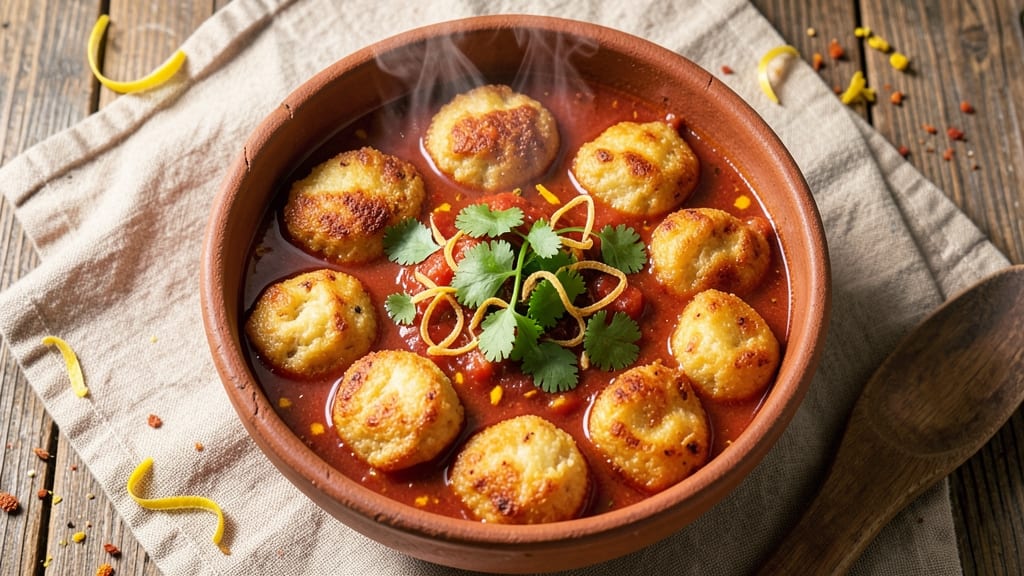
This Bonda Soup Recipe in Kannada brings the soul of Karnataka's home cooking to your table with crispy potato fritters floating in a tangy tamarind broth. 💛 The bondas—golden, spiced potato parcels—are the star, while the broth simmers with coconut, mustard seeds, and aromatic spices that create a perfect balance of sweet, sour, and spicy.
I've perfected this recipe to deliver restaurant-quality flavors at home, using simple techniques that make it accessible for any kitchen.
The magic happens in two parts: first, crafting the bondas with a light, airy batter that fries up crispy on the outside while staying tender inside. Then, building the broth with tamarind for that signature tang, coconut milk for richness, and a blend of spices that wake up every spoonful.
The result is a dish that's both comforting and vibrant—ideal for a cozy family meal or a special gathering.
What makes this recipe special is how the flavors develop as you cook. The bondas absorb the aromatic broth, becoming even more flavorful with each bite, while the tamarind adds a bright, tangy contrast that cuts through the richness.
This dish is vegetarian-friendly, packed with protein from the potatoes, and customizable with your favorite spices or garnishes like fresh coriander or a squeeze of lemon.
The best part? It's a one-pot wonder after the bondas are fried—just simmer the broth, add the fritters, and let the flavors meld together. Serve it with steamed rice or as a standalone soup, and you'll have a dish that feels like a hug in a bowl. Let's get cooking!
Ingredients for bonda soup recipe in kannada
Golden bondas and tangy tamarind broth—just 16 ingredients for a Kannada classic.
| Ingredient | Amount | Notes |
|---|---|---|
| Russet Potatoes 🥔 | 2 lbs | Peeled and cut into small cubes |
| All-Purpose Flour 🌾 | 1 cup | For batter consistency |
| Rice Flour 🌾 | ½ cup | For crispy texture |
| Baking Soda 🧂 | 1 tsp | For extra crispiness |
| Turmeric Powder 🌿 | ½ tsp | For golden color |
| Red Chili Powder 🌶️ | ½ tsp | Adjust for spice preference |
| Coconut Milk 🥥 | 1 can (13.5 oz) | Full-fat for richness |
| Tamarind Paste 🍯 | ½ cup | For tangy flavor |
| Mustard Seeds 🌿 | 1 tbsp | Toasted for aroma |
| Dried Curry Leaves 🌿 | 1 tsp | Or fresh if available |
| Green Chilies 🌶️ | 2 whole | Slit lengthwise for heat |
| Ginger 🧄 | 1 inch | Freshly grated |
| Garlic Cloves 🧄 | 4 cloves | Minced for depth |
| Cilantro Leaves 🌿 | ¼ cup | Fresh, chopped for garnish |
| Vegetable Oil 🫒 | 3 cups | For deep frying |
| Salt 🧂 | 1 ½ tsp | Adjust to taste |
The potatoes are the heart of this dish, so Russet potatoes are ideal—they stay firm when fried. Peeled and cubed uniformly ensures even cooking. For the batter, rice flour is key for that signature crispiness, but if you're out, semolina works too. I grab my spices from Penzeys for the best quality, but the regular grocery store stuff is fine if it's fresh. The turmeric gives those bondas their iconic golden color—don't skip it. For the tamarind, Trader Joe's has a great paste, or look for blocks at Indian markets.
No coconut milk? Coconut cream works too, but it's thicker. Fresh curry leaves are amazing, but dried leaves at half the amount get you close. Short on green chilies? Red chili powder at double the amount adds heat. The ginger and garlic can be pre-minced from the jar—no shame in shortcuts. For the batter, if you don't have rice flour, extra cornstarch helps with crispiness. And if you're feeling fancy, add a pinch of asafoetida (hing) to the batter for that authentic umami kick—worth the tiny jar at Indian stores.
The bondas stay crispy for about 2 days if stored in an airtight container, but honestly, they're best fresh. The broth can be made ahead and reheated—flavors deepen overnight. For leftovers, freeze the bondas separately and reheat in the broth for 2-3 minutes. Garnish with fresh cilantro right before serving, or it'll wilt. This dish is a crowd-pleaser—double the batch if you're feeding more than 4. Serve with steamed rice or as-is for a hearty vegetarian meal.
Why You'll Love This Recipe
- No-Fuss Bites: I swear by the magic of those little potato dumplings—just mash, shape, and drop. The baking soda trick (yes, really) gives them that signature lightness without fuss, and honestly? Even my toddler can help roll them.
- Golden Crunch Magic: Between us, that crispy exterior with the fluffy inside? It’s the kind of texture combo that makes you pause mid-bite. The turmeric isn’t just for color—it adds this warm, earthy depth that ties everything together beautifully.
- Leftover Hero: This soup begs to be made in bulk. The bondas reheat like a dream (just a quick simmer, no sogginess), and the broth only gets richer overnight. I’ve fed a houseful with one batch—no stress, just satisfaction.
- Pantry Staple Power: Russet potatoes, flour, and rice flour? Ingredients you already own. No specialty items, no last-minute grocery runs. Between us, this is my go-to when I’m low on energy but still crave something hearty and homey.
Step-by-step instructions for bonda soup in Kannada
Here's how to make these crispy potato fritters with a tangy, aromatic tamarind broth.
👨🍳 Step 1: Prepare the Potato Bonda Batter
In a large mixing bowl, combine the 2 lbs peeled and cubed russet potatoes with the 1 cup all-purpose flour, 0.5 cup rice flour, 1 tsp baking soda, 0.5 tsp turmeric powder, 0.5 tsp red chili powder, and 1.5 tsp salt. I like to mix this with my hands at first to break up any potato lumps—this ensures the batter coats each piece evenly.
Gradually add water, about ½ cup at a time, while mixing until you achieve a thick, spoonable consistency. The batter should cling to a spoon but not be too runny. If it's too thick, add a splash more water; if too thin, add a bit more rice flour. Let the batter rest for 10 minutes—this helps the flours absorb properly and prevents the bondas from falling apart during frying.
🔥 Step 2: Fry the Potato Bondas to Golden Perfection
Heat 3 cups vegetable oil in a deep pot over medium-high heat until it reaches 350°F—test by dropping in a small piece of potato batter. It should sizzle and rise immediately. Working in batches to avoid overcrowding, carefully drop spoonfuls of batter into the hot oil.
Fry for 3-4 minutes until the bondas turn a deep golden brown and float to the surface. Use a slotted spoon to transfer them to a paper towel-lined plate. Let them drain for 2 minutes—this removes excess oil but keeps them crispy. Real talk: don't skip this draining step or your broth will turn greasy. Keep the fried bondas warm in a 200°F oven while you prepare the soup base.
🍳 Step 3: Create the Tangy Tamarind Broth
In a large pot, heat 1 tbsp mustard seeds in 1 cup water over medium heat until they pop. Add the 1 inch grated ginger, 4 minced garlic cloves, 2 slit green chilies, and 1 tsp dried curry leaves, cooking for 1 minute until fragrant—this is where all the magic happens for that authentic Kannada flavor.
Pour in the 1 can (13.5 oz) coconut milk and 0.5 cup tamarind paste, stirring well. Bring to a gentle simmer, then add 2 cups water and let it cook for 5 minutes until the tamarind dissolves completely. Taste and adjust the salt if needed—the broth should be tangy but not overly sour.
🥘 Step 4: Combine and Finish the Soup
Add the fried bondas to the simmering broth and gently stir to coat them evenly in the tangy sauce. Let it cook for 3-4 minutes—just enough time to warm through without making the bondas soggy. The broth should be flavorful but not overpowering, letting the crispy bondas shine.
Remove from heat and stir in the 0.25 cup chopped cilantro leaves. Here's the thing—this is the moment that matters: let the soup rest for 5 minutes before serving. This allows the flavors to meld together perfectly. Serve hot with extra cilantro on top and a squeeze of lemon if you like.
Pro Tips For Making Bonda Soup Recipe In Kannada
- Boil Potatoes Firm: Russets break when overcooked—stop at just tender, not mushy. Test with a knife: it should pierce easily but still have slight resistance. Over-boiled potatoes turn to paste in the soup, and nobody wants that.
- Sift the Flours Together: Mix all-purpose flour and rice flour first, then add baking soda. Sifting removes lumps and ensures even distribution—no one wants a dense, gummy batter. I learned this after my first batch turned out like a hockey puck.
- Rest the Batter 10 Minutes: Let the batter sit before frying—it thickens and absorbs flavors better. Skip this, and your bondas will puff unevenly or collapse. (Yes, even if you’re impatient like me.)
- Fry in Batches, Not Crowds: Overloading the oil drops the temperature, leading to greasy, soggy bondas. Keep the pan at medium-high heat and fry in small batches—golden, crispy ones every time. I burned through three batches before I got this right.
Storing and reheating this recipe
Broth Prep Ahead
The tamarind broth is where the magic happens, and it actually tastes better the next day. After making the broth (without the bondas), let it cool completely and transfer it to an airtight container.
Store it in the refrigerator for up to 3 days—the flavors deepen as the spices meld together. When you're ready to serve, simply reheat it gently over low heat or in the microwave until warm. Add the bondas just before serving to keep them crispy. 💛
Bonda Storage
Fried bondas stay crispy for about 2 days if stored properly in an airtight container at room temperature. For longer storage, freeze them in a single layer on a tray before transferring to a freezer bag—this prevents them from sticking together.
When reheating, pop them directly into the broth for 2-3 minutes over medium heat until warmed through. They’ll absorb the broth’s flavors beautifully, making them taste almost as good as fresh.
Reheating Leftovers
If you’ve made extra bondas or broth, reheating is a breeze. For the broth alone, warm it on the stovetop over low heat or in the microwave until steaming.
For the bondas, toss them into the broth and heat for 3-4 minutes—just enough to warm them without making them soggy. If reheating in the microwave, cover with a damp paper towel and heat in 30-second intervals, stirring between each, until hot.
Garnish with fresh cilantro right before serving to keep it vibrant. ✨
Freezer-Friendly Tips
This dish freezes beautifully, making it perfect for meal prep. Freeze the bondas separately in a single layer, then transfer to a bag with parchment paper between layers to prevent sticking. The broth can be frozen in its own container.
When ready to serve, thaw the broth in the fridge overnight, then reheat it with the bondas added in the last 3-4 minutes of cooking. The bondas will crisp up slightly as they warm through, giving you that satisfying texture even after freezing. 🥶
Broth Boosts
If your broth tastes a bit flat after reheating, don’t worry—it’s an easy fix. A splash of fresh lemon juice or a pinch of asafoetida (hing) can brighten it up instantly. For extra richness, stir in a little coconut milk while reheating.
And if the bondas seem dry, add a splash of water or broth to the pot to steam them gently for 1-2 minutes—this restores their moisture without losing crispiness. 💡
Nutrition facts
Frequently asked questions
Can I make bonda soup without deep-frying?
For a healthier version, bake the bondas instead. Preheat your oven to 400°F and brush a baking sheet with oil. Drop spoonfuls of batter onto the sheet, flatten slightly, and bake for 15-18 minutes until golden and crisp. The texture will be slightly different but still delicious. Just reduce the oil in the broth by ½ cup since baked bondas absorb less.
What's the secret to keeping bondas crispy in the broth?
Timing is everything! Add the bondas to the broth just before serving and simmer for only 2-3 minutes. Any longer and they'll start absorbing moisture. For extra crispiness, keep them warm in a 200°F oven while you finish the broth, then add them right at the end. A quick toss in the broth right before serving works too!
Can I use other vegetables besides potatoes?
Yes! For a different twist, try cauliflower (cut into small florets) or sweet potatoes (peeled and diced). The batter ratio stays the same, but you might need slightly more flour for denser vegetables. Just ensure they're cooked through before adding to the batter. Cauliflower bondas have a lovely texture—almost like a cross between a fritter and a dumpling!
How do I adjust the spice level for kids?
Reduce the red chili powder to ¼ tsp and skip the fresh green chilies. For extra kid-friendly appeal, add a pinch of sugar (about ½ tsp) to the broth to balance the tamarind's tang. Serve with a side of plain yogurt for dipping—it helps cool the mild heat and makes it more fun for little ones.
What's the best way to serve bonda soup?
This soup is perfect on its own, but it pairs beautifully with steamed basmati rice or fluffy appam (Kannada rice hoppers). For a complete meal, add a side of cucumber raita or a simple mango salad to balance the richness. Garnish with extra cilantro, a squeeze of lemon, and a drizzle of coconut milk for an elegant touch.