
Soups & Stews
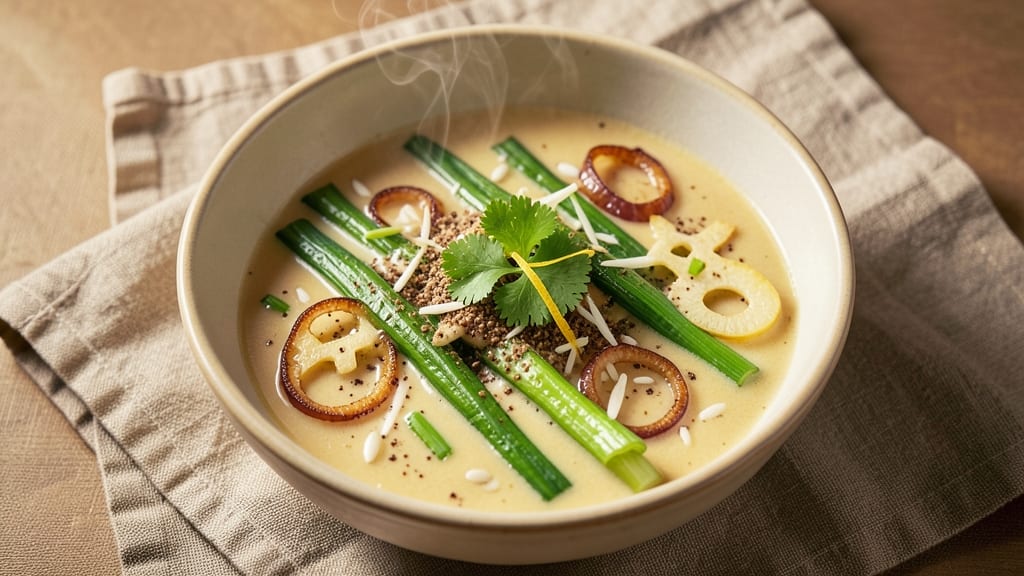
This turmeric-infused bok choy Indian soup transforms humble greens into a fragrant, spice-forward dish that balances earthy warmth with fresh herb brightness. The secret lies in slow-simmered aromatics—cumin, ginger, and garam masala—that infuse every spoonful with layers of depth, while turmeric lends its signature golden hue and anti-inflammatory benefits.
I developed this recipe after discovering how bok choy’s tender stems and crisp leaves hold up beautifully to Indian spices, creating a vegetarian bowl that’s both comforting and vibrant.
The foundation begins with a tempering technique—toasting whole spices in hot oil to unlock their essential oils—before building a fragrant broth from coconut milk and vegetable stock. This approach ensures the soup is rich yet light, with bok choy absorbing the flavors without losing its natural crunch.
The addition of lemon juice at the end brightens the dish, cutting through the spice while highlighting the greens’ freshness. It’s the kind of soup that warms the soul while keeping the palate lively.
What makes this recipe stand out is its versatility—it works as a light lunch, a side for grilled meats, or even a healing bowl for cold weather. The turmeric not only adds color but also delivers anti-inflammatory benefits, making it a nourishing choice.
Garnished with fresh cilantro and a drizzle of coconut cream, it becomes a visual and culinary delight that’s impossible to resist. Perfect for weeknight dinners or meal prep, this soup is a testament to how simple ingredients can create extraordinary flavors.
Whether you’re serving it to family or treating yourself, this Indian-inspired bok choy soup delivers restaurant-quality results with minimal effort. The slow simmer allows flavors to meld beautifully, while the fresh herbs and lemon ensure each bite is bright and inviting.
Let’s get cooking—your taste buds (and immune system) will thank you.
Ingredients for bok choy soup indian
These vibrant ingredients transform simple bok choy into a fragrant turmeric-infused Indian soup.
| Ingredient | Amount | Notes |
|---|---|---|
| Bok Choy 🥬 | 12 oz | Baby or regular, stems separated |
| Coconut Milk 🥥 | 1 can | Full-fat, 13.5 oz can |
| Vegetable Stock 💧 | 4 cups | Low-sodium preferred |
| Garam Masala 🌶️ | 1 ½ tsp | Whole spices preferred |
| Fresh Ginger 🧄 | 2 tbsp | Finely grated, peeled |
| Ground Cumin 🌿 | 1 tsp | Toasted for depth |
| Turmeric Powder 🧂 | 1 tsp | Organic preferred |
| Garlic Cloves 🧄 | 4 cloves | Minced finely |
| Fresh Cilantro 🌿 | ¼ cup | Chopped, stems removed |
| Lemon Juice 🍋 | 1 ½ tbsp | Freshly squeezed |
| Extra-Virgin Olive Oil 🫒 | 2 tbsp | For tempering |
| Coconut Cream 🥥 | ½ cup | Thick, for garnish |
| Salt 🧂 | ½ tsp | Adjust to taste |
| Black Pepper 🌶️ | ¼ tsp | Freshly cracked |
The foundation starts with garam masala—look for brands like MDH or Patanjali for authentic flavor. Whole spices toasted in olive oil release deeper aromatics than pre-ground powders. Fresh ginger and garlic are non-negotiable here; organic produce from Whole Foods or local markets ensures maximum potency. Bok choy should have crisp stems and vibrant green leaves—avoid wilted bunches. The coconut milk must be full-fat for optimal creaminess; Thai Kitchen or Aroy-D brands deliver consistent quality. For turmeric, organic powder from Frontier Co-op provides superior color and anti-inflammatory benefits compared to conventional brands.
No garam masala? Substitute 0.5 tsp each of cinnamon, cardamom, and coriander for a close approximation. Fresh ginger unavailable? Use 1 tbsp grated powdered ginger, but expect slightly less complexity. Short on cilantro? Fresh parsley or basil work in a pinch, though the flavor profile shifts. The vegetable stock can be homemade or low-sodium store-bought—just dilute if overly salty. For extra richness without dairy, cashew cream makes a luxurious substitute for coconut cream in garnishes. Always rinse bok choy stems thoroughly before chopping to remove any grit from the soil.
Store fresh ginger and garlic in a cool, dark place for up to 3 weeks, or freeze in ice cube trays for longer storage. Coconut milk remains stable for 6 months unopened, but once opened, refrigerate and use within 1 week. The finished soup reheats beautifully—simmer gently to preserve texture, adding a splash of water if needed. For meal prep, portion into glass containers with a layer of olive oil on top to prevent oxidation. Garnishes like cilantro and lemon juice should be added just before serving to maintain their vibrant freshness.
Why You'll Love This Recipe
- One-Pot Magic: I swear by this recipe on days I’d rather not wash a million dishes—just one pot, simmered low. The bok choy wilts into tender perfection while the coconut milk and garam masala work their flavor spell, and honestly? That’s all the cleanup I can handle after a long day.
- Ginger-Creamy Bliss: The fresh ginger hits first—bright, zesty, like a little kick in your mouth—then the coconut milk swoops in with its velvety warmth. That contrast? Pure satisfaction, especially when the garam masala ties it all together with a cozy, spiced embrace. (Yes, even on a Tuesday night.)
- Leftovers That Shine: This soup only gets better the next day. The flavors meld into something richer, and the bok choy holds its shape perfectly for reheating. I make a double batch on Sundays because it’s my go-to for lazy lunches or when unexpected guests drop by—no stress, just delicious.
- Budget Bright Spot: Vegetable stock and bok choy keep this dish affordable without sacrificing depth. The garam masala adds that restaurant-worthy warmth for pennies, and coconut milk stretches generously. Between us, it’s my secret weapon for feeding the family without breaking the bank.
Step-by-step instructions for turmeric-infused bok choy soup
This aromatic Indian-inspired soup delivers vibrant turmeric warmth and fresh herb brightness in every spoonful.
Prepare the Aromatic Base
Heat the 2 tablespoons extra-virgin olive oil in a large pot over medium heat. Add the 2 tablespoons finely grated fresh ginger and 4 minced garlic cloves, cooking for 2-3 minutes until the garlic becomes fragrant and just begins to color at the edges. This gentle cooking releases their full flavor without burning.
Stir in the 1 teaspoon ground cumin and 1 teaspoon turmeric powder, toasting for 30 seconds until the spices emit an earthy aroma. Immediately add the 4 cups vegetable stock and bring to a gentle simmer. Here's the thing—don't rush this step. The spices need time to bloom and infuse the liquid with their characteristic warmth.
Incorporate the Vegetables
Separate the 12 ounces bok choy into stems and leaves. Add the stems to the simmering broth and cook for 3-4 minutes until they begin to soften. Stir occasionally to prevent sticking. The stems should maintain some structure—they'll finish cooking later.
After the stems soften, add the leaves and cook for an additional 2 minutes until they wilt slightly. This brief cooking preserves their vibrant green color and crisp texture. Remove from heat and stir in the 1.5 teaspoons garam masala, allowing it to steep for 5 minutes. This step develops the soup's complex, layered spice profile.
Finish with Coconut and Herbs
Reduce the heat to low and stir in the 1 can coconut milk and 0.5 cup coconut cream. The coconut's richness balances the earthy spices while adding a velvety texture. Let the soup simmer gently for 5 minutes, stirring occasionally to prevent skin formation.
Remove from heat and stir in the 0.25 cup chopped fresh cilantro and 1.5 tablespoons lemon juice. The lemon brightens the dish, cutting through the richness while enhancing the turmeric's natural vibrancy. Taste and adjust seasoning with the 0.5 teaspoon salt and 0.25 teaspoon black pepper as needed.
Serve with Garnish and Freshness
Ladle the soup into bowls and garnish each serving with an additional sprinkle of chopped cilantro and a drizzle of coconut cream. The contrast between the vibrant green herbs and creamy garnish makes this dish visually appealing while adding freshness with every bite.
Serve immediately while the soup is hot. The combination of turmeric's warm spice, coconut's creaminess, and lemon's brightness creates a harmonious balance that defines this Indian-inspired bok choy soup. For best results, prepare just before serving to maintain the freshest possible flavors.
Pro Tips For Making Bok Choy Soup Indian
- CHAR THE GINGER FIRST: Don’t just toss in raw ginger slices—grate it fresh and let it sizzle in the oil for 30 seconds until it fragrant and just starting to turn golden. I learned this the hard way: skipping this step means your soup tastes like it’s missing half its soul. The heat unlocks the ginger’s oils, and that’s where the warmth comes from.
- CUT BOK CHOY IN HALF LENGTHWISE: Split each stalk down the middle so the leaves fan out. This keeps the stems tender while letting the leaves crisp slightly at the edges—exactly how I like it. If you leave them whole, the centers stay stubbornly crunchy no matter how long you simmer.
- STIR IN GARAM MASALA LAST: Add the garam masala right after the coconut milk, but only when the soup is done simmering. Stirring it in too early burns the spices, turning your soup bitter instead of aromatic. Think of it like adding coffee grounds to hot water—timing matters.
- USE FULL-FAT COCONUT MILK: Skip the light version—it splits and makes your soup look like a science experiment gone wrong. Full-fat gives that creamy, velvety texture without curdling. If you’re out, at least warm the can gently before adding it to the pot. Cold milk in hot liquid is a one-way ticket to separation city.
Creative variations of these flavors
Spicy South Indian Style
Transform this soup into a tangy, spicy South Indian masterpiece by adding 1 tbsp tamarind paste and 1 tsp red chili powder when toasting the spices. Replace garam masala with ½ tsp each coriander, fennel, and black pepper for a Kerala-inspired twist.
Finish with ½ cup coconut chutney (blend ½ cup coconut, 1 tbsp lime juice, and 1 tsp jaggery) drizzled on top. This version is commonly served with steamed rice or appam in Kerala households.
North Indian Creamy Delight
For a richer, creamier North Indian adaptation, swap coconut milk for ½ cup heavy cream and add 1 tbsp yogurt when simmering the soup. Stir in ½ tsp kasuri methi (dried fenugreek leaves) at the end for that signature Punjabi restaurant touch.
Garnish with toasted cumin seeds and a pinch of chaat masala for a sweet-spicy finish. This version pairs beautifully with naan bread or roti.
Thai-Inspired Fusion
Blend 1 stalk lemongrass and 1-inch galangal with the ginger and garlic for an authentic Thai fusion. Add 1 tbsp fish sauce (or soy sauce for vegetarian) and 1 tsp palm sugar when simmering.
Top with thinly sliced Thai basil and crushed peanuts for texture. This version balances the Indian spices with bright, herbal Thai flavors—perfect for those craving something different. 🌶️
Protein-Packed Additions
Make this soup heartier by adding ½ cup chickpeas (simmered with the stems) or ½ cup paneer cubes (added in the last 5 minutes). For a seafood twist, stir in ½ lb shrimp (cooked separately and added at the end).
These additions work beautifully while keeping the dish vegetarian-friendly. I love adding toasted cashews for extra crunch and richness.
Winter Comfort Version
Boost warmth for cold-weather comfort by adding 1 tsp grated fresh turmeric (instead of powder) and ½ tsp cinnamon during tempering. Stir in ½ cup pumpkin puree with the coconut milk for extra heartiness.
Serve with a dash of hot sauce and a sprinkle of crispy fried shallots on top. This version feels like a cozy hug in a bowl—ideal for chilly evenings. ❄️
Meal Prep Adaptations
For make-ahead convenience, prepare the soup base (without coconut milk) and store it in an airtight container for up to 3 days. When ready to serve, reheat gently and stir in the coconut milk and fresh herbs.
To maintain freshness, store garnishes (cilantro, lemon juice) separately and add them just before eating. This method keeps the soup bright and flavorful even after reheating.
Nutrition facts
Frequently asked questions
Can I substitute regular choy sum for bok choy in this recipe?
Yes, you can use choy sum (baby bok choy) as a direct substitute—they have similar mild flavors and tender textures. However, regular bok choy with thicker stems will require slightly longer cooking time (about 1-2 extra minutes for the stems). For best results, separate the leaves and stems as instructed in the recipe.
What makes this soup different from other Indian vegetable soups?
This recipe stands out because it combines turmeric's earthy warmth with coconut milk's creaminess in a way that's uniquely balanced. The tempering technique (toasting whole spices) creates deeper flavor layers than many quick-cooked Indian soups, while the bok choy's natural crunch contrasts beautifully with the velvety broth.
How can I make this soup spicier without adding heat?
For a spicy kick without traditional chili heat, try adding ½ tsp asafoetida (hing) during tempering or 1 tsp black pepper (freshly cracked is best). You can also increase the garam masala to 2 tsp—this blend already contains mild warming spices like cinnamon and cardamom that build complexity without immediate heat.
Can I prepare this soup ahead of time?
Prepare the soup base (everything except coconut milk and fresh herbs) up to 3 days ahead and store in an airtight container in the fridge. When ready to serve, reheat gently and stir in the coconut milk and fresh garnishes just before eating to maintain their vibrant flavors and textures.
What's the best way to store leftover bok choy?
Wrap whole bok choy heads in a damp paper towel and place them in a resealable plastic bag with a small opening for airflow. Store in the fridge for up to 5 days. For chopped bok choy, store in an airtight container with a damp paper towel on top—it'll stay fresh for 3-4 days.